
Top down bottom up blinds open from either end, so the fabric can sit across the middle of the window with clear glass above it, below it, or both. The point is privacy without gloom: you block the view in from the pavement at eye level while daylight still comes in over the top. By late autumn, with lamps on by mid-afternoon and overlooked windows turning into lit displays, that trade is worth a lot in a street-facing bedroom, bathroom or ground-floor living room. This guide explains how the format works, what to weigh before buying, and compares our three made-to-measure picks - two thermal blinds from Blinds 2go and a blackout bottom up roller from Order Blinds - on their merits.
What top down bottom up actually means
A conventional blind has one moving edge. It hangs from a headrail and a bottom rail travels down the window, so the covered area always starts at the top. A top down bottom up blind has two moving rails. The upper rail can be lowered away from the headrail, the lower rail can be raised from the sill, and the fabric is held between them. You can cover the bottom half and leave the top open, cover the top and leave the bottom clear to see the garden, or float a band of fabric wherever the sightline is.
The format is most often built on pleated and honeycomb fabrics, because the accordion fold compresses into a slim stack at either rail and the fabric is light enough to hold mid-window without sagging. Pleated blinds also suit awkward shapes, including some non-rectangular windows, which is part of why the format is common in rooms a standard roller doesn't serve well.
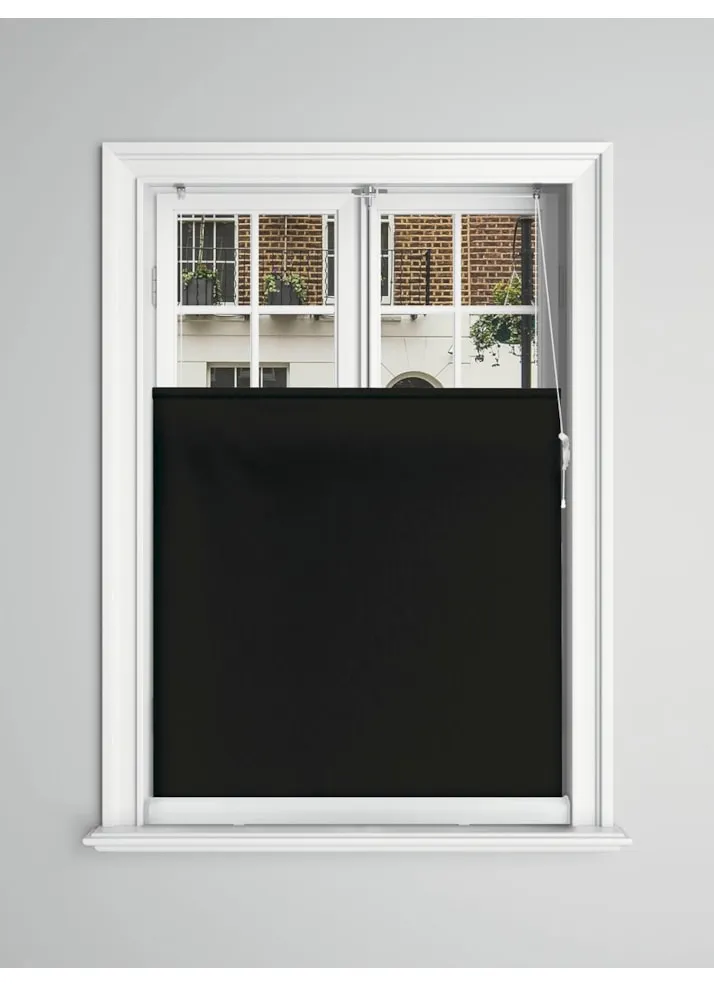
A bottom up roller is the roller-blind answer to the same problem. Instead of unrolling from the top, the fabric rises from the sill, covering the lower part of the window first and leaving the upper glass clear. It gives you the privacy-with-daylight outcome in a roller fabric, which matters if you want a heavier, blackout-grade material rather than a pleated one. What you don't get is the ability to float the fabric in the middle, since the bottom edge of the fabric stays at the sill.
One label to read carefully is "day and night". On roller blinds it normally means the alternating sheer and opaque stripes of a zebra blind. Blinds 2go uses it on the Duolight top down bottom up range, where it signals a blind with a lighter setting and a more private one rather than a striped roller. Read the retailer's own fabric description for exactly how those two settings are delivered before you order.
What to look for
- Which part of the window needs covering. Be honest about the actual problem. Pavement-level sightlines into a bathroom or bedroom call for the lower half covered and the top open, which all three picks handle. Glare from a high window, or a need to cover the top only, is a job for a true two-rail blind, not a bottom up roller.
- Opacity. Privacy and darkness are different jobs. A fabric that stops the view from the street in daylight may still glow at night with the lights on, and only a blackout fabric blocks light through the material itself. Of the three picks, only the Abyss roller is described as blackout. Even then, light leaks around the edges of any blind, so blackout fabric alone won't give a pitch-dark room.
- Thermal performance. Two of the picks carry a thermal label. Pleated fabric with a thermal treatment offers modest extra insulation over a single layer of plain fabric; honeycomb construction, where the fabric forms sealed air pockets, is the type that measurably cuts heat loss. We can't put a figure on either Blinds 2go range, and we'd be wary of any blind sold on a specific percentage saving without a source.
- Stack size. Pleated fabric compresses into a slim stack, which is what lets it sit cleanly in the middle of the window. Heavier roller fabric hangs flatter and blocks more light, but it is a bulkier object when stowed. On a small window the stowed blind takes more of the glass than you expect, whichever type you choose.
- Fitting. An inside-recess fit looks cleanest and needs enough recess depth for the mechanism; a face fit onto the wall or frame covers the recess entirely and blocks more light around the edges. Confirm which fittings the retailer offers on the specific range rather than assuming, and read our measuring guide before committing to a width and drop.
- Operation and cord safety. UK regulations require blinds sold for the home to be cord-safe by design, through cordless operation, wands, breakaway connectors or cord cleats. A two-rail blind has two things to move, so check how each rail is operated on the range you choose, especially for a child's room.
Our picks


Duoshade Top Down Bottom Up Thermal Pleated Blinds
at Blinds 2go
Duoshade Top Down Bottom Up Thermal: a thermal pleated from Blinds 2go.


Duolight Top Down Bottom Up Thermal Day and Night Blinds
at Blinds 2go
Duolight Top Down Bottom Up Thermal: a thermal day and night from Blinds 2go.

Abyss Bottom Up Roller Blinds
at Order Blinds
Abyss Bottom Up: a blackout roller from Order Blinds with a broad palette.
Pick details
Best top down bottom up: Duoshade Top Down Bottom Up Thermal
Duoshade Top Down Bottom Up Thermal Pleated Blinds
at Blinds 2go
Duoshade Top Down Bottom Up Thermal: a thermal pleated from Blinds 2go.
This is the straightforward pick: a thermal pleated blind from Blinds 2go built around the two-rail operation this guide is about. It takes the headline slot because it does the core job - fabric held anywhere in the window - in the fabric type best suited to it, with a palette broad enough to work in most rooms. Finishes run from Chalk, Ivory and Beige through Mushroom and Pebble to Nickel Grey, Grey, Graphite and Anthracite, the palette stretches into purple, and a few finishes are marked premium at a higher price. The retailer lists it from £13.46.
As a pleated blind it is light, folds into a slim stack and will sit mid-window without fuss. The thermal label means a modest insulation benefit over a plain single-layer blind rather than the step-change a honeycomb gives. It isn't described as blackout, so treat it as the privacy-and-glare option: it will stop eyes from the street and soften low winter sun, but a bedroom that needs genuine darkness will want a heavier fabric or a second layer such as curtains.
Against the Duolight it is the simpler product - one fabric, one job, more colours. Against the Abyss roller it is a different proposition altogether: lighter, able to cover the top of the window as well as the bottom, but without blackout opacity.
Best thermal: Duolight Top Down Bottom Up Thermal
Duolight Top Down Bottom Up Thermal Day and Night Blinds
at Blinds 2go
Duolight Top Down Bottom Up Thermal: a thermal day and night from Blinds 2go.
Blinds 2go sells both of its blinds here as thermal, so this slot is about which one to buy if heat retention is the reason you're shopping. We give it to the Duolight. The retailer pairs the thermal construction with a day and night format in a single top down bottom up blind, which makes it the pick aimed squarely at comfort through the seasons: a lighter setting for short winter days and a more private one for the evenings, with the thermal fabric working in both. The from-price is £12.88.
The palette is narrower than the Duoshade's and stays at the neutral end: Arctic White, Ash Grey and Anthracite, with Cotton, Pearl and Grey offered as premium finishes. If you want a colour that does more than disappear, the Duoshade is the better of the two; if you want the blind to vanish against a white or grey frame, this one does that well.
We can't rank the two Blinds 2go fabrics against each other on insulation. Both carry the thermal label, we haven't seen a comparable figure for either, and the practical difference between thermal fabrics of this kind is not something we'd claim to order reliably. What we can say is that the Duolight is the one to choose when the day and night switch is useful to you, and the Duoshade when a wider palette matters more.
Best bottom-up roller: Abyss Blackout Bottom Up Roller
Abyss Bottom Up Roller Blinds
at Order Blinds
Abyss Bottom Up: a blackout roller from Order Blinds with a broad palette.
The Abyss is the pick for anyone who wants the privacy-with-daylight outcome but needs a blackout fabric to deliver it. It is a bottom up roller from Order Blinds: the fabric rises from the sill to cover the lower window and leave the upper glass clear, and the retailer describes the fabric as blackout, so the covered portion blocks light through the material rather than merely blurring the view. The from-price is £164.00, and you should expect to pay considerably more for it than for either Blinds 2go pick.
What you are paying for, beyond the mechanism, is the palette. It is broad - broader than either Blinds 2go pick - and runs across white, cream, grey, blue, red and pink families. Some names describe themselves, such as Glacier White, Warm White, Dusk Grey, Toasted Grey and Robin Red; others, such as Abyss, Kraken, Malbec and Sakura, give you little to go on, so order samples rather than guessing from the label.
The compromise is flexibility. A bottom up roller covers from the sill upward and stops there; it can't leave the bottom open and cover the top, and it can't float a band of fabric mid-window. If the lower half is the whole problem - a bathroom on a busy street, a bedroom with a path outside - that limitation won't matter, and the blackout fabric gives you something neither Blinds 2go pick does. If the glare comes from above, this isn't the blind for it.
Choosing between the three
The quickest way to split them is by the problem you are solving:
- Cover the top of the window, or float fabric mid-pane: either Blinds 2go blind. The Abyss can't do this.
- Blackout-grade opacity on the covered portion: the Abyss. Neither Blinds 2go pick is described as blackout.
- Widest colour choice in a light pleated fabric: the Duoshade.
- A day and night switch and a finish that disappears into the frame: the Duolight.
- Heat retention above all: either Blinds 2go pick carries the thermal label. The Duolight is our pick, but we wouldn't claim a measurable gap between them.
Room by room, the Blinds 2go picks suit bedrooms where privacy matters more than darkness, home offices where low sun hits a screen, and landing or stair windows. The Abyss suits a street-facing bedroom or bathroom where you want the lower half to go genuinely dark at night. None of the three is described as a bathroom fabric, so check the retailer's guidance on moisture before putting one in a steamy room.
What we didn't include
We kept the list to blinds that are sold specifically for this job: two-rail top down bottom up blinds and a bottom up roller. Standard pleated or roller blinds fitted to cover only the lower half of the window do get used as a workaround for the same effect, but they aren't designed for mid-window use and a guide to made-to-measure blinds shouldn't lean on improvisations.
We also left out half-height shutters. Louvred panels covering the lower part of the window solve the same pavement-level privacy problem and work as effective blackout when closed, but they are a fixed installation at a very different price level and belong in a shutter decision rather than a blind one.
Price by your window
Made-to-measure pricing moves with width and drop, so a from-price only tells you where a range starts. Follow any pick above to see how its price changes across common widths and drops, then measure the recess, decide between an inside and a face fit, and compare the three at your actual size rather than at the entry point. If thermal performance is what sent you here, our thermal blinds guide covers the wider field including honeycomb options; for the pleated format more generally, see our pleated blinds picks.