
The Abyss range at Order Blinds does something most rollers do not: it rises from the bottom. A bottom-up roller reverses the usual arrangement, tucking the roll at the sill and drawing the fabric upward to cover the lower half of the window while the top stays clear - so you get privacy at eye level and daylight pouring in above it. Every make-up is titled Blackout, so the cloth is a proper light-blocker rather than a screen, and the range comes in 23 colourways from £164.00. It is an Order Blinds exclusive among the retailers we track.
Who it suits
This is the specialist's answer to the overlooked window. Think of a street-facing bathroom, a ground-floor bedroom on a busy pavement, a basement flat, a home office at eye level with passers-by: rooms where you want to block the sightline in without giving up the sky. A blind that rises from the sill covers you from the waist up while leaving the top of the glass open, so the room stays bright but nobody can see in at standing or sitting height. It is the classic fix for exactly those situations. The blackout cloth widens its use, too: drawn all the way up, a bottom-up blackout covers the whole window and darkens the room like any other, so the same blind screens by day and blacks out at night. Worth knowing before you order is how it works: a bottom-up blind runs on side cords or tracks that guide the rising bar, because the fabric is pushed up against gravity rather than dropping with it, so it needs that support to sit square. That is a little more mechanism than a plain roller, and part of what you pay for.
The colours
23 colours available
%22%3E%0A%20%20%20%20%20%20%3Crect%20width%3D%2214%22%20height%3D%2214%22%20fill%3D%22%23e88a8a%22%2F%3E%0A%20%20%20%20%20%20%3Crect%20x%3D%220%22%20y%3D%220%22%20width%3D%224%22%20height%3D%2214%22%20fill%3D%22%23ffcc4f%22%20opacity%3D%220.85%22%2F%3E%0A%20%20%20%20%20%20%3Crect%20x%3D%228%22%20y%3D%220%22%20width%3D%223%22%20height%3D%2214%22%20fill%3D%22%234fc3f7%22%20opacity%3D%220.85%22%2F%3E%0A%20%20%20%20%3C%2Fpattern%3E%0A%20%20%3C%2Fdefs%3E%0A%20%20%3Crect%20x%3D%2260%22%20y%3D%2222%22%20width%3D%2280%22%20height%3D%228%22%20rx%3D%221.5%22%20fill%3D%22%233a3a3a%22%2F%3E%0A%20%20%3Crect%20x%3D%2262%22%20y%3D%2230%22%20width%3D%2276%22%20height%3D%2283%22%20fill%3D%22url(%23print-fill)%22%20stroke%3D%22%232a2a2a%22%20stroke-width%3D%220.8%22%2F%3E%0A%20%20%3Crect%20x%3D%2257%22%20y%3D%22113%22%20width%3D%2286%22%20height%3D%225%22%20rx%3D%221%22%20fill%3D%22%233a3a3a%22%2F%3E%0A%20%20%3Cline%20x1%3D%22146%22%20y1%3D%2230%22%20x2%3D%22146%22%20y2%3D%22116%22%20stroke%3D%22%239a9a9a%22%20stroke-width%3D%221%22%2F%3E%0A%20%20%3Ccircle%20cx%3D%22146%22%20cy%3D%22120%22%20r%3D%222.2%22%20fill%3D%22%239a9a9a%22%2F%3E%0A%3C%2Fsvg%3E)
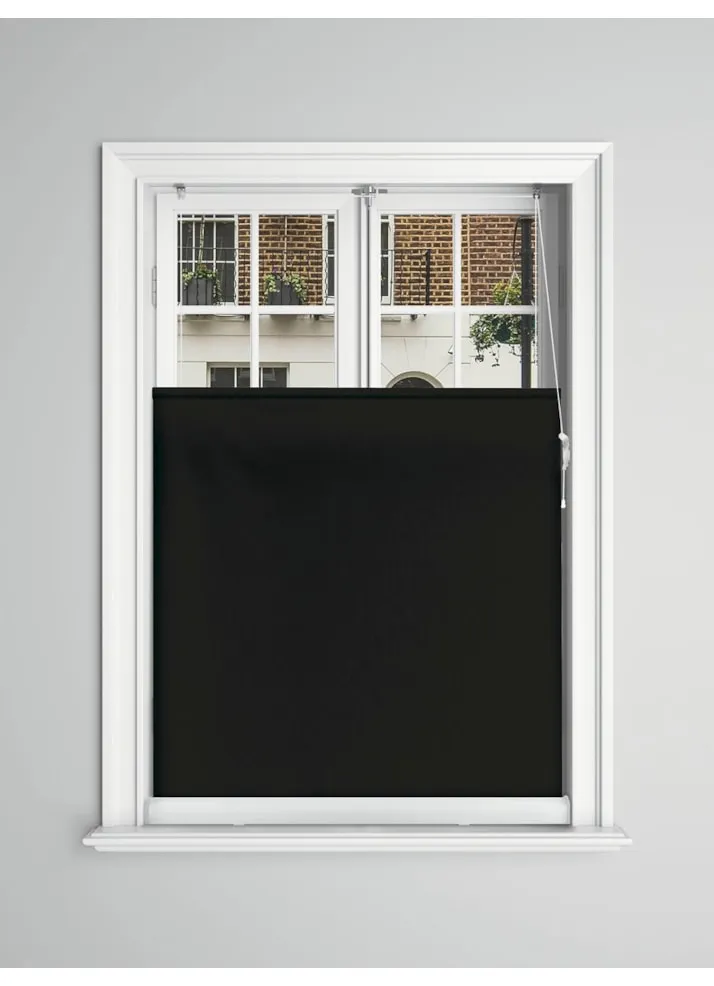

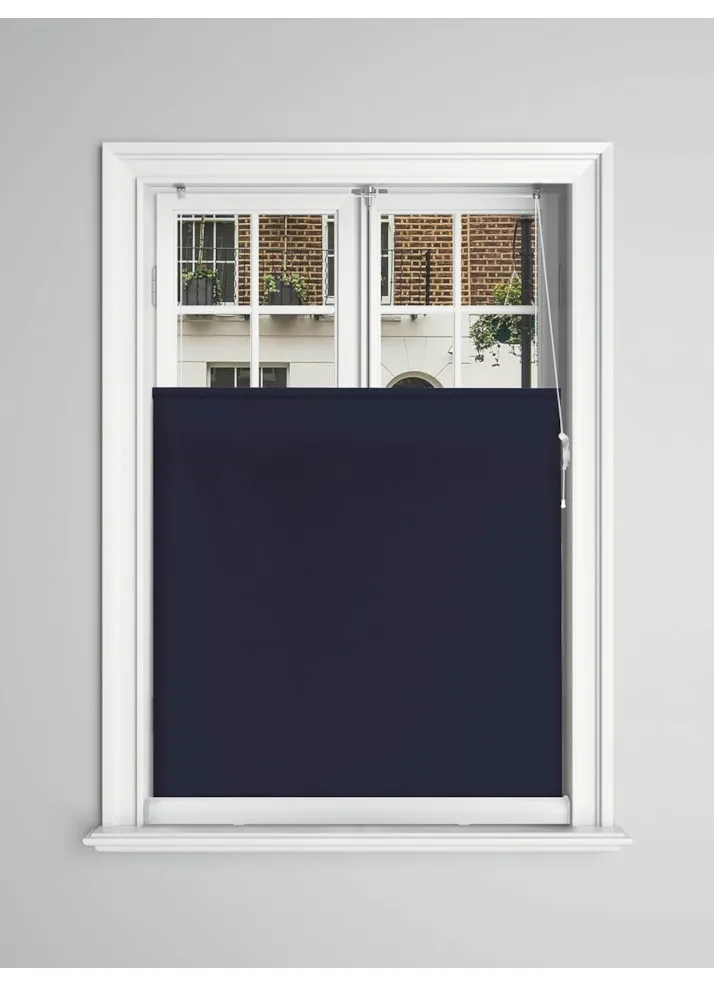
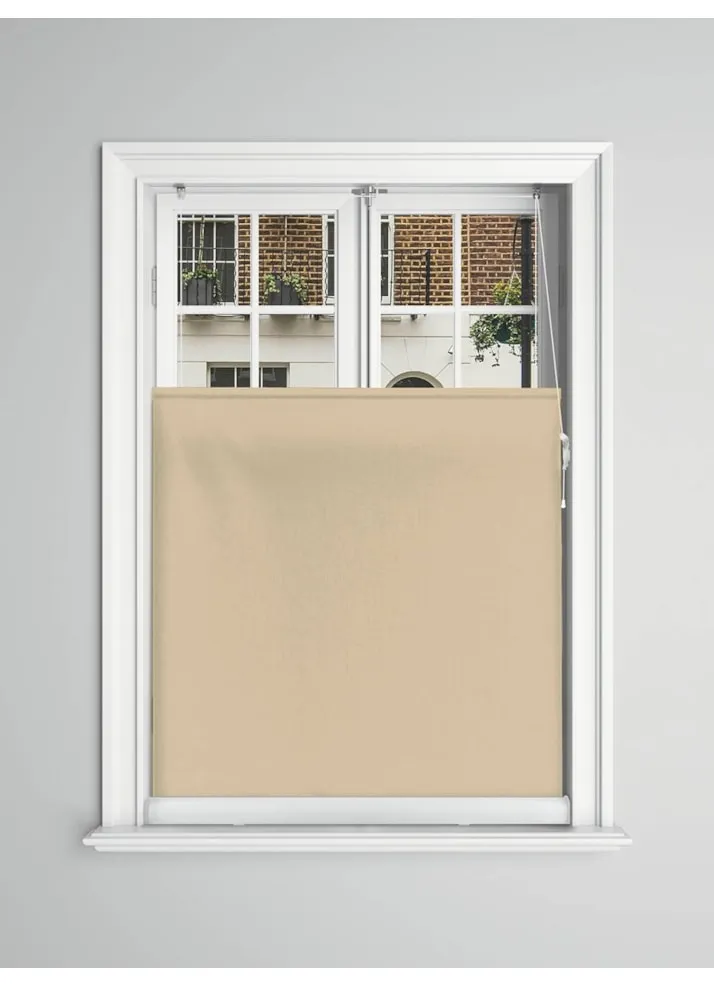
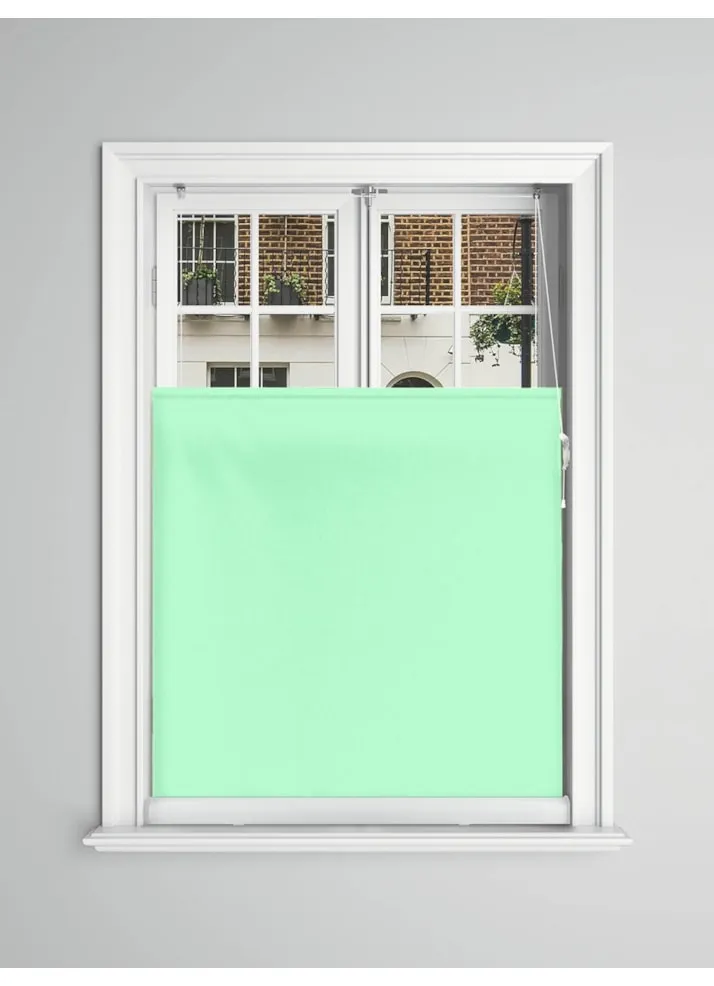
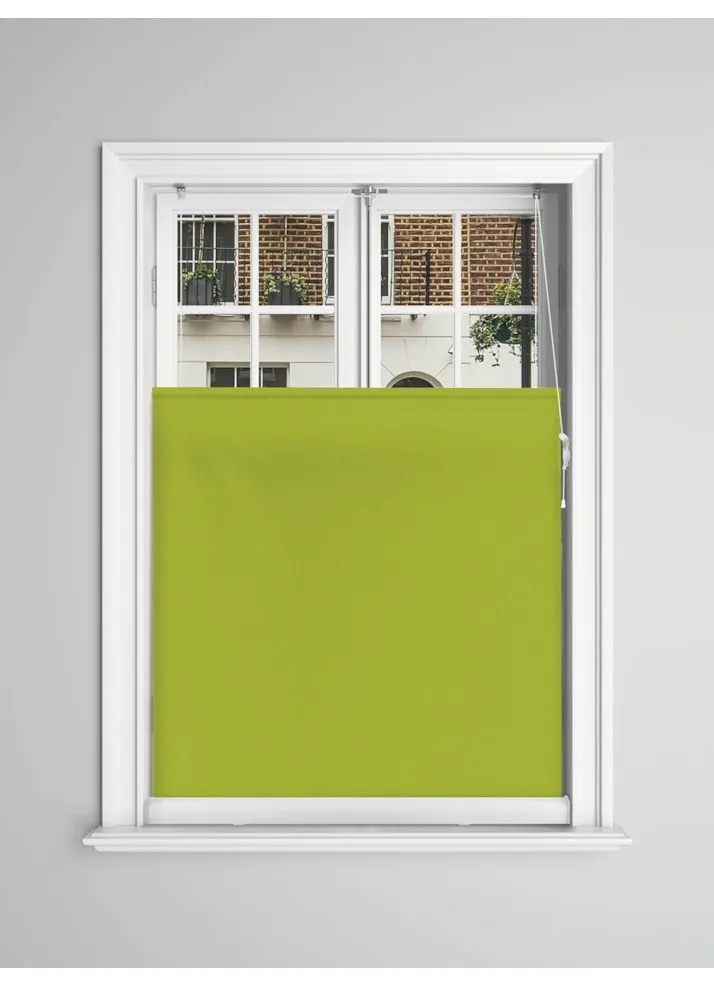

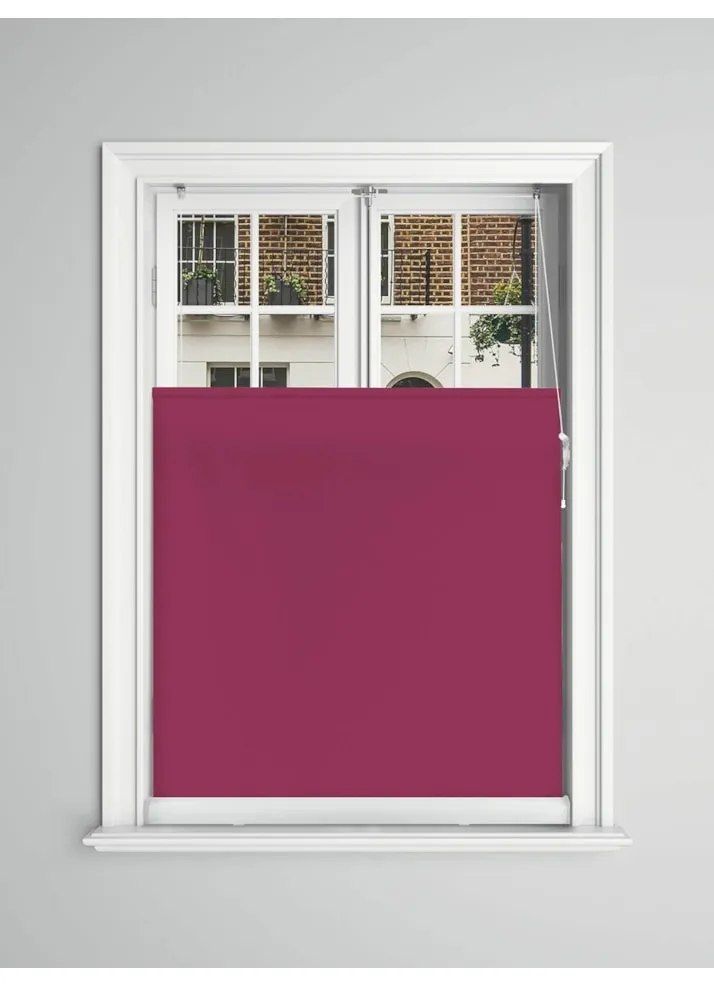
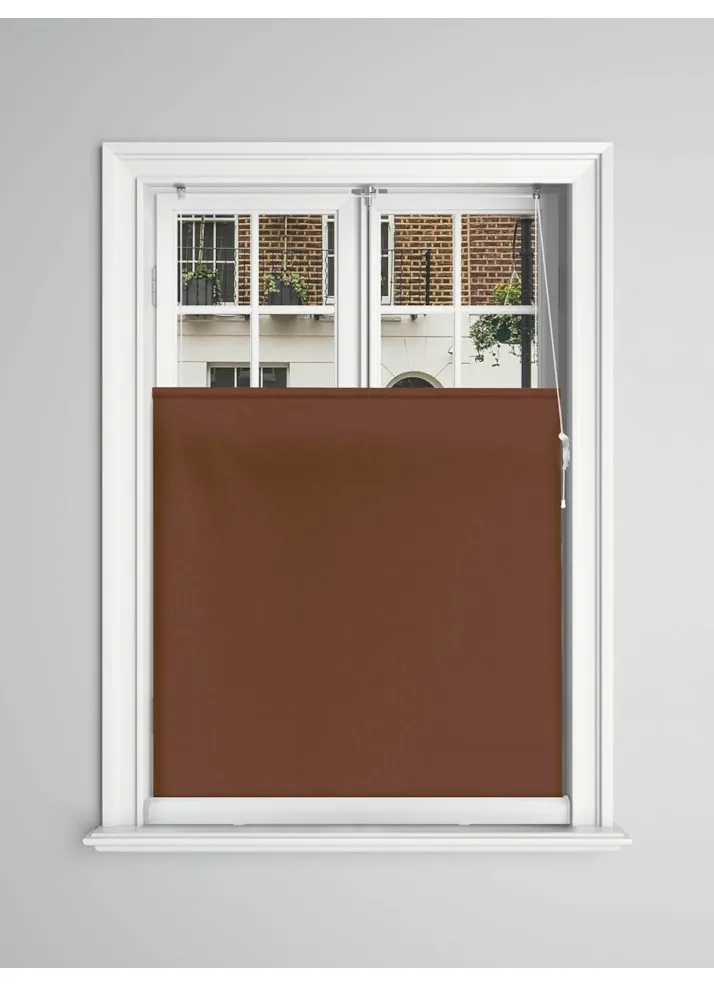
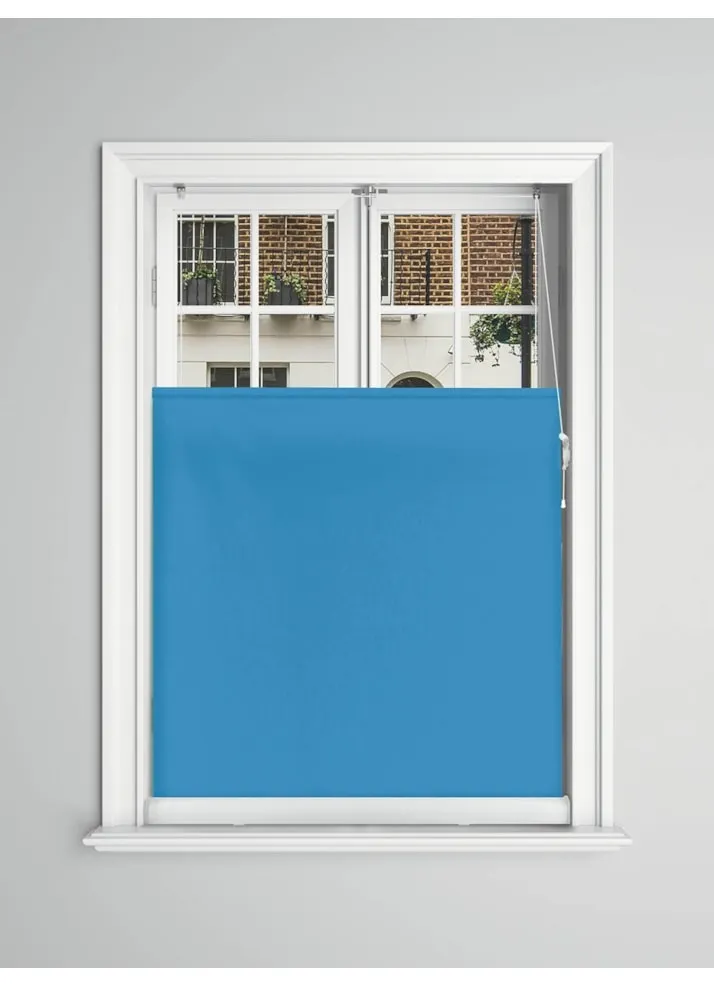

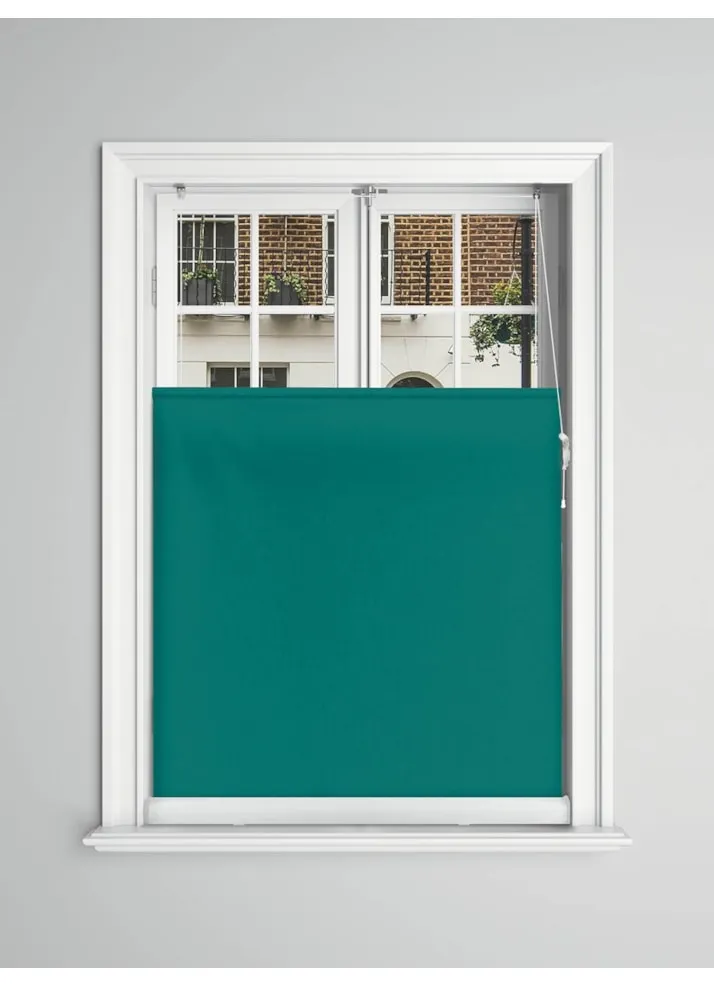
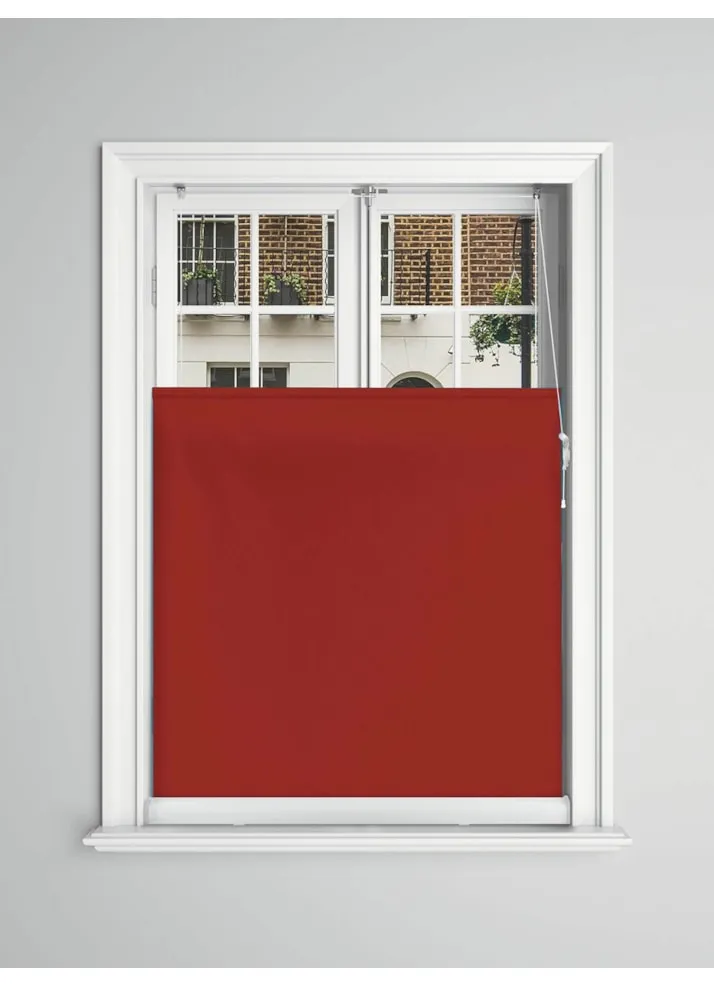
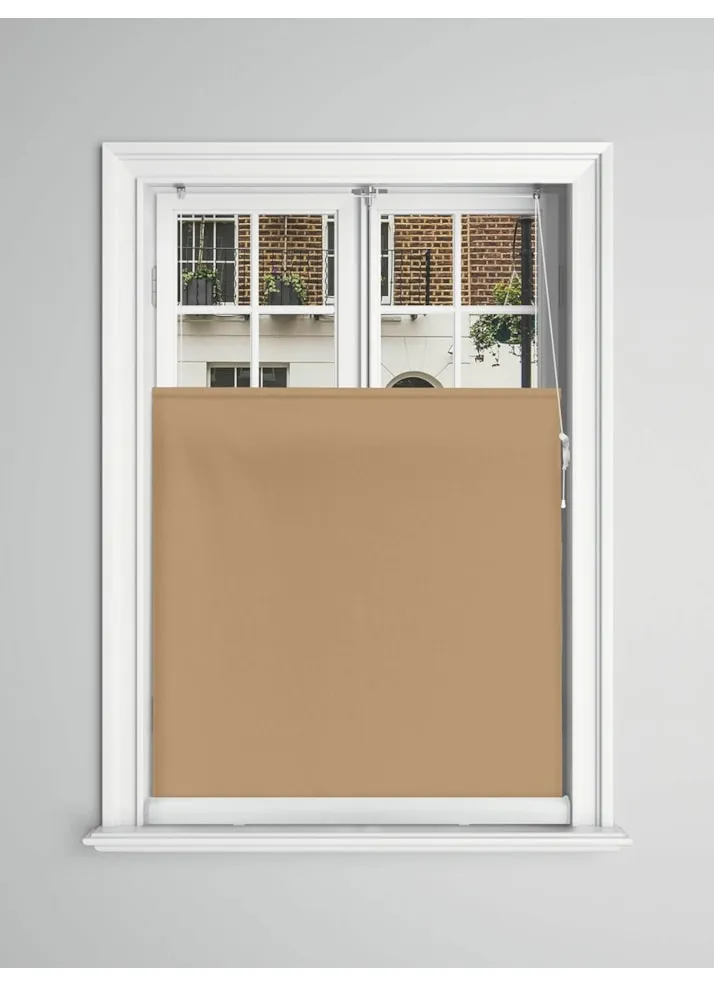

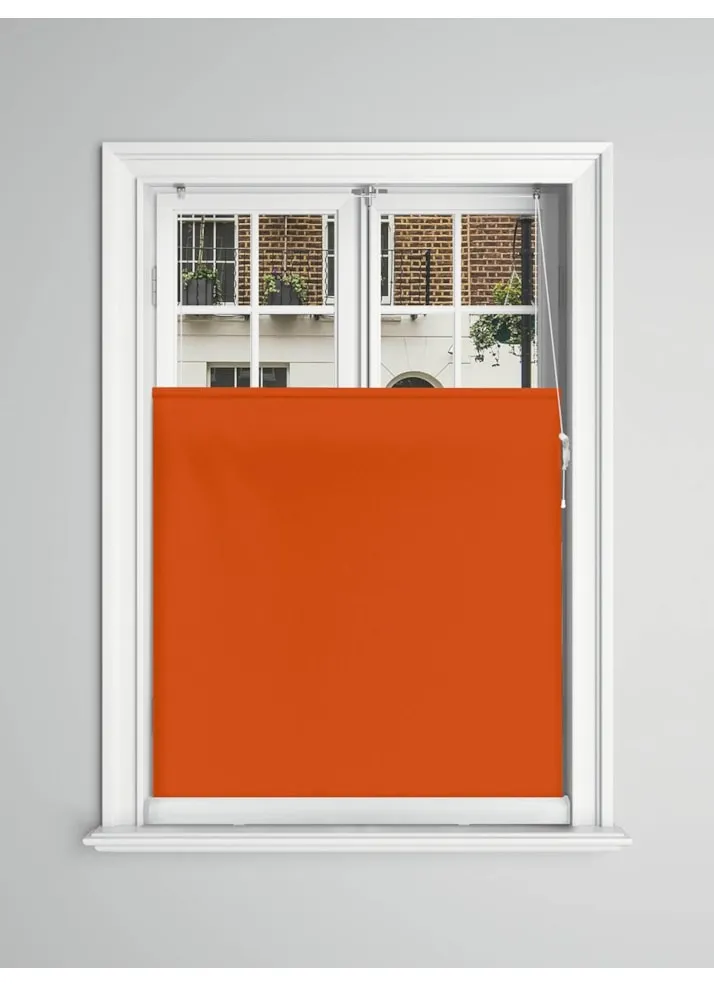
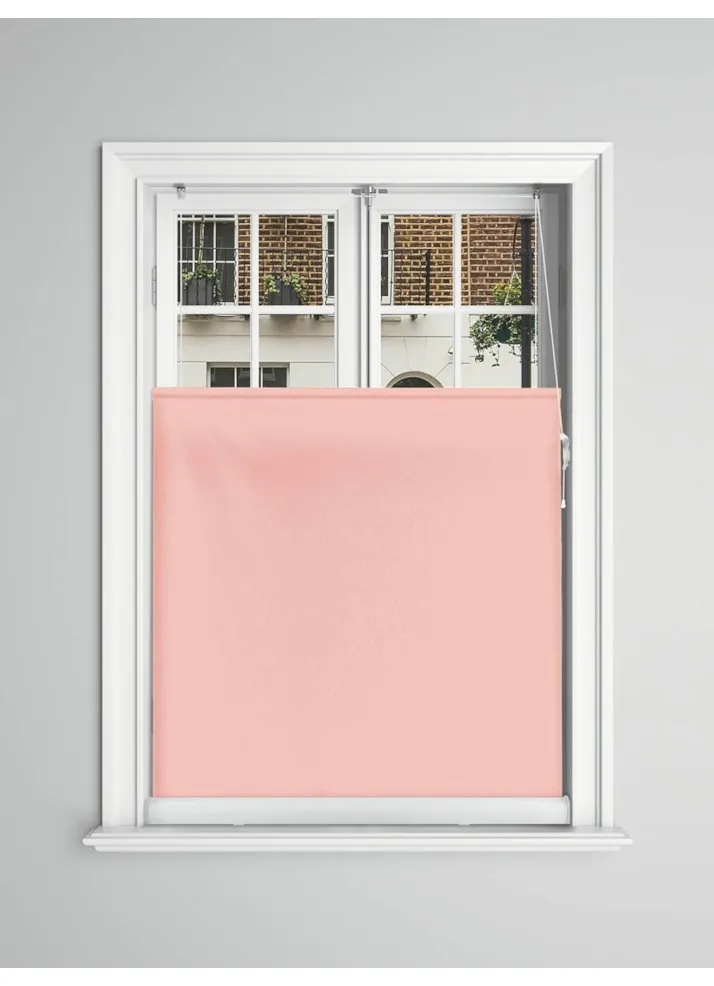
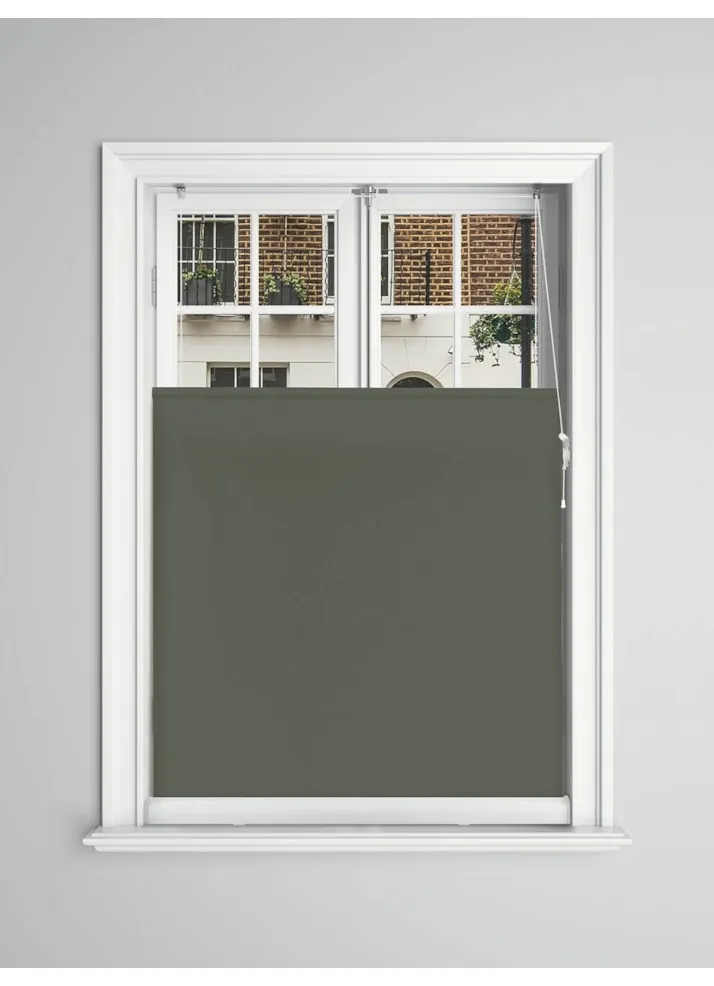
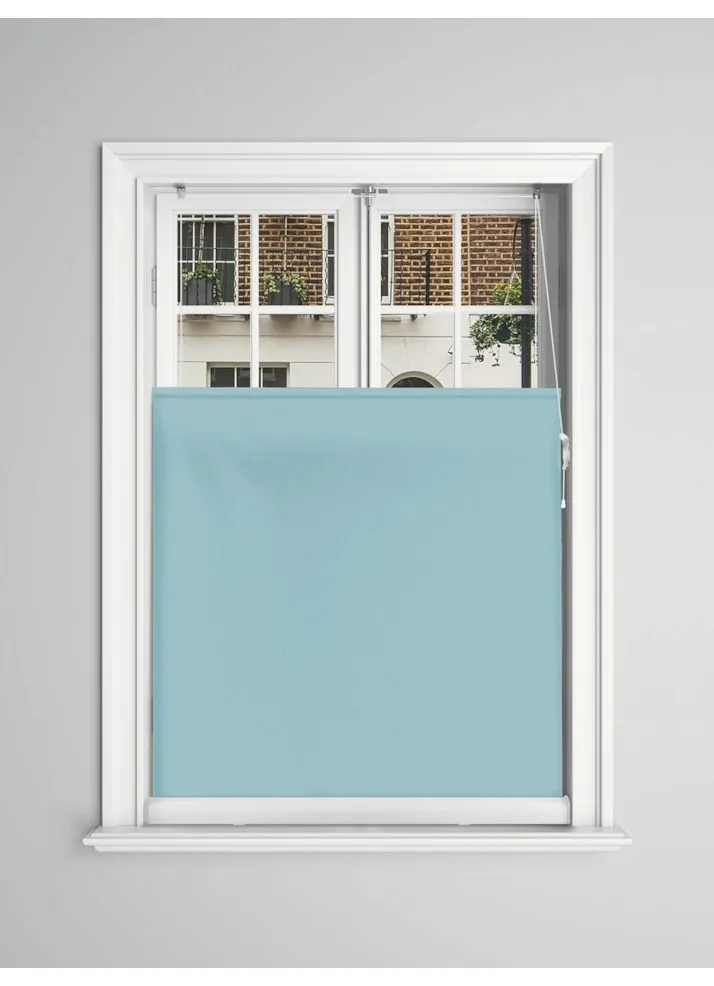

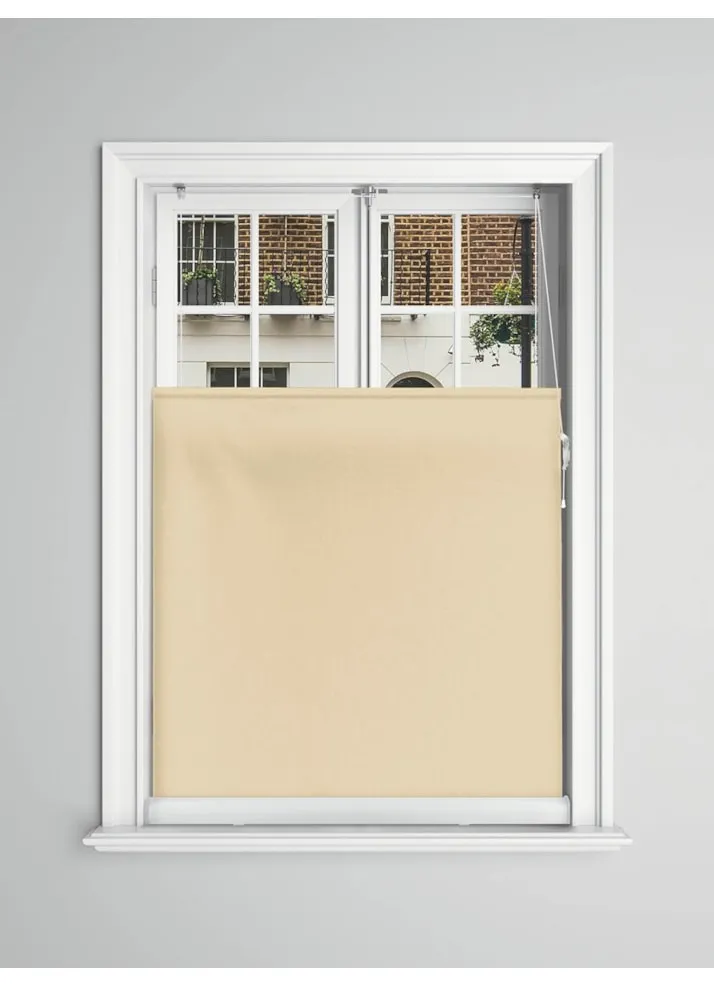

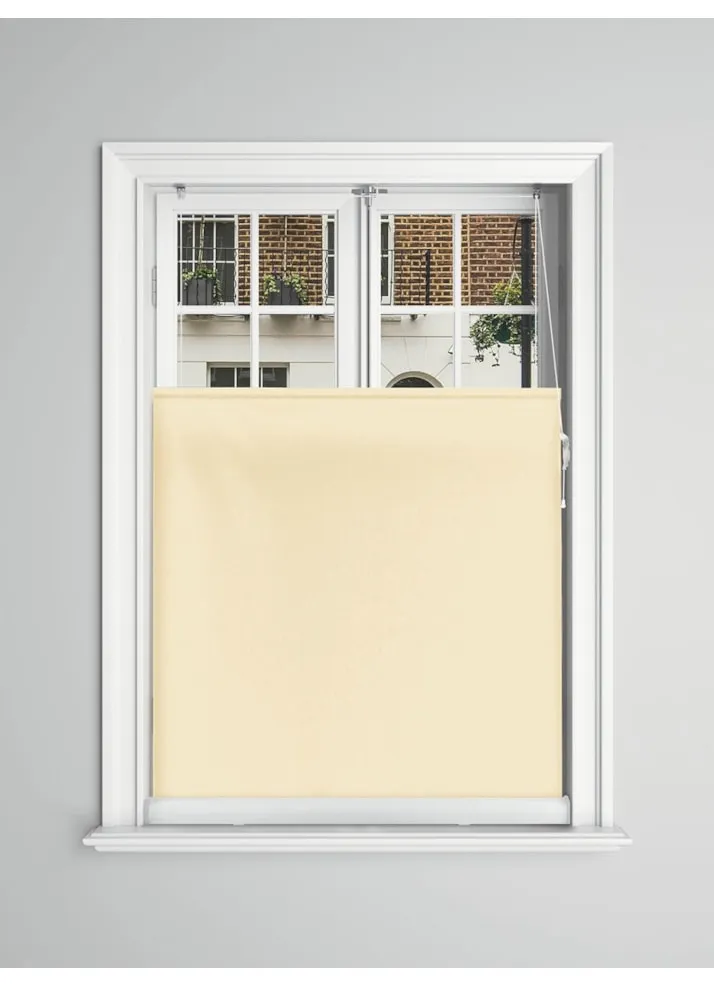

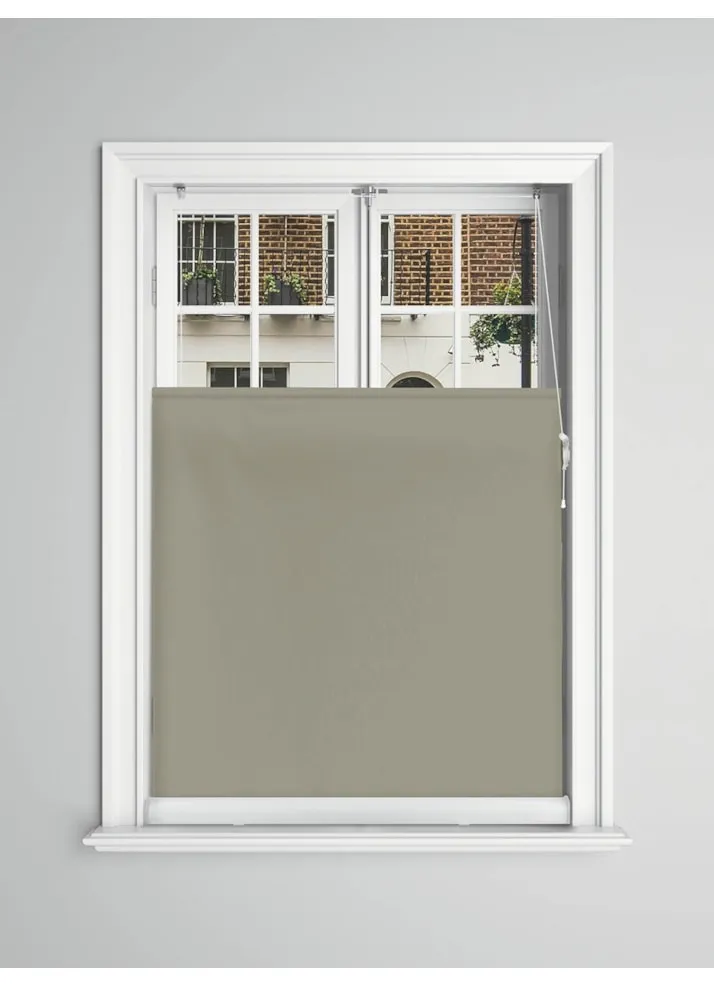
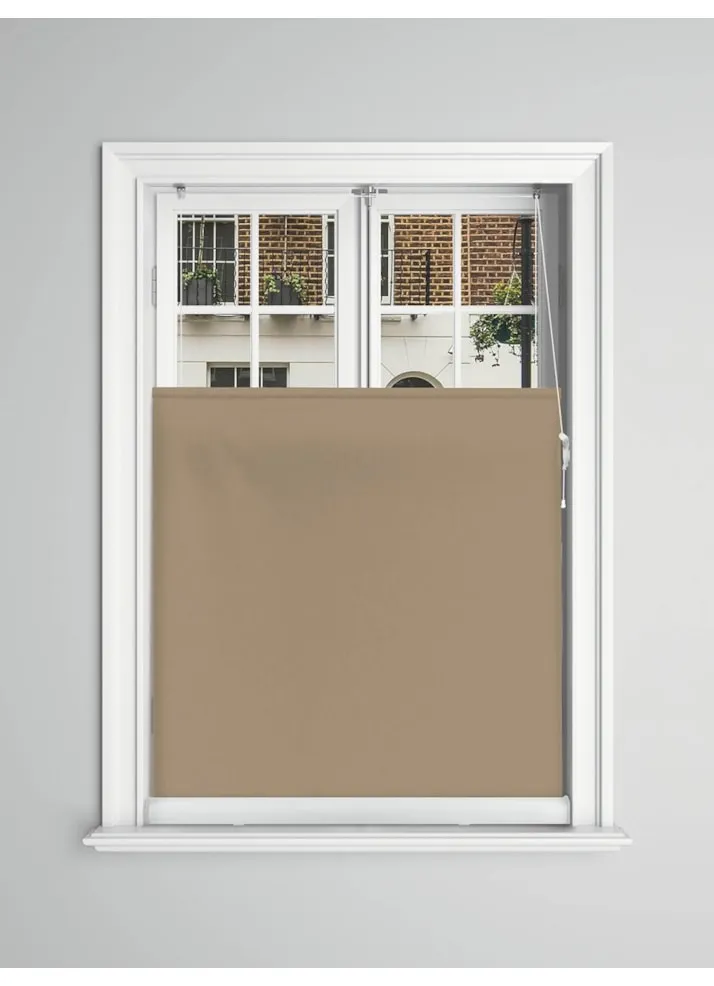

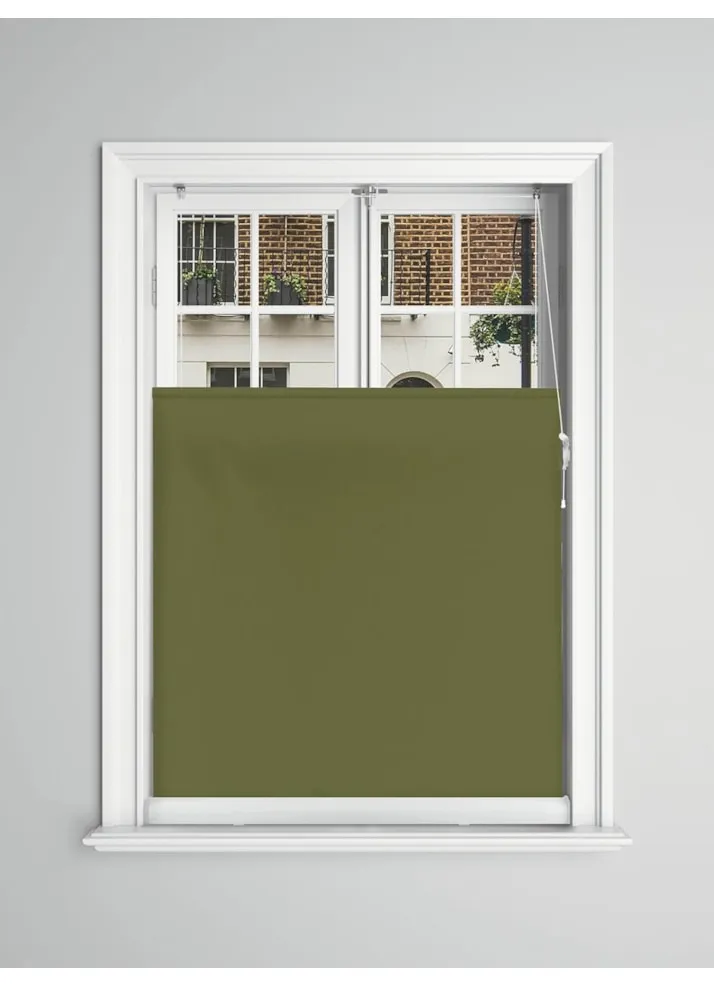

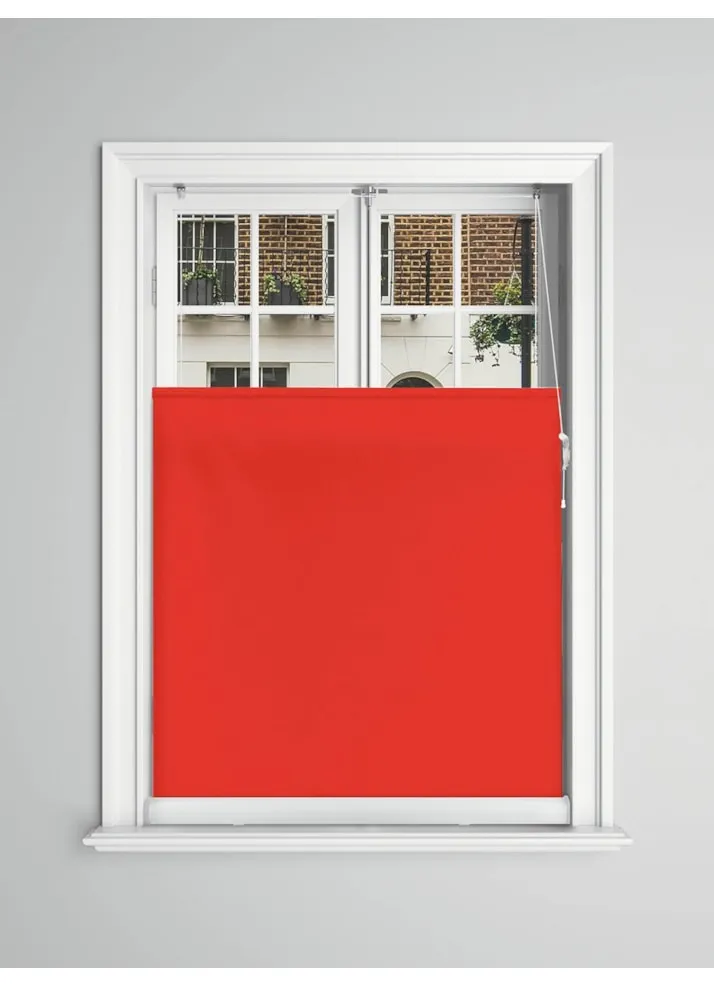

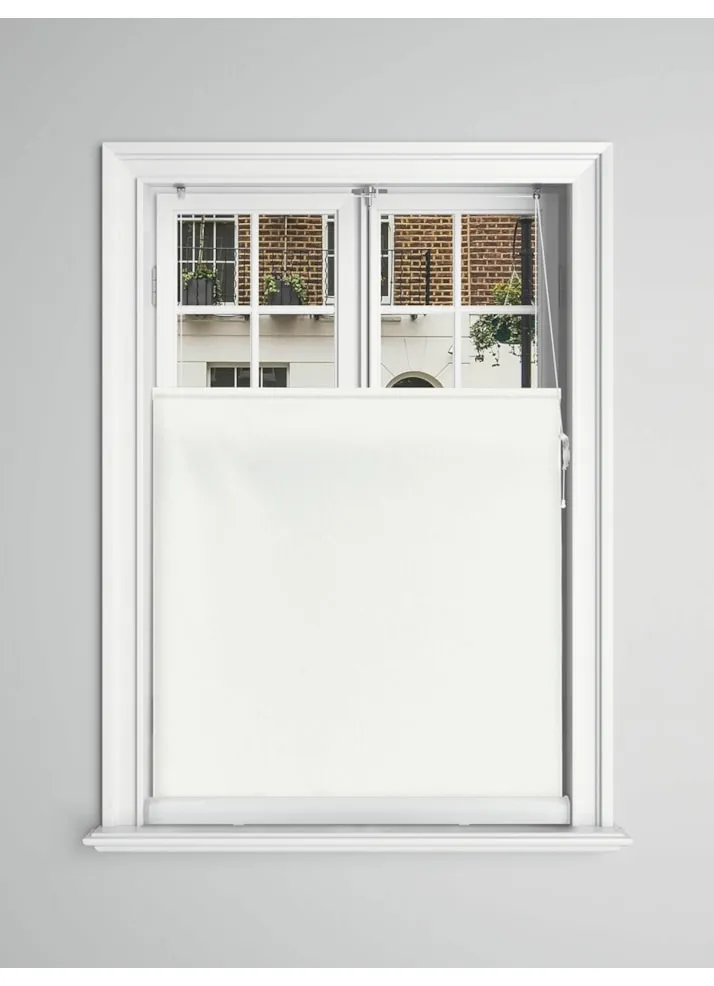
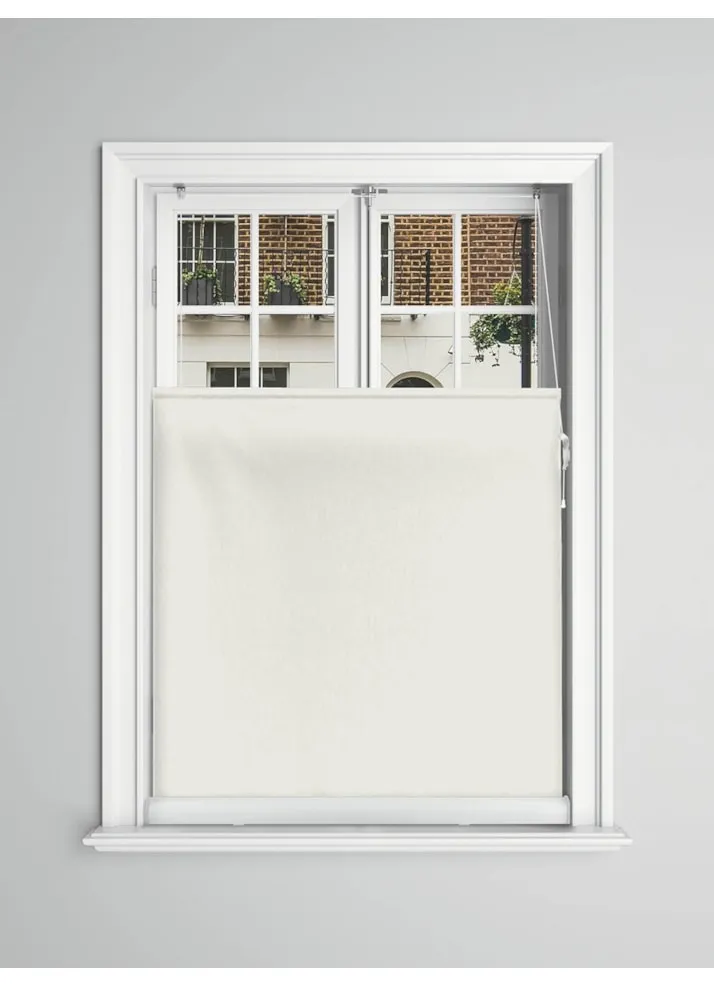
Whoever named this palette went to sea, and the card is the better for it. Deep Space anchors the dark end with an inky near-black, Kraken and Lagoon carry the watery middle - one for the monster in the depths, one for the bright shallows - and Malbec brings a deep wine red for a room that wants some warmth. Fossil holds down the pale, stony end and Gecko adds a note of green, so the range runs from almost-black through blues and greens to a soft neutral, with a red for good measure. The names are a pleasure; treat the shades themselves with the usual caution, because a blackout coating makes any colour read denser and flatter at the window than a screen suggests, and the deep sea tones in particular can shift a good deal under a room's own light. Order samples and judge them where the blind will hang, at the hours you will actually use the room.
Price by your dimensions
Enter your window size. We round up to the next standard size, which matches how the retailer actually quotes you.
No price movement in our checks since 23 Jun.
The from-price starts higher than a plain top-down roller's, and that is the specialist mechanism showing in the figure: the guided sides and the bottom-rising bar are more hardware than a simple tube-and-chain blind. From that starting point the usual made-to-measure arithmetic applies, the figure climbing with width and drop. Bathroom and cloakroom windows, where a blind like this most often goes, tend to sit at the smaller end of a house's glazing, which keeps a real order closer to the entry point than a wide living-room span would. Put your own measurements against the table above rather than reading off the starting figure.
How it compares
Abyss is an Order Blinds exclusive among the retailers we track, so there is no matching blind at a second shop to price it against; the comparison that matters is with the alternatives for the same job. Against a standard top-down roller, the difference is the whole point - a normal blind covers the top of the window and leaves the bottom exposed, which is the wrong way round for privacy on an overlooked ground floor, while Abyss covers the bottom and frees the top. Against frosted film or a net, the bottom-up blackout is adjustable and reversible: you raise it only as far as you need and drop it away when you want the clear glass back, where film is permanent and a net dims the whole room. Against a top-down-bottom-up blind, which does both jobs, Abyss keeps things simpler and cheaper by doing the one that most overlooked windows actually need. Where it earns its keep is the brief nothing standard covers: privacy at eye level with the daylight left in above.
A note on care
A bottom-up blackout asks for a little more attention to its mechanism than a plain roller does, and the same gentleness with its cloth. Keep the side cords or guide tracks clean and clear so the bar rises square - a bit of grit or a snagged cord is what makes a bottom-up blind track unevenly - and raise and lower it smoothly rather than yanking it. For the fabric, blot marks with a barely damp cloth rather than scrubbing, keep solvents and soaking away from the blackout coating that does the darkening, and let the blind dry fully before rolling it away, which matters most in the bathroom where these so often hang. Square the roll up promptly if it starts to creep towards one end, since a blackout shows every crease against the light.