
Seclusion is a New Blinds roller that states its business on the label: the word Privacy runs right through the variant names, and the range is sold three ways - as a standard roller, in the clip-in perfect fit format, and as an electric blind in an unusually deep set of versions. There are 25 colourways from £34.76, and the range is a New Blinds exclusive among the retailers we track. If the brief is screening a room from the street without giving up its daylight, this is a card built around exactly that job.
Who it suits
Privacy is the overlooked window's brief: street-facing living rooms, ground-floor flats, bathrooms, home offices facing the neighbours - anywhere the aim is to break the sightline while keeping the room bright. The three make-ups then sort buyers by window. The standard roller is the straightforward pick for a recess and a drill. The perfect fit version clips into the beading of uPVC windows and doors, leaves the frame undrilled for renters and stays put on tilt-and-turn glass. The electric side is where New Blinds shows off, because motorisation is something of a house speciality: there are mains-powered 230v versions, including an XL cut for wider glass, and battery-powered ones with Somfy's name in the variant titles - Somfy being the French motor maker whose handsets and batteries are the trade's familiar kit. A motor earns its keep on tall stairwell glass, behind kitchen sinks and on any blind worked several times a day; our electric blinds guide covers the field. What Seclusion is not sold as is a blackout: for a bedroom that must go dark, its sibling range Sueno carries the coated cloth.
The colours
25 colours available

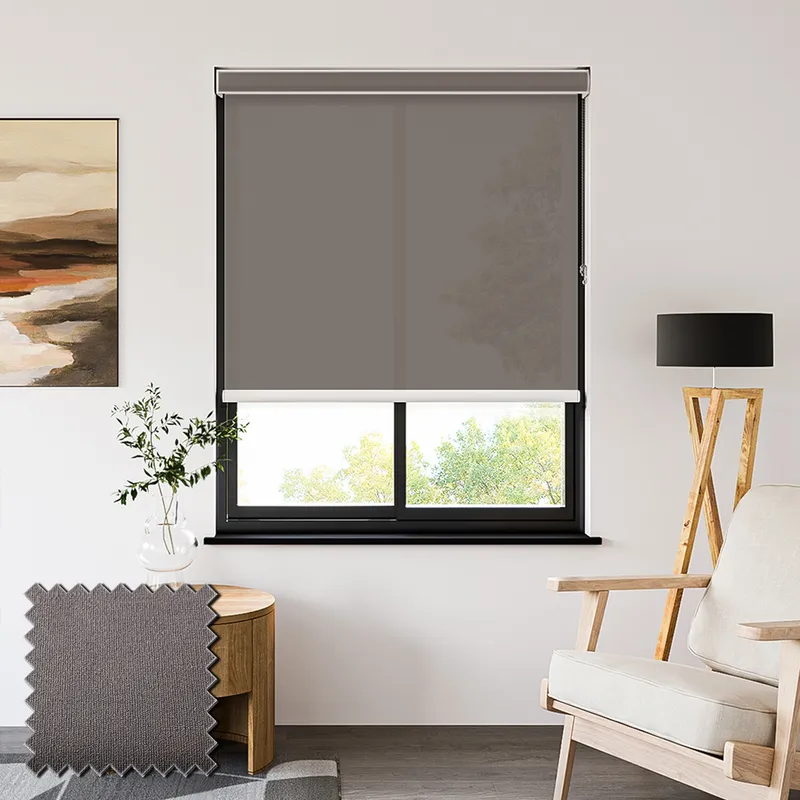

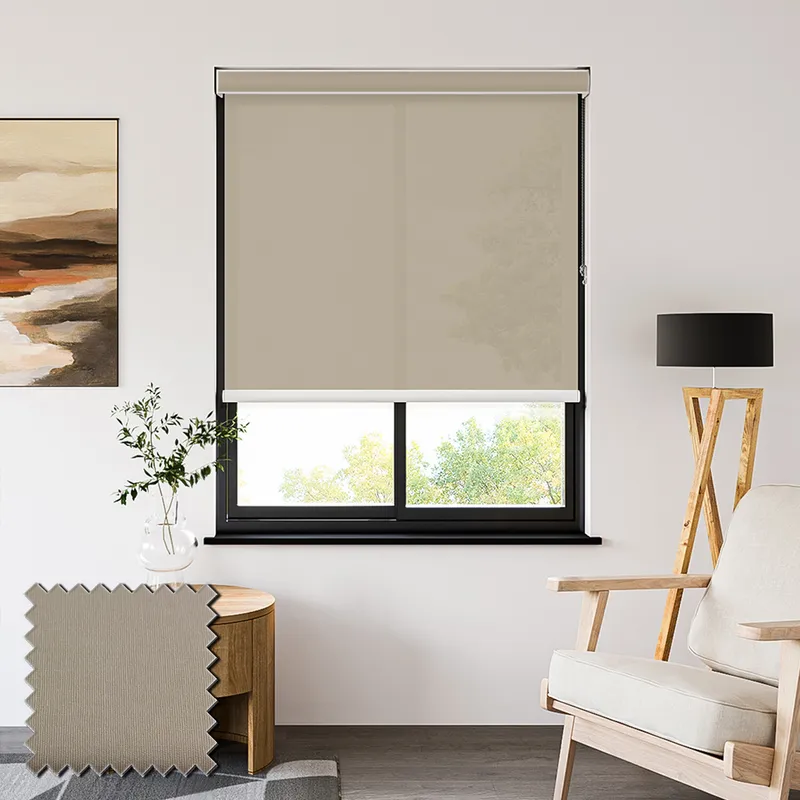
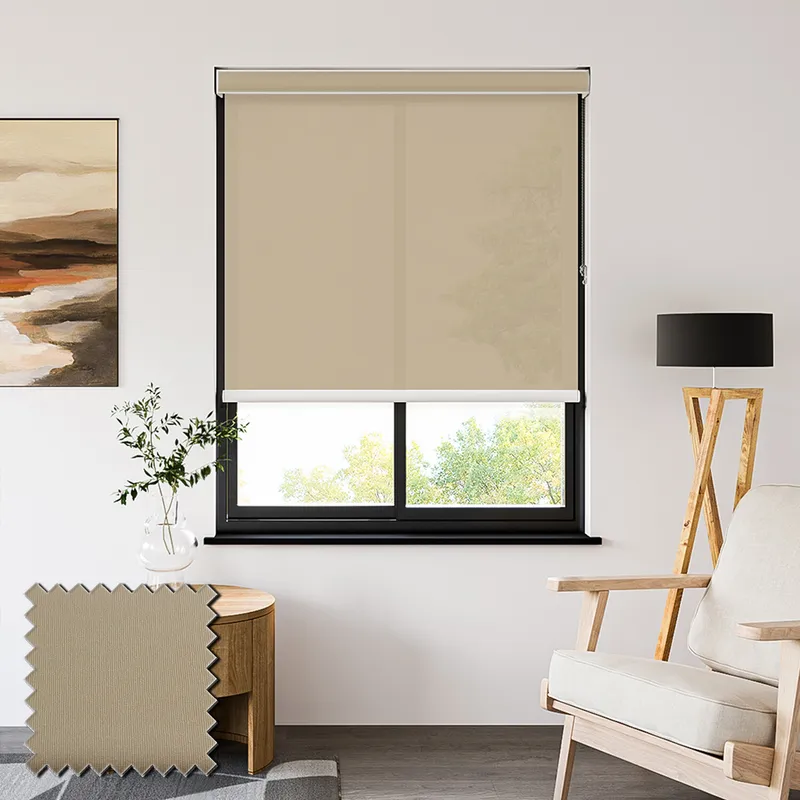
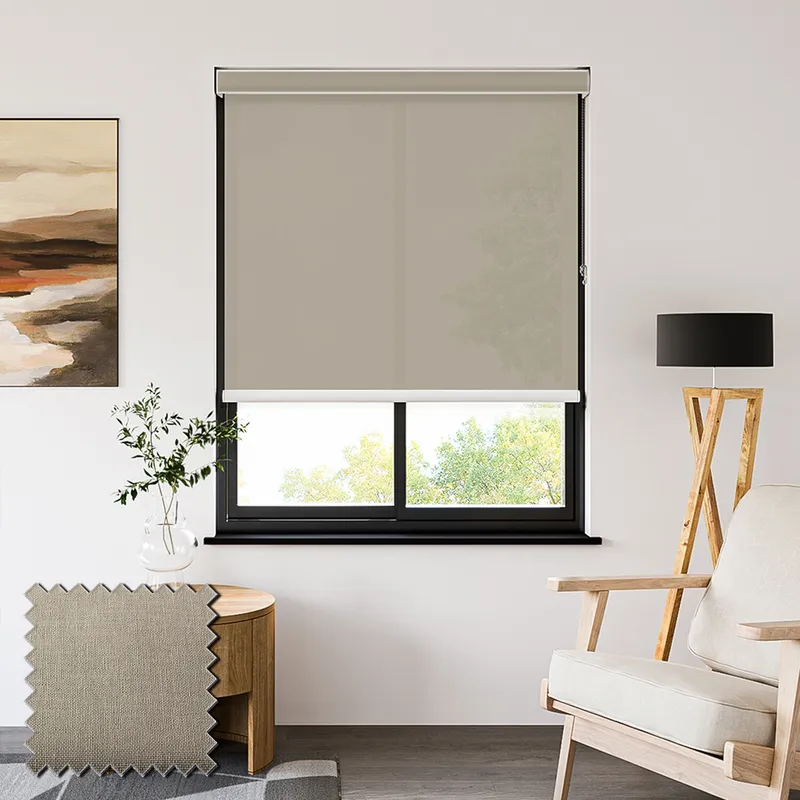

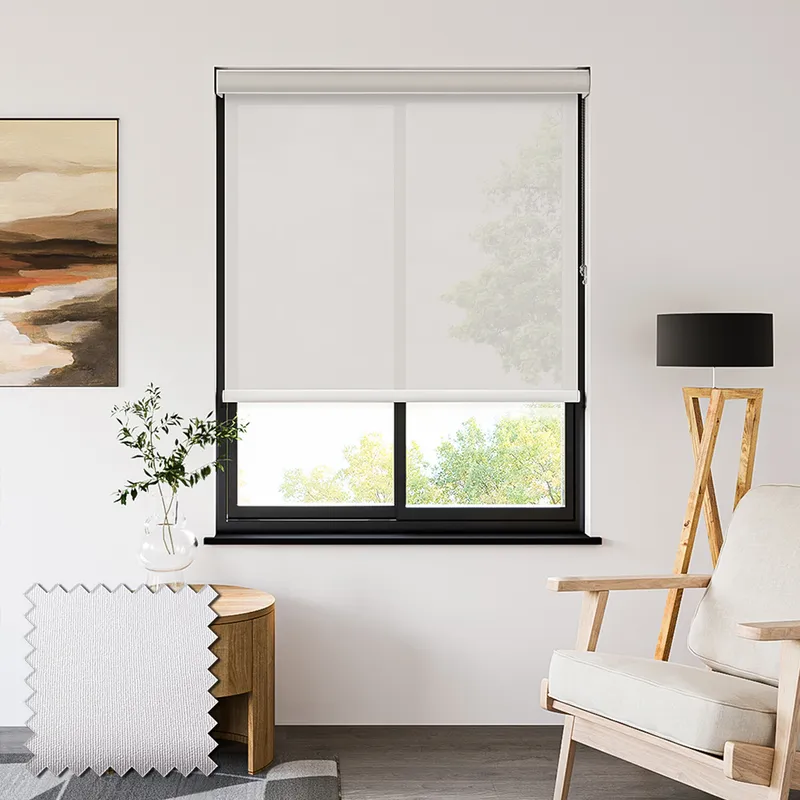
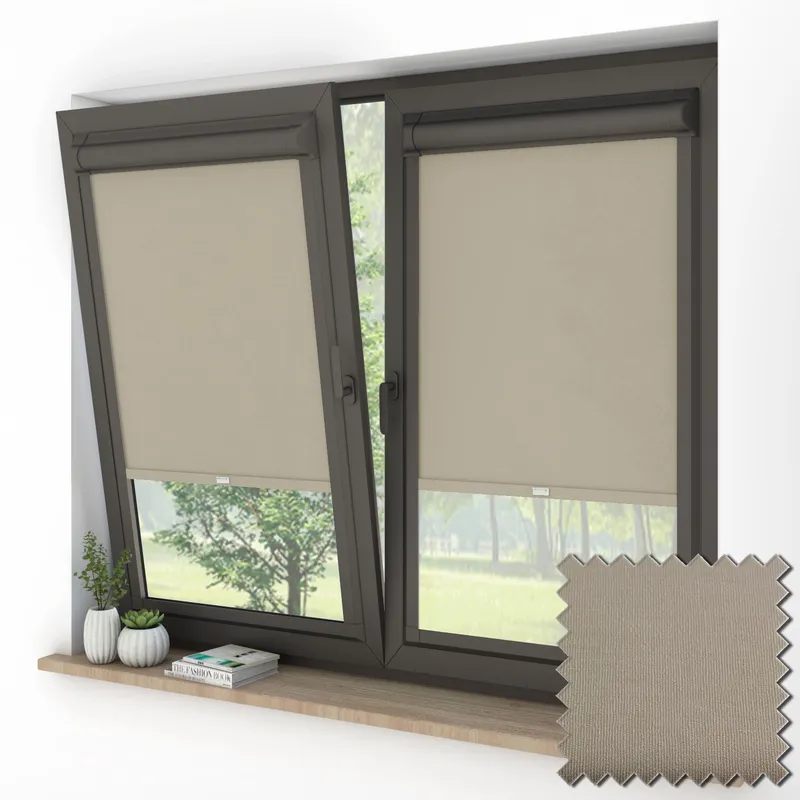
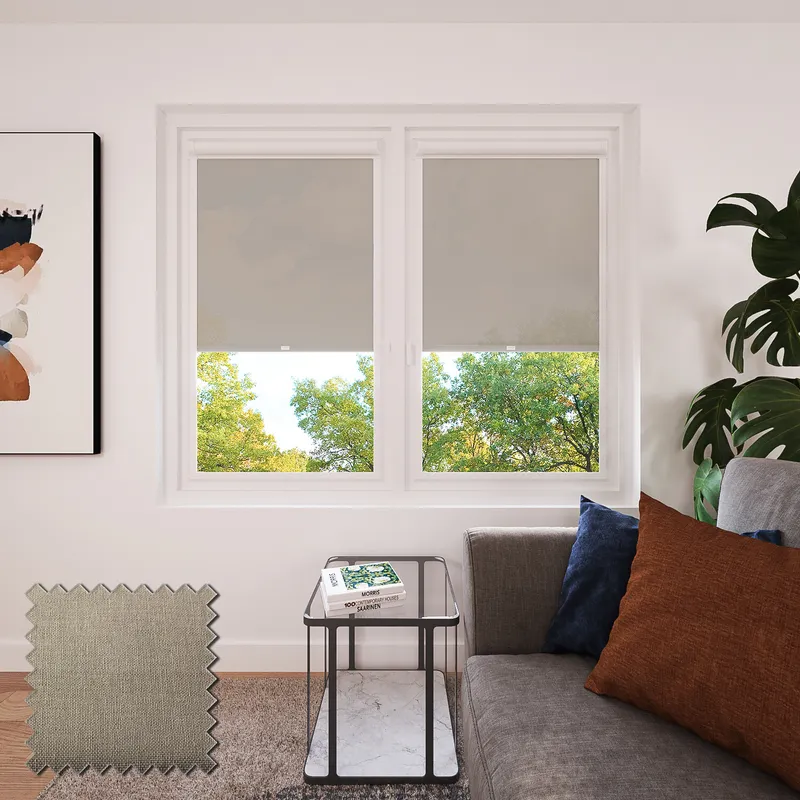
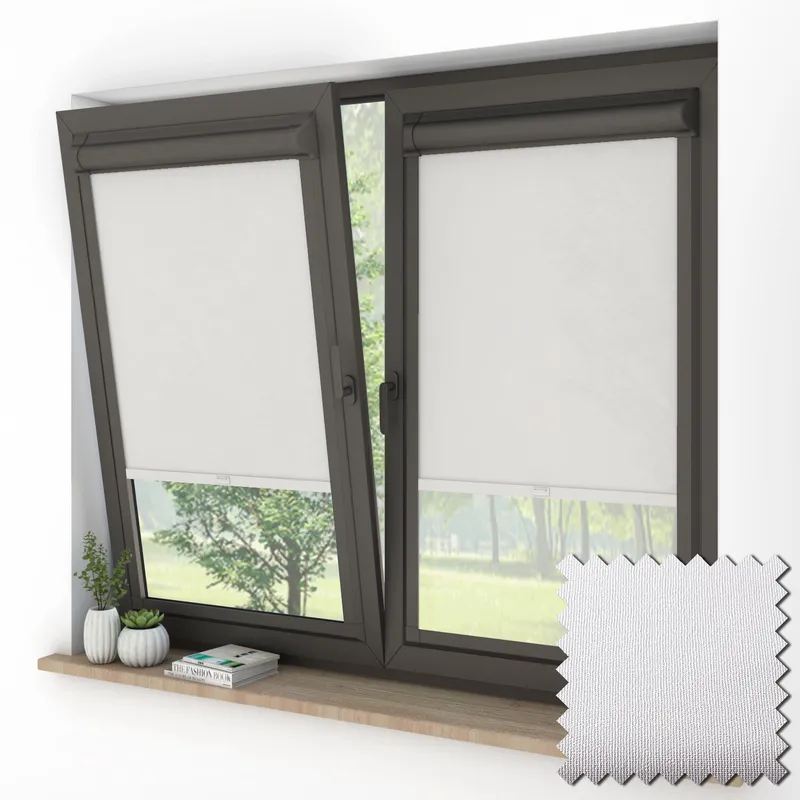
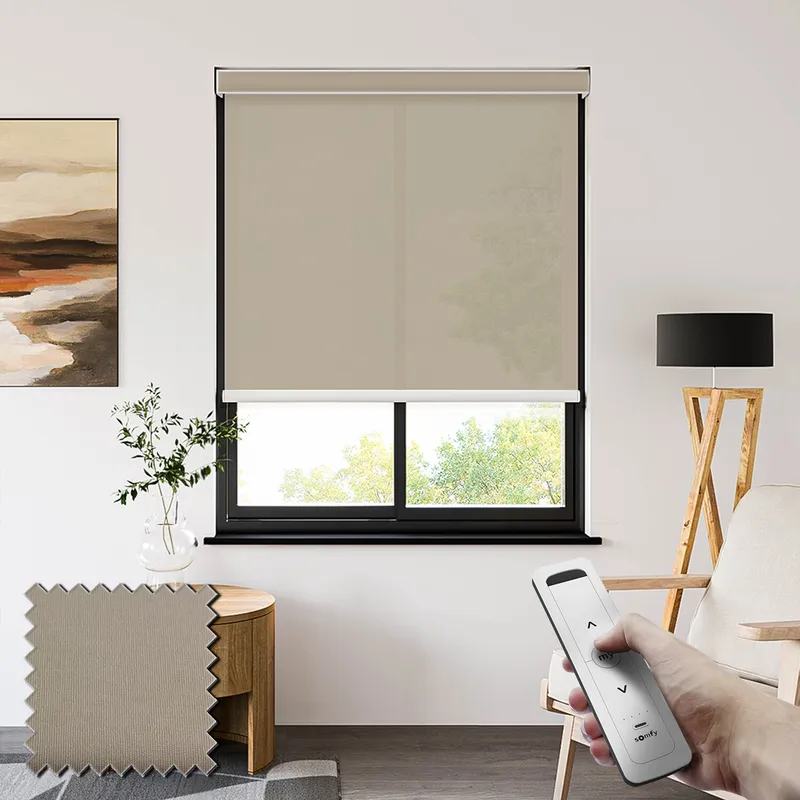
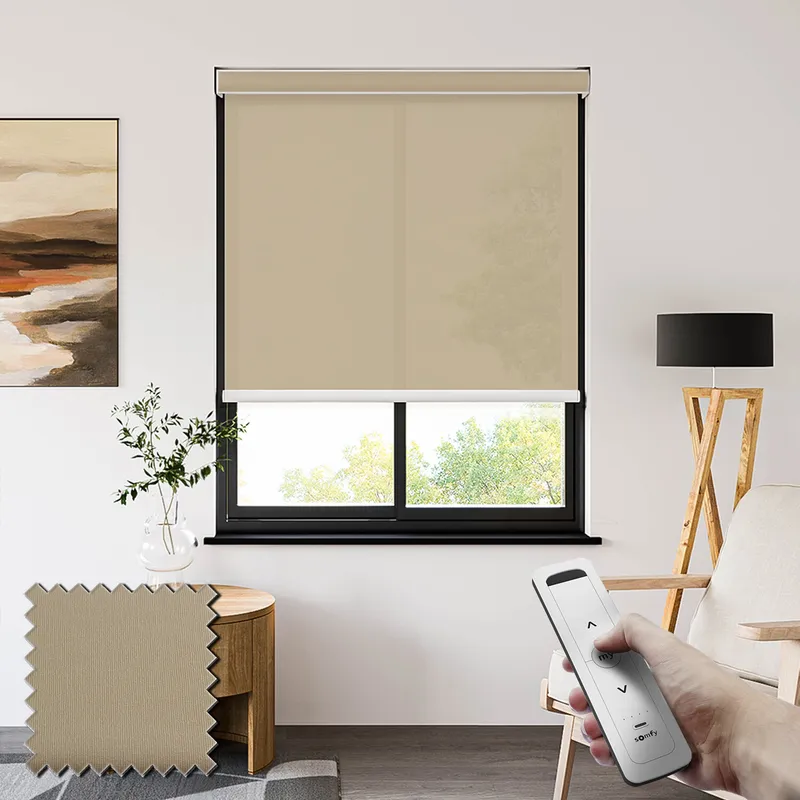
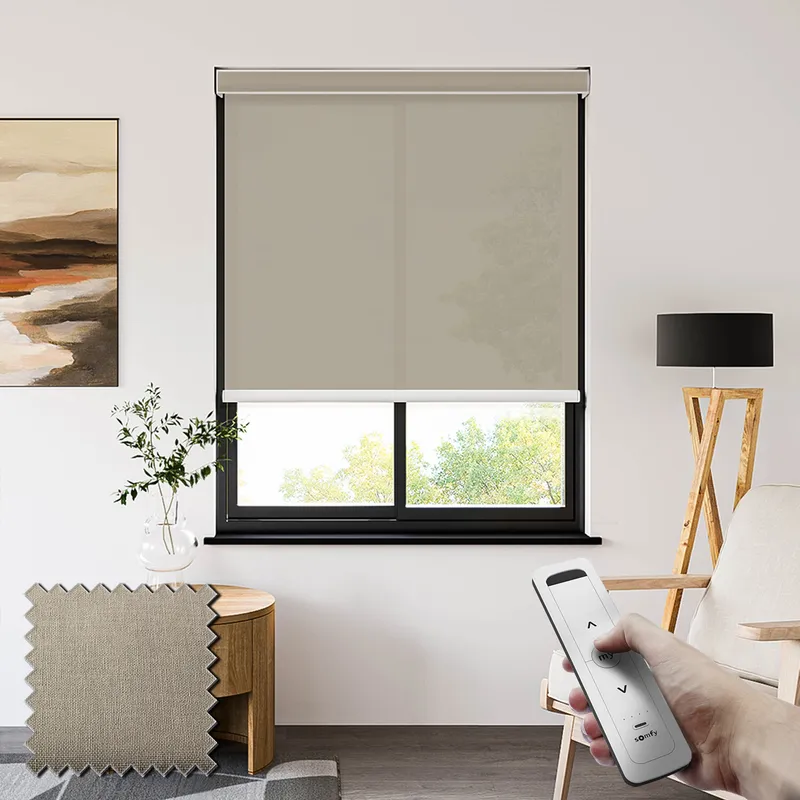

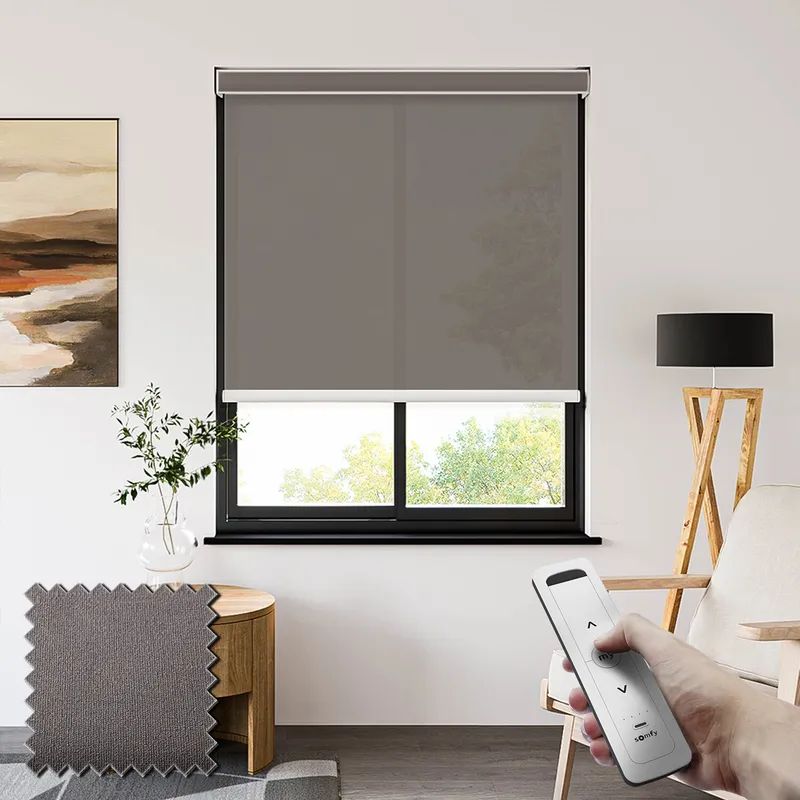
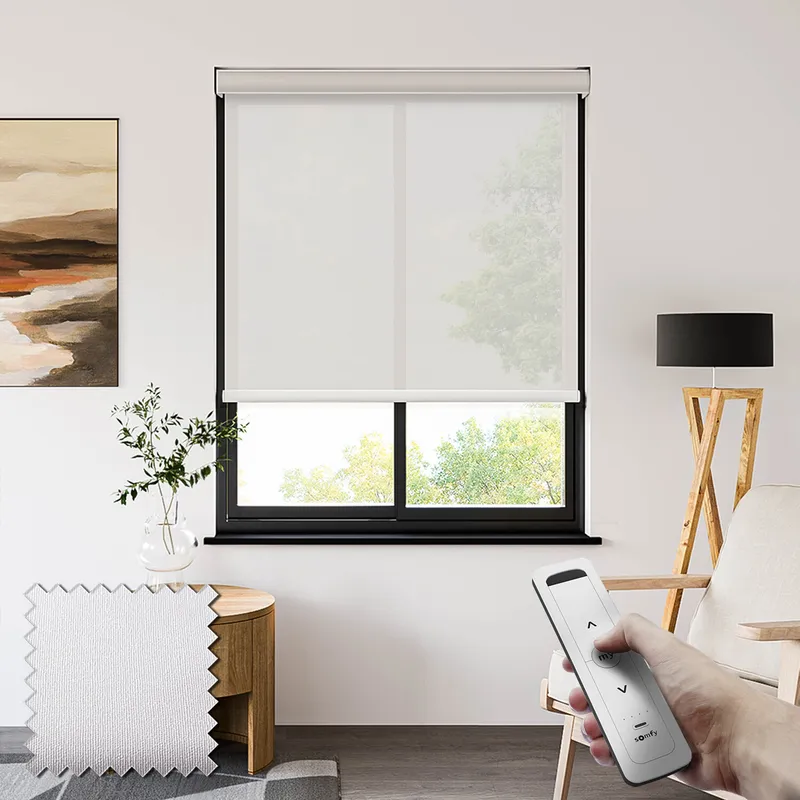
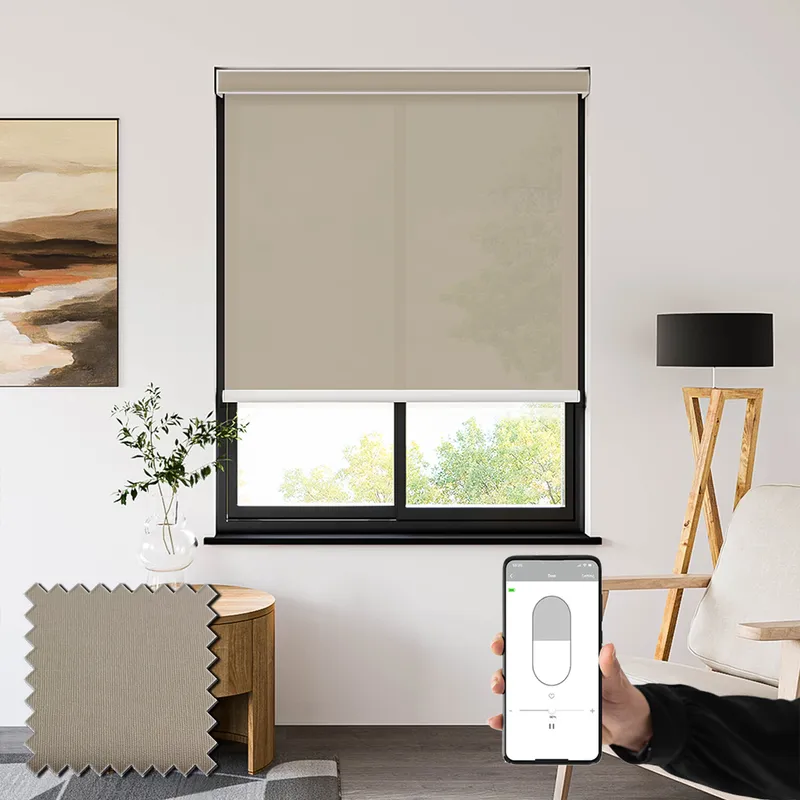
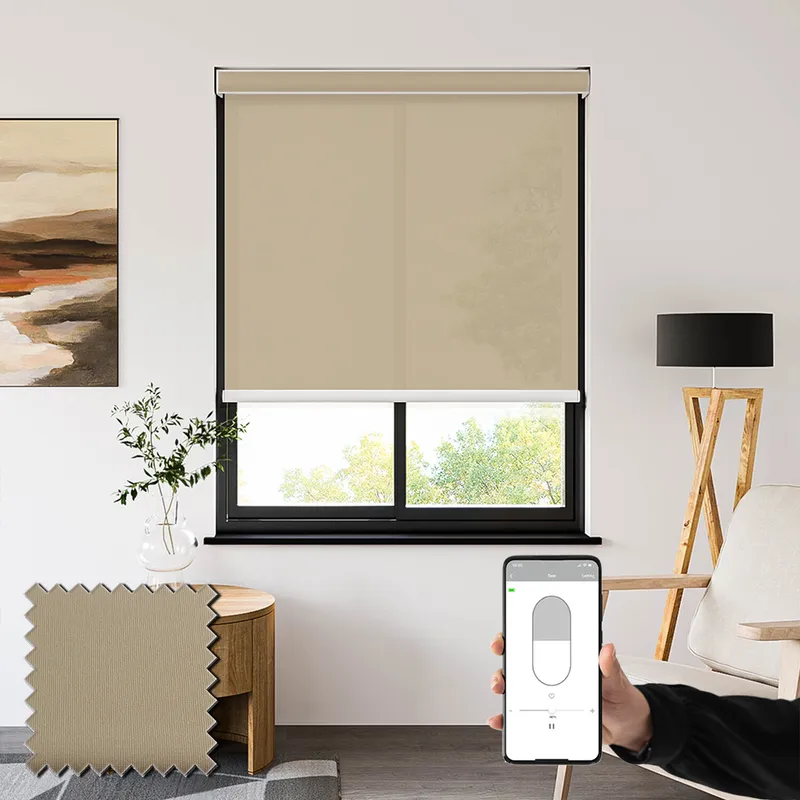
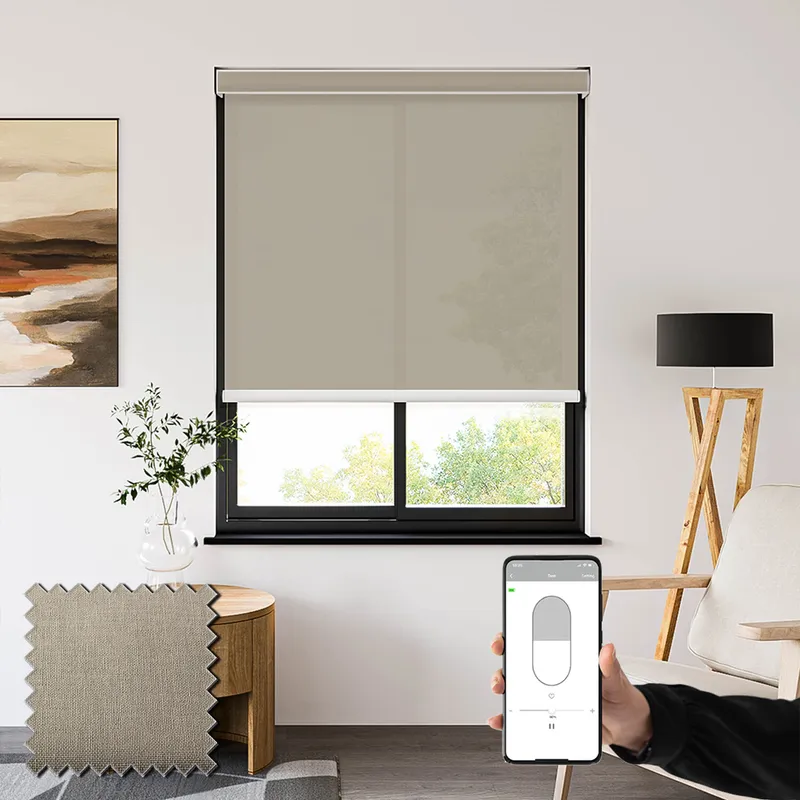
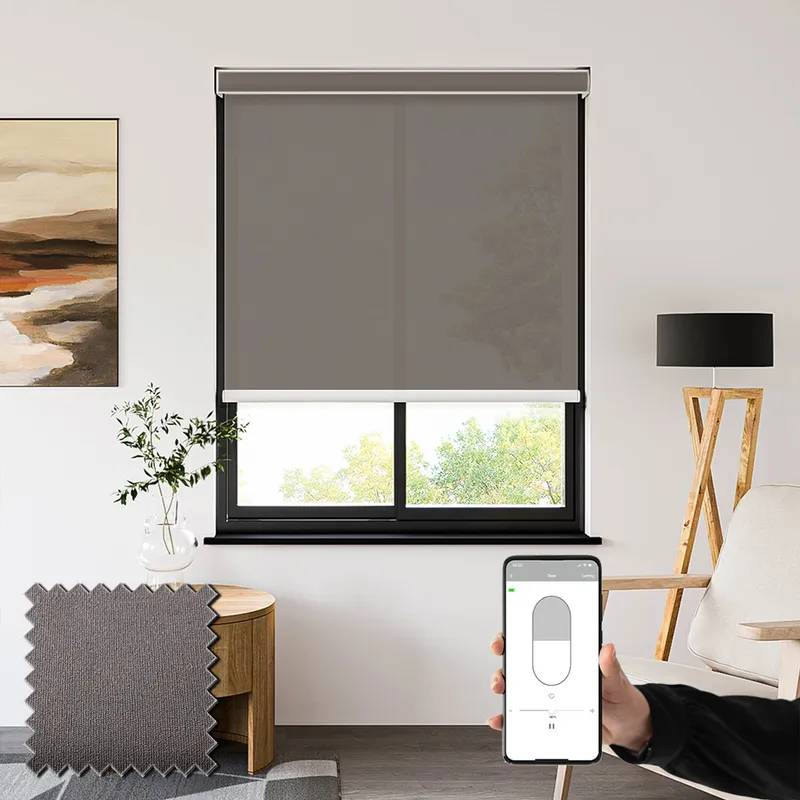
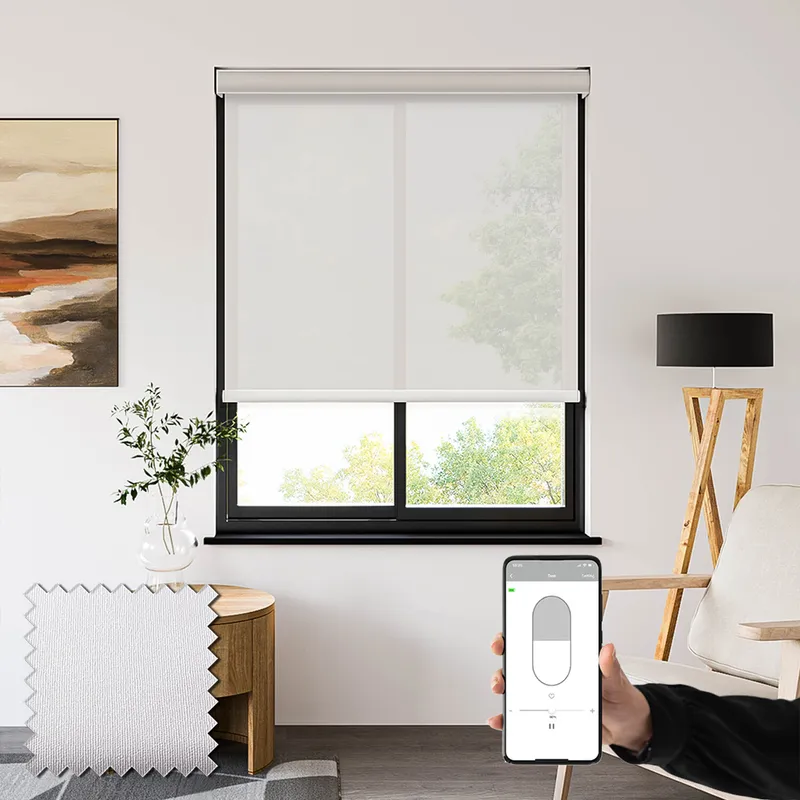
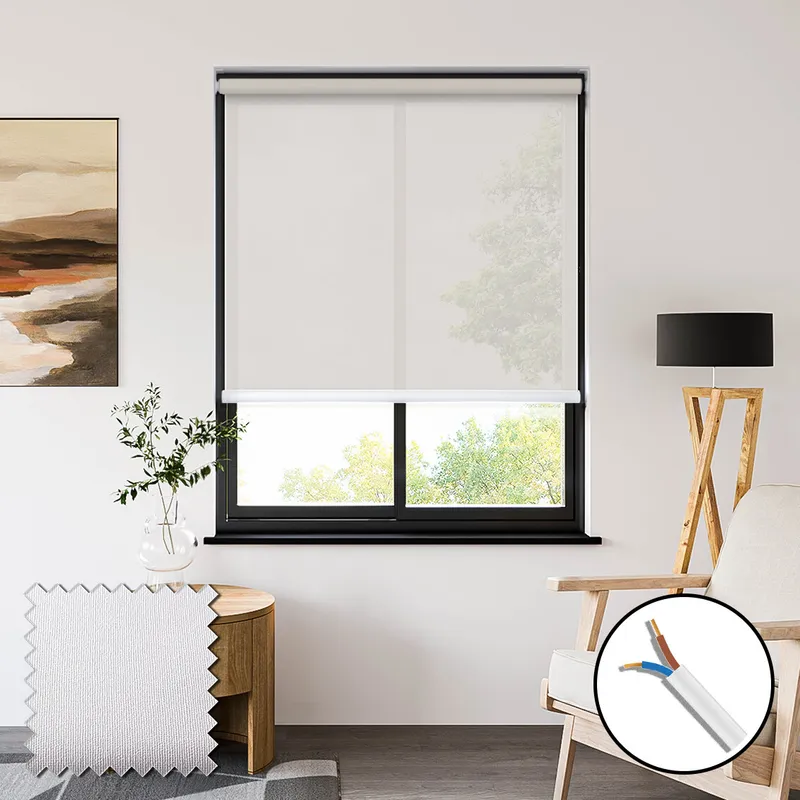
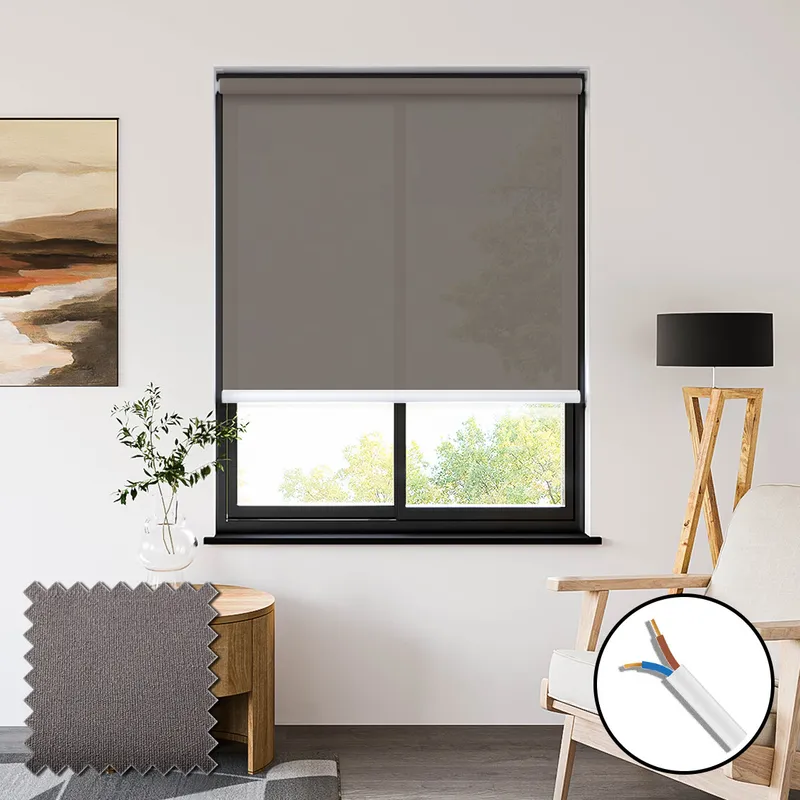
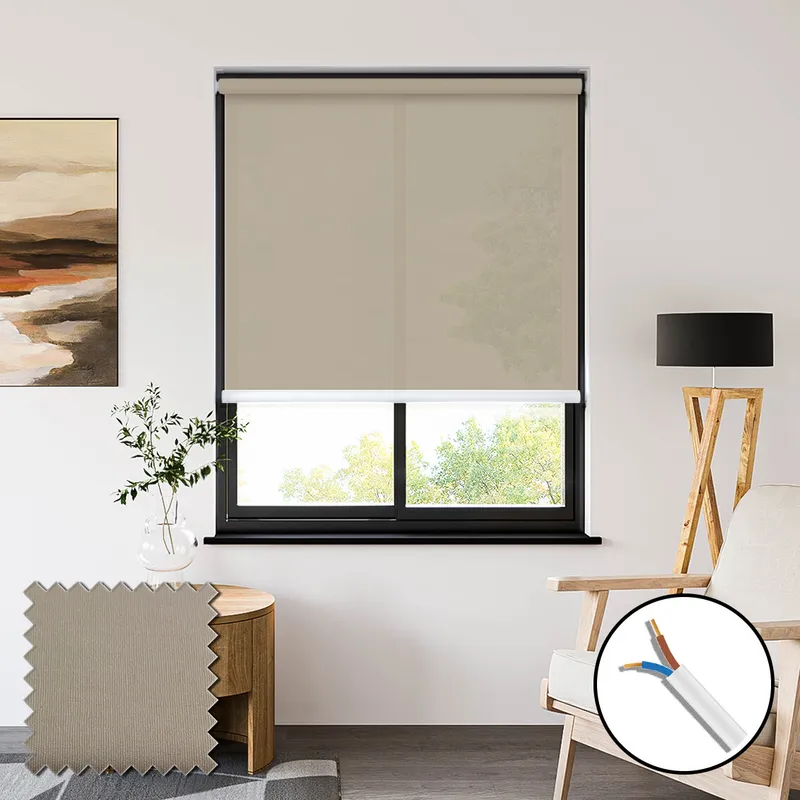
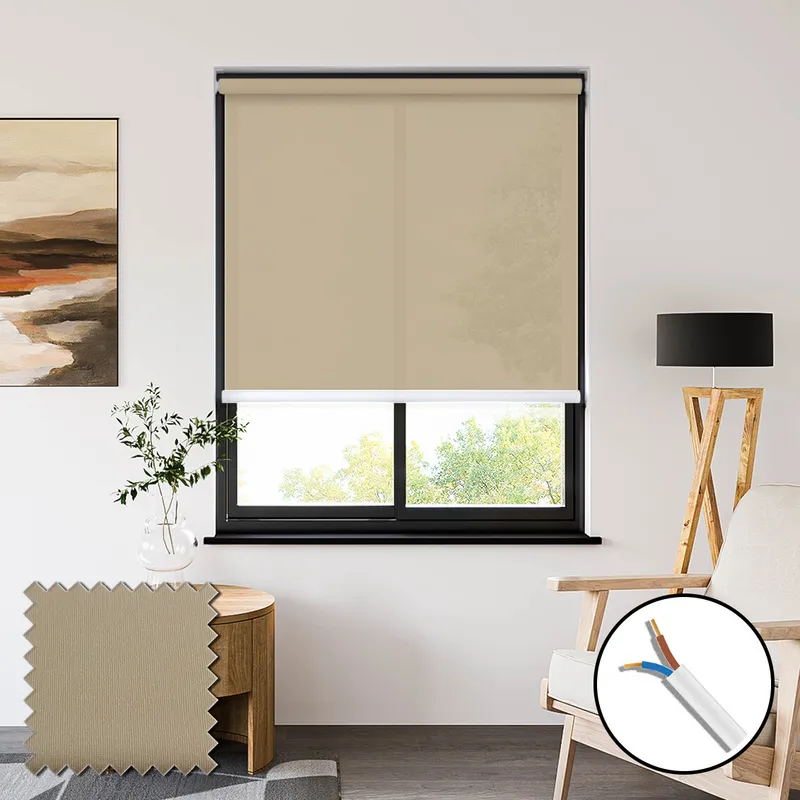
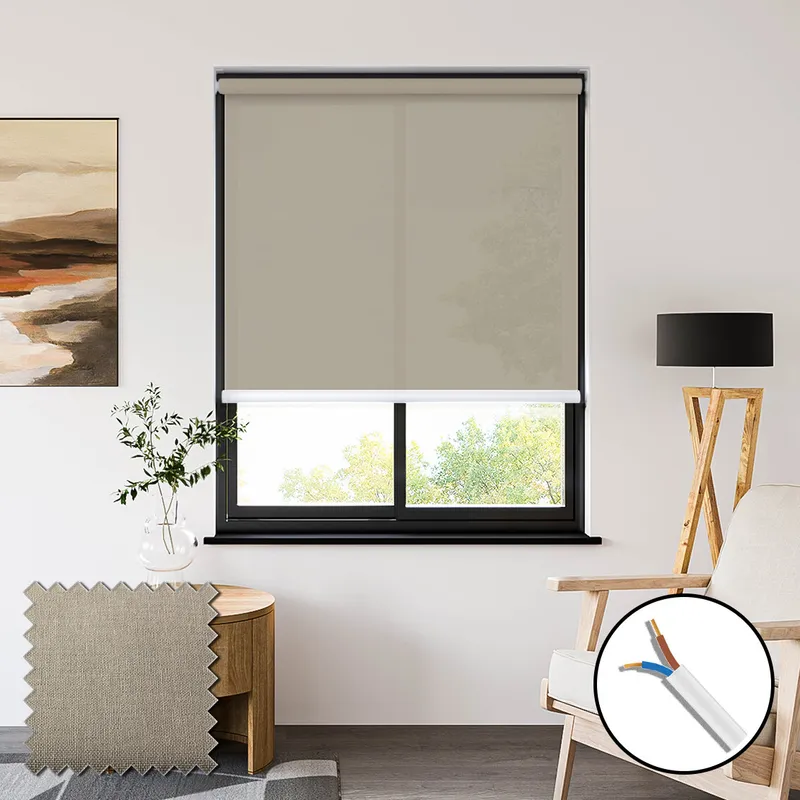

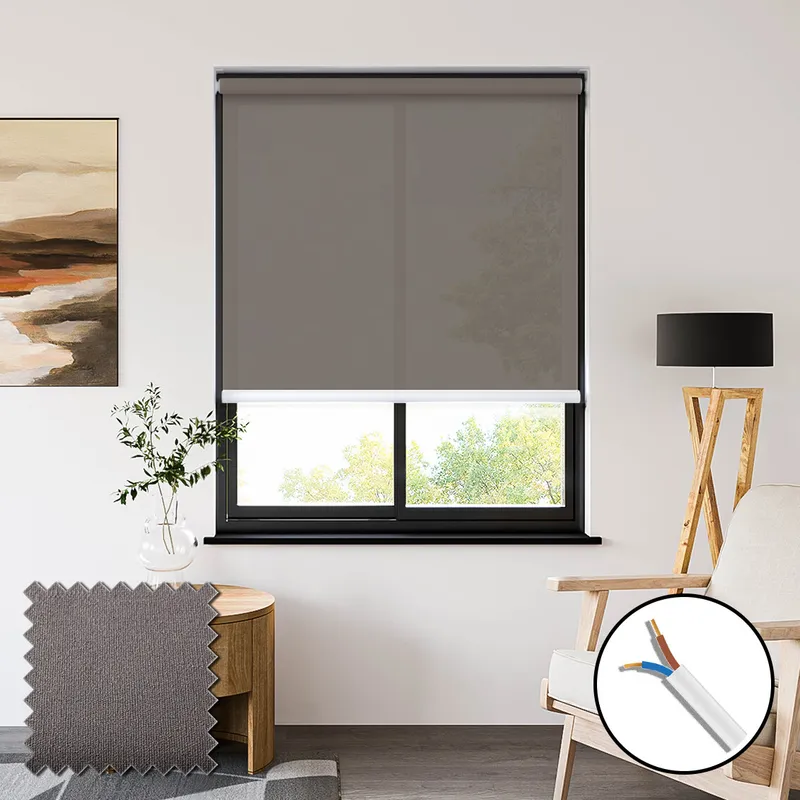
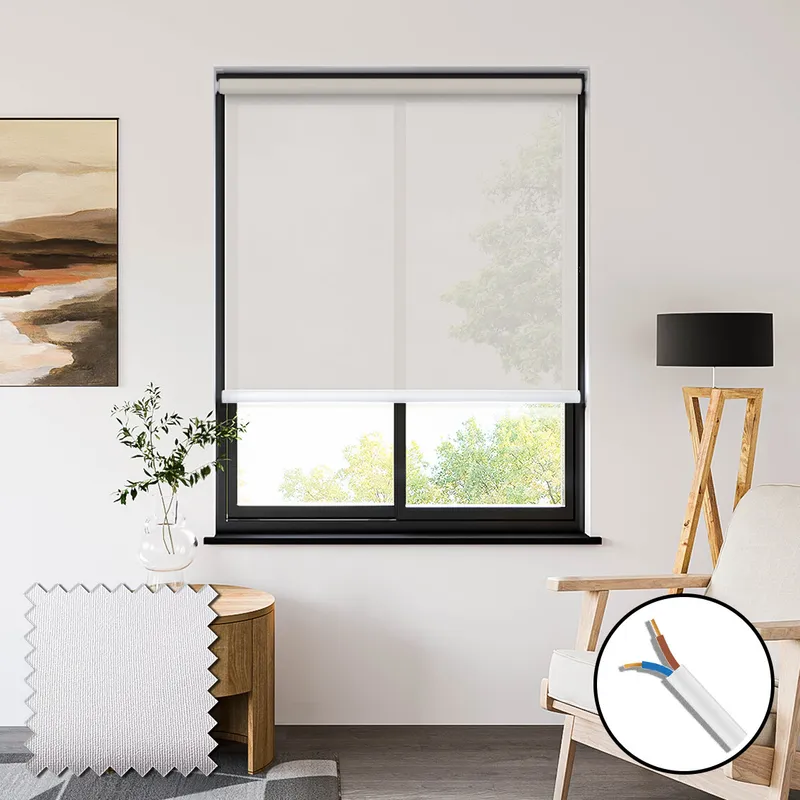
Strip away the make-ups and the card resolves to six real shades: Storm, Beige, Cream, Oyster, Frost White and a Dark Grey that only appears in the mains electric line. It is a deliberately quiet palette - a privacy fabric is bought to defuse a window, not to decorate it - and the names sit in the soft-neutral register the British bay window has worn for decades. Expect small spelling wobbles between make-ups, with Frost White in one listing shortening to Frost in another, and treat the screen as a rumour: order samples, because a cloth whose whole point is how it handles light deserves to be judged in yours.
Price by your dimensions
Enter your window size. We round up to the next standard size, which matches how the retailer actually quotes you.
No price movement in our checks since 4 Jul.
The from-price buys the standard make-up at its smallest size; the perfect fit and electric versions are listed as products in their own right and carry their own arithmetic, with the motor the biggest single step up. Width and drop then do their usual work on the figure. Read the table above at your own measurements, and make sure the quote names the make-up you actually want - the same shade appears in several listings and they are not priced alike.
How it compares
The range is a New Blinds exclusive among the retailers we track, so no price comparison across shops exists; the trade for that is a structure the multi-retailer fabrics rarely match, one cloth running from a plain sidewinder to a Somfy battery motor. The house comparison is the telling one: Sueno, its blackout sibling at the same shop, mirrors the three make-ups exactly and swaps the privacy weave for a coated cloth. Choose between them by job rather than by colour card: Seclusion for daytime screening with the light left on, Sueno for the room that needs to go dark. And if the motor is the whole point rather than a convenience, it is worth reading the electric field widely before settling, because a powered blind is a ten-year relationship with its mechanism.
A note on care
Roller care is happily uneventful: run the vacuum's upholstery head over the lowered cloth every few weeks, blot marks with a barely damp cloth rather than rubbing, and let the fabric dry fully lowered before rolling it away. The perfect fit frames unclip for window cleaning and reseat without tools - check they sit square as you go. The electric versions add a small routine of their own: keep the handset in batteries, charge or replace the blind's battery as the maker directs, and leave anything on the mains side of a 230v blind to an electrician. The motor should move the cloth smoothly end to end; if it starts to labour, square up the fabric roll before blaming the machine.