
The Lissa 3m at New Blinds is a roller you specify by its width. The 3m in the name is the whole pitch: it is cut in widths up to three metres, taking a broad opening in a single panel where most roller ranges give out well short and force a two-blind split. It is sold three ways - as a standard chain-operated roller, as a battery-powered motorised blind, and as a 230v radio-operated mains electric one - so the way it is worked scales with the size of the glass. There are 22 colourways from £40.09, and it is a New Blinds exclusive among the retailers we track.
Who it suits
Wide glass is the brief. Bifold and patio doors, glazed partitions, broad living-room windows and picture windows all run past the width an ordinary made-to-measure roller can manage, and the usual fix - two blinds side by side - leaves a light gap down the join and a pair of chains to juggle. A roller cut to three metres covers the span in one clean panel instead, and our wide windows guide sets out why a single blind beats a split on both looks and light control. The powered make-ups earn their keep at exactly these sizes. A very wide roller is heavy and awkward to drive by hand, so the battery motor and the 230v mains version both swap the chain for a handset - worth having on any blind that is wide, mounted high, or worked several times a day, and safer in a home with young children, where a dangling cord is a hazard. The battery version retrofits without an electrician; the mains 230v version suits a planned wiring job. One thing to confirm before ordering for a bedroom: this is a standard-opacity roller cloth, so it filters light and gives privacy rather than blacking a room out.
The colours
22 colours available

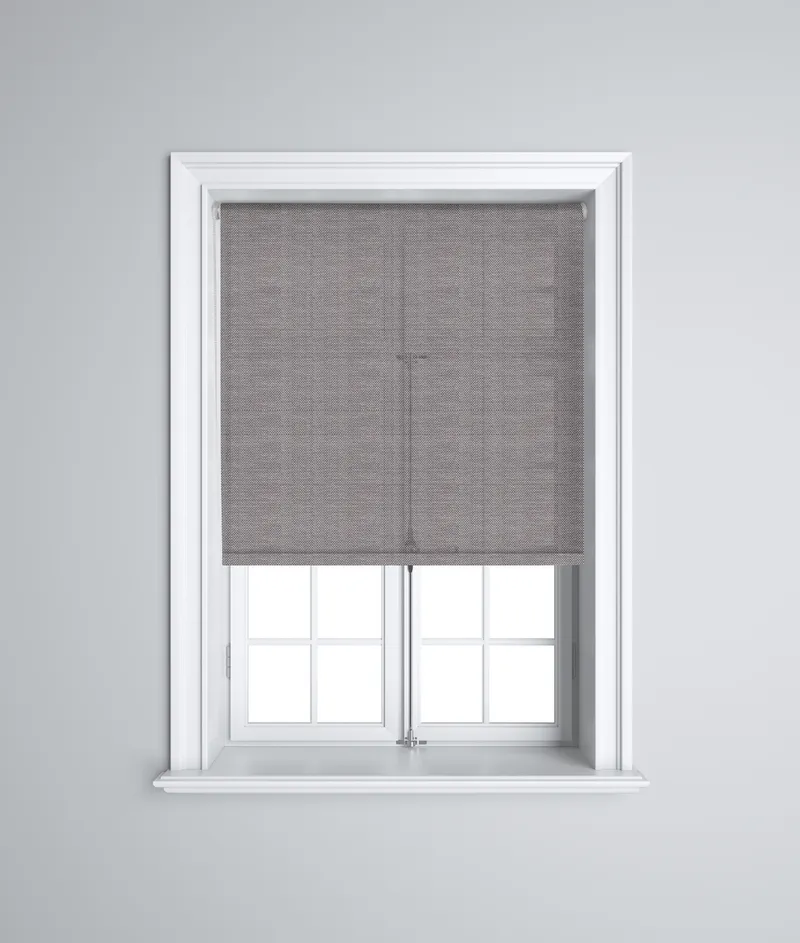

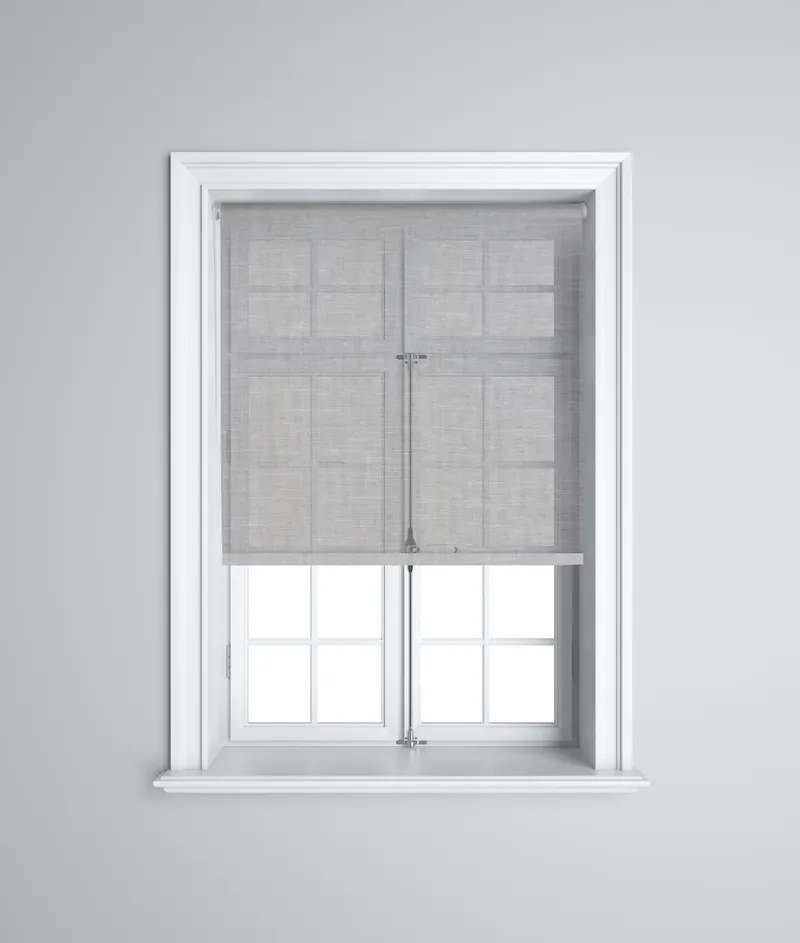

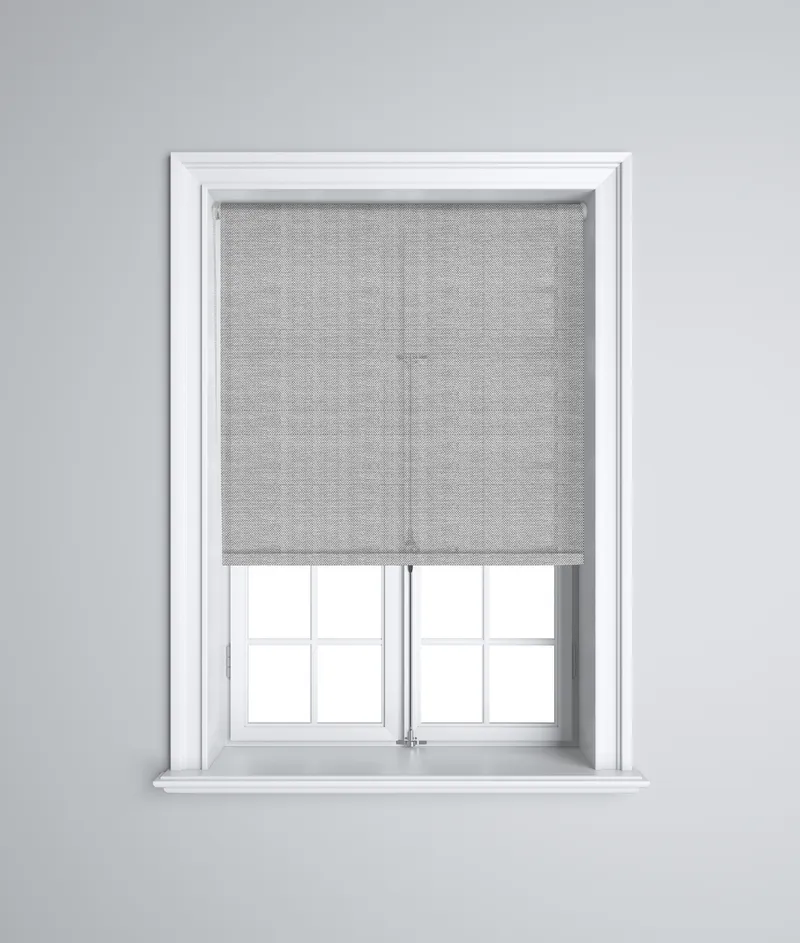
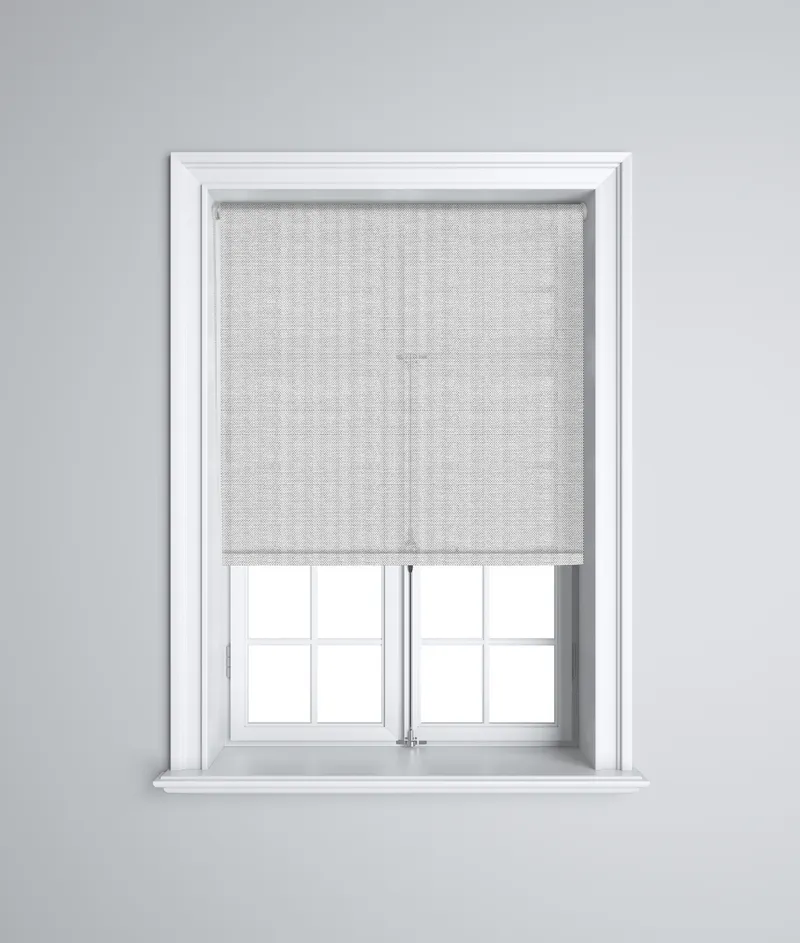
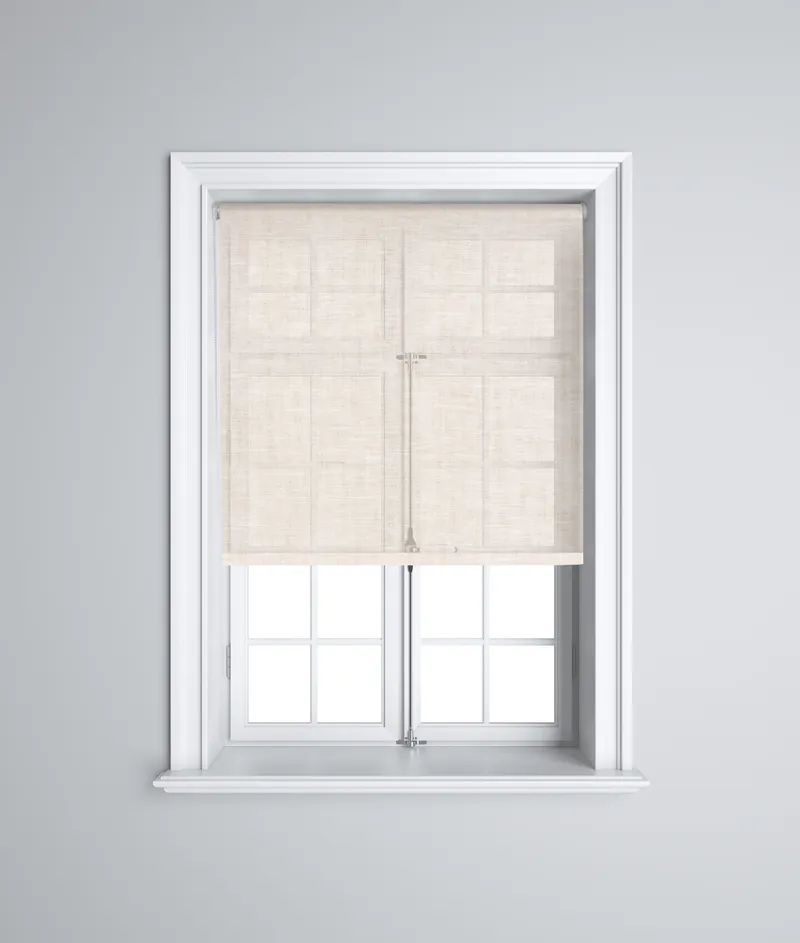
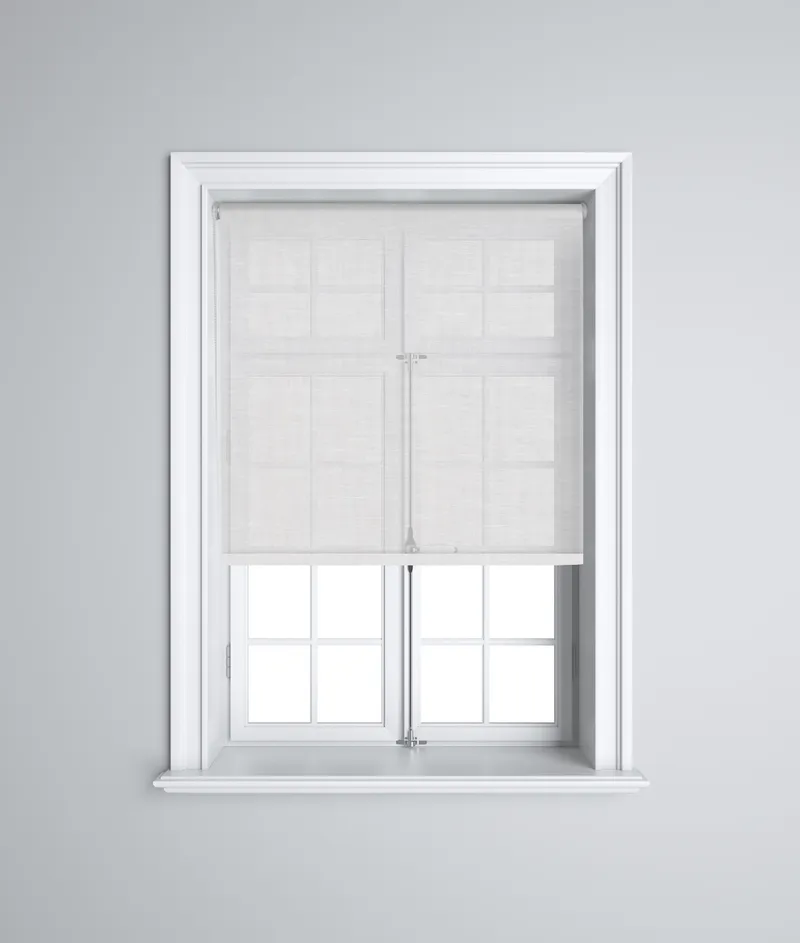
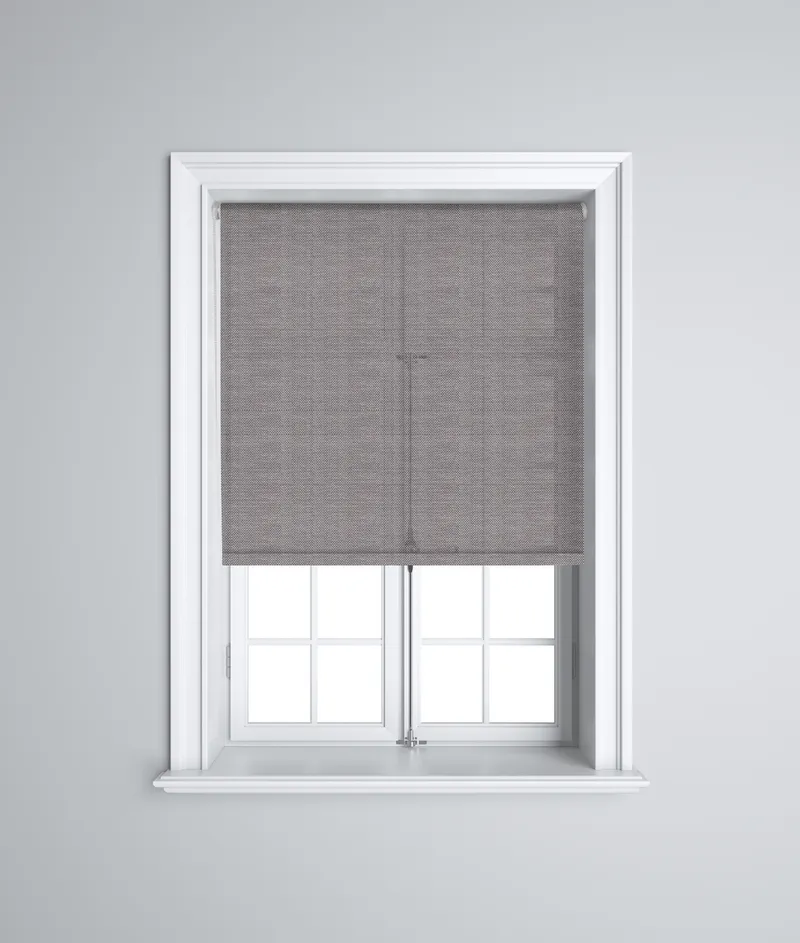
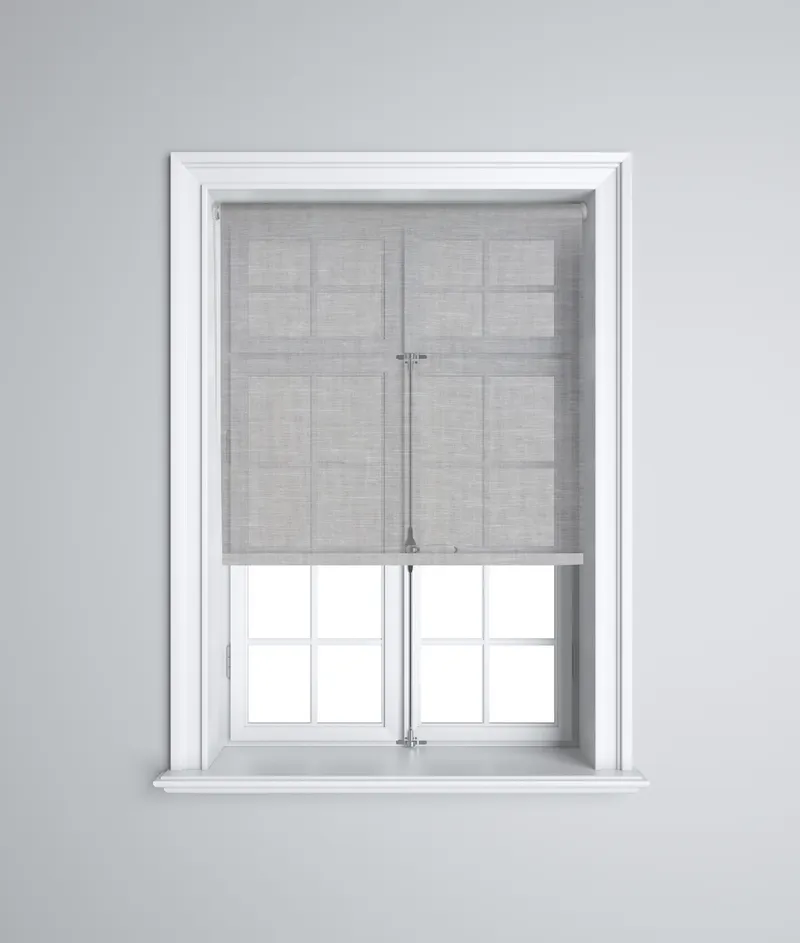
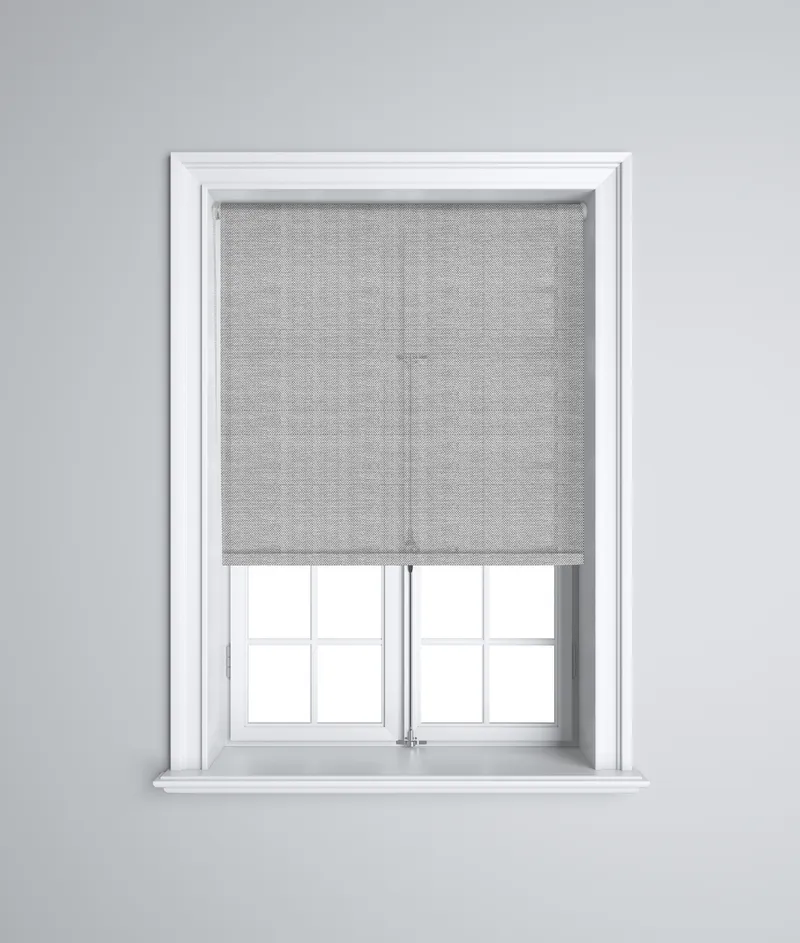
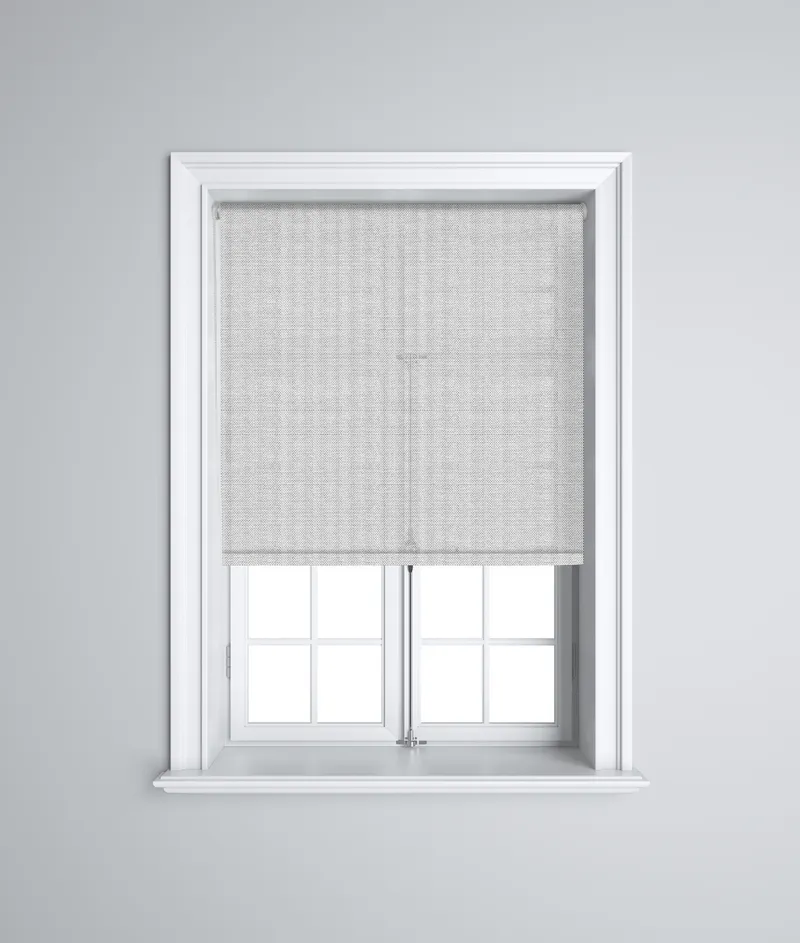
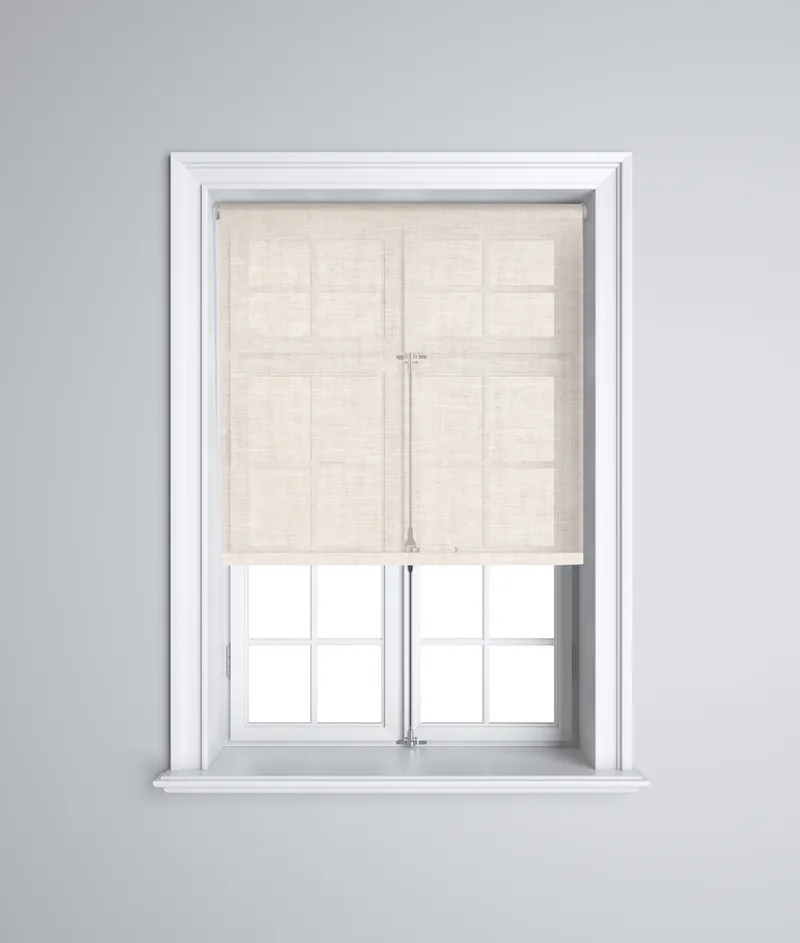
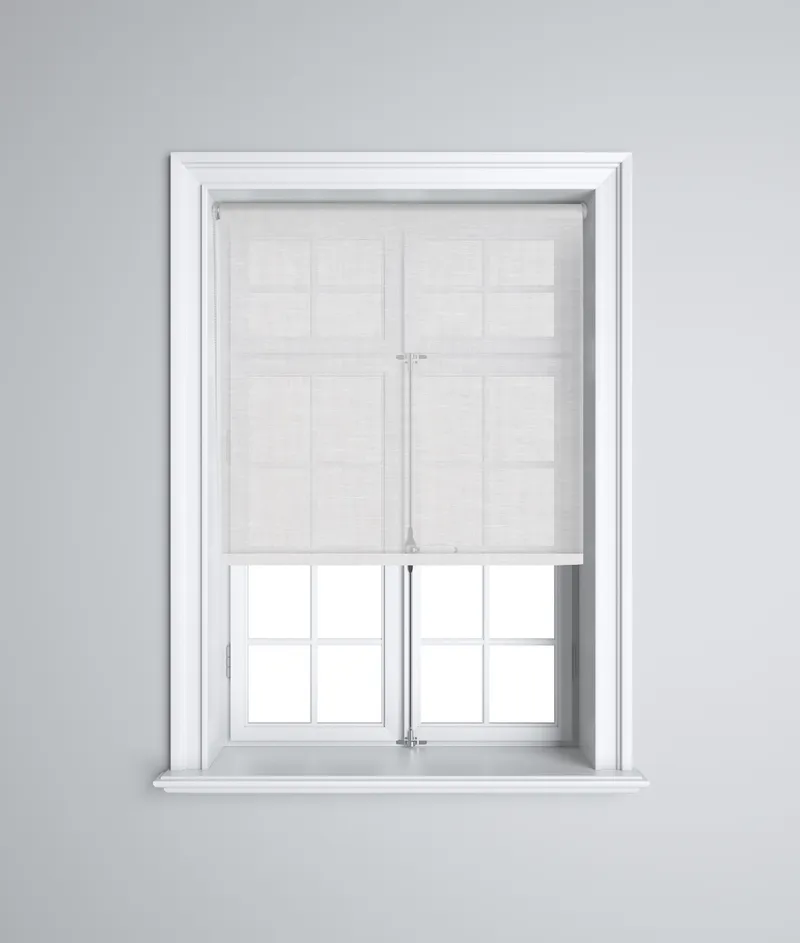
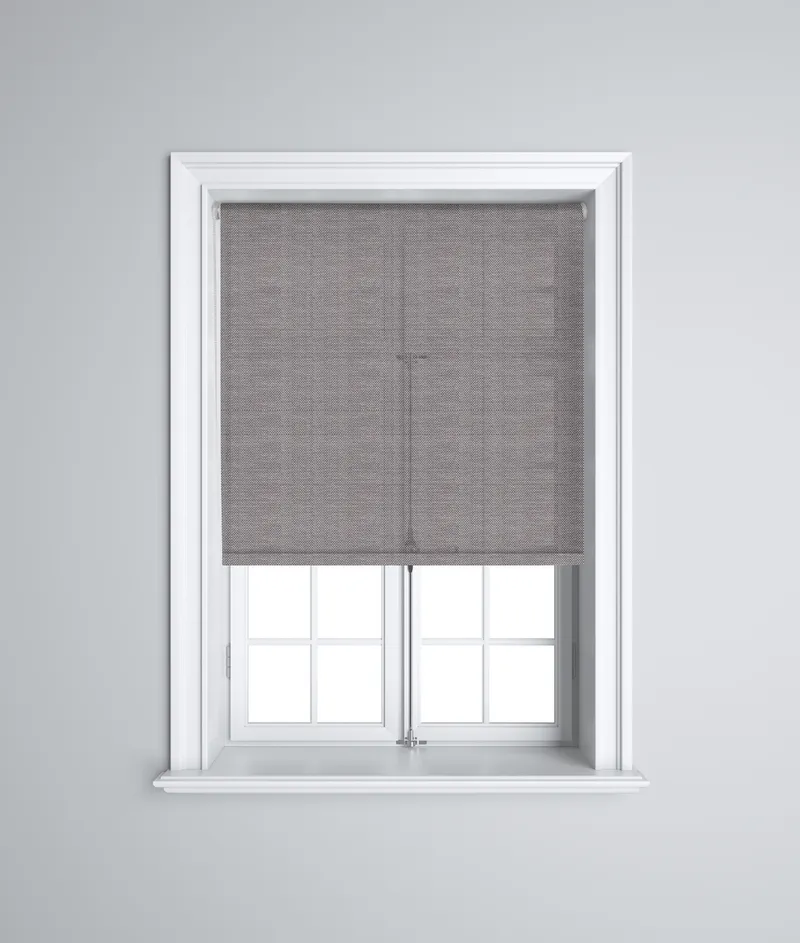
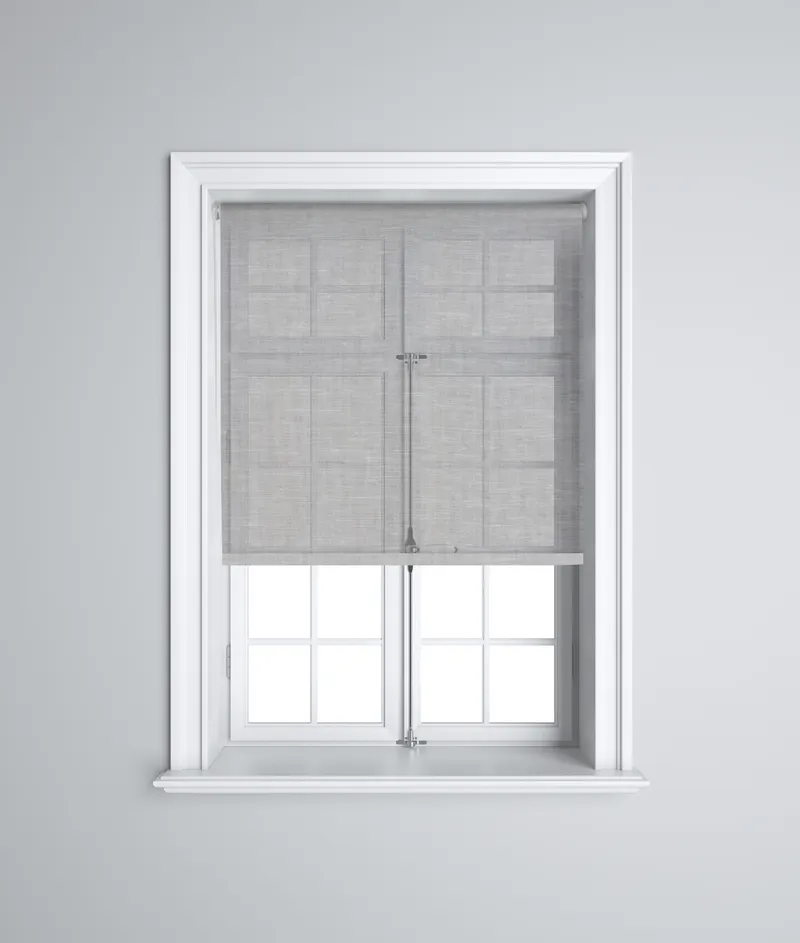
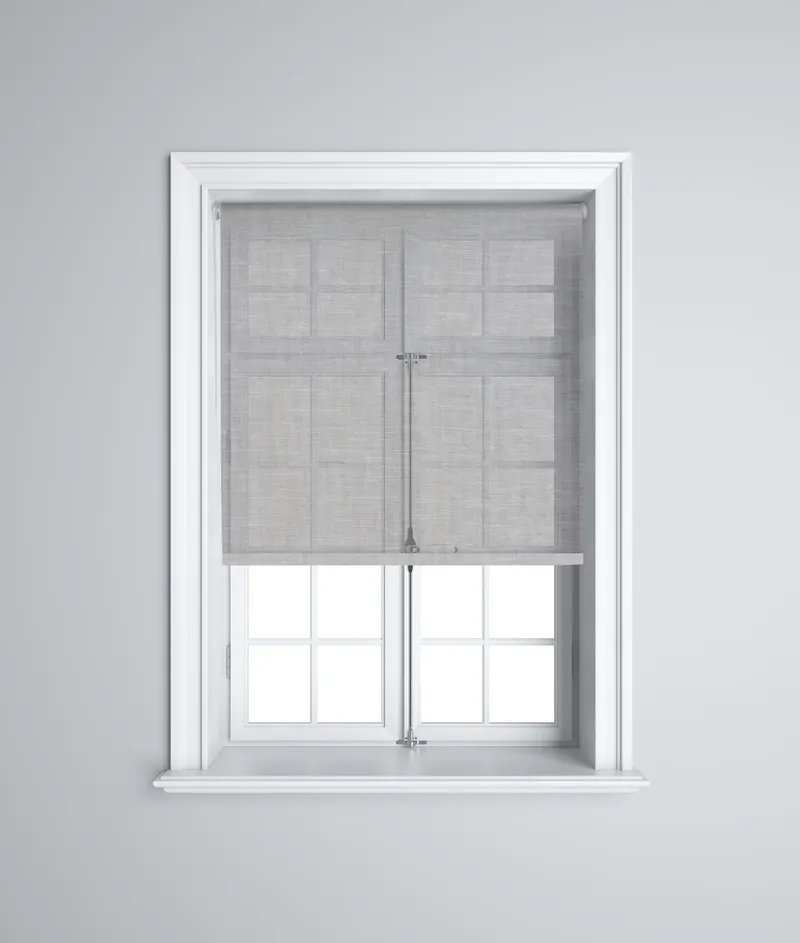
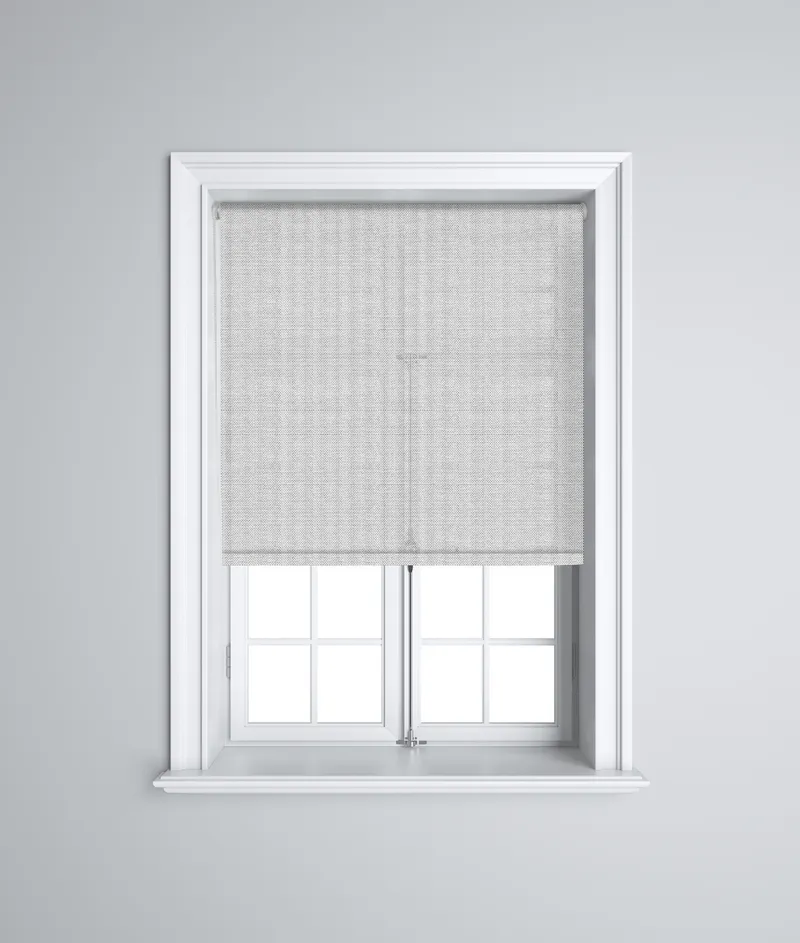
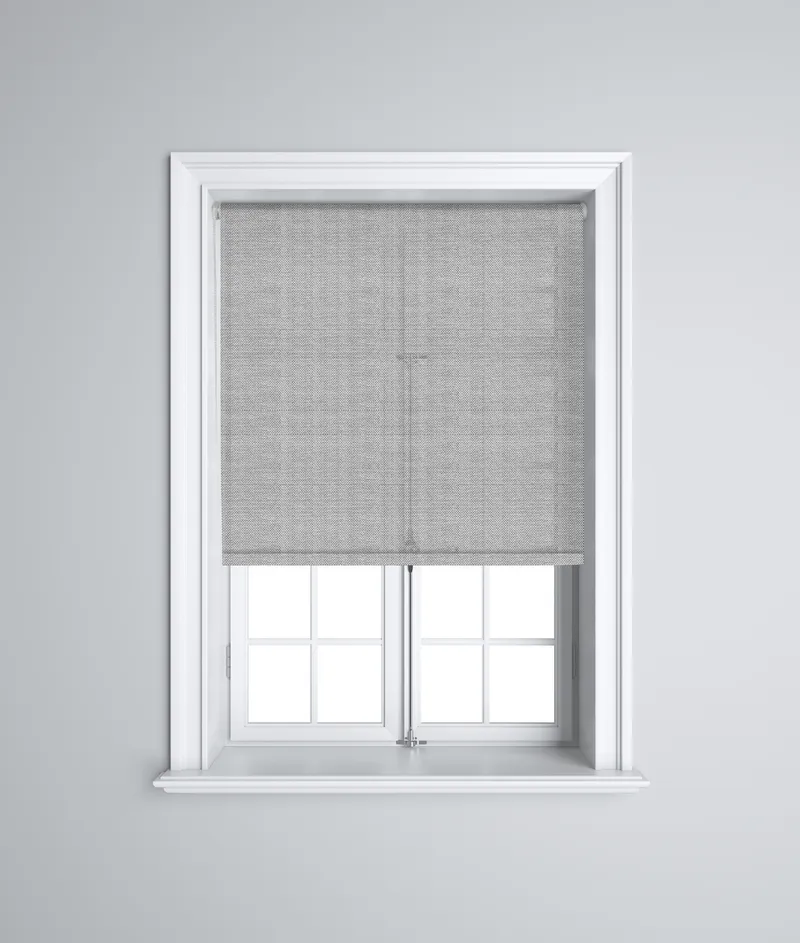
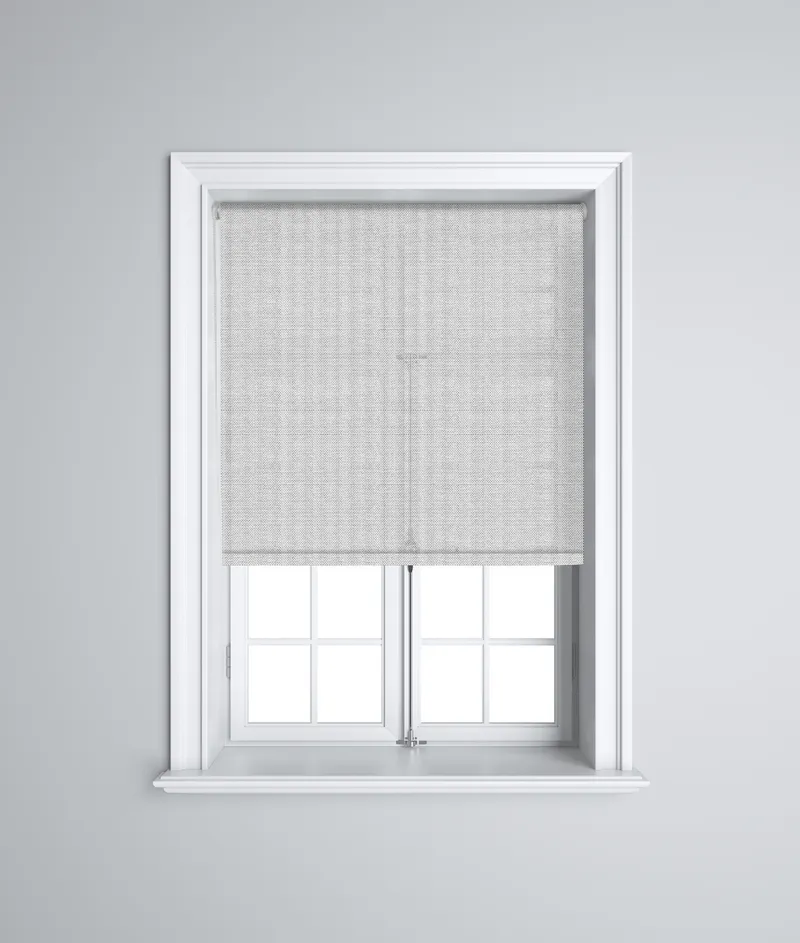
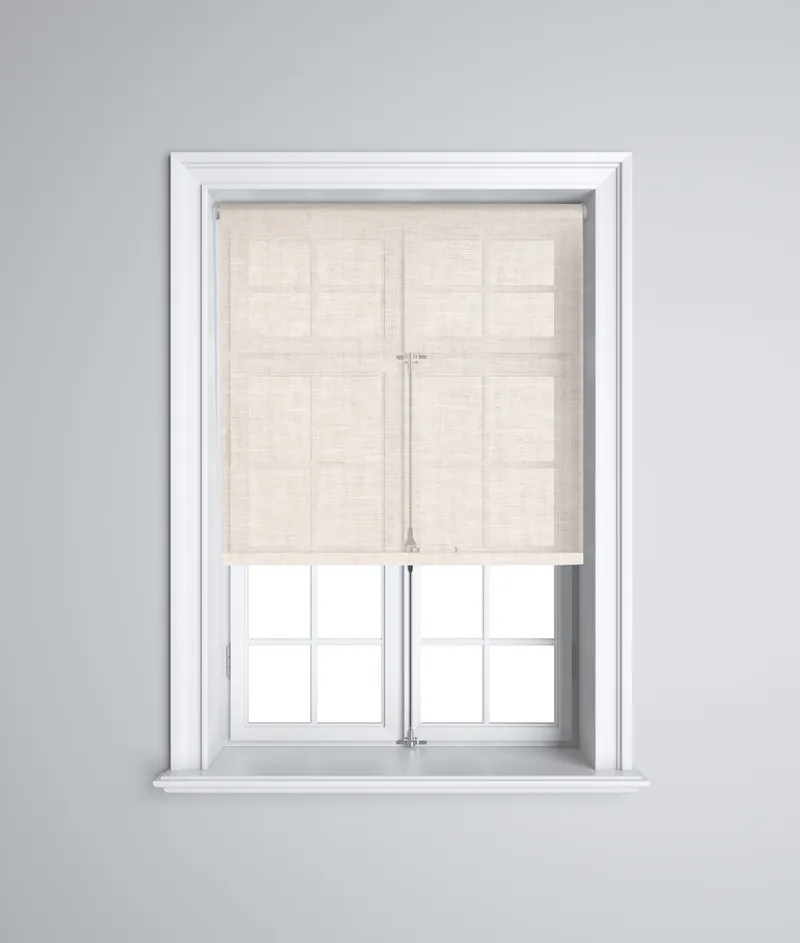
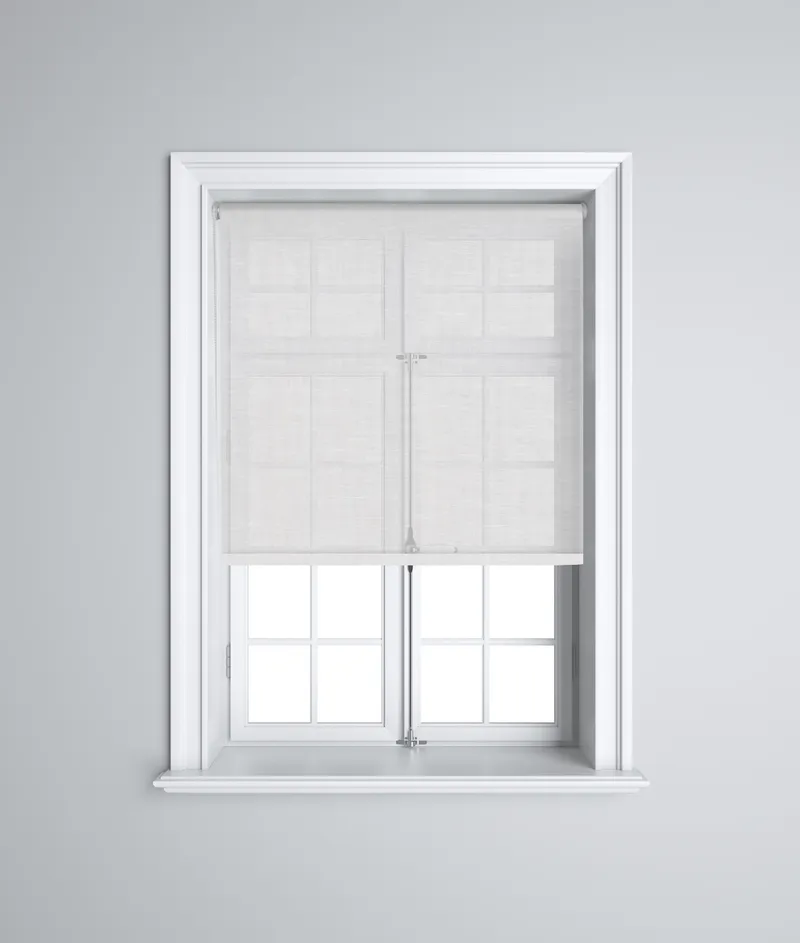
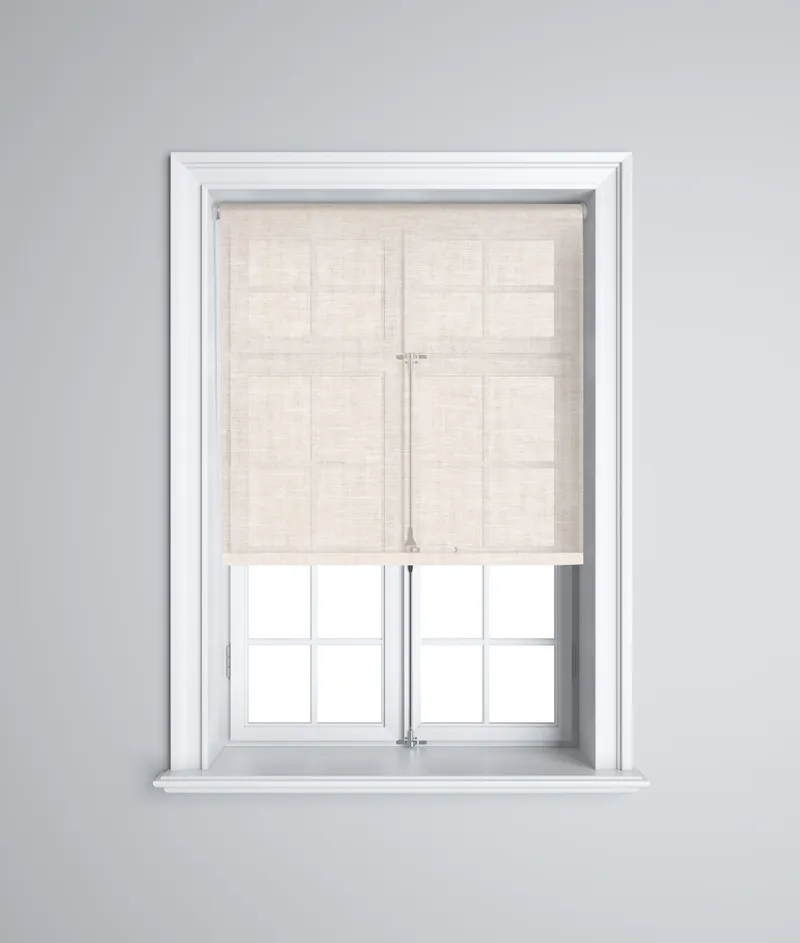
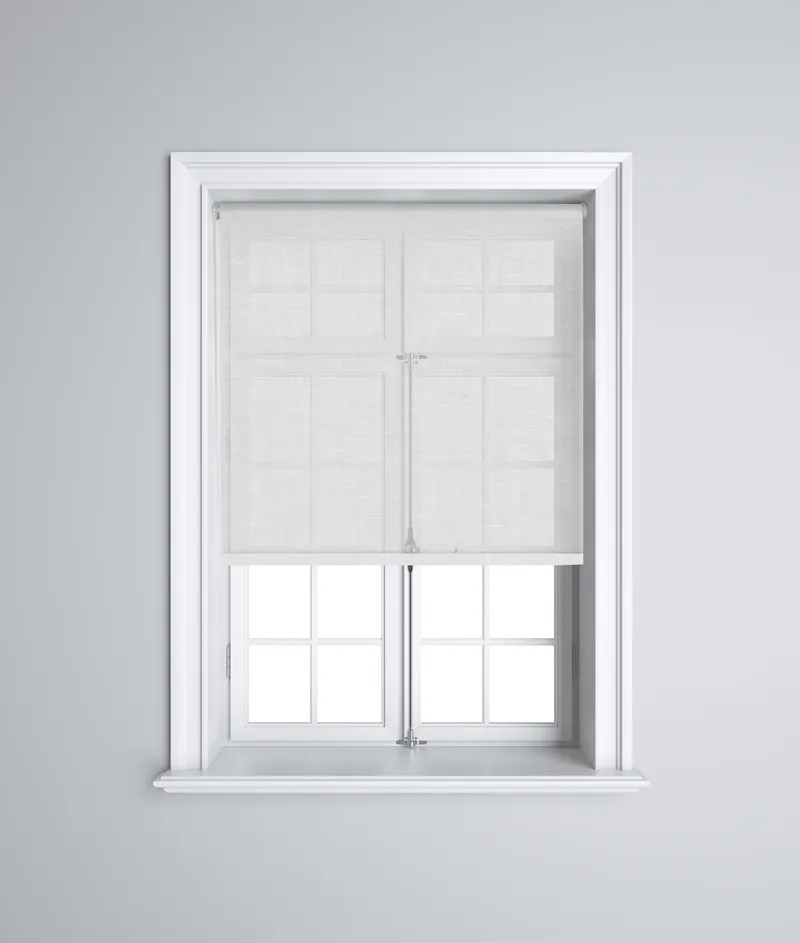
The palette is as businesslike as the format, a set of plains and near-plains chosen to sit quietly behind a large expanse of glass rather than to draw the eye. The straight neutrals run Black, Dark Grey and Light Grey, the greyscale spine that suits most modern rooms, while the Yuri series adds a subtle two-tone weave in Yuri White Black and Yuri White Brown, a white ground shot through with a darker thread for a little texture at close range. On a panel that might be three metres across, colour choice matters more than on a small window, because a large flat area shows a shade at full strength and reads it back at you all day. A screen flattens exactly that effect, so order samples and stand them where the blind will actually hang before you commit to a width this size.
Price by your dimensions
Enter your window size. We round up to the next standard size, which matches how the retailer actually quotes you.
No price movement in our checks since 4 Jul.
The from-price belongs to the smallest blind the range is cut at, which rather understates a fabric sold on its width - the figures that matter here sit towards the wide end of the table, and each powered version is its own calculation again, the motor being the largest single step up. Put the opening you actually have against the table above, decide between hand, battery and mains operation first, and price the real width and drop rather than the starting figure, because on a blind this size the gap between the two is considerable.
How it compares
There is no price-shopping to be done: Lissa 3m is a New Blinds exclusive among the retailers we track, so no rival shop cuts the same cloth to check it against. As ever that cuts both ways - nothing to haggle over, but a three-metre width with a choice of battery and mains motors is an uncommon thing to find in one range. The comparison that helps is with the job's alternatives. Its closest relative lives in the same shop: Darktex FR 3m is the fire-retardant wide-span roller, the pick where a fit-out specification demands a fire rating rather than just a broad panel, while Lissa is the plainer domestic choice for a wide window that simply needs covering well. Against the two-blind split most shops fall back on for wide glass, Lissa trades a slightly heavier single mechanism for an unbroken panel and one control; against a bank of vertical louvres, it gives a cleaner, flatter face at the cost of the louvre's tilt.
A note on care
A wide roller lives or dies by winding true, so the mechanical habit matters more than the wiping. Let the fabric roll evenly and square the roll up promptly if it starts creeping towards one end, because a broad panel that winds off centre will crease along its edge and track badly. For the cloth itself, dust with a soft brush or the vacuum's upholstery head, lift marks with a barely damp cloth, and keep solvents and hard scrubbing away. Run the blind fully down every so often to relax the roll. The powered versions want little beyond sensible use: keep fresh batteries in the handset, charge the blind's own battery on the maker's schedule, and leave anything on the mains side of a 230v blind to an electrician rather than a confident amateur.