
A double roller puts two blinds on one bracket: a sheer layer for the daytime, and a solid front fabric for the hours when you want the room shaded. Each rolls independently, so you can run the sheer alone for softened light and privacy, drop the front layer in the evening, or use the pair together. Roller Blinds Direct's Double Roller line is that format in 50 colourways from £15.27, and the naming spells out the construction - every entry reads as a colour followed by White, because each pairs its front fabric with a white sheer behind it. If the format itself is the open question, our double roller guide walks through it; this page is about what Roller Blinds Direct's version offers.
Who it suits
The double roller earns its keep in rooms that live two lives. A street-facing living room wants privacy without gloom by day and proper cover by night; a bedroom wants soft light in the morning and darkness at bedtime. One bracket answers both briefs, where the traditional alternative is a voile curtain layered over a blind - a build that eats window depth and never rolls away. The double roller keeps the whole arrangement slim, and either layer can disappear entirely when you want the glass bare.
Two caveats before assigning rooms. The fitting is standard - drilled fixings - so this is not the range for a no-drill brief. And on darkness, let the listing be your guide: if the room must go properly dark for sleep, confirm the solid layer of your chosen colourway is blackout rather than dimout before ordering.
The colours
50 colours available

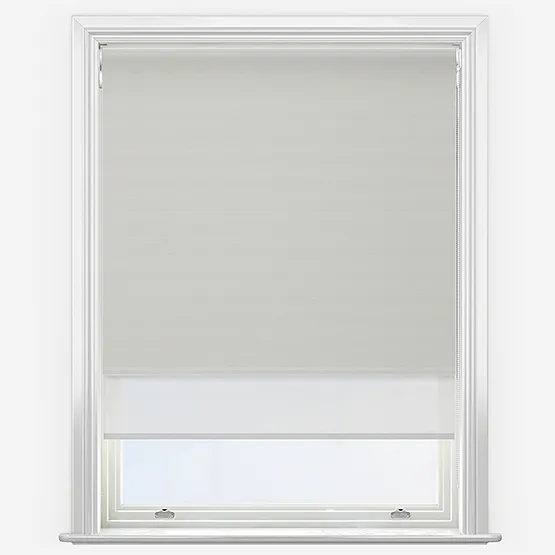
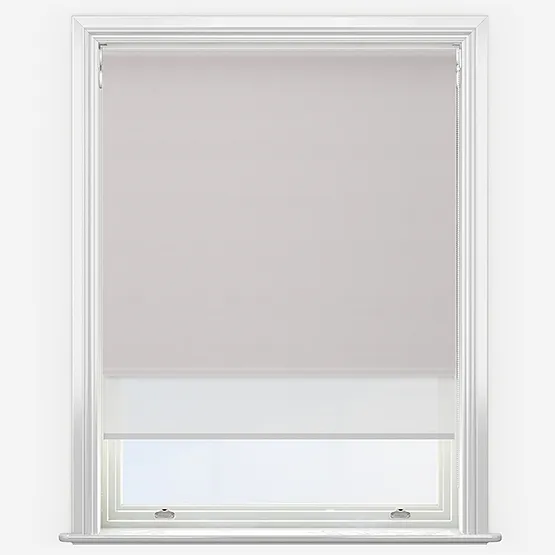
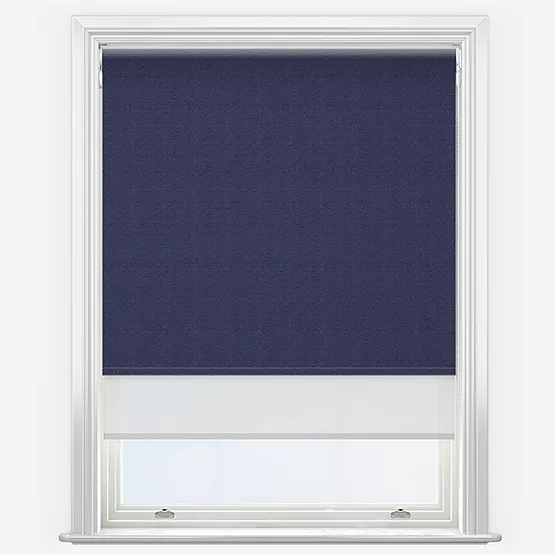
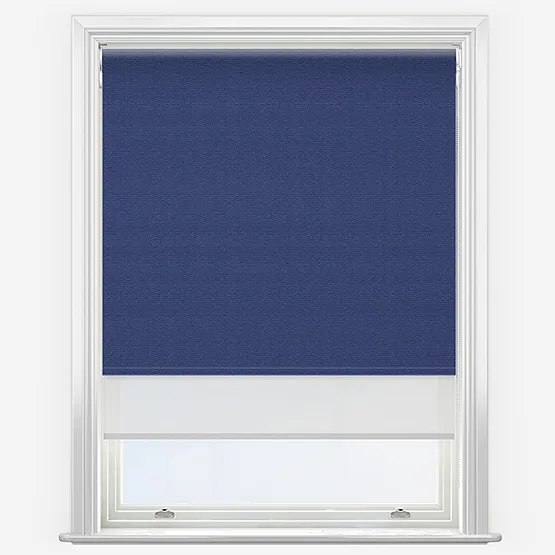
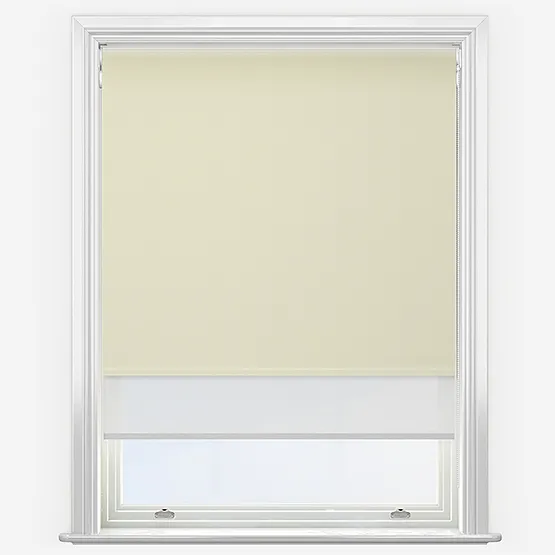
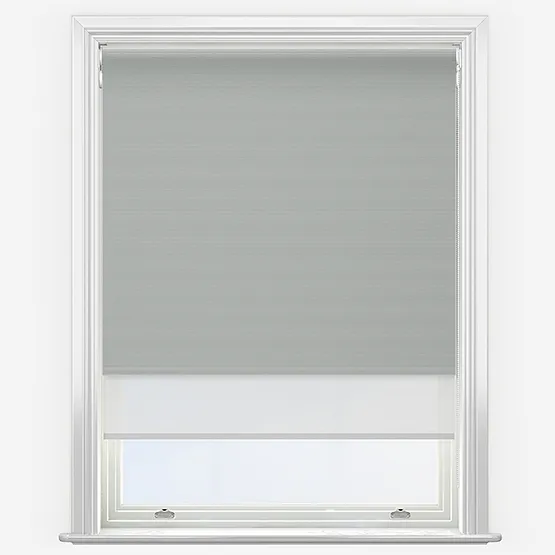
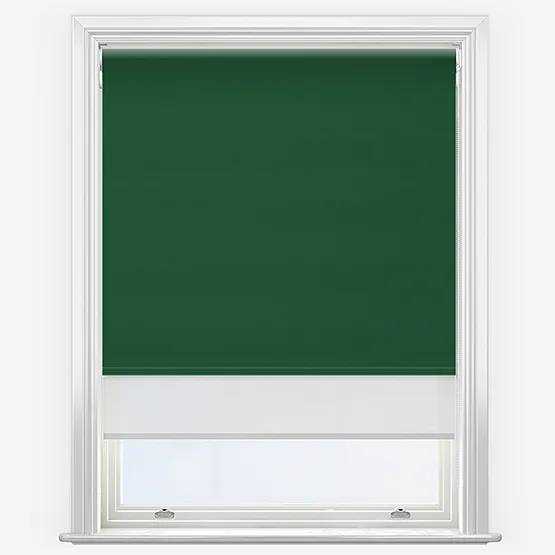
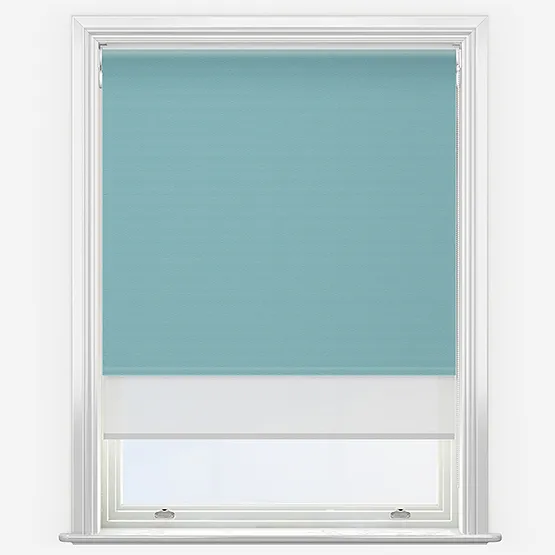
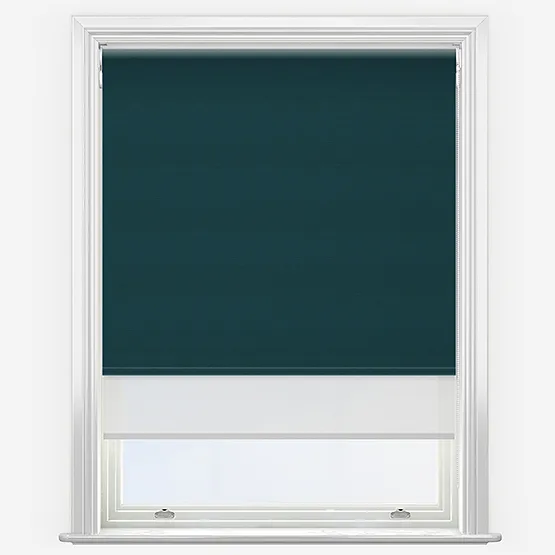
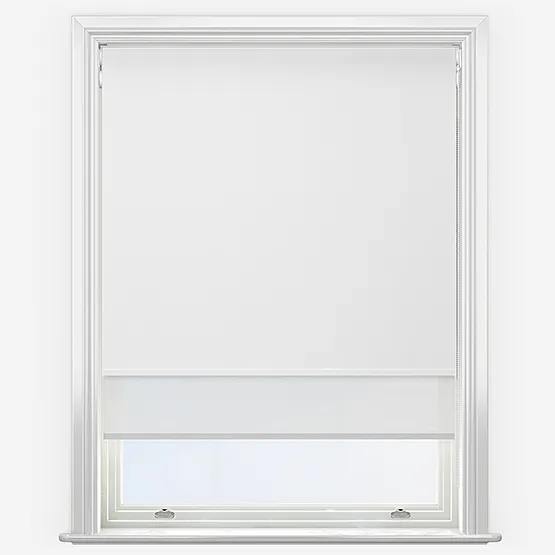
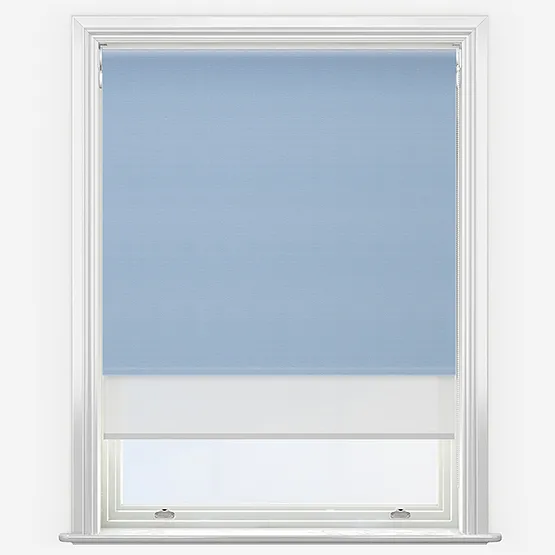
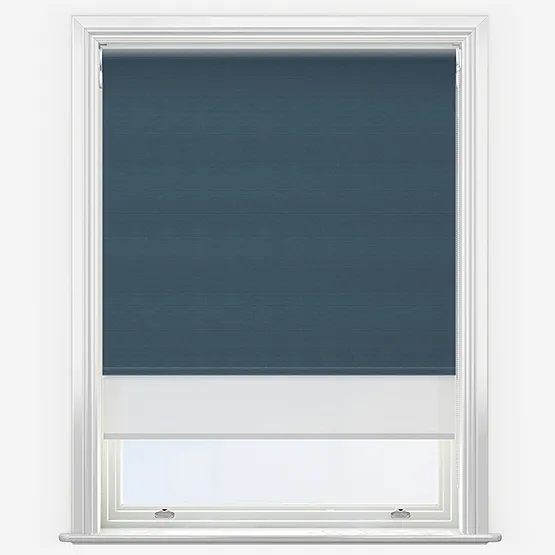
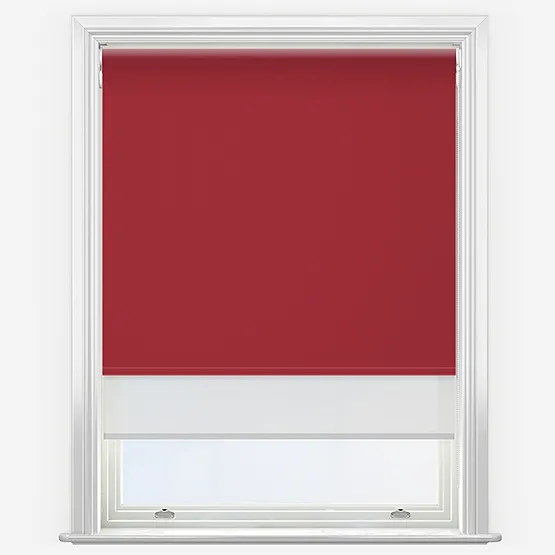
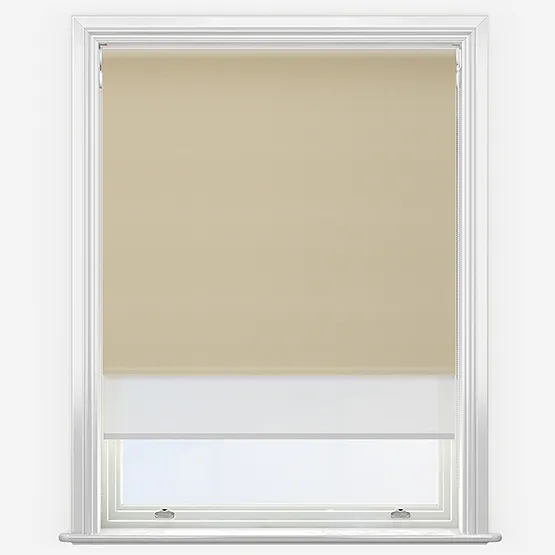
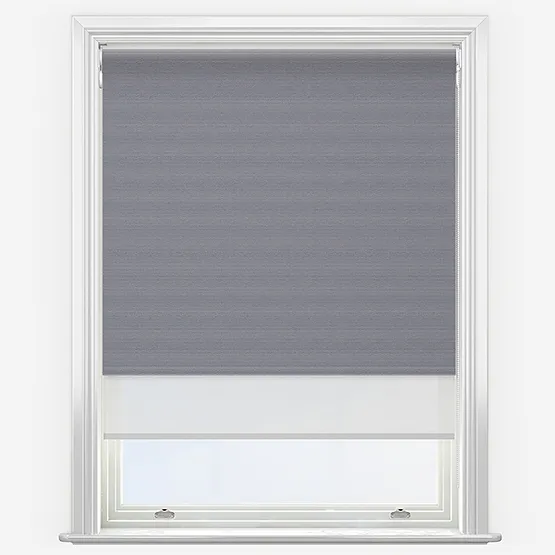
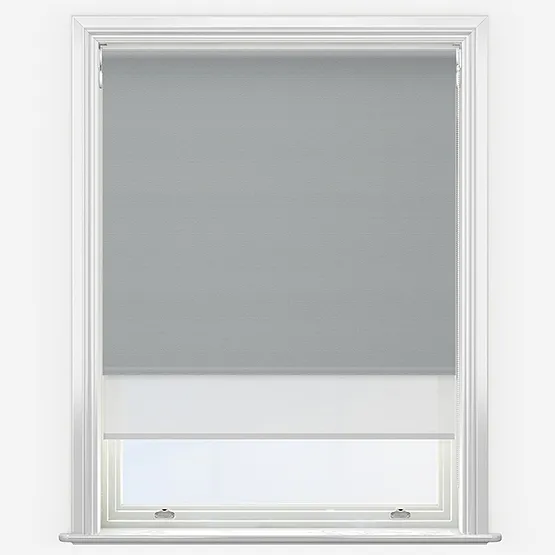
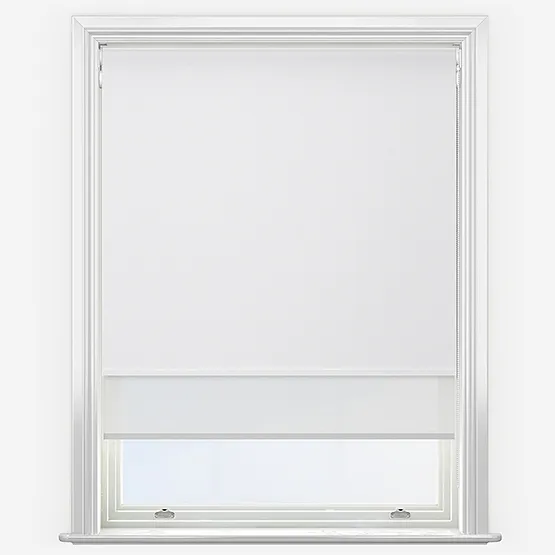

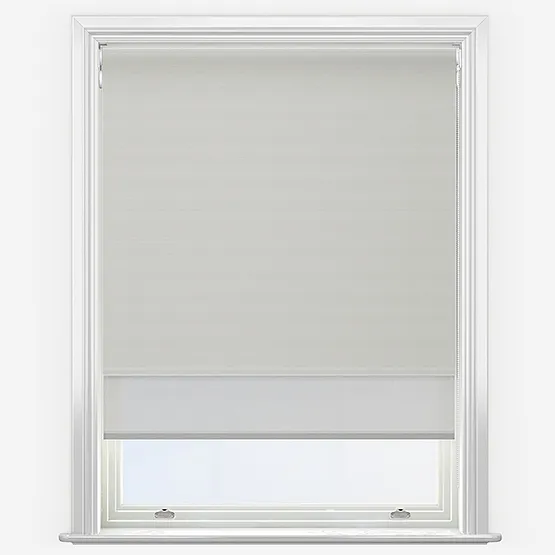

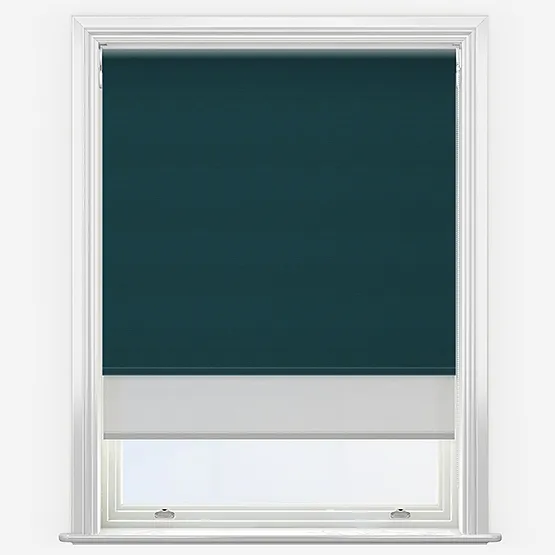

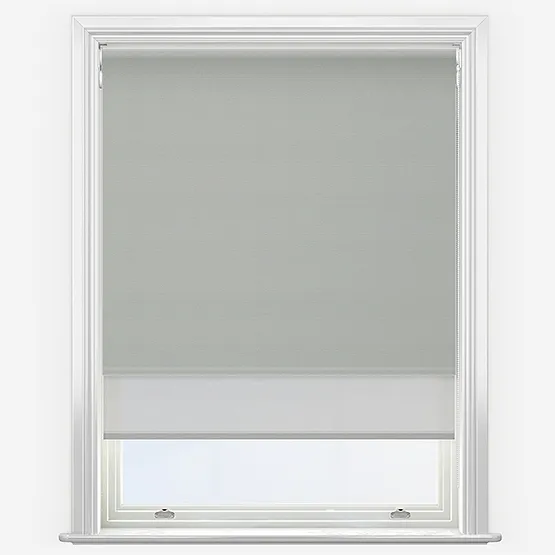
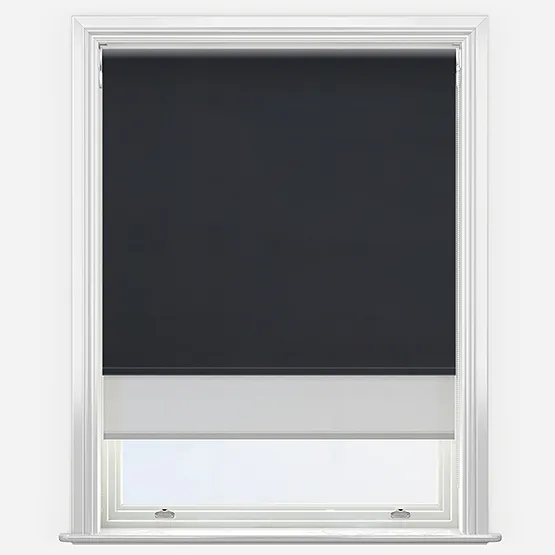
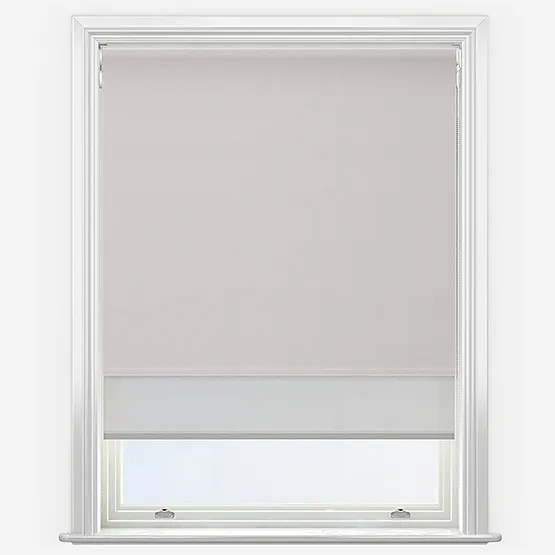
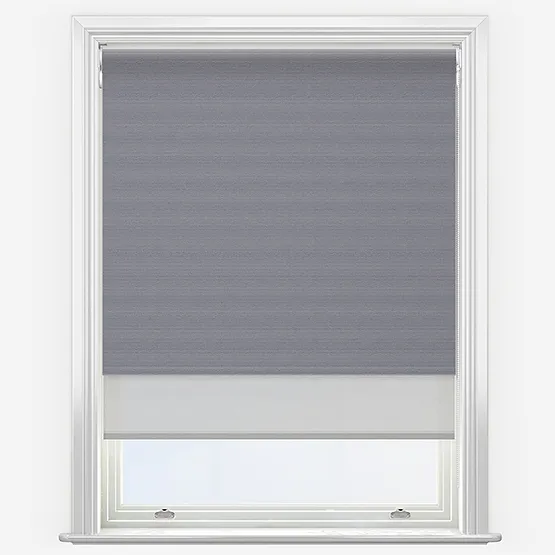

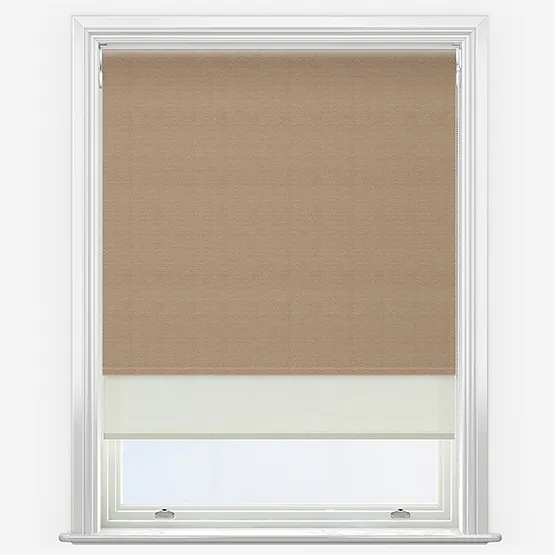
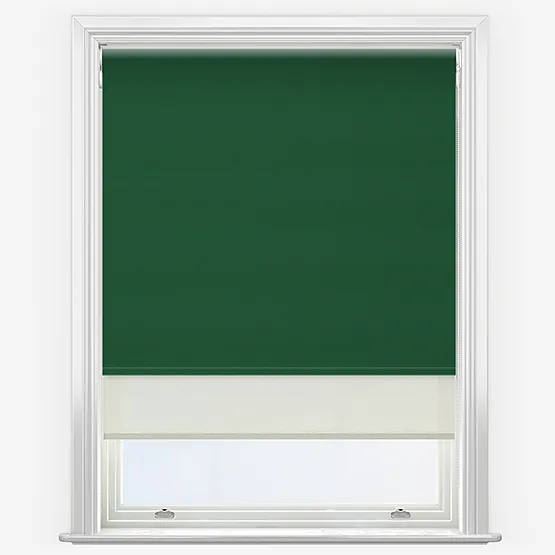
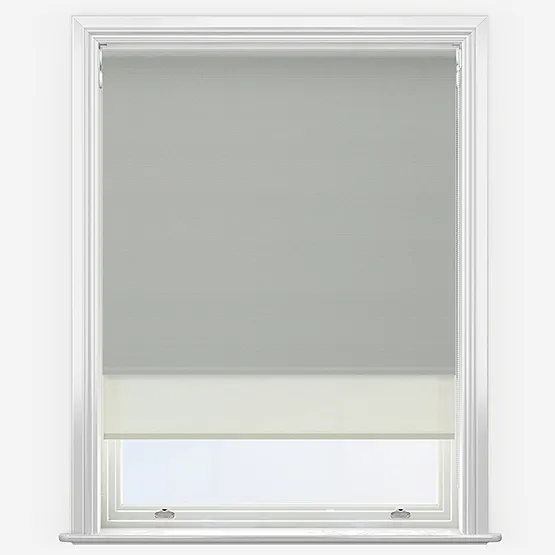
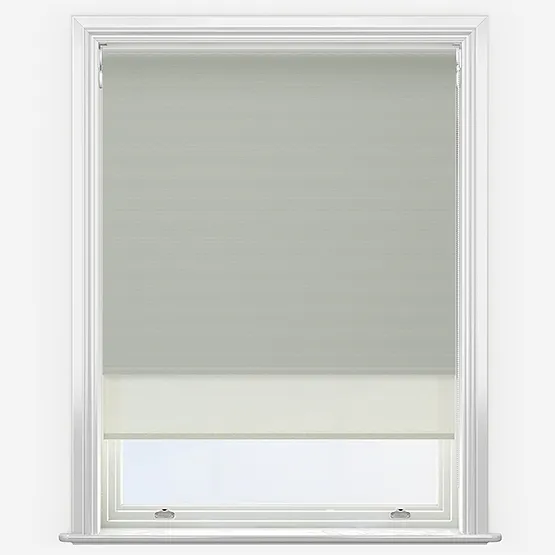
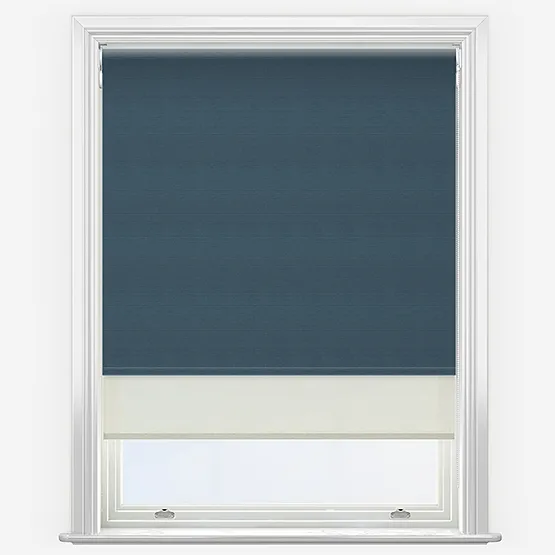
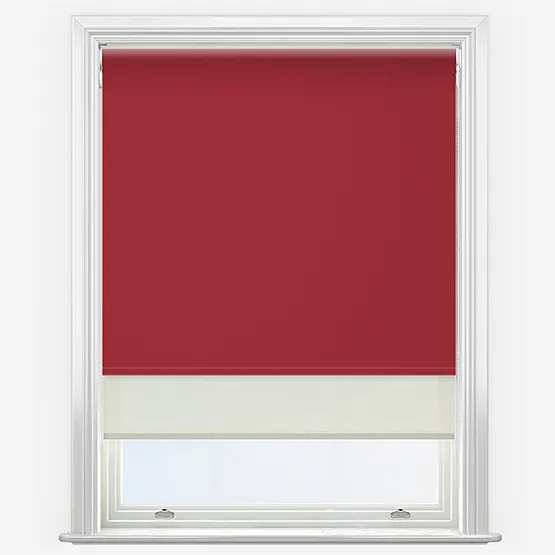
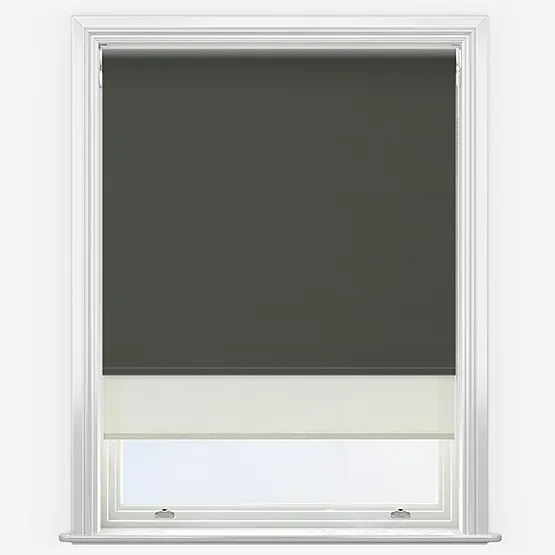
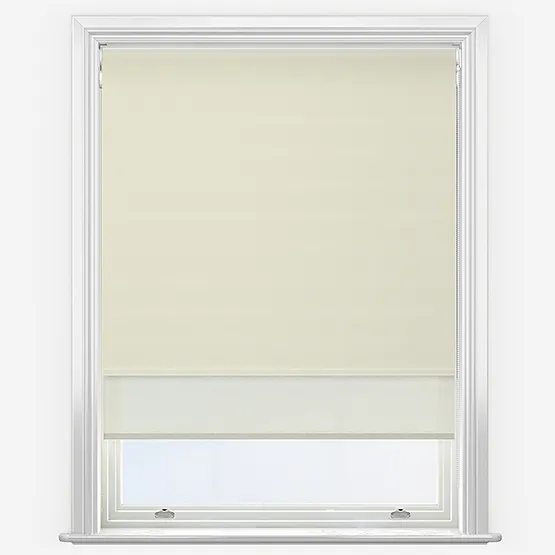
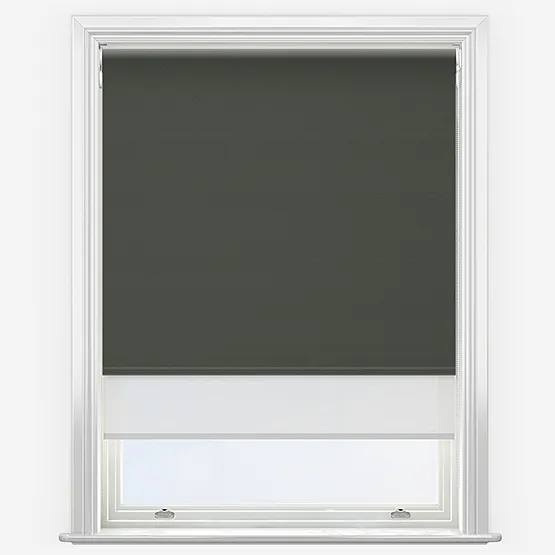
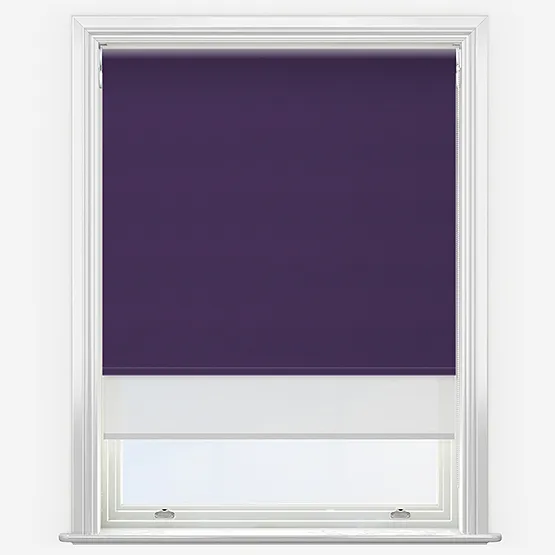
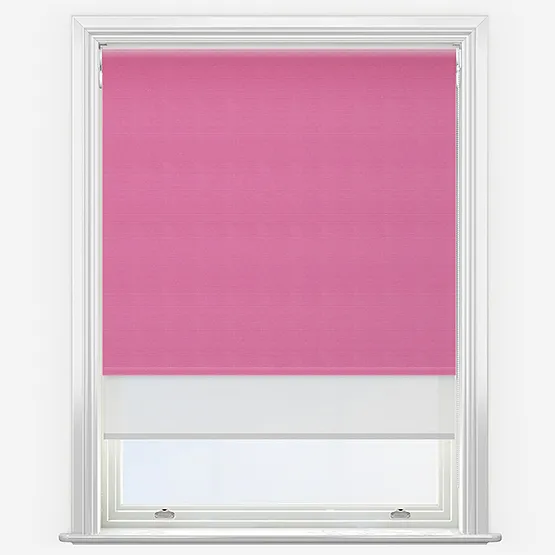
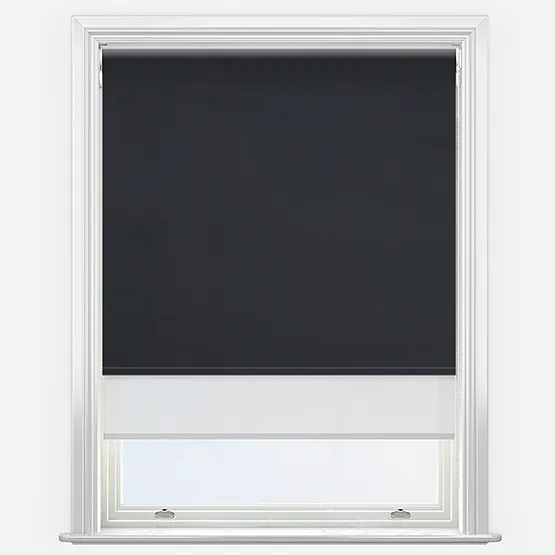
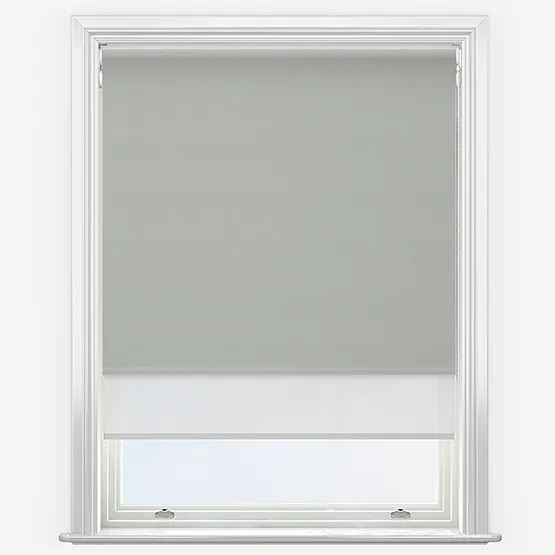
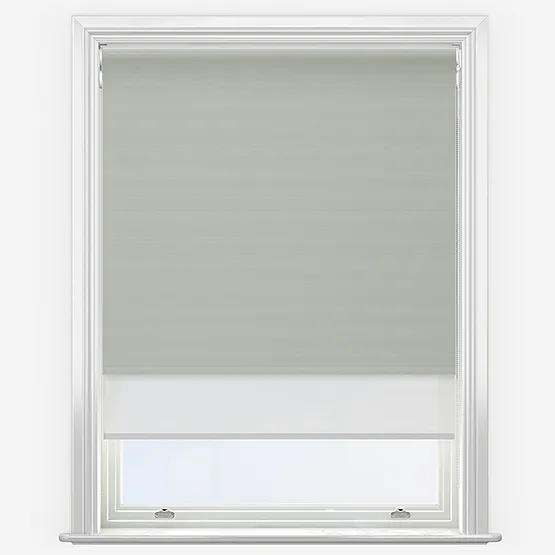
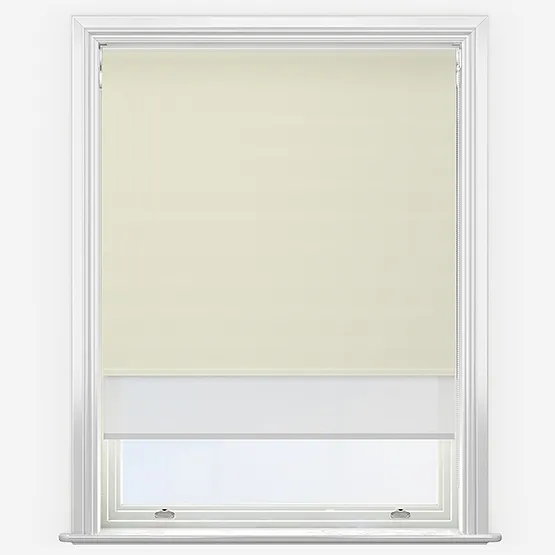
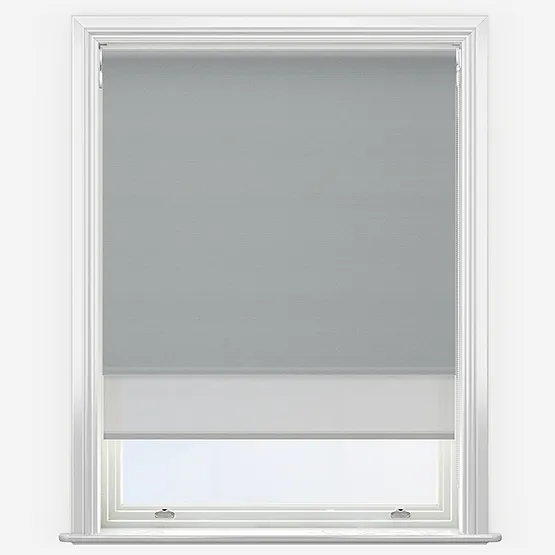
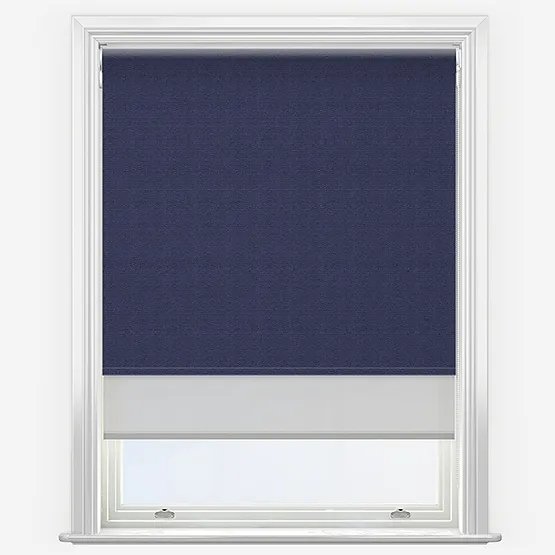
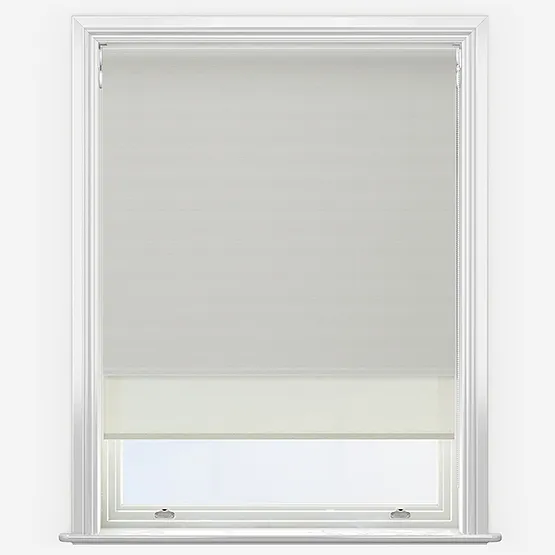
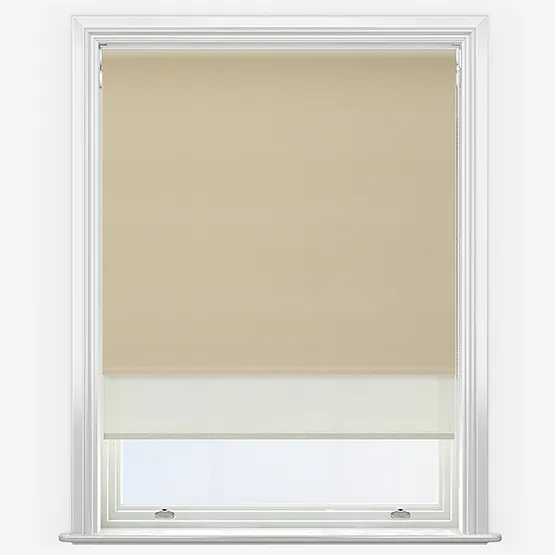
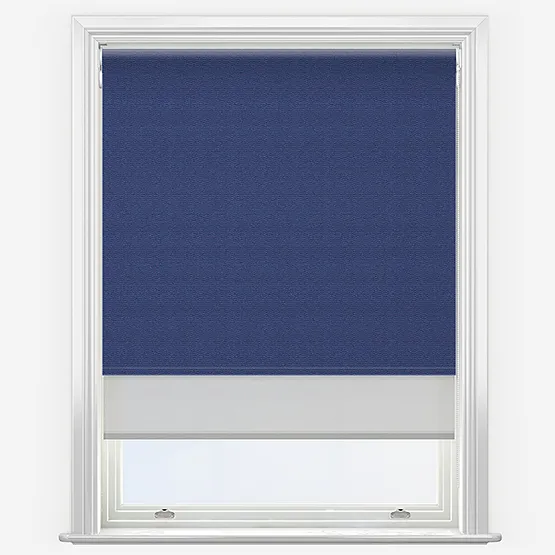
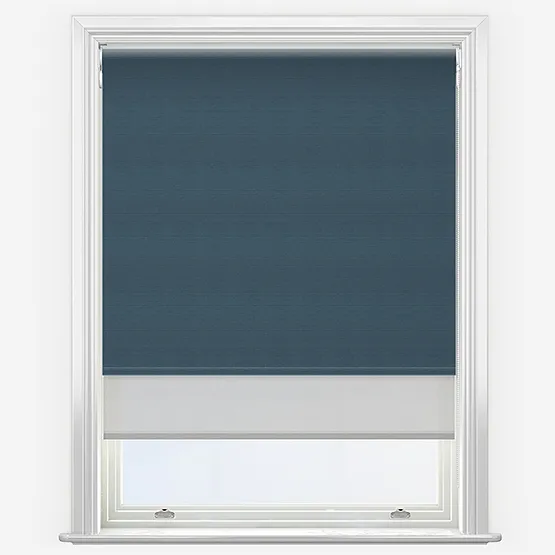
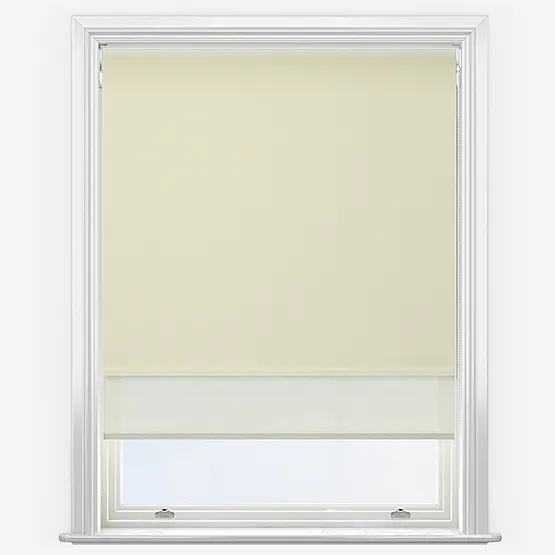
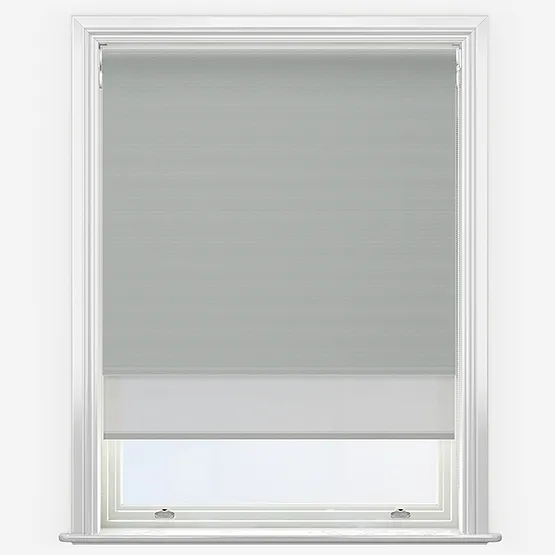
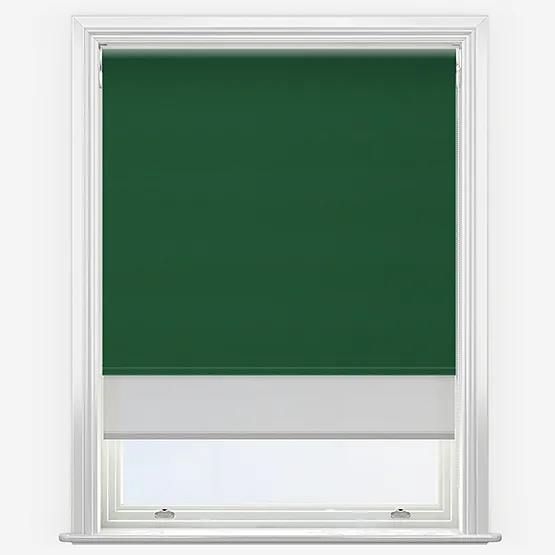
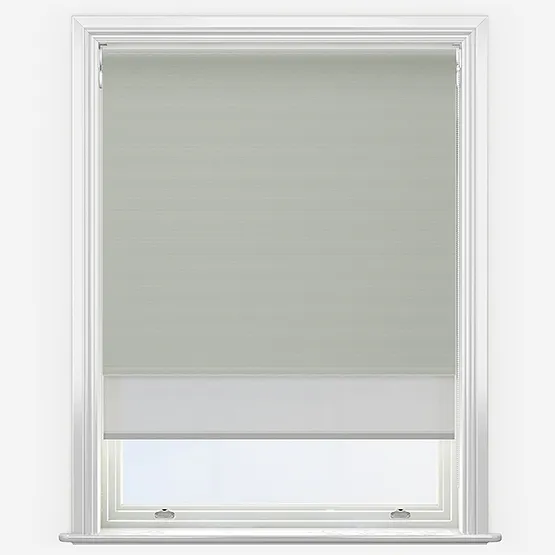
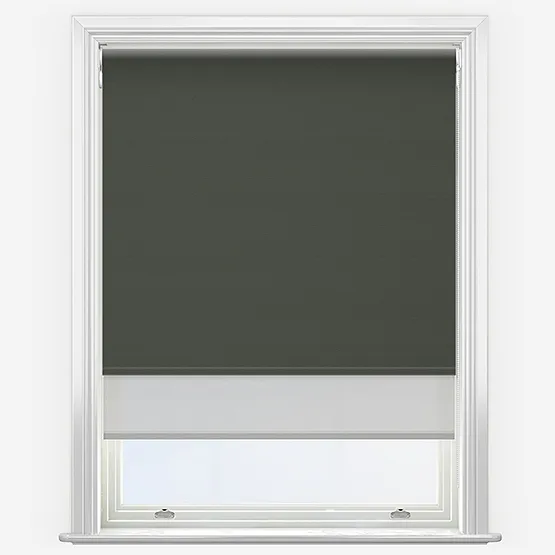
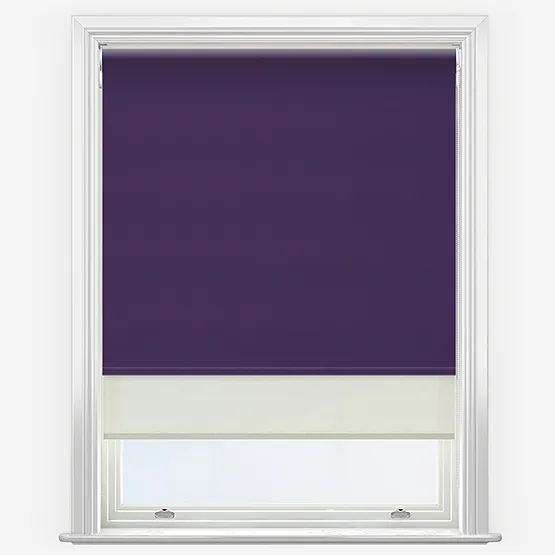
Read the names as a formula: the first part is the front fabric, and the White at the end is the sheer that sits behind every one of them. Neutrals hold most of the card - Supreme Parchment White, Supreme Cream White and Pebble White at the warm end, with Supreme Dove Grey White and Supreme Shadow Grey White covering the cooler greys. Indigo White and Denim Blue White bring the blues, Supreme Forest Green White is the leafy option, and Supreme Jet White anchors the dark end. The Supreme prefix marks a fabric series within the line rather than a different product, so treat it as a cloth family name. Because the sheer stays white throughout, the front fabric sets the character of the whole blind - and samples matter twice here, once for the front cloth itself and once for how it reads with daylight glowing through the white layer behind it.
Price by your dimensions
Enter your window size. We round up to the next standard size, which matches how the retailer actually quotes you.
Price down 15% since 7 Oct. (our checks since 23 Jun)
Every blind in this line is two cloths on two tubes, so the fair benchmark is not a single roller but a roller plus the voile you would otherwise hang in front of it. From £15.27, the figure climbs with width and drop in the usual made-to-measure way - the grid above prices your actual window, which is more honest than judging from the headline size. Measure the recess in three places, work from the smallest figures, and decide inside or outside the recess before you price it.
How it compares
Within Roller Blinds Direct's own shelves, the Double Roller answers a question the single-layer plains cannot: they give you one opacity per window, this gives you two. Against a day and night blind - the banded fabric it is often confused with - the difference is that a double roller's solid layer can be genuinely blackout, which a banded weave cannot manage.
The format also travels. Blinds 2go and Order Blinds sell double roller lines of the same two-layers-one-bracket construction among the retailers we track, and the price for a comparable window genuinely differs from shop to shop. Our Double roller comparison sets them side by side at your measurements, and it is worth the few minutes on a product that sits this far up from a basic roller.
A note on care
Two layers means twice the dusting, and the layers do not want the same touch. The sheer is the delicate one: a soft brush or a vacuum on low suction, and never a soaking, because a wet voile marks easily. The front fabric takes the usual roller routine - dust regularly, lift marks promptly with a barely damp cloth, no solvents. Let both layers dry fully lowered before rolling them away, since a damp roll is how mildew gets started, and check occasionally that both tubes run true on the bracket so the layers keep hanging parallel.