
55 light-filtering vertical blinds, £48-£131 for a standard window (around 1500×1000 mm). Enter your exact window below - each price updates to your size, and we move you to the right size band if you go outside this one.
Light-filtering fabric is woven loosely enough to let soft daylight through, yet closely enough to screen the view from outside, so a room stays bright and airy while keeping its privacy through the day. It is the fabric to choose when you want to keep all the daylight you can - living rooms, kitchens, dining rooms, home offices and north-facing rooms that never feel quite light enough - and it takes the harsh edge off glare on a screen without darkening the room.
The honest caveat is what happens after dark. Once it is black outside and your lights are on, the balance flips: a light-filtering fabric turns partly see-through from the street, so you read as a silhouette from outside. If night privacy matters, pair it with a blackout blind or curtains behind, or step up to a dimout. It does little for sleep or shift work either - that is blackout's job, not this one. Across the blind types the effect shifts in character: a roller or pleated gives an even, diffused glow, while a vertical or venetian leans the same way but breaks the light into slat lines. Paler fabrics glow and feel the most open; darker ones cut more light but read heavier in the room.
How much it screens comes down to the weave: a tighter light-filtering fabric gives more privacy and a softer light, an opener one feels sheerer and brighter, so it is worth holding a sample up in the room before you commit. Where you need brightness by day and cover by night, the usual answer is to layer - a light-filtering blind for the daytime with a blackout blind or curtains behind for the evening. It also earns its keep at a desk, taking the glare off a screen without dropping the room into shade, which is why studies and home offices lean on it so often.
It is the everyday choice for the rooms you live in by day, where you want the space bright and the street kept at arm's length without reaching for the lights. Soft neutrals and pale weaves throw the most even glow; in a room that runs hot or faces south, a fabric with a subtle reflective backing trims the heat while keeping that daytime softness.
A vertical blind hangs as a row of fabric louvres that rotate to angle the light and draw to one side, or split to the middle, to clear the glass. Tilting the louvres lets you cut glare and keep privacy without losing the whole view, which makes verticals a natural fit for wide windows, patio and sliding doors, conservatories and home offices. They handle big spans gracefully where a single flat blind would be heavy or unwieldy.
Louvres come in everything from sheers to blackout weaves, and PVC louvres suit damp or high-traffic rooms. Closed and tilted flat they block most daylight, but the gaps between louvres always leak a little, so they shade rather than black out a room. A practical bonus is repairability: louvres unclip individually, so a single damaged or grubby one can be washed or swapped without replacing the blind. Over a wide window a vertical is usually one of the more economical ways to cover the area.
You can set the louvres to draw to one side, part to the centre, or stack at both ends, whichever clears your opening best, and a wand-operated version replaces the chain and cord for a cleaner, more child-friendly finish. A weighted hem and a linking bottom chain keep the louvres hanging straight and stop them swaying in a draught from an open door.
55 of 55 ranges shown.


Excel Vertical
at So Easy Blinds

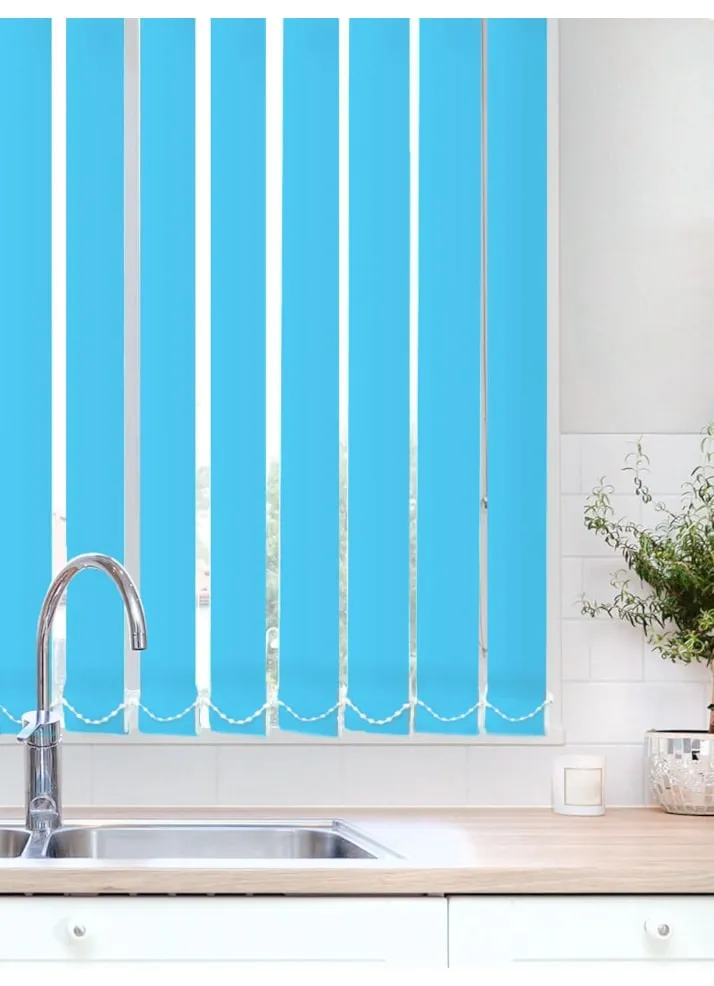
Fire Retardant Vertical
at Order Blinds
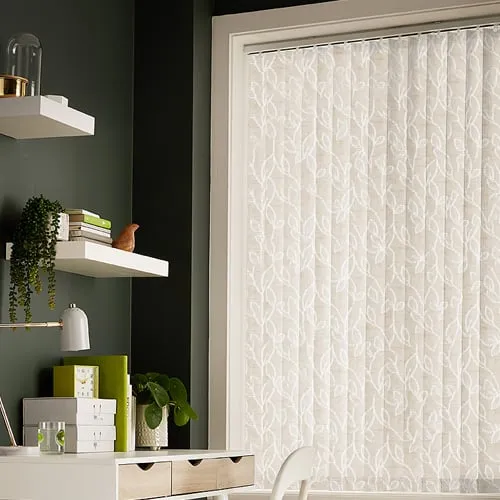
Jude Vertical
at So Easy Blinds

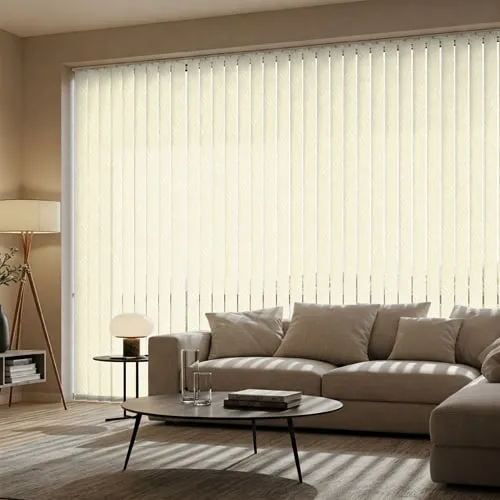
Marea Vertical
at So Easy Blinds
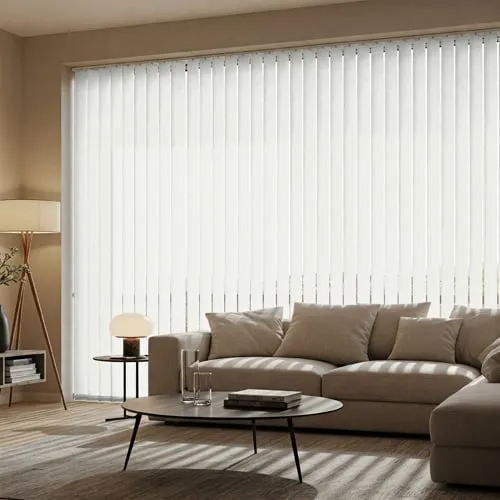
Topaz Vertical
at So Easy Blinds
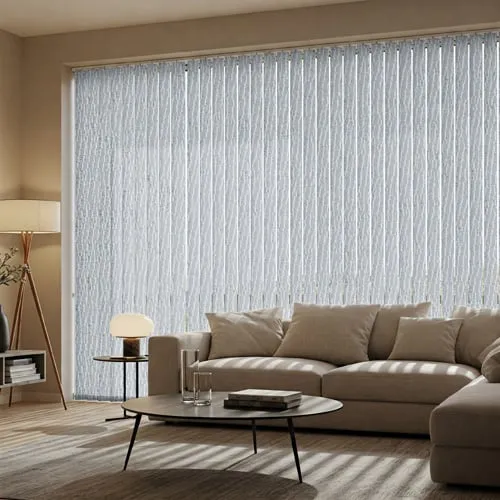
Traze Vertical
at So Easy Blinds

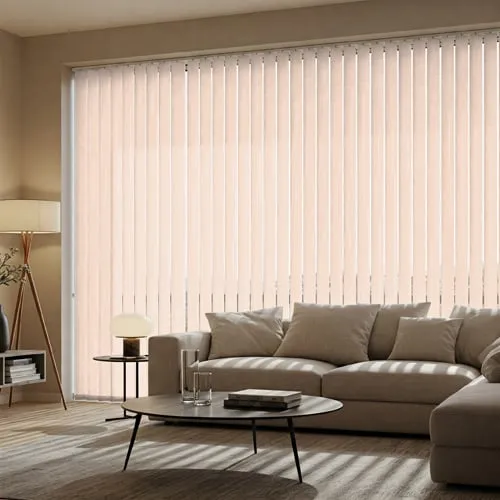
Ignite Vertical
at So Easy Blinds
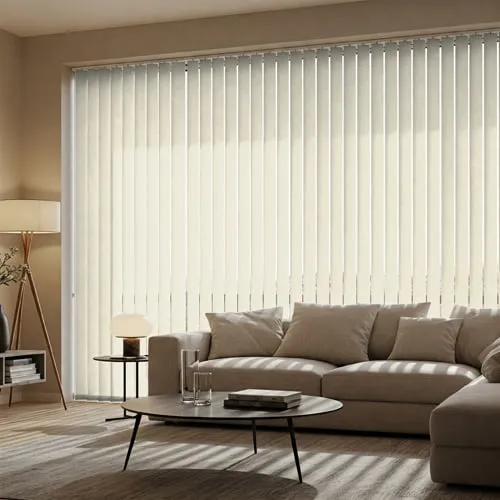
Odessa Vertical
at So Easy Blinds

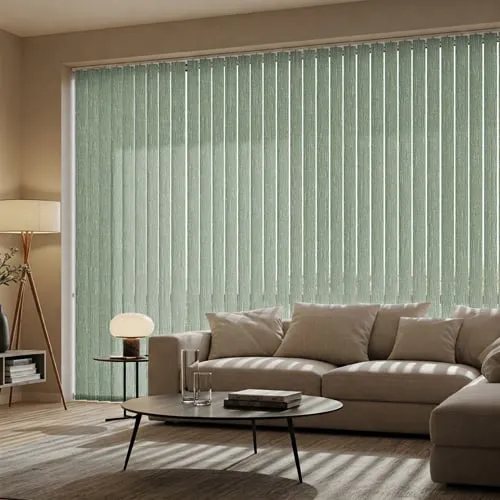
Grayson Vertical
at So Easy Blinds
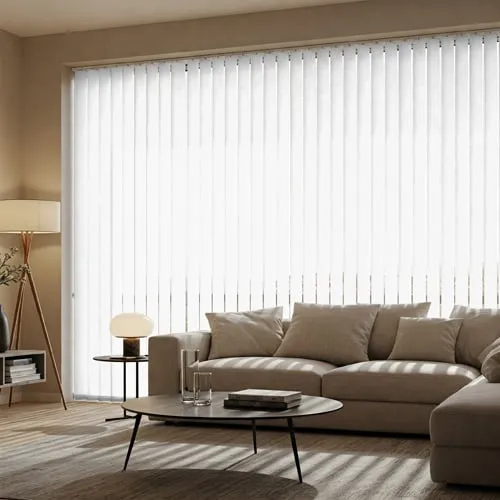
Astratto Vertical
at So Easy Blinds
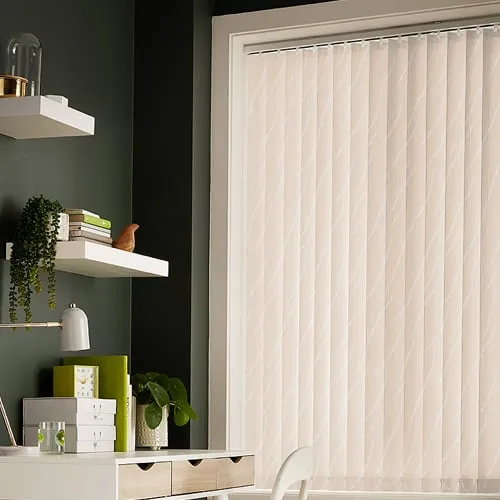
Florence Vertical
at So Easy Blinds
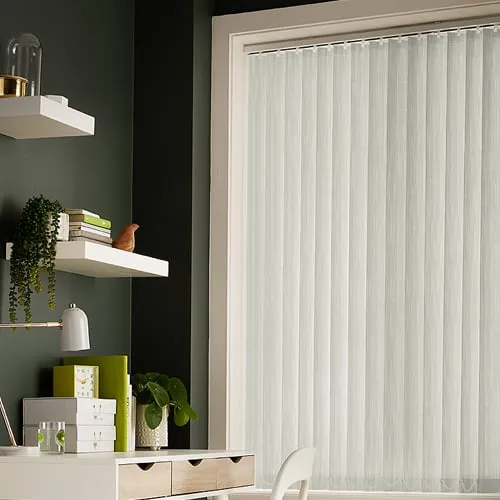
Shantung Vertical
at So Easy Blinds

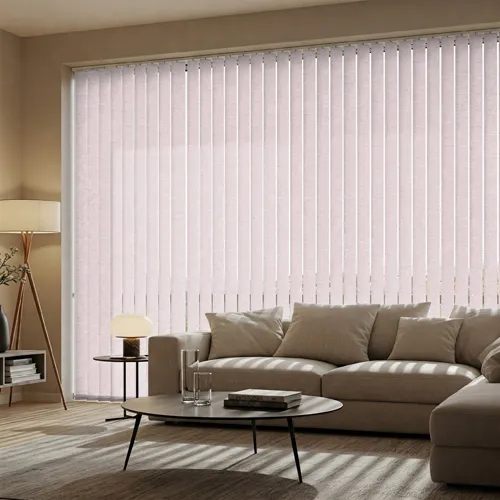
Stratford Vertical
at So Easy Blinds
%22%3E%0A%20%20%20%20%20%20%3Crect%20width%3D%2214%22%20height%3D%2214%22%20fill%3D%22%23e88a8a%22%2F%3E%0A%20%20%20%20%20%20%3Crect%20x%3D%220%22%20y%3D%220%22%20width%3D%224%22%20height%3D%2214%22%20fill%3D%22%23ffcc4f%22%20opacity%3D%220.85%22%2F%3E%0A%20%20%20%20%20%20%3Crect%20x%3D%228%22%20y%3D%220%22%20width%3D%223%22%20height%3D%2214%22%20fill%3D%22%234fc3f7%22%20opacity%3D%220.85%22%2F%3E%0A%20%20%20%20%3C%2Fpattern%3E%0A%20%20%3C%2Fdefs%3E%0A%20%20%3Crect%20x%3D%2260%22%20y%3D%2222%22%20width%3D%2280%22%20height%3D%228%22%20rx%3D%221.5%22%20fill%3D%22%233a3a3a%22%2F%3E%0A%20%20%3Crect%20x%3D%2262%22%20y%3D%2230%22%20width%3D%2276%22%20height%3D%2283%22%20fill%3D%22url(%23print-fill)%22%20stroke%3D%22%232a2a2a%22%20stroke-width%3D%220.8%22%2F%3E%0A%20%20%3Crect%20x%3D%2257%22%20y%3D%22113%22%20width%3D%2286%22%20height%3D%225%22%20rx%3D%221%22%20fill%3D%22%233a3a3a%22%2F%3E%0A%20%20%3Cline%20x1%3D%22146%22%20y1%3D%2230%22%20x2%3D%22146%22%20y2%3D%22116%22%20stroke%3D%22%239a9a9a%22%20stroke-width%3D%221%22%2F%3E%0A%20%20%3Ccircle%20cx%3D%22146%22%20cy%3D%22120%22%20r%3D%222.2%22%20fill%3D%22%239a9a9a%22%2F%3E%0A%3C%2Fsvg%3E)
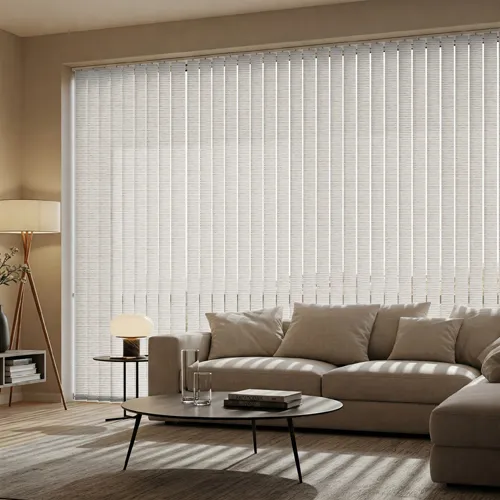
Sian Biscotti Vertical
at So Easy Blinds
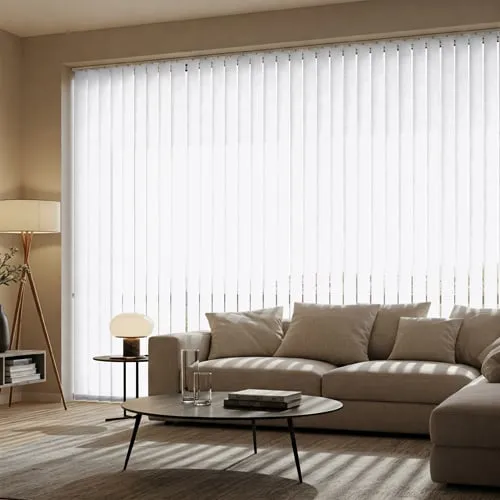
Aspen Vertical
at So Easy Blinds
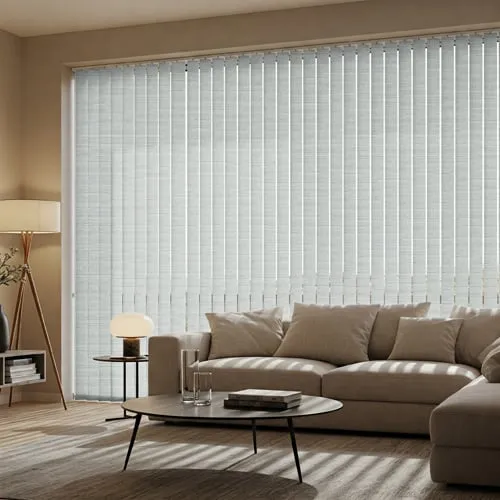
Lagan Asc Vertical
at So Easy Blinds
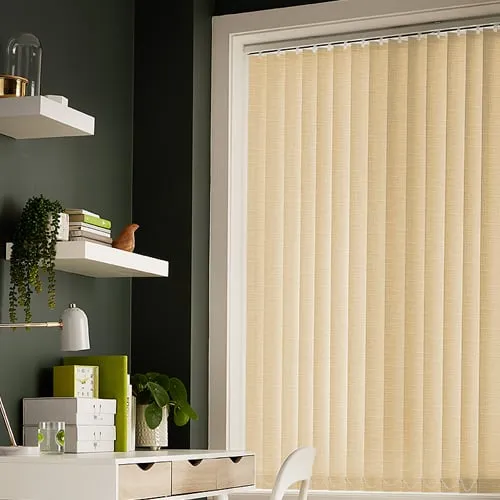
Linenweave Vertical
at So Easy Blinds
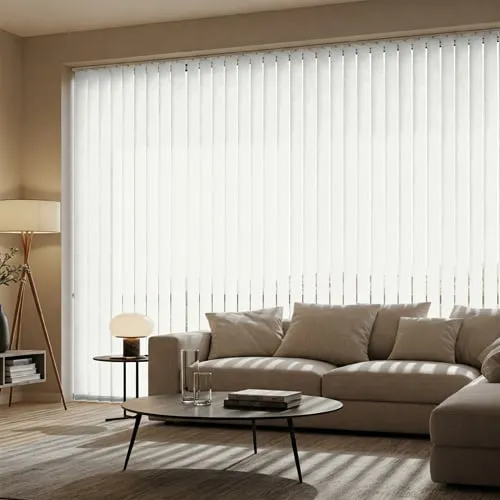
Nordic Asc Vertical
at So Easy Blinds
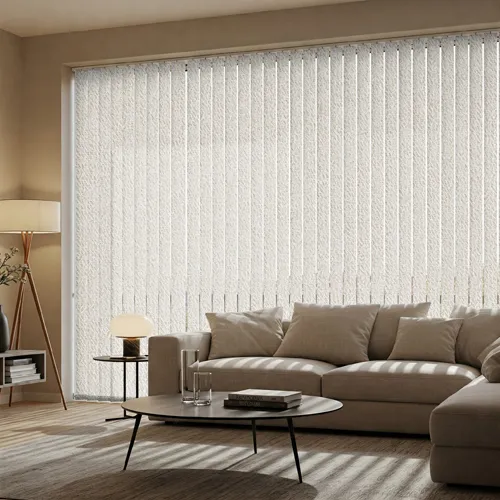
Panier Asc Vertical
at So Easy Blinds
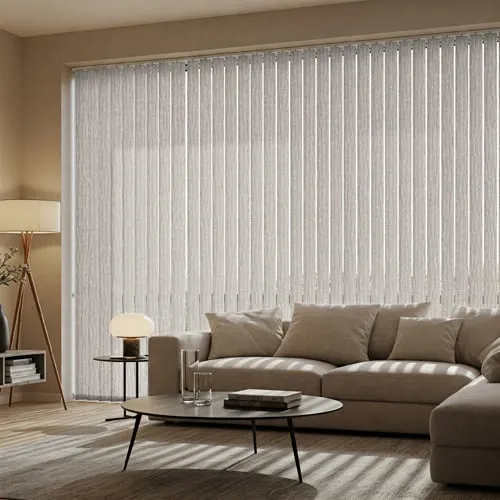
Ribbons Asc Vertical
at So Easy Blinds
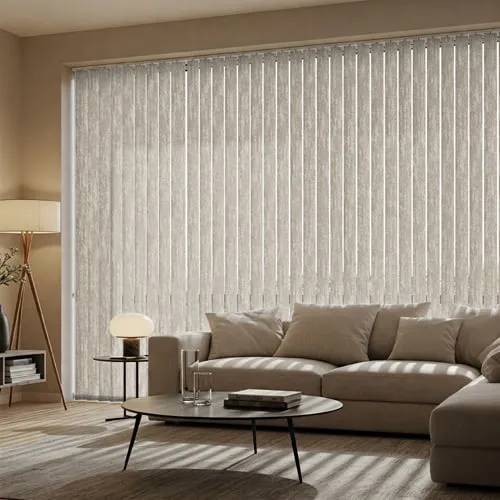
Radiance Asc Vertical
at So Easy Blinds
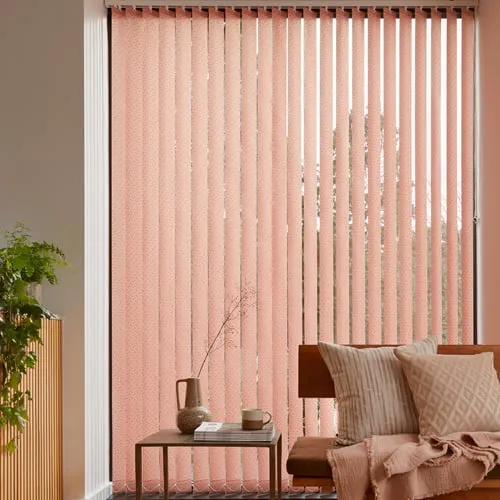
Bliss Mandarin Vertical
at So Easy Blinds

Mood Vertical
at So Easy Blinds
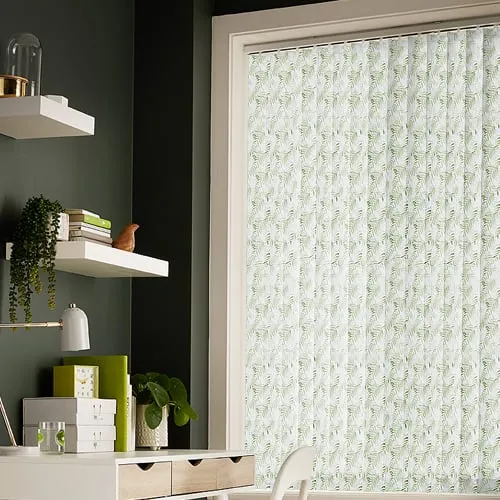
Clarice Fern Vertical
at So Easy Blinds

Sio Vertical
at So Easy Blinds

Aria Vertical
at So Easy Blinds

Devon Vertical
at So Easy Blinds
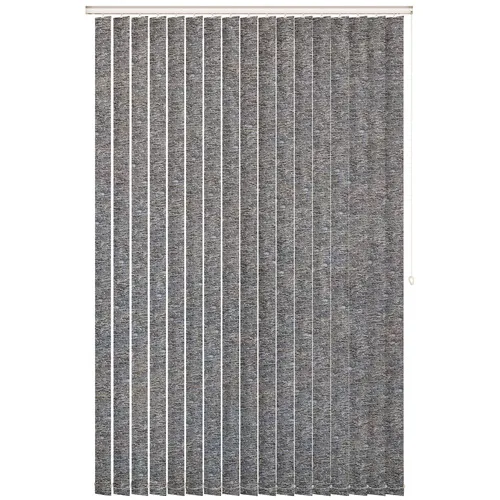
Tobin Vertical
at So Easy Blinds


Bexley Vertical
at So Easy Blinds


Hayden Vertical
at So Easy Blinds

Henlow Vertical
at So Easy Blinds
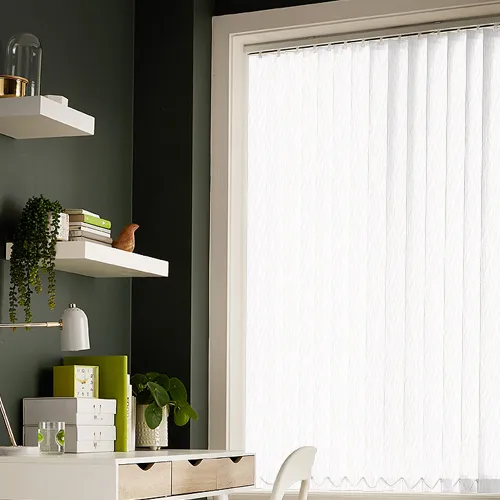
Legacy Vertical
at So Easy Blinds

Barclay Noir Vertical
at So Easy Blinds
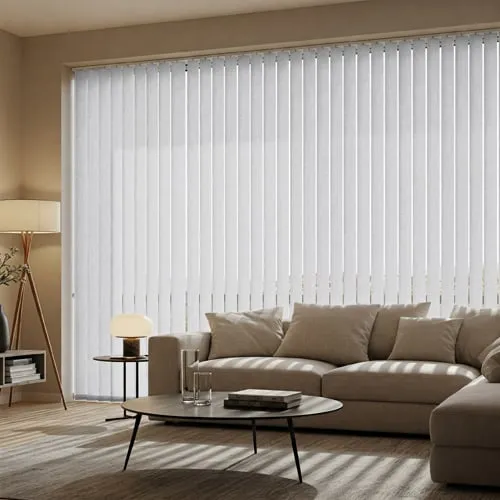
Paris Vertical
at So Easy Blinds
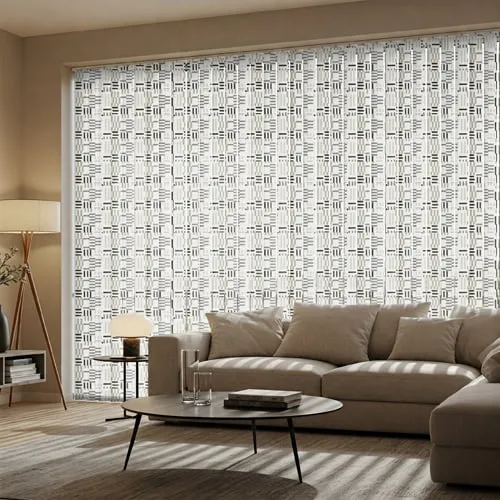
Pinto Vertical
at So Easy Blinds
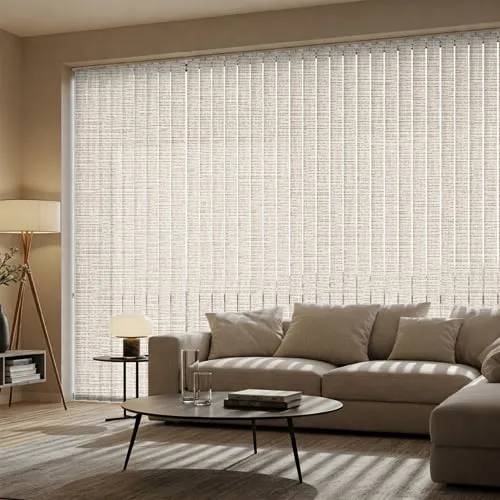
Ronda Vertical
at So Easy Blinds
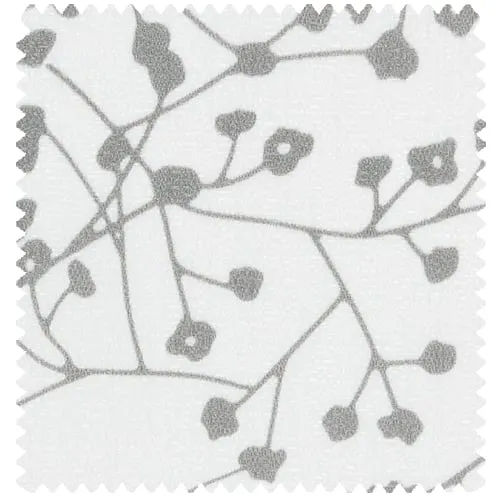
Scoria Vertical
at So Easy Blinds
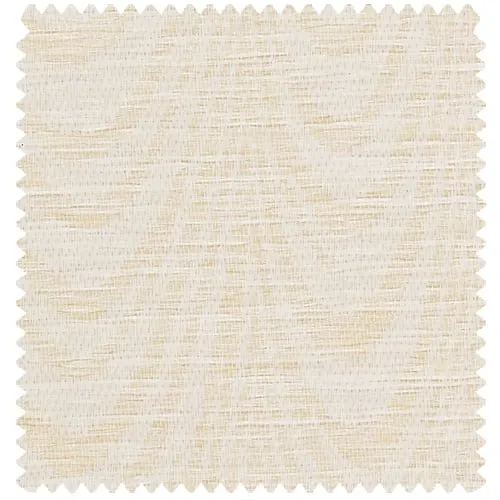
Panache Vertical
at So Easy Blinds

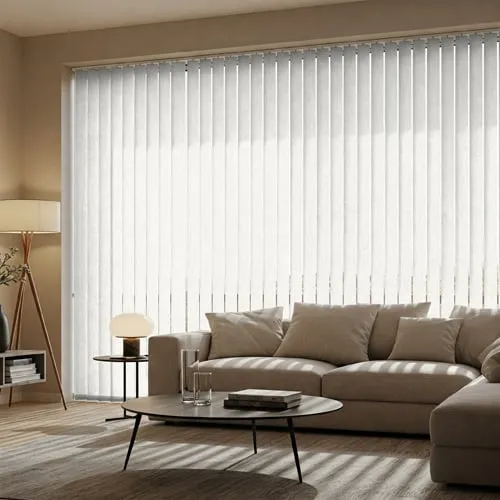
Elegance Vertical
at So Easy Blinds
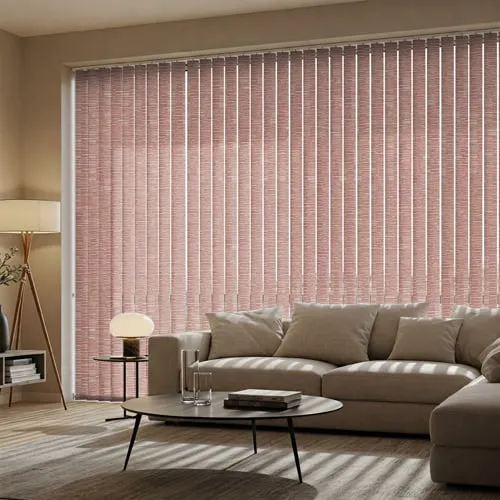
Felix Asc Vertical
at So Easy Blinds
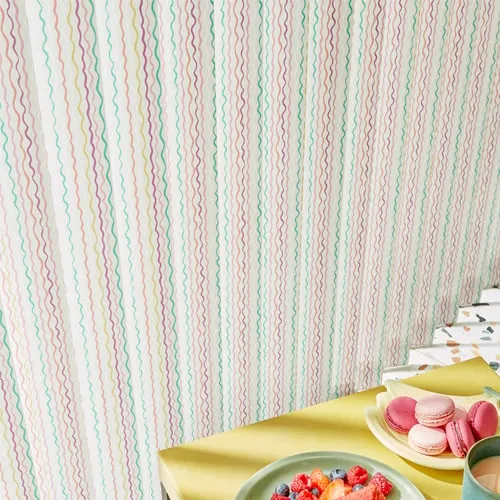
Bounce Putty Vertical
at So Easy Blinds
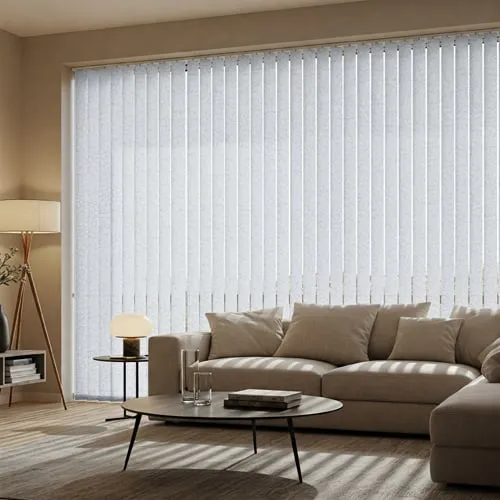
Glitz Silver Vertical
at So Easy Blinds
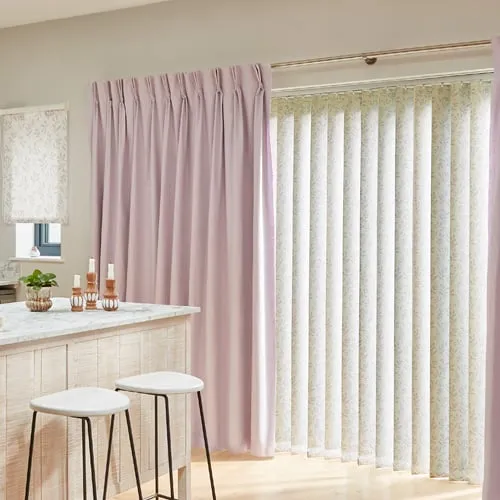
Sprigs Lilac Vertical
at So Easy Blinds
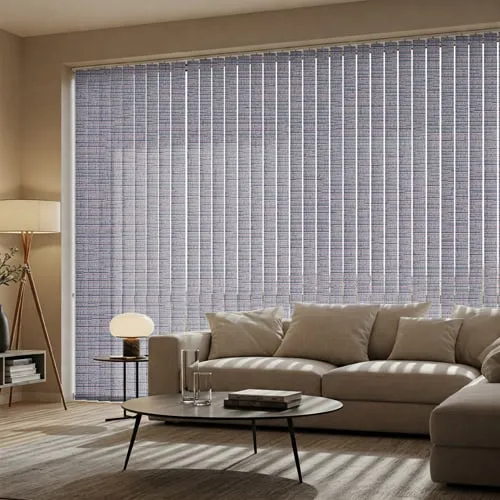
Liberty Ocean Vertical
at So Easy Blinds
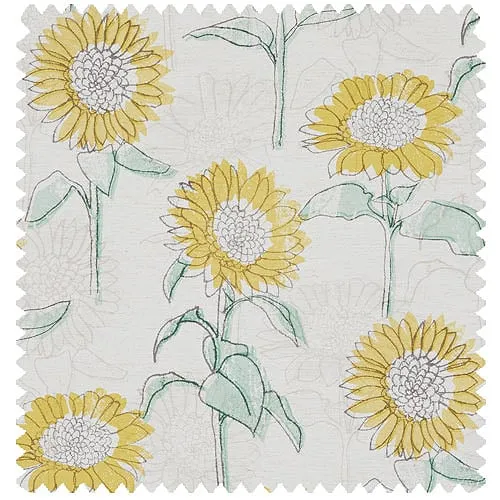
Gracie Sunshine Vertical
at So Easy Blinds

Myth Vertical
at So Easy Blinds


Sisi Vertical
at So Easy Blinds

Altea Vertical
at So Easy Blinds

Ennis Vertical
at So Easy Blinds

Renzo Vertical
at So Easy Blinds

Linden Vertical
at So Easy Blinds

Messina Vertical
at So Easy Blinds

Odin Vertical
at So Easy Blinds

Vivi Vertical
at So Easy Blinds

Alvor Vertical
at So Easy Blinds