
103 light-filtering roller blinds, £39-£81 for a standard window (around 1200×1200 mm). Enter your exact window below - each price updates to your size, and we move you to the right size band if you go outside this one.
Light-filtering fabric is woven loosely enough to let soft daylight through, yet closely enough to screen the view from outside, so a room stays bright and airy while keeping its privacy through the day. It is the fabric to choose when you want to keep all the daylight you can - living rooms, kitchens, dining rooms, home offices and north-facing rooms that never feel quite light enough - and it takes the harsh edge off glare on a screen without darkening the room.
The honest caveat is what happens after dark. Once it is black outside and your lights are on, the balance flips: a light-filtering fabric turns partly see-through from the street, so you read as a silhouette from outside. If night privacy matters, pair it with a blackout blind or curtains behind, or step up to a dimout. It does little for sleep or shift work either - that is blackout's job, not this one. Across the blind types the effect shifts in character: a roller or pleated gives an even, diffused glow, while a vertical or venetian leans the same way but breaks the light into slat lines. Paler fabrics glow and feel the most open; darker ones cut more light but read heavier in the room.
How much it screens comes down to the weave: a tighter light-filtering fabric gives more privacy and a softer light, an opener one feels sheerer and brighter, so it is worth holding a sample up in the room before you commit. Where you need brightness by day and cover by night, the usual answer is to layer - a light-filtering blind for the daytime with a blackout blind or curtains behind for the evening. It also earns its keep at a desk, taking the glare off a screen without dropping the room into shade, which is why studies and home offices lean on it so often.
It is the everyday choice for the rooms you live in by day, where you want the space bright and the street kept at arm's length without reaching for the lights. Soft neutrals and pale weaves throw the most even glow; in a room that runs hot or faces south, a fabric with a subtle reflective backing trims the heat while keeping that daytime softness.
A roller blind is a single piece of fabric wound on a tube that rolls up out of the way and down to cover the window, worked by a side chain or a spring. It is the simplest made-to-measure blind and, because it uses the least fabric and the plainest mechanism, usually the cheapest at any given size. That simplicity is also its strength: it suits almost any room, sits neatly in or over a recess, and there is very little to go wrong.
Fabric choice does most of the work. Rollers run the whole range from sheer voiles through light-filtering weaves to full blackout, and moisture-resistant PVC-coated fabrics make them a sensible pick for kitchens and bathrooms where a wipe-clean surface helps. Light behaviour follows the fabric, though the roll always sits slightly narrower than the recess, so a little light slips down the edges whatever you choose. Care is easy - a wipe with a damp cloth, or a sponge for the coated fabrics - and against the neighbouring types a roller typically undercuts a roman or a wood venetian for the same window.
On the practical side, you can have a roller on a side chain, on a spring you pull down and let glide back up, or on a quiet motor worked by remote or app. It needs only a shallow recess to sit in, so it fits the tight reveals that defeat bulkier blinds, and a cassette or fabric-wrapped pelmet tidies the roll at the top where the look matters.
60 of 103 ranges shown (the 60 cheapest; production paginates).


Prime Scope Roller
at So Easy Blinds


Prime Splash Roller
at So Easy Blinds

Excel Roller
at So Easy Blinds

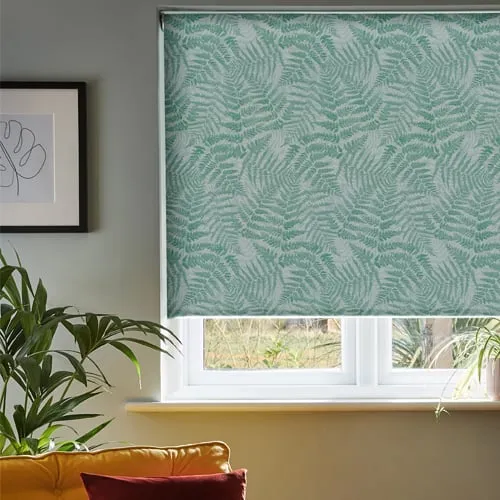
Ida Roller
at So Easy Blinds
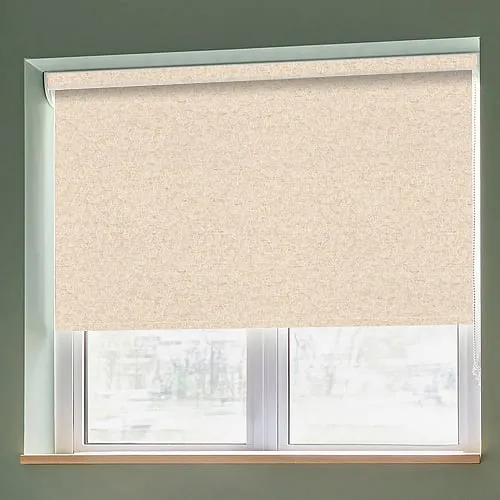
Jude Roller
at So Easy Blinds
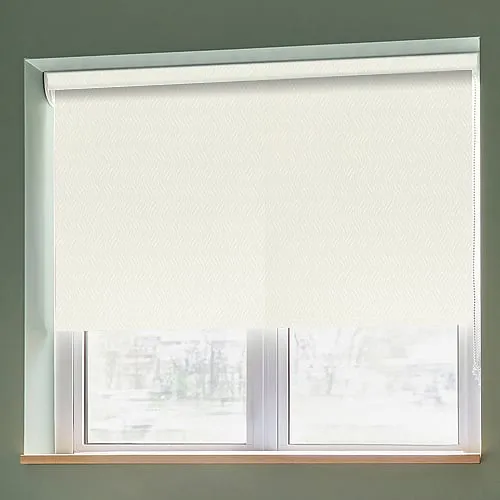
Marea Roller
at So Easy Blinds

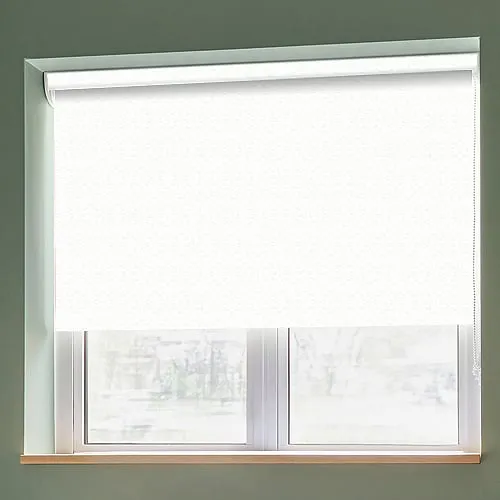
Paige Roller
at So Easy Blinds
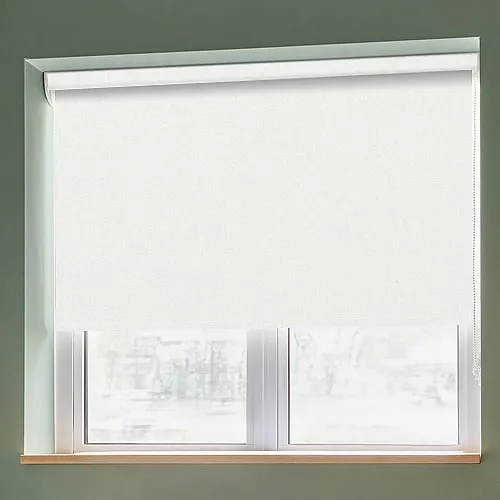
Topaz Roller
at So Easy Blinds

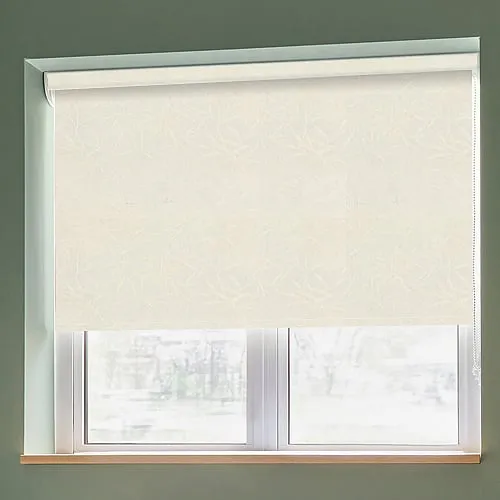
Bamboo Roller
at So Easy Blinds

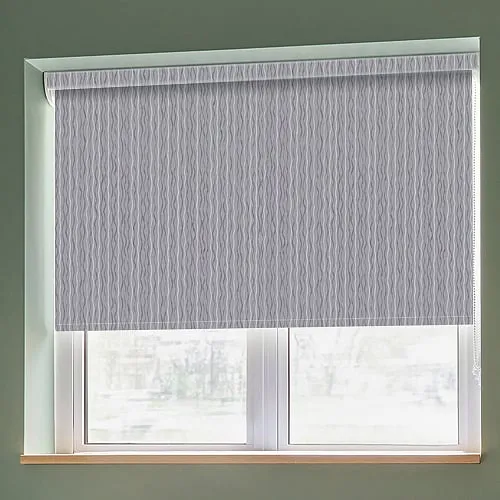
Ignite Roller
at So Easy Blinds
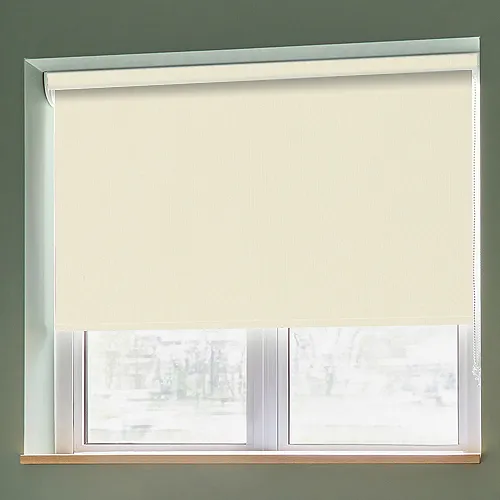
Odessa Roller
at So Easy Blinds

Florence Roller
at So Easy Blinds
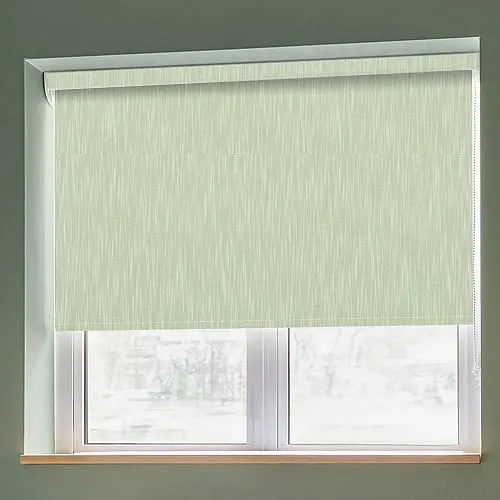
Shantung Roller
at So Easy Blinds

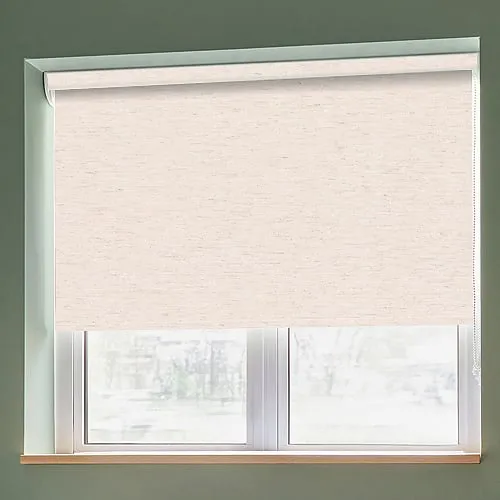
Stratford Roller
at So Easy Blinds
%22%3E%0A%20%20%20%20%20%20%3Crect%20width%3D%2214%22%20height%3D%2214%22%20fill%3D%22%23e88a8a%22%2F%3E%0A%20%20%20%20%20%20%3Crect%20x%3D%220%22%20y%3D%220%22%20width%3D%224%22%20height%3D%2214%22%20fill%3D%22%23ffcc4f%22%20opacity%3D%220.85%22%2F%3E%0A%20%20%20%20%20%20%3Crect%20x%3D%228%22%20y%3D%220%22%20width%3D%223%22%20height%3D%2214%22%20fill%3D%22%234fc3f7%22%20opacity%3D%220.85%22%2F%3E%0A%20%20%20%20%3C%2Fpattern%3E%0A%20%20%3C%2Fdefs%3E%0A%20%20%3Crect%20x%3D%2260%22%20y%3D%2222%22%20width%3D%2280%22%20height%3D%228%22%20rx%3D%221.5%22%20fill%3D%22%233a3a3a%22%2F%3E%0A%20%20%3Crect%20x%3D%2262%22%20y%3D%2230%22%20width%3D%2276%22%20height%3D%2283%22%20fill%3D%22url(%23print-fill)%22%20stroke%3D%22%232a2a2a%22%20stroke-width%3D%220.8%22%2F%3E%0A%20%20%3Crect%20x%3D%2257%22%20y%3D%22113%22%20width%3D%2286%22%20height%3D%225%22%20rx%3D%221%22%20fill%3D%22%233a3a3a%22%2F%3E%0A%20%20%3Cline%20x1%3D%22146%22%20y1%3D%2230%22%20x2%3D%22146%22%20y2%3D%22116%22%20stroke%3D%22%239a9a9a%22%20stroke-width%3D%221%22%2F%3E%0A%20%20%3Ccircle%20cx%3D%22146%22%20cy%3D%22120%22%20r%3D%222.2%22%20fill%3D%22%239a9a9a%22%2F%3E%0A%3C%2Fsvg%3E)
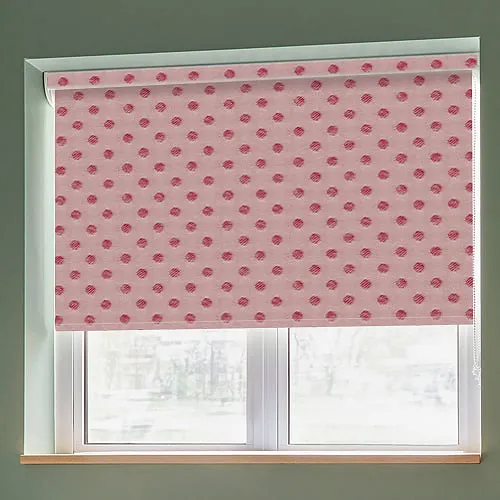
Ada Cherry Roller
at So Easy Blinds

Scope Roller
at So Easy Blinds
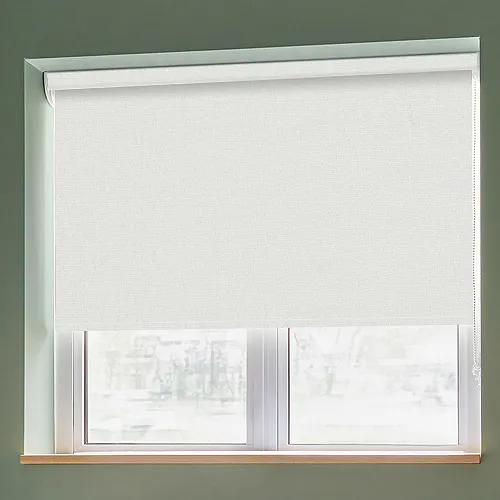
Alta Roller
at So Easy Blinds

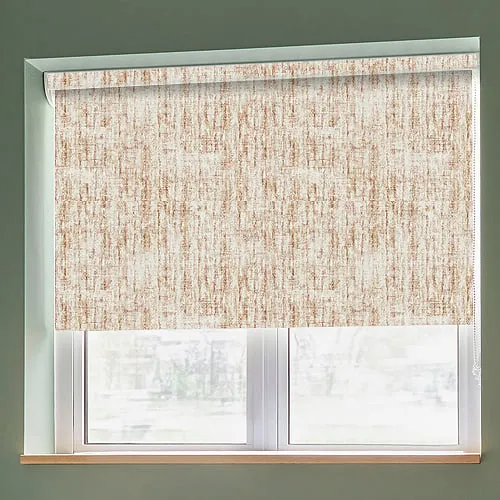
Odin Roller
at So Easy Blinds

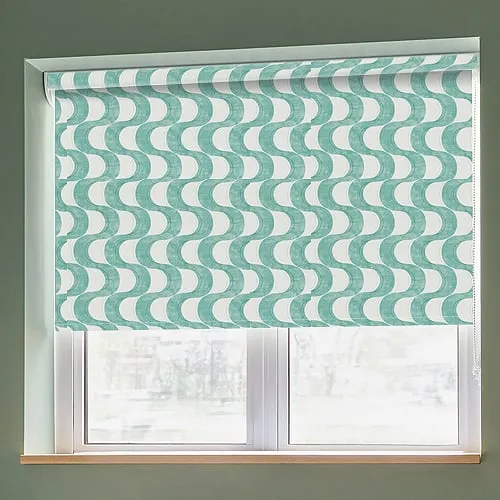
Wave Roller
at So Easy Blinds
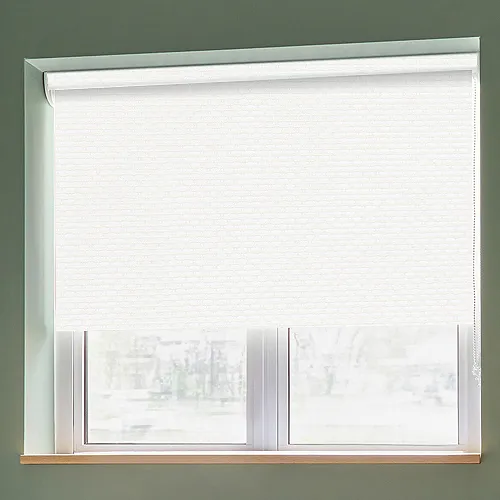
Aspen Roller
at So Easy Blinds
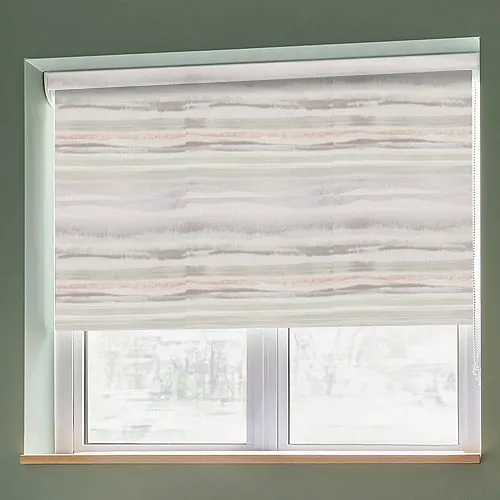
Coast Roller
at So Easy Blinds
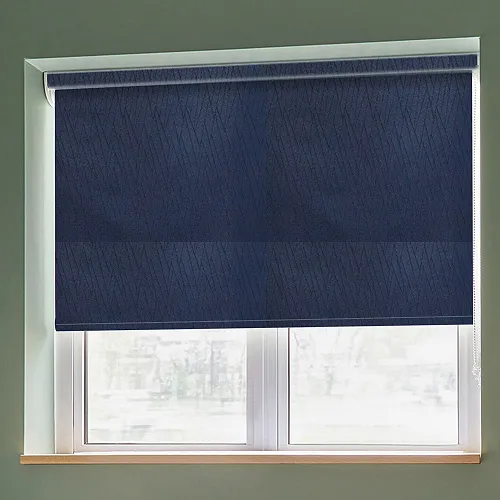
Cubik Roller
at So Easy Blinds
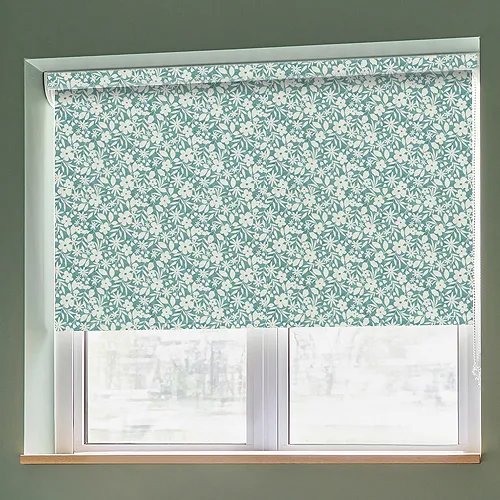
Maeve Roller
at So Easy Blinds
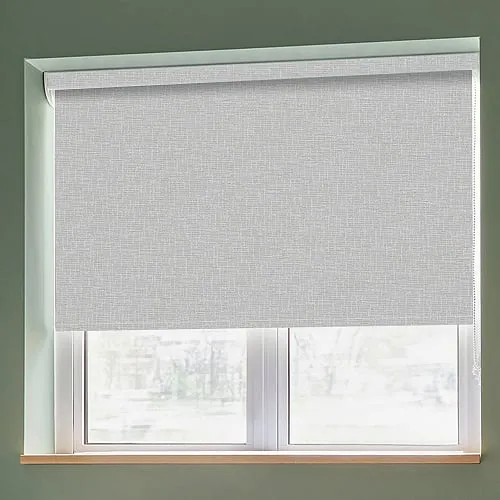
Monte Roller
at So Easy Blinds
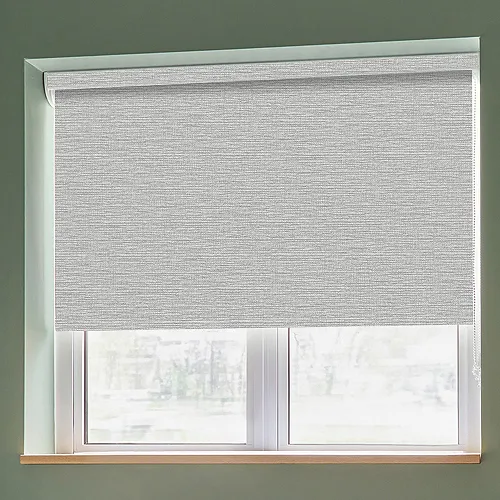
Piper Roller
at So Easy Blinds
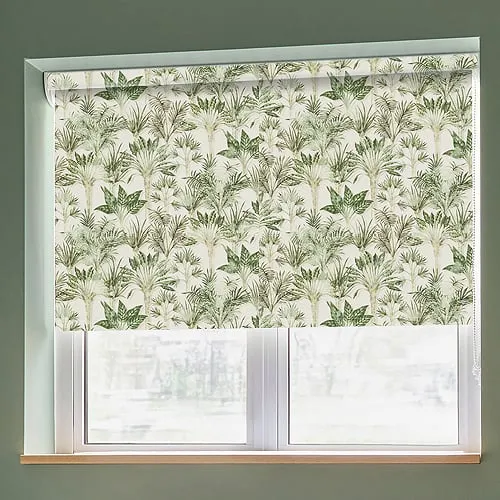
Porto Roller
at So Easy Blinds
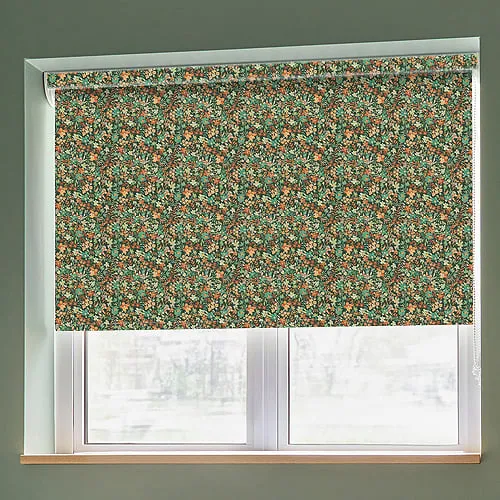
Talia Roller
at So Easy Blinds

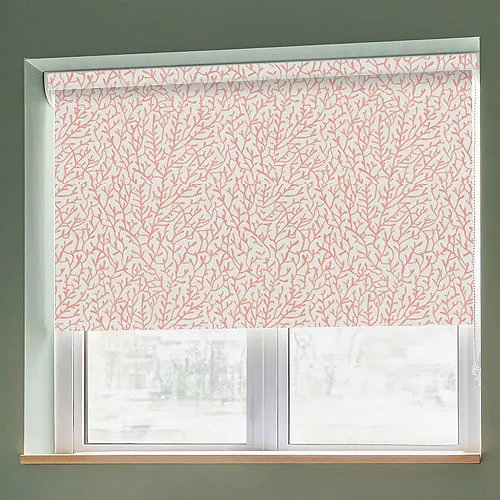
Athena Roller
at So Easy Blinds
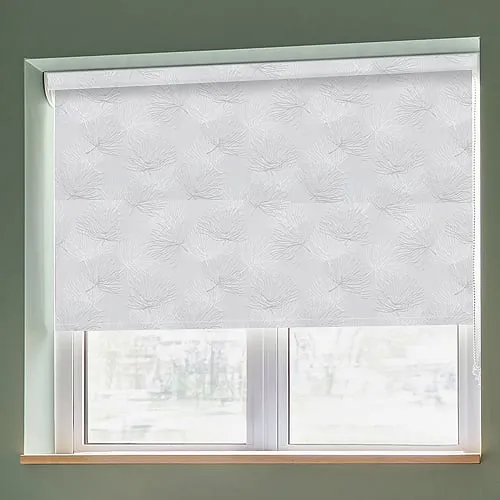
Bonsai Roller
at So Easy Blinds
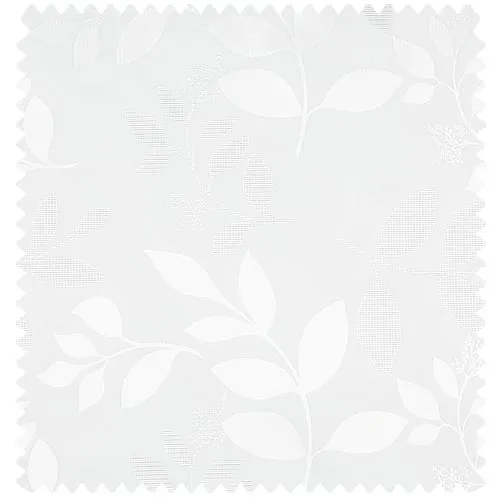
Molina Roller
at So Easy Blinds
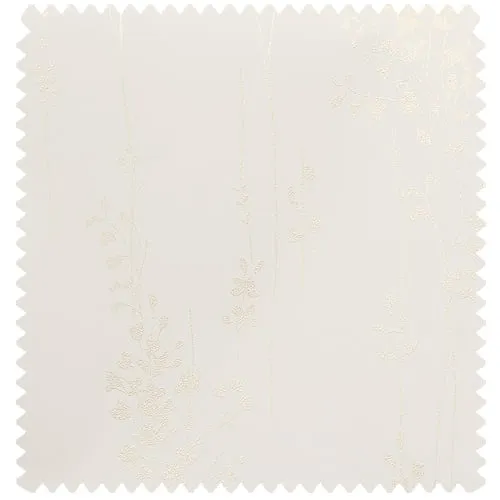
Peyton Roller
at So Easy Blinds
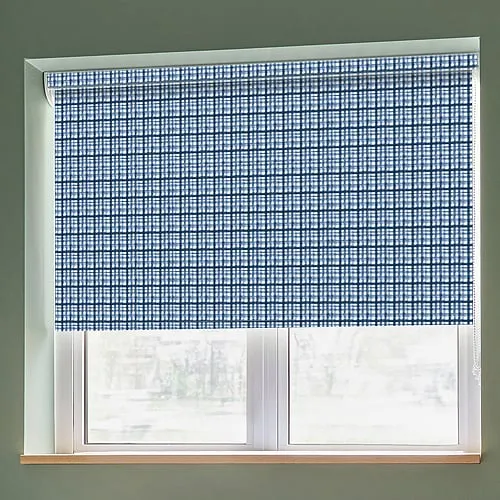
Gingham Roller
at So Easy Blinds
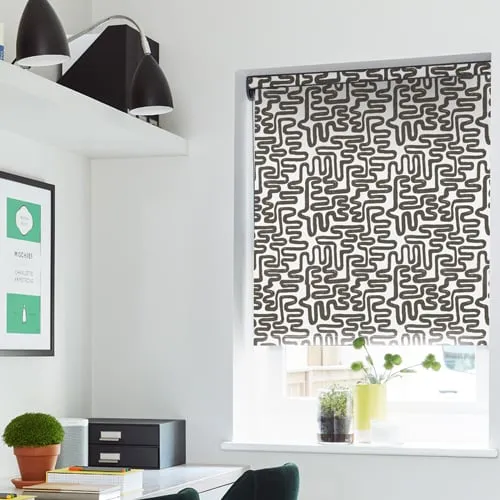
Glee Mono Roller
at So Easy Blinds
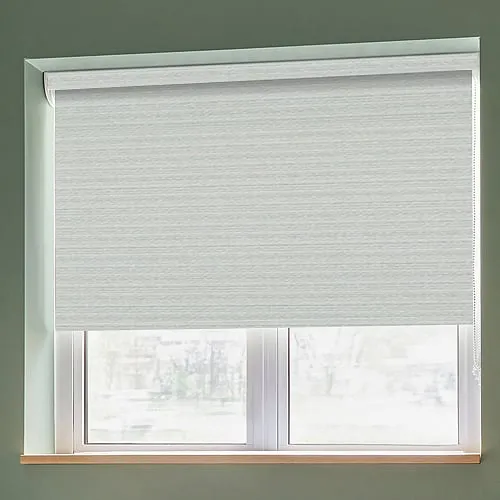
Lagan Asc Roller
at So Easy Blinds
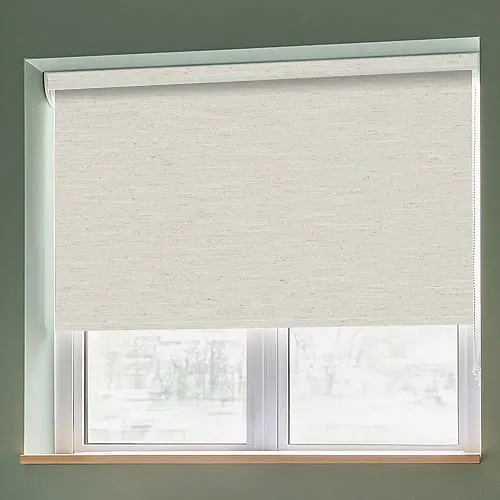
Linenweave Roller
at So Easy Blinds
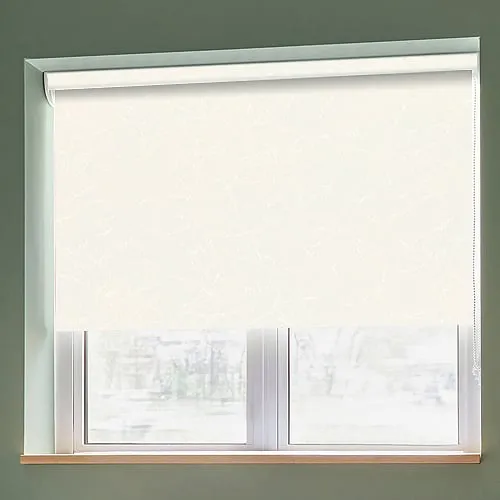
Nordic Asc Roller
at So Easy Blinds

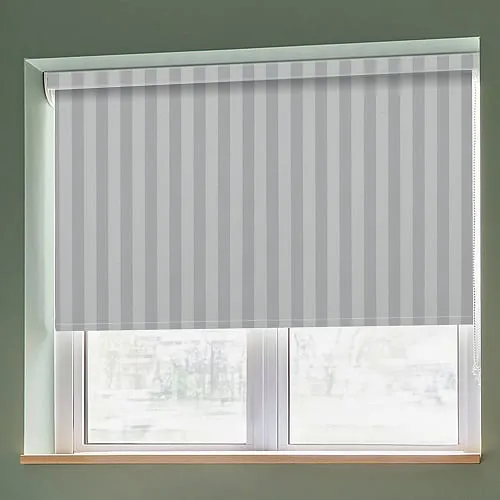
Strata Asc Roller
at So Easy Blinds
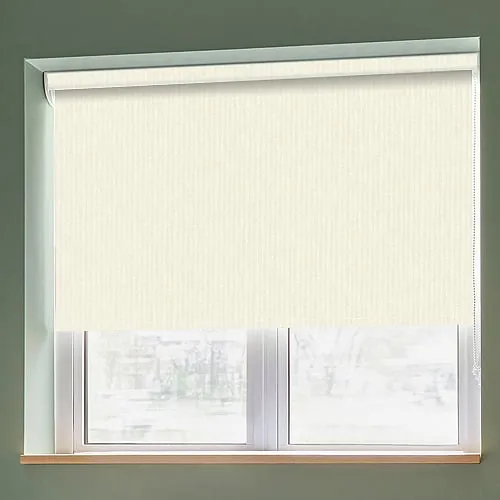
Ribbons Asc Roller
at So Easy Blinds
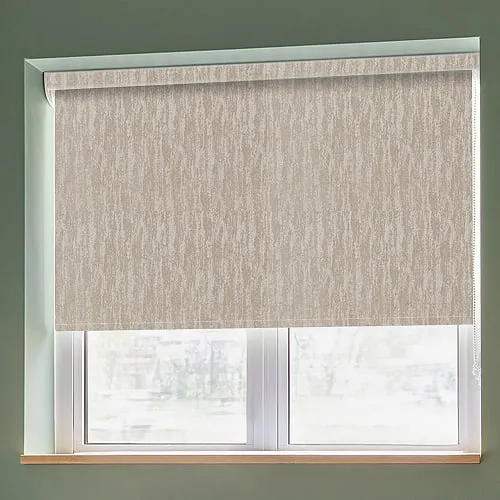
Radiance Asc Roller
at So Easy Blinds
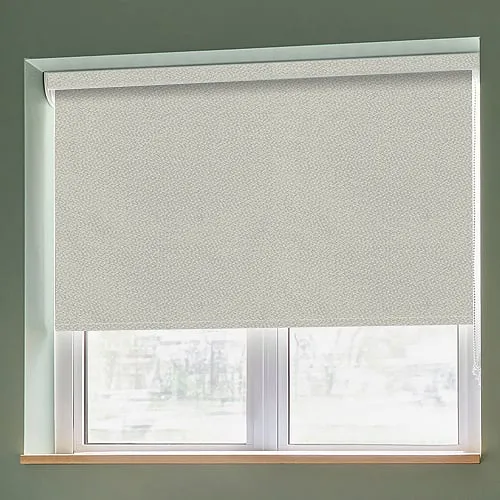
Fuse Roller
at So Easy Blinds
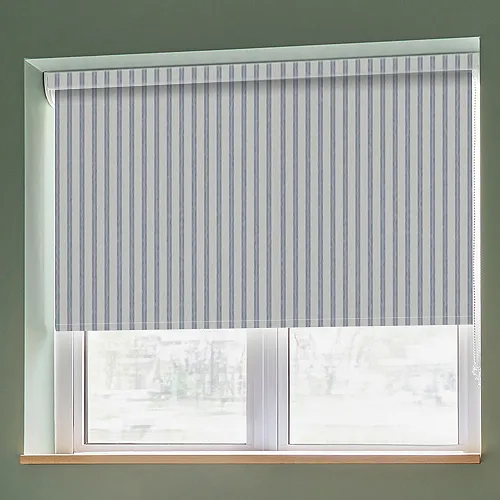
Lina Roller
at So Easy Blinds
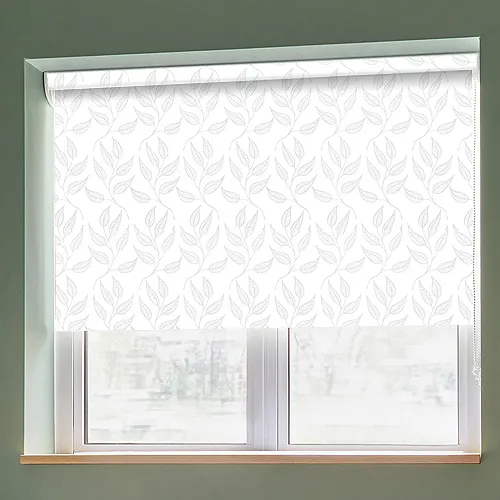
Sisi Roller
at So Easy Blinds
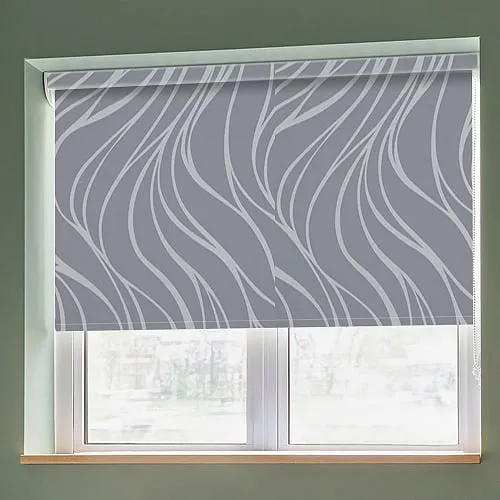
Zayn Roller
at So Easy Blinds
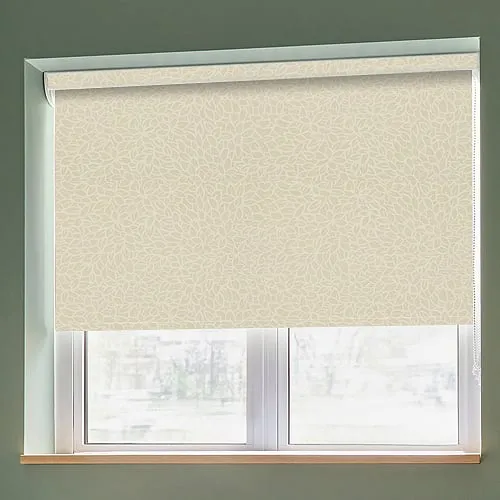
Layla Roller
at So Easy Blinds
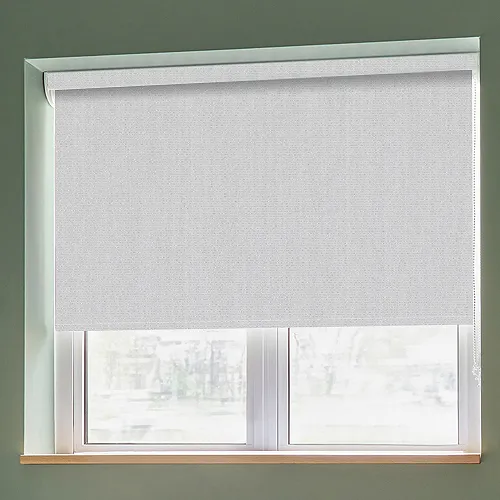
Paris Roller
at So Easy Blinds
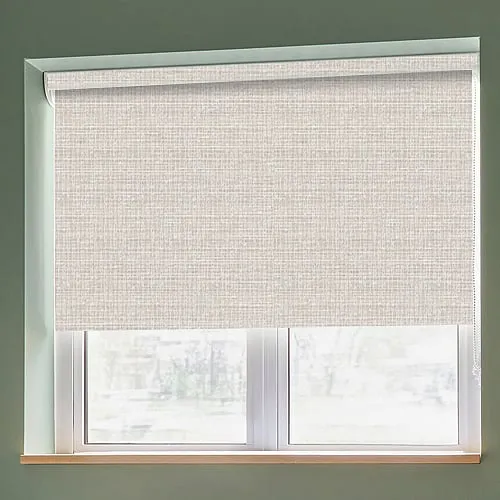
Ronda Roller
at So Easy Blinds
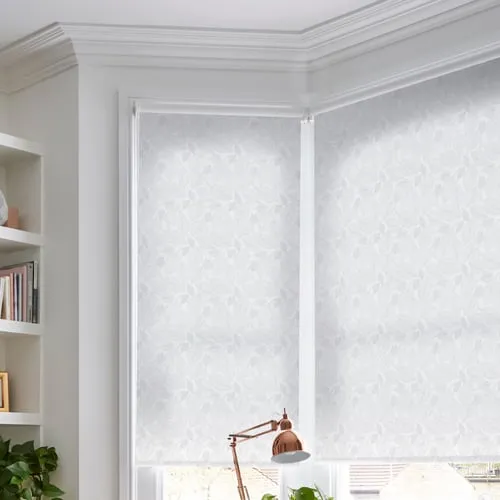
Autumn Roller
at So Easy Blinds
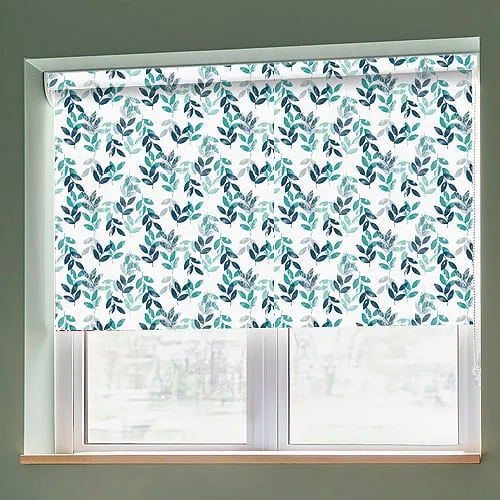
Maggie Roller
at So Easy Blinds
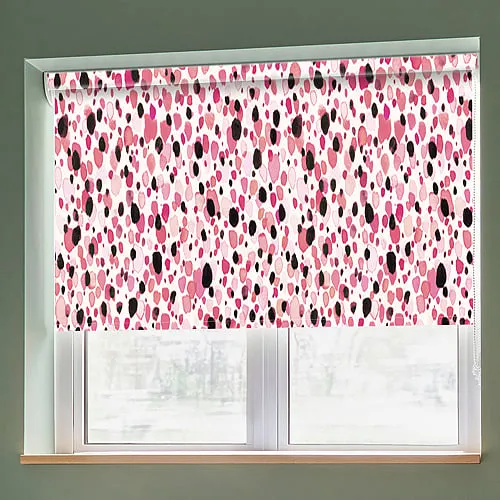
Vinnie Roller
at So Easy Blinds
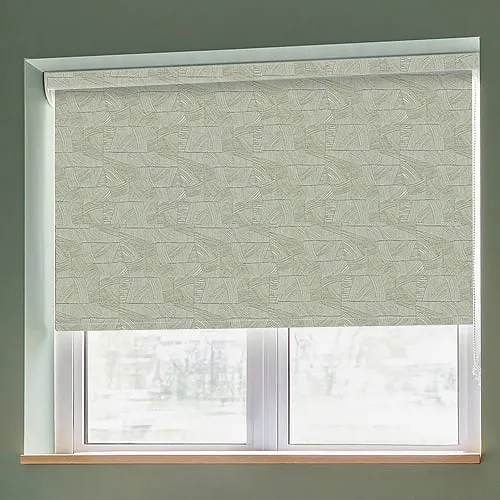
Artisan Roller
at So Easy Blinds
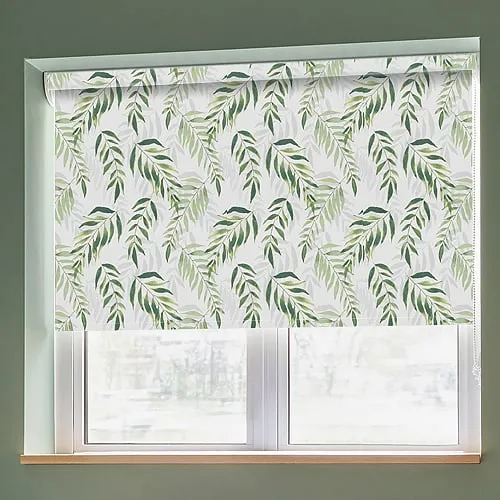
Clarice Roller
at So Easy Blinds
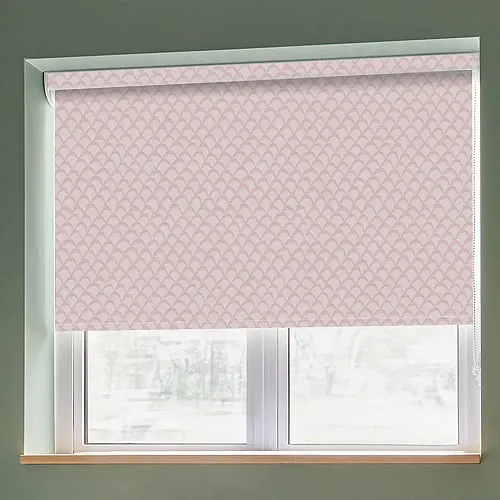
Claudia Roller
at So Easy Blinds

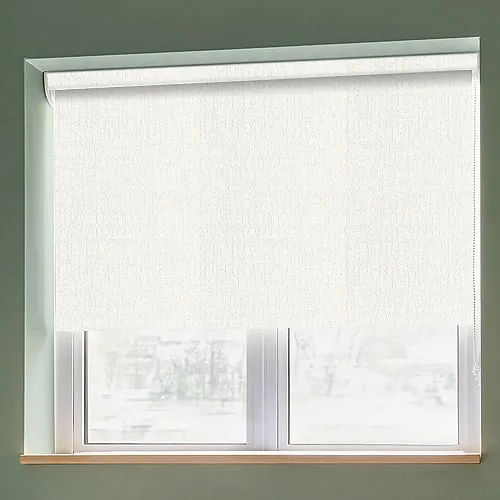
Elegance Roller
at So Easy Blinds
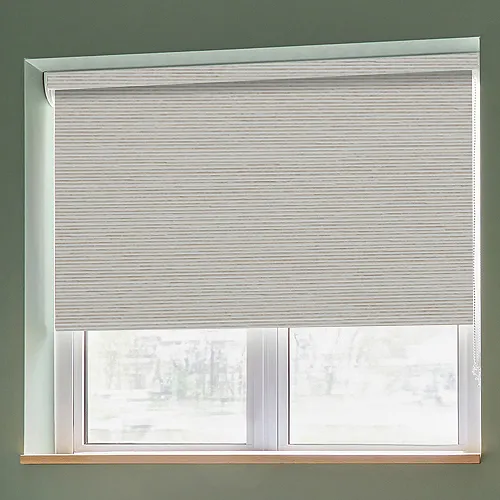
Tennessee Roller
at So Easy Blinds
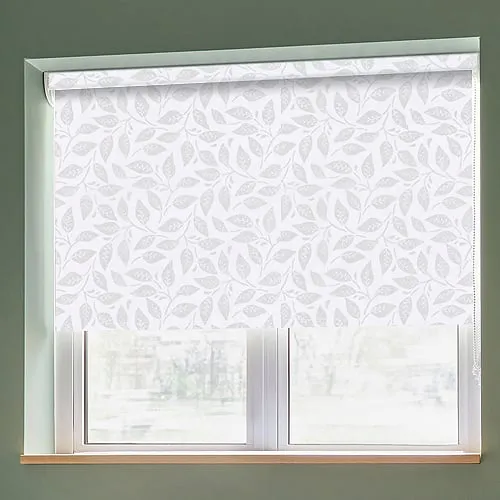
Vera Silver Roller
at So Easy Blinds
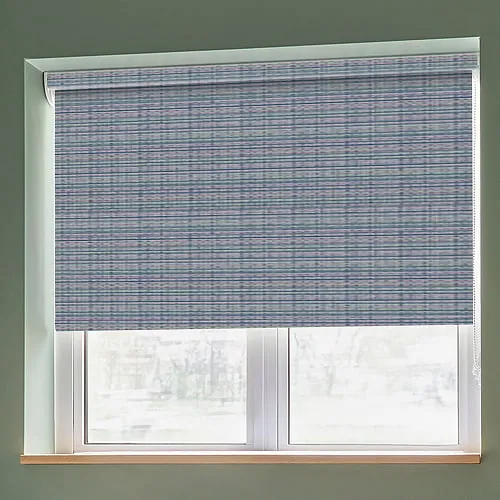
Liberty Ocean Roller
at So Easy Blinds
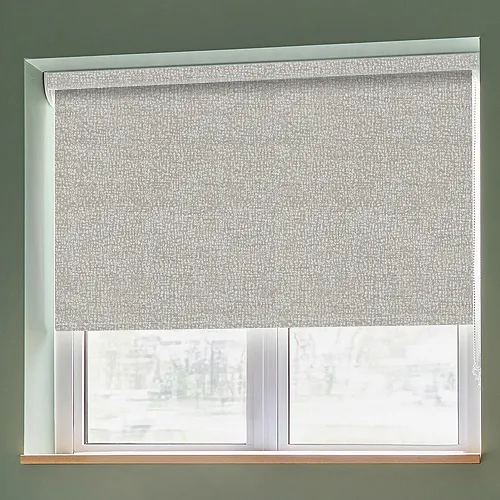
Vault Natural Roller
at So Easy Blinds

Splash Roller
at So Easy Blinds
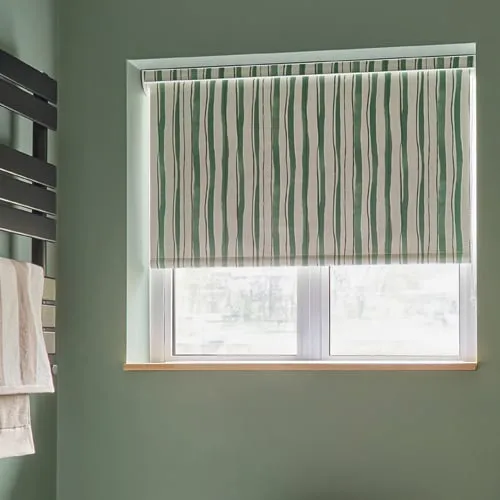
Jax Roller
at So Easy Blinds
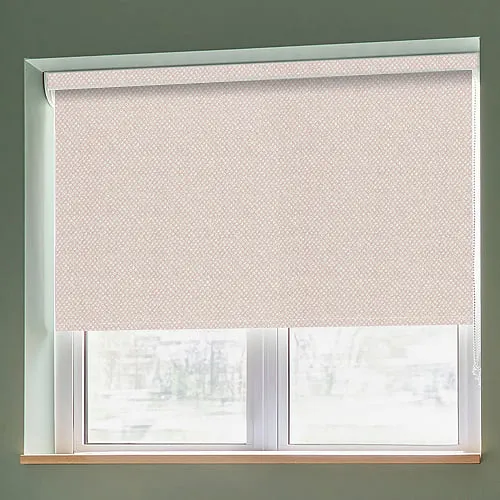
Foss Roller
at So Easy Blinds