
28 blackout roman blinds, £92-£213 for a standard window (around 1200×1200 mm). Enter your exact window below - each price updates to your size, and we move you to the right size band if you go outside this one.
Blackout fabric is woven tightly or given a coated backing so daylight cannot pass through the material itself. The catch is that a blind is not a sealed box: light still leaks in around the edges, where the fabric has to sit a little narrower than the recess to move freely, and along the top of the roll or stack. Even a good blackout fabric in an ordinary recess leaves a visible glow around the edges, so it is honest to think of it as deep shade rather than total darkness.
Where that edge light matters most - nurseries, shift workers sleeping in the day, media rooms, bright south-facing bedrooms - the answer is to seal the sides. Look for side channels or blackout tracks, a framed style such as perfect-fit or a roof blind held in channels, or a face-fixed blind cut to overlap the reveal. One real limit: slatted and louvred blinds (venetian, vertical) and layered day-and-night blinds cannot truly black out, because the slat tilts, cord holes and sheer bands always pass some light however dark the fabric. For genuine darkness, rollers, lined romans, channelled pleated and roof blinds get closest.
Two things help when you are choosing. The darkness comes from the coating or the tight weave, not the shade, so a pale blackout fabric blocks just as well as a dark one - pick the colour you want and let the cloth do the work. And blackout is really about light rather than warmth or noise, though a dense fabric does take a little of the chill and the echo out of a room as a welcome side benefit. If a blind is sold as a blackout venetian or a blackout vertical, read that as the darkest the style manages, not a promise of a dark room.
If a properly dark room is the goal, two fittings make the biggest difference: choosing a face fit cut to overlap the opening by a good margin on every side, or adding side channels that the fabric runs inside. Both close down the edge gap an ordinary recess blind leaves, and they matter far more to the result than the grade of fabric on its own. Measure for that overlap before you order, because a blackout blind cut to the bare opening will always leave the thin line of light at the edges you were trying to be rid of.
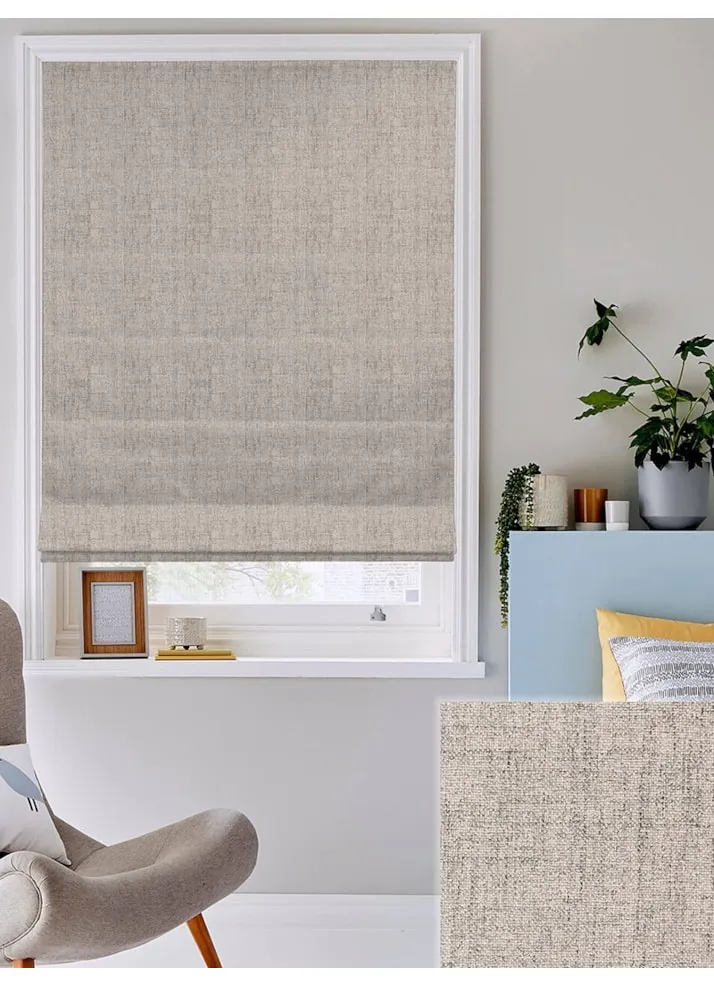
A roman blind draws up into soft, overlapping horizontal folds of fabric, giving a fuller, more curtain-like look than a flat blind. It brings warmth and softness to a room, which is why it suits living rooms, bedrooms and bay windows where the feel of the fabric matters. It is less at home in kitchens and bathrooms, where the folds can hold steam and cooking smells, and on very wide windows, where the raised bundle of fabric becomes a heavy, bulky stack at the top.
Romans are made in dressier fabrics - cottons, linens, weaves and prints - and usually take a separate lining, which is where the light control lives: choose a standard, thermal or blackout lining to suit the room. Even with a blackout lining the folds and edges let some light through, so it darkens well rather than completely. Care is less casual than a roller, and some fabrics are dry-clean only. Because a roman uses more fabric than a roller and adds a corded or chain-driven head, it tends to cost more than a roller at the same size.
One thing to plan for is the stack: even fully lowered, a roman keeps a band of gathered fabric at the top, which sits proud on a shallow recess and is worth allowing for on a bay or above a radiator. A cassette headrail tidies that top edge, and a blackout or thermal lining lets the same blind work harder on warmth and light.
28 of 28 ranges shown.

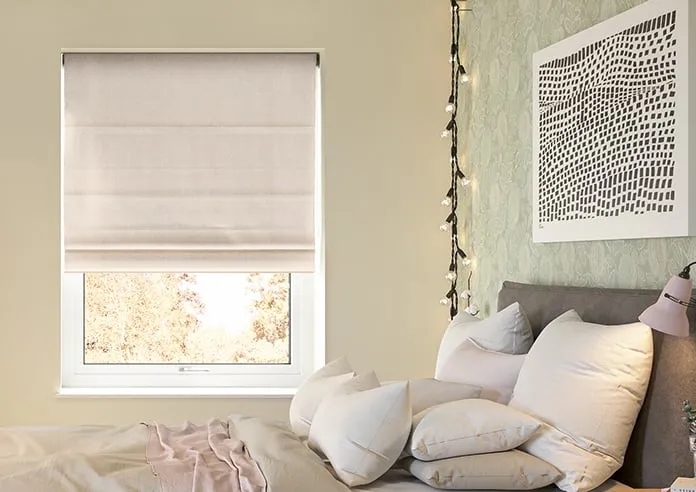
Atina Roman
at 247 Blinds


Bruschal Roman
at 247 Blinds
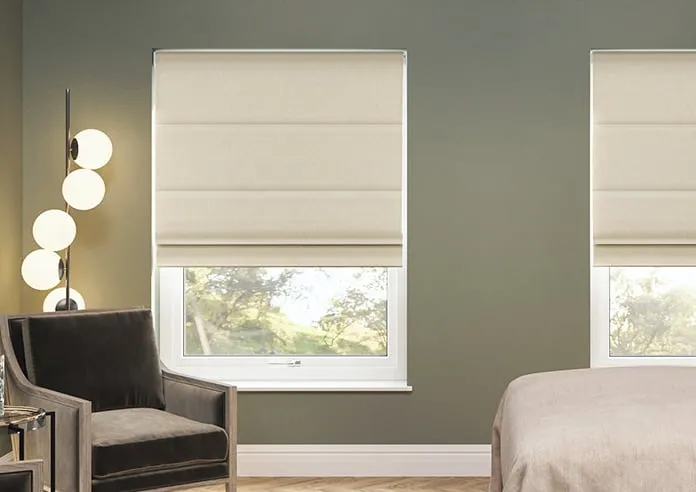
Genoa Faux Silk Shimmer Roman
at 247 Blinds

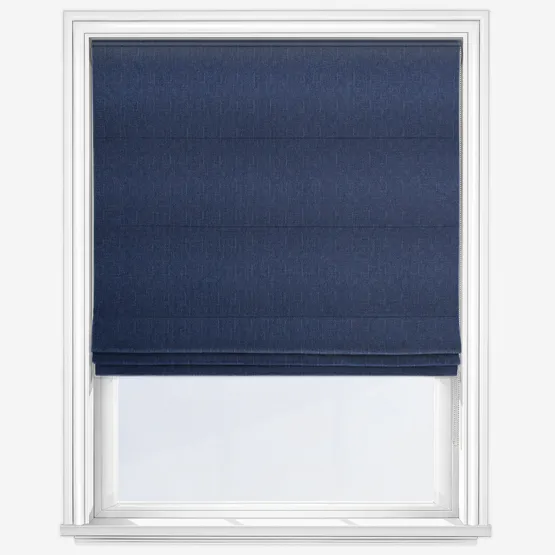
Neptune Roman
at Wilsons Blinds
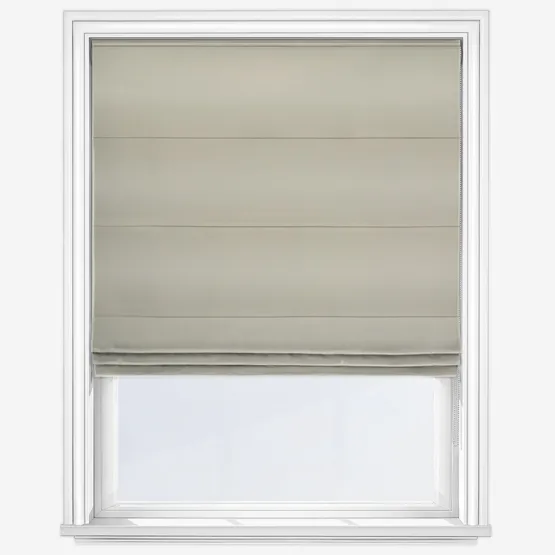
Narvi Roman
at Wilsons Blinds

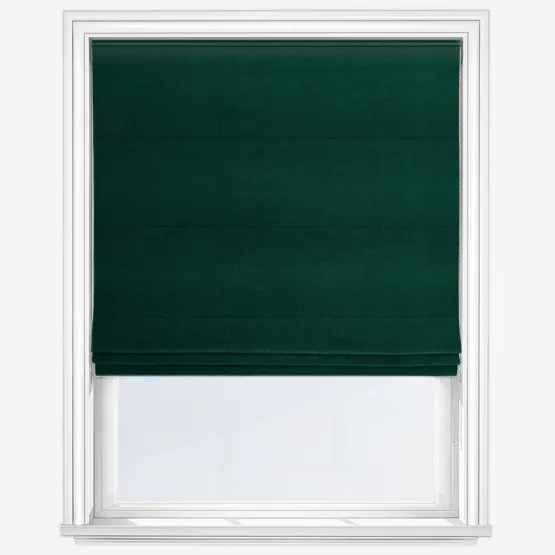
Venus Roman
at Wilsons Blinds
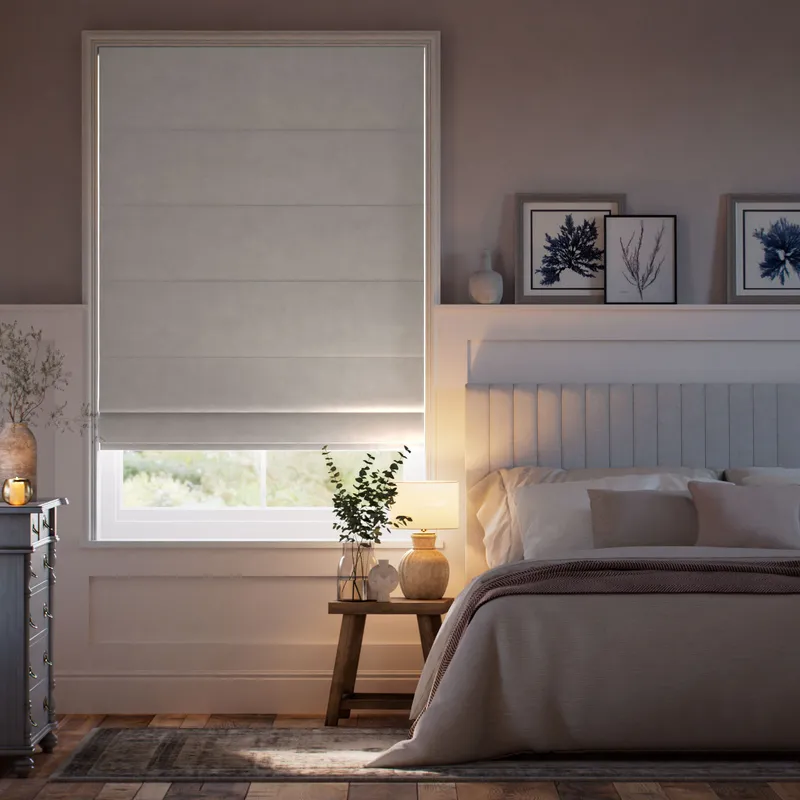
Cambridge Velvet Roman
at Blinds 2go

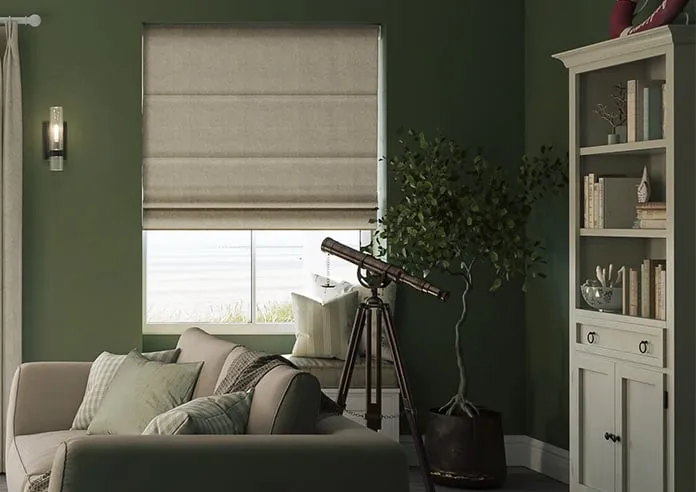
Roslin Roman
at 247 Blinds

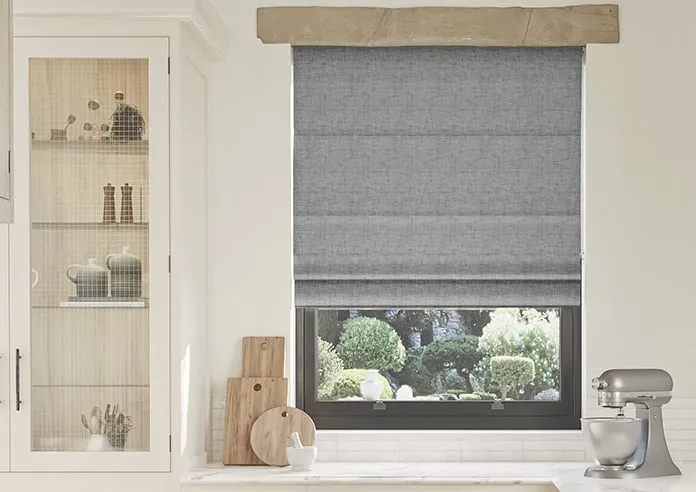
Melrose Roman
at 247 Blinds
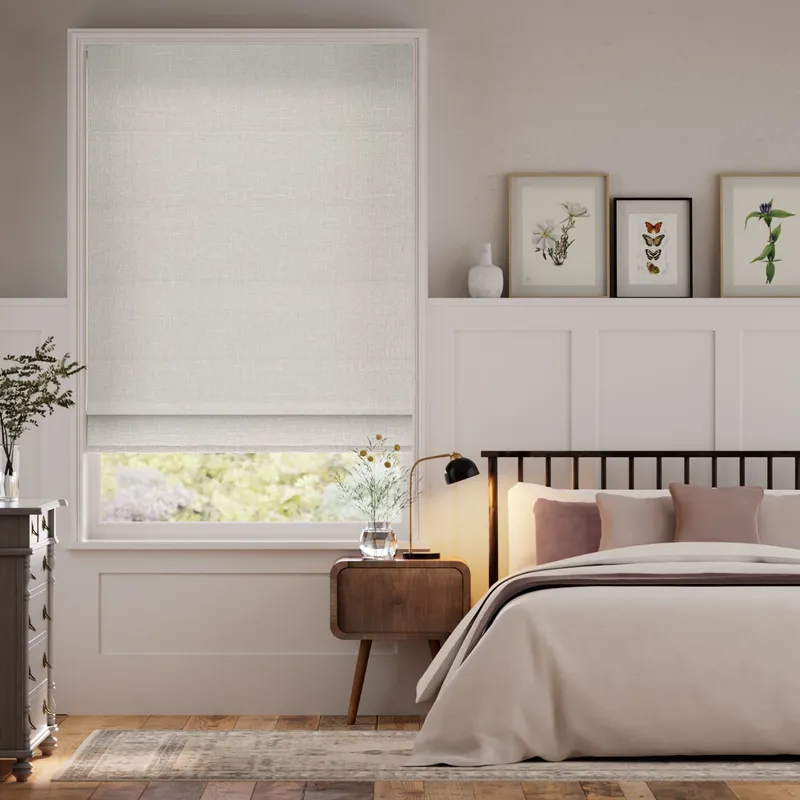
Sedona Roman
at Blinds 2go
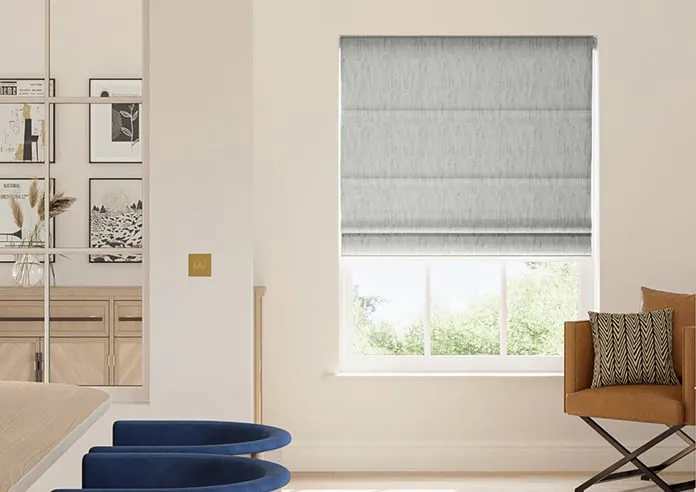
Culross Speckled Roman
at 247 Blinds

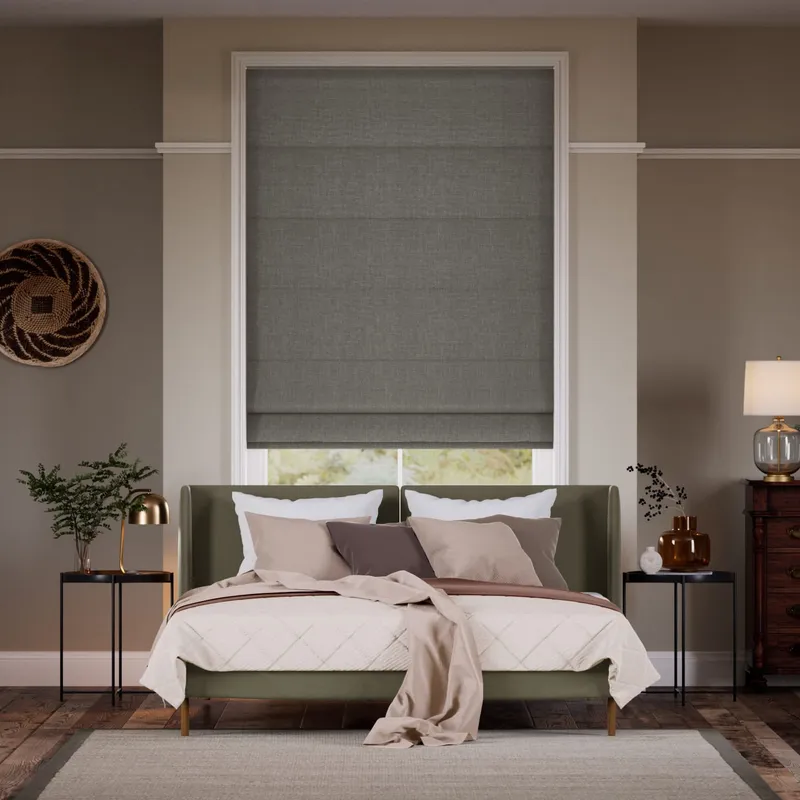
Denver Roman
at Blinds 2go
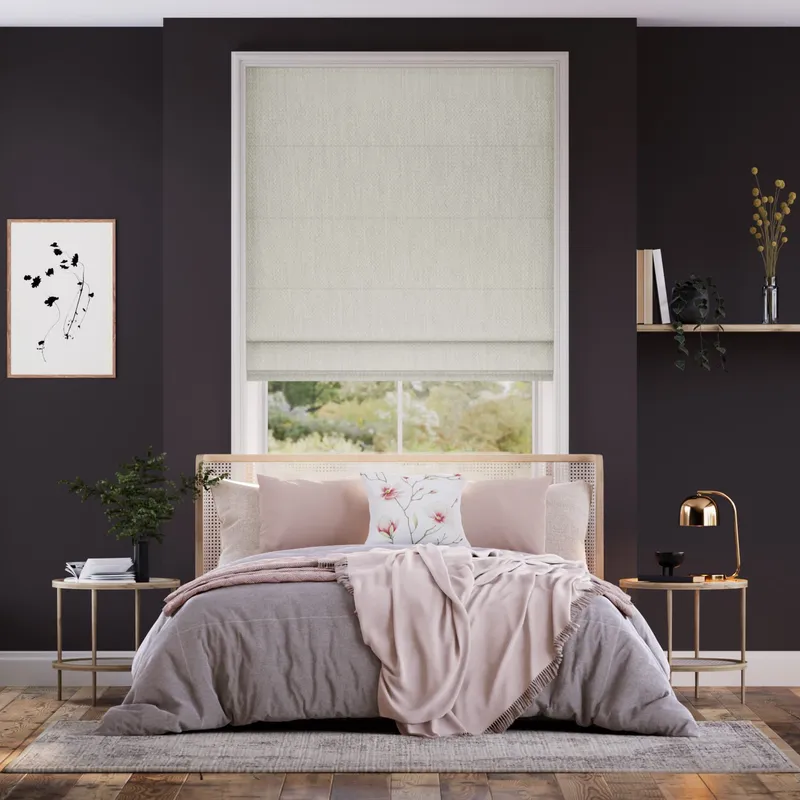
Grenada Roman
at Blinds 2go
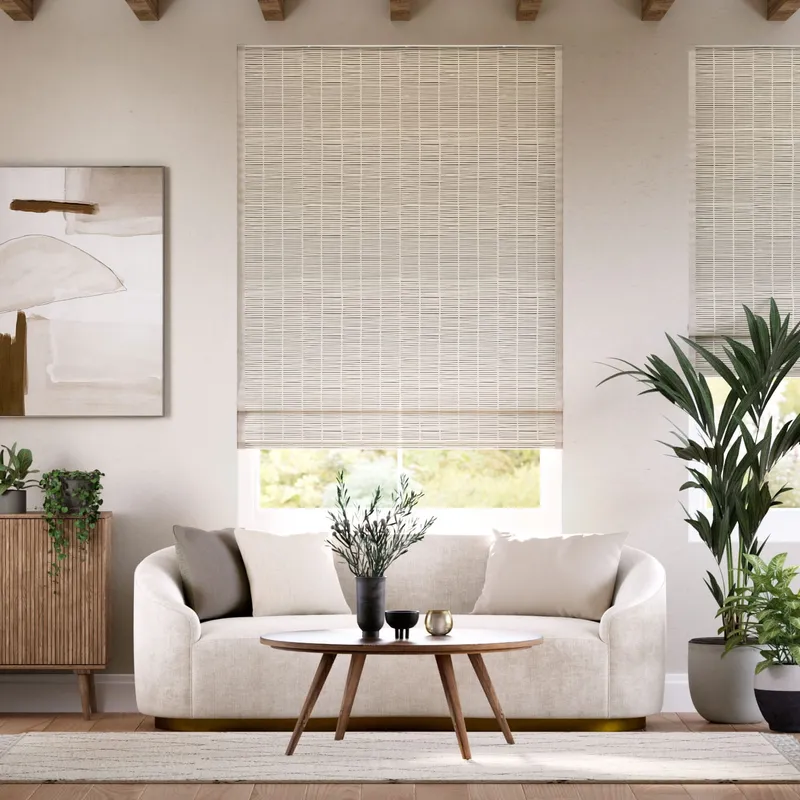
Tulum Birch Pumice Roman
at Blinds 2go
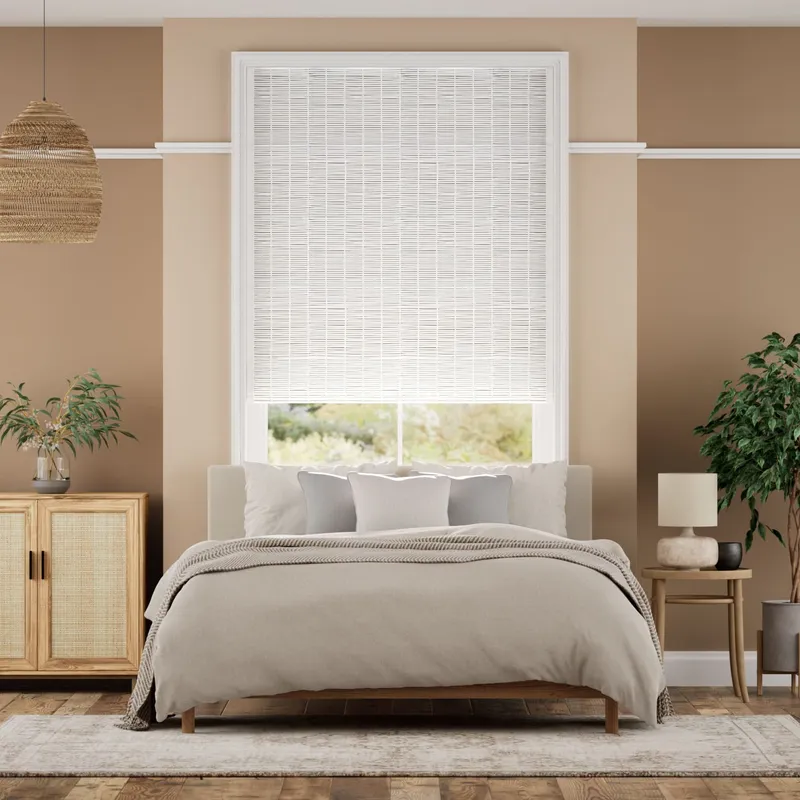
Goa Alabaster Bone Roman
at Blinds 2go
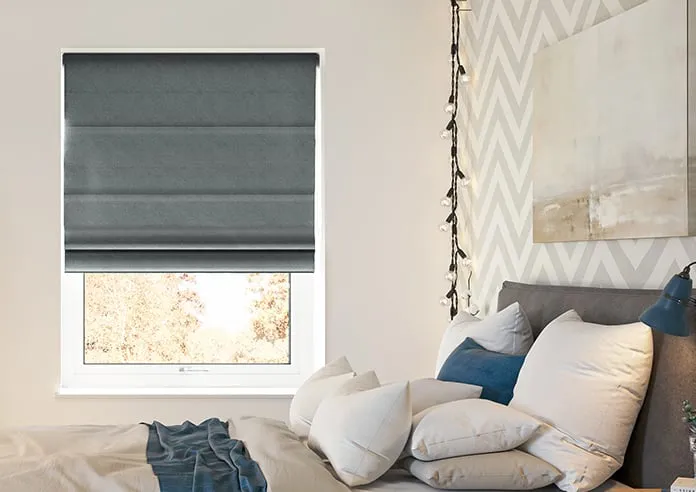
Classic Herringbone Roman
at 247 Blinds
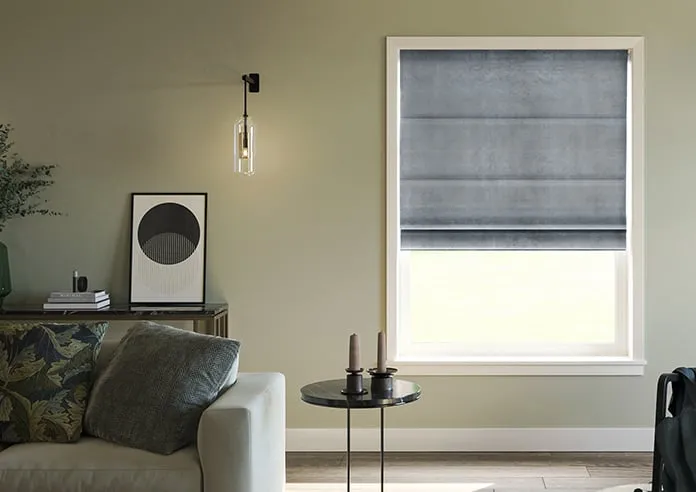
Velvet Opulence Storm Roman
at 247 Blinds

Orka Roman
at Swift Direct Blinds

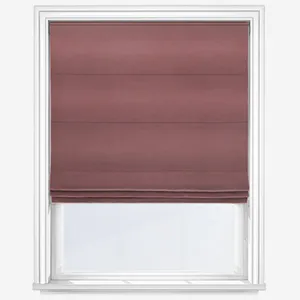
Venus Roman
at Blinds Direct
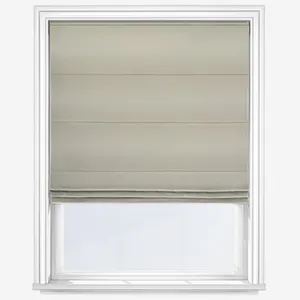
Narvi Roman
at Blinds Direct
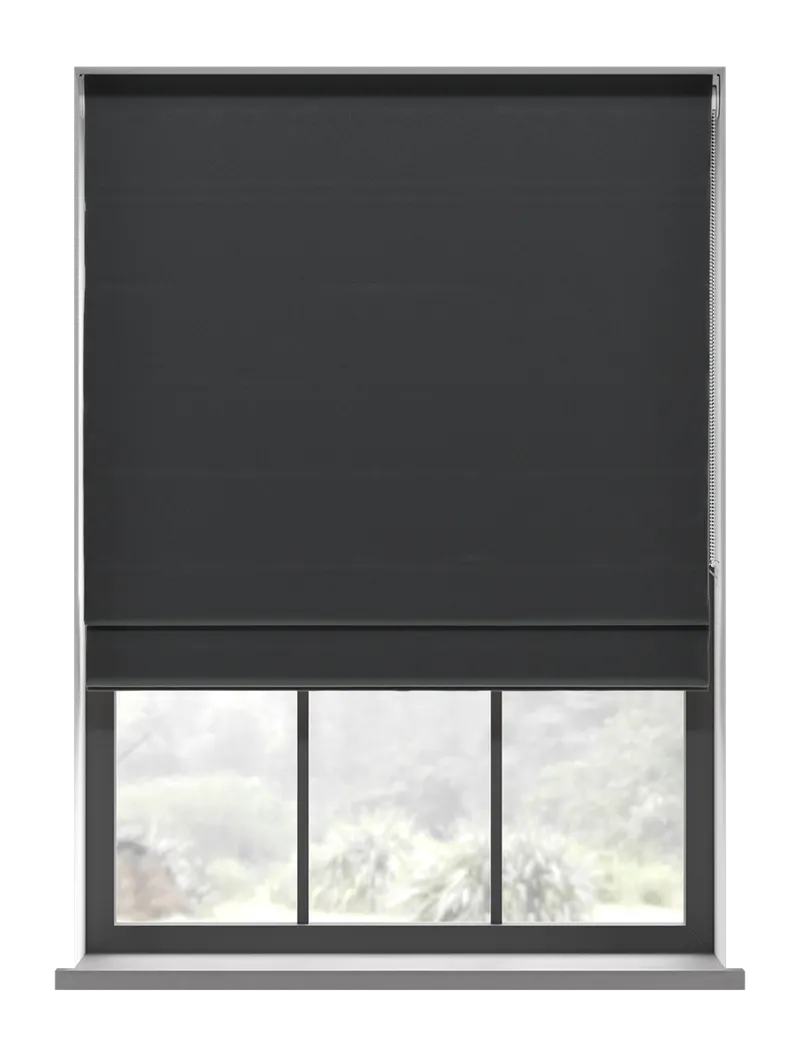
Orka Roman
at Make My Blinds


Sambo Roman
at Swift Direct Blinds
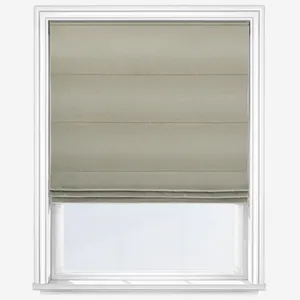
Neptune Roman
at Blinds Direct
%22%3E%0A%20%20%20%20%20%20%3Crect%20width%3D%2214%22%20height%3D%2214%22%20fill%3D%22%23e88a8a%22%2F%3E%0A%20%20%20%20%20%20%3Crect%20x%3D%220%22%20y%3D%220%22%20width%3D%224%22%20height%3D%2214%22%20fill%3D%22%23ffcc4f%22%20opacity%3D%220.85%22%2F%3E%0A%20%20%20%20%20%20%3Crect%20x%3D%228%22%20y%3D%220%22%20width%3D%223%22%20height%3D%2214%22%20fill%3D%22%234fc3f7%22%20opacity%3D%220.85%22%2F%3E%0A%20%20%20%20%3C%2Fpattern%3E%0A%20%20%3C%2Fdefs%3E%0A%20%20%3Crect%20x%3D%2260%22%20y%3D%2222%22%20width%3D%2280%22%20height%3D%228%22%20rx%3D%221.5%22%20fill%3D%22%233a3a3a%22%2F%3E%0A%20%20%3Crect%20x%3D%2262%22%20y%3D%2230%22%20width%3D%2276%22%20height%3D%2283%22%20fill%3D%22url(%23print-fill)%22%20stroke%3D%22%232a2a2a%22%20stroke-width%3D%220.8%22%2F%3E%0A%20%20%3Crect%20x%3D%2257%22%20y%3D%22113%22%20width%3D%2286%22%20height%3D%225%22%20rx%3D%221%22%20fill%3D%22%233a3a3a%22%2F%3E%0A%20%20%3Cline%20x1%3D%22146%22%20y1%3D%2230%22%20x2%3D%22146%22%20y2%3D%22116%22%20stroke%3D%22%239a9a9a%22%20stroke-width%3D%221%22%2F%3E%0A%20%20%3Ccircle%20cx%3D%22146%22%20cy%3D%22120%22%20r%3D%222.2%22%20fill%3D%22%239a9a9a%22%2F%3E%0A%3C%2Fsvg%3E)
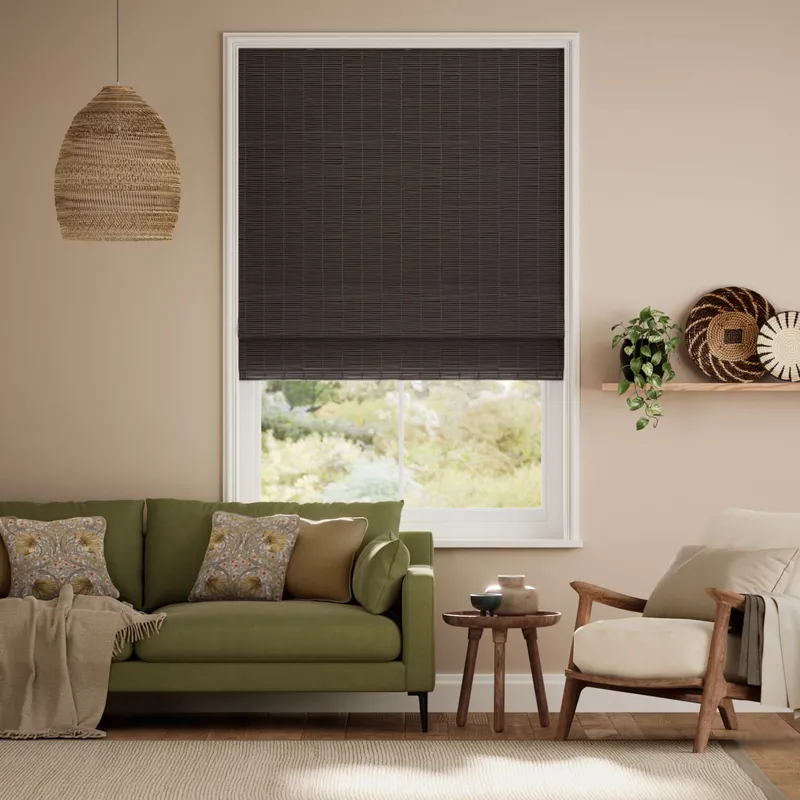
Vanua Umber Roman
at Blinds 2go
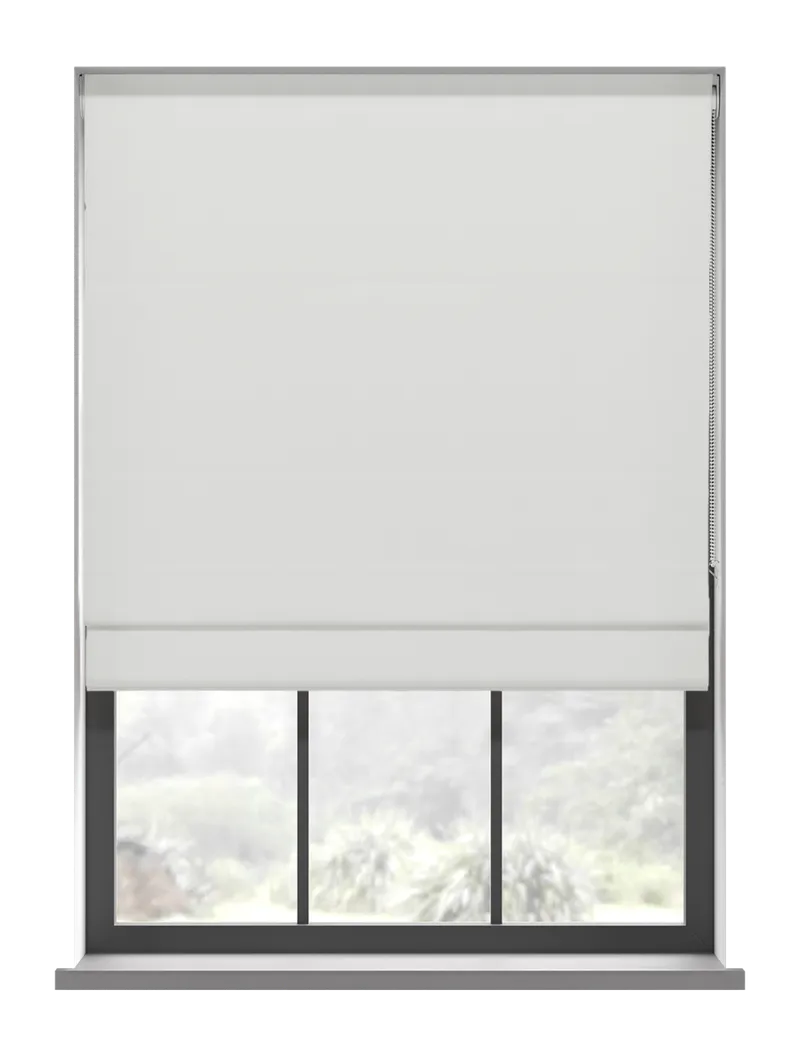
Sambo Roman
at Make My Blinds
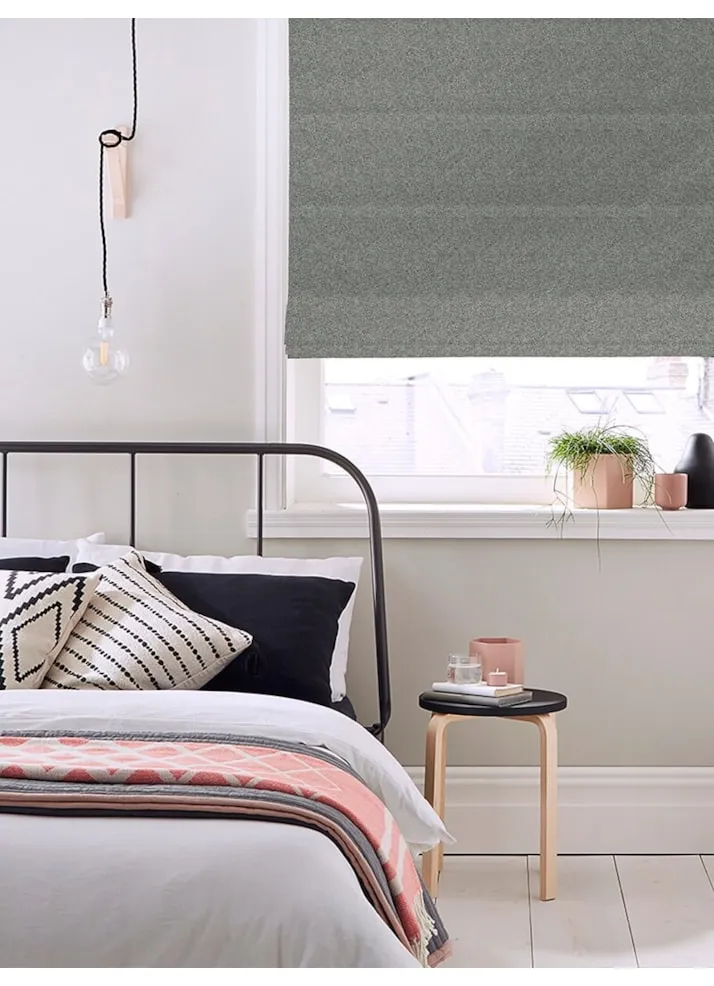
Hampton Roman
at Order Blinds
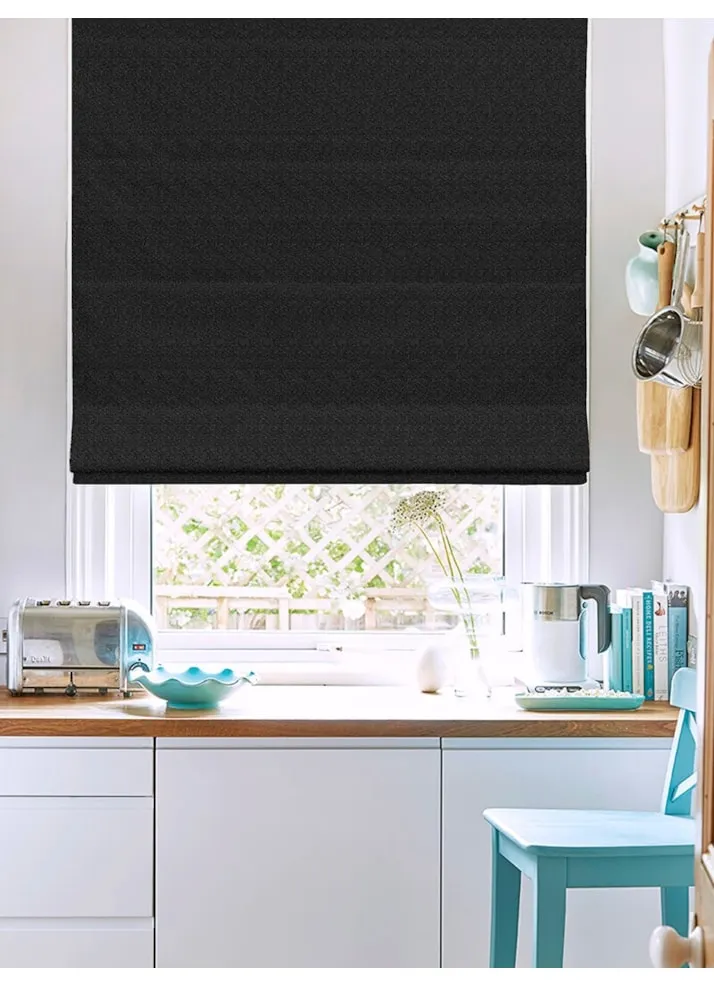
Tribeca Roman
at Order Blinds
Opulence Roman
at Order Blinds