
54 blackout pleated blinds, £50-£365 for a standard window (around 700×1200 mm). Enter your exact window below - each price updates to your size, and we move you to the right size band if you go outside this one.
Blackout fabric is woven tightly or given a coated backing so daylight cannot pass through the material itself. The catch is that a blind is not a sealed box: light still leaks in around the edges, where the fabric has to sit a little narrower than the recess to move freely, and along the top of the roll or stack. Even a good blackout fabric in an ordinary recess leaves a visible glow around the edges, so it is honest to think of it as deep shade rather than total darkness.
Where that edge light matters most - nurseries, shift workers sleeping in the day, media rooms, bright south-facing bedrooms - the answer is to seal the sides. Look for side channels or blackout tracks, a framed style such as perfect-fit or a roof blind held in channels, or a face-fixed blind cut to overlap the reveal. One real limit: slatted and louvred blinds (venetian, vertical) and layered day-and-night blinds cannot truly black out, because the slat tilts, cord holes and sheer bands always pass some light however dark the fabric. For genuine darkness, rollers, lined romans, channelled pleated and roof blinds get closest.
Two things help when you are choosing. The darkness comes from the coating or the tight weave, not the shade, so a pale blackout fabric blocks just as well as a dark one - pick the colour you want and let the cloth do the work. And blackout is really about light rather than warmth or noise, though a dense fabric does take a little of the chill and the echo out of a room as a welcome side benefit. If a blind is sold as a blackout venetian or a blackout vertical, read that as the darkest the style manages, not a promise of a dark room.
If a properly dark room is the goal, two fittings make the biggest difference: choosing a face fit cut to overlap the opening by a good margin on every side, or adding side channels that the fabric runs inside. Both close down the edge gap an ordinary recess blind leaves, and they matter far more to the result than the grade of fabric on its own. Measure for that overlap before you order, because a blackout blind cut to the bare opening will always leave the thin line of light at the edges you were trying to be rid of.
A pleated blind is a concertina of crisply folded fabric that gathers flat as it raises, giving a slim, neat profile that suits windows where bulk would get in the way. Cellular or honeycomb versions take this further: the pleats form rows of air-trapping cells that add a layer of insulation, helping keep heat in through winter and out in summer. Many pleated blinds also offer a top-down, bottom-up action, so you can drop the top for light while keeping the lower half private.
Fabrics span light-filtering to blackout, often with a reflective backing that bounces heat and glare. Like other flat blinds the cells and edges let some light slip past, so a blackout pleated really needs side channels to come close to full darkness. Their slimness makes them a common choice for skylights and conservatories as well as ordinary windows. Care is gentle - a dust or a careful vacuum - and a sharp fold left compressed can set, so handle them kindly. On price they sit in the mid-range, with cellular versions costing a little more than plain ones.
The top-down, bottom-up action is the pleated blind's party trick: lower the top for daylight while the bottom stays up for privacy, or do the reverse. Raised, the whole blind gathers into a stack barely deeper than a few folds, which is part of why pleated blinds are such a favourite for skylights, conservatory roofs and slim door panels where a bulkier blind would intrude.
54 of 54 ranges shown.

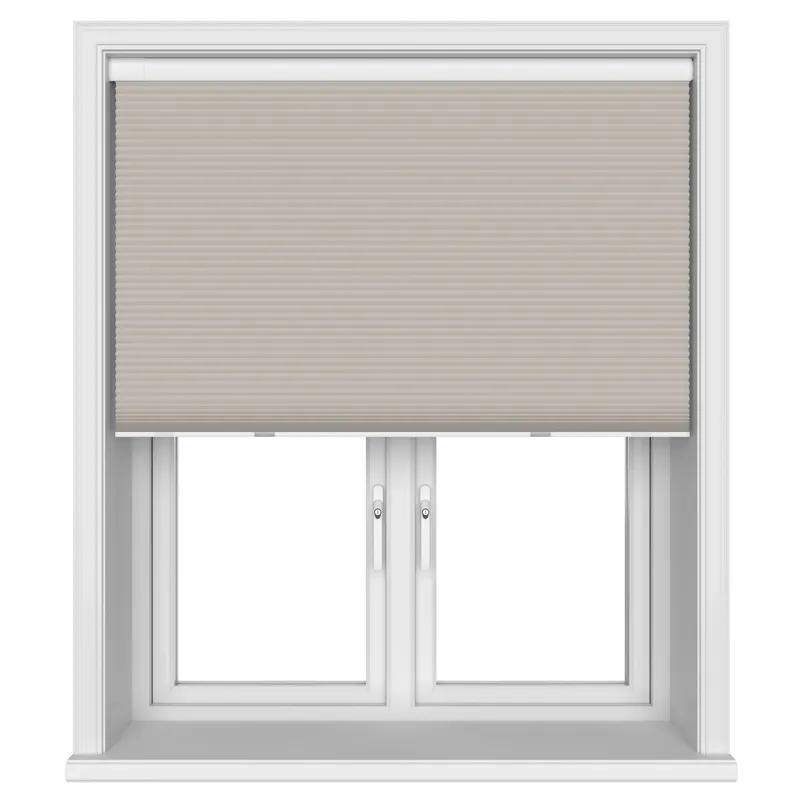
Blackout Pleated
at Blinds By Post


Gaia Pleated
at 247 Blinds
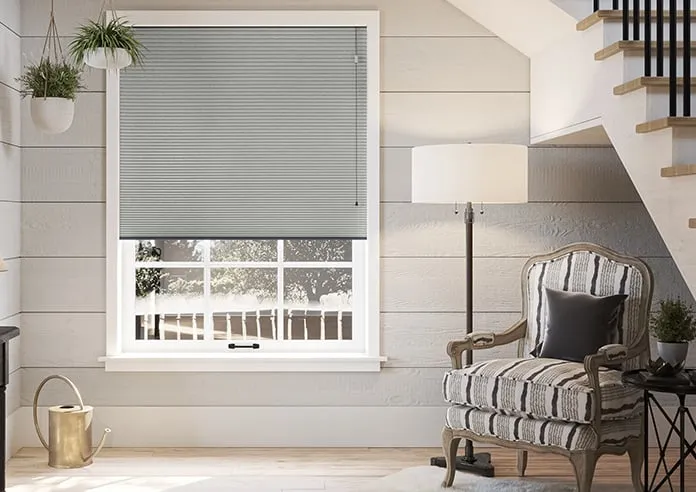
Skylar Pleated
at 247 Blinds

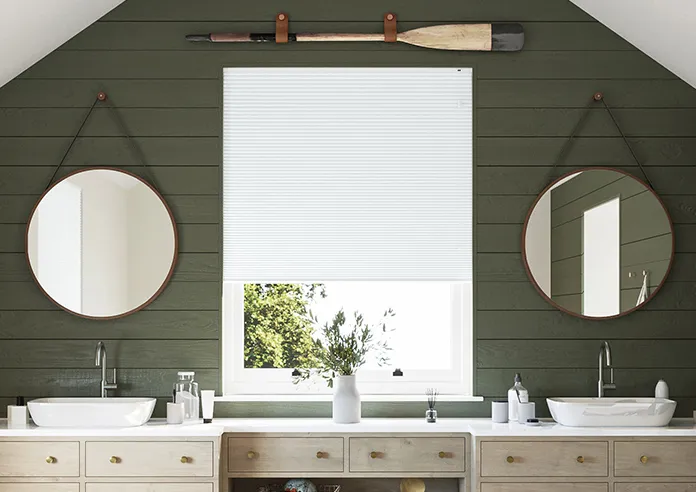
Celeste Pleated
at 247 Blinds
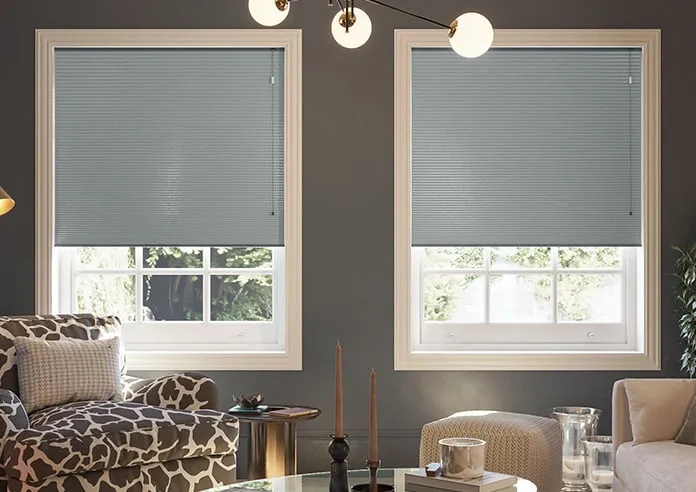
Eclipse Pleated
at 247 Blinds

Cosima Pleated
at 247 Blinds


Maxshade Complete Thermal Pleated
at Blinds 2go

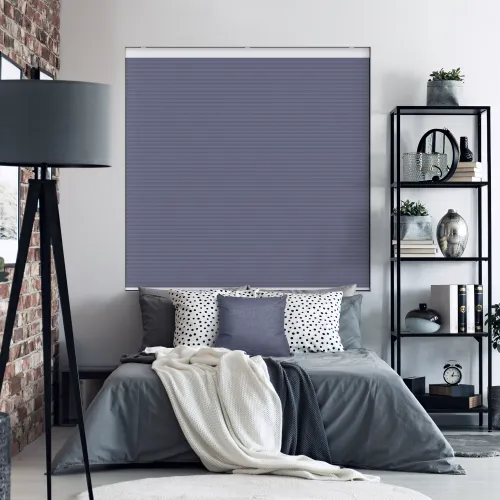
Maven Blue Cordless Honeycomb Pleated
at Lifestyle Blinds
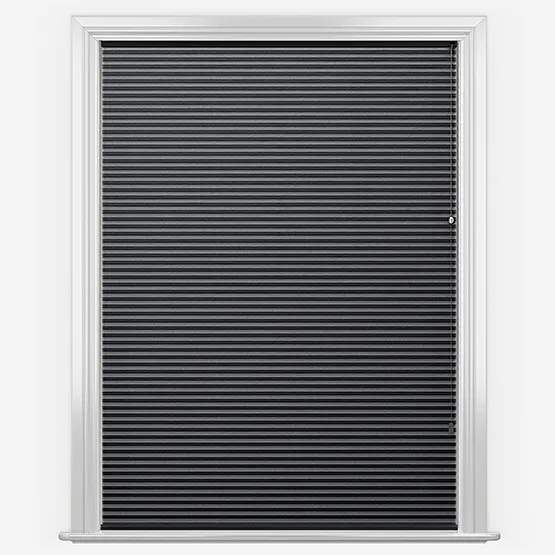
Hamburg Jet Honeycomb Pleated
at Wilsons Blinds

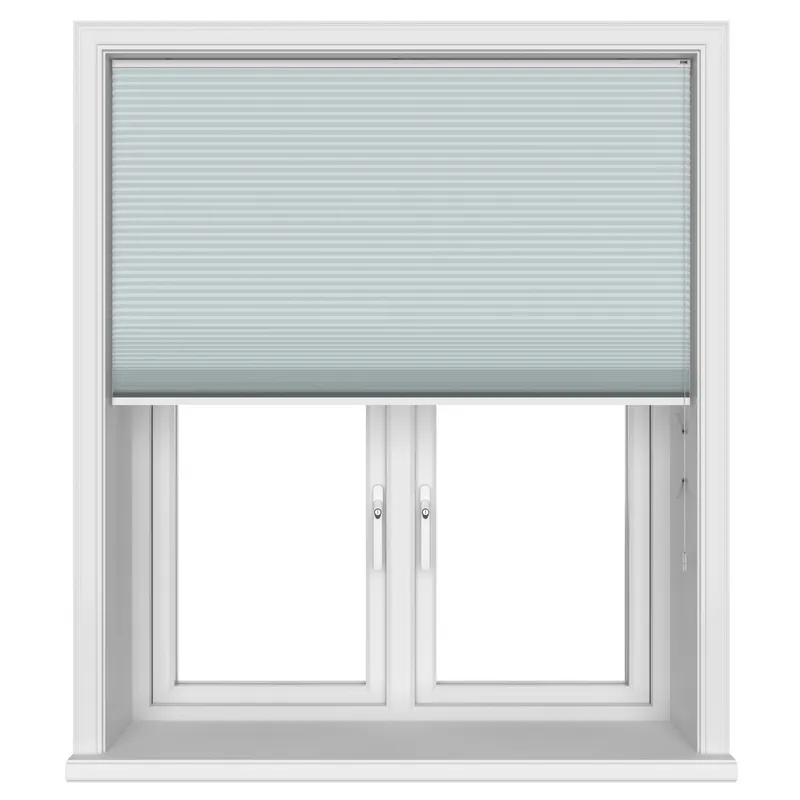
Tradechoice Pleated
at Blinds By Post
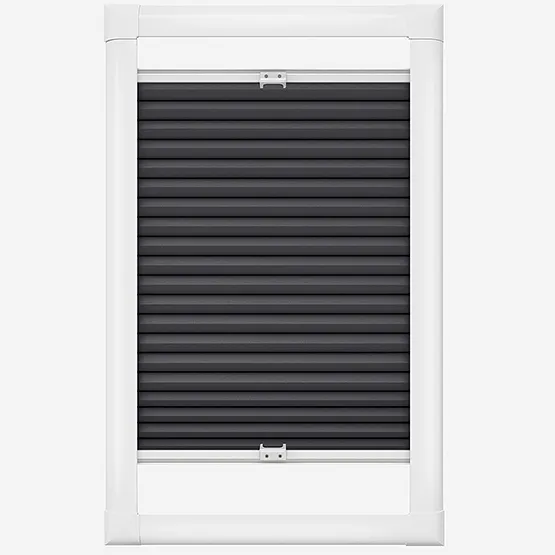
Thermocell Pleated
at Wilsons Blinds


Click2shade Complete Thermal Pleated
at Blinds 2go
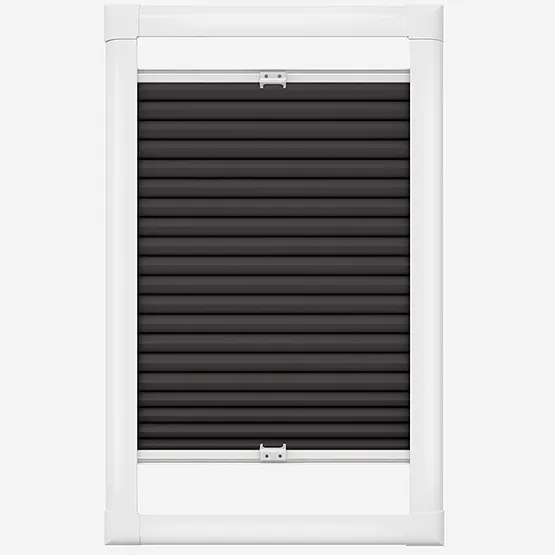
Double Sided Ecocell Espresso Pleated
at Wilsons Blinds
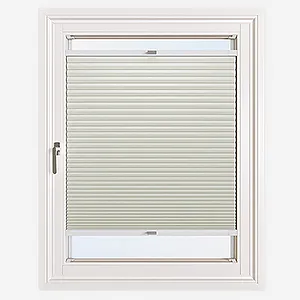
Thermocell Easy Click Honeycomb Pleated
at Blinds Direct
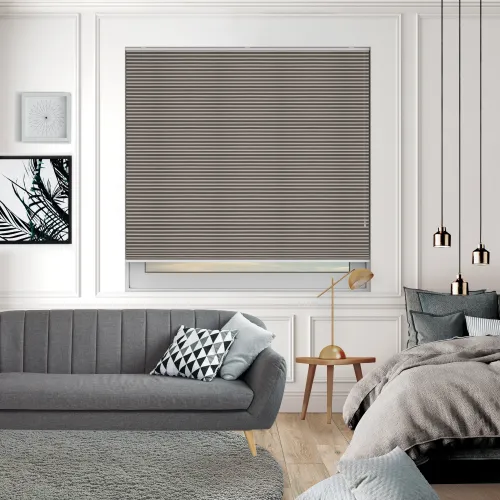
Free Hanging Vexia Honeycomb Pleated
at Lifestyle Blinds
Thermocell Easy Stick Honeycomb Pleated
at Blinds Direct
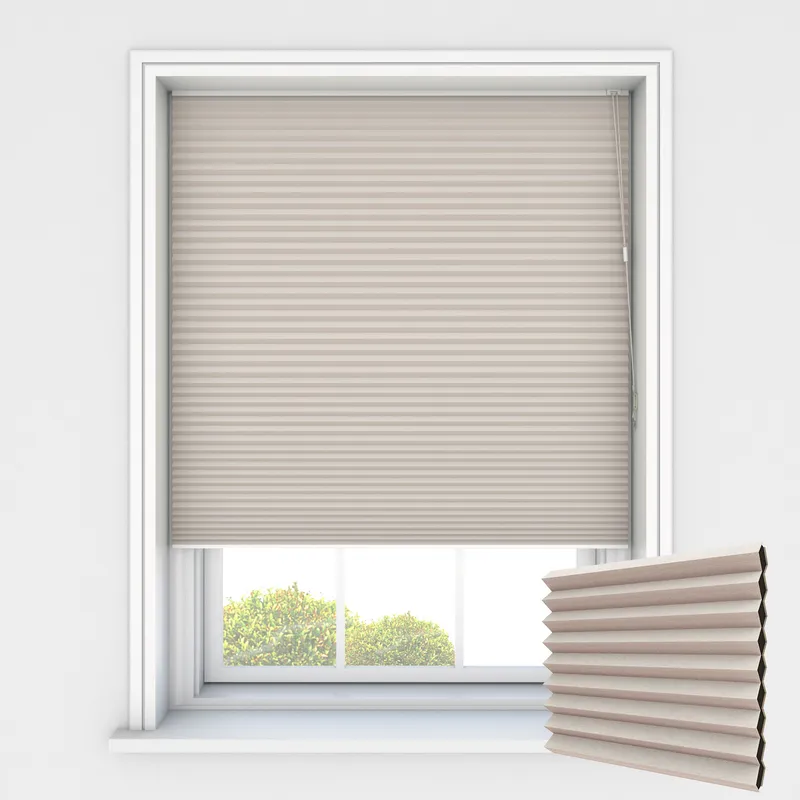
Luna Thermal Honeycomb Pleated
at New Blinds
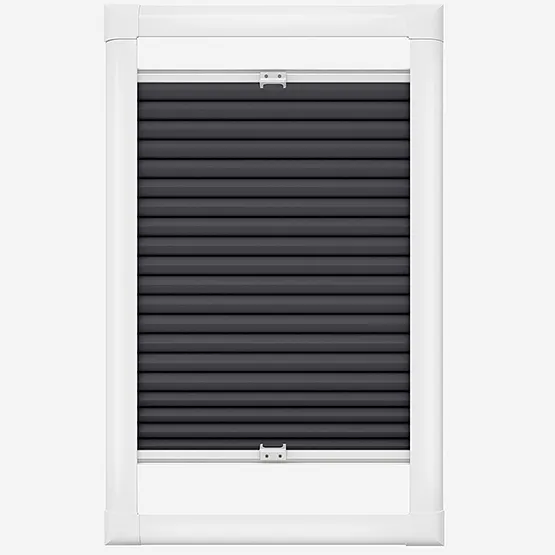
Berlin Jet Pleated
at Wilsons Blinds
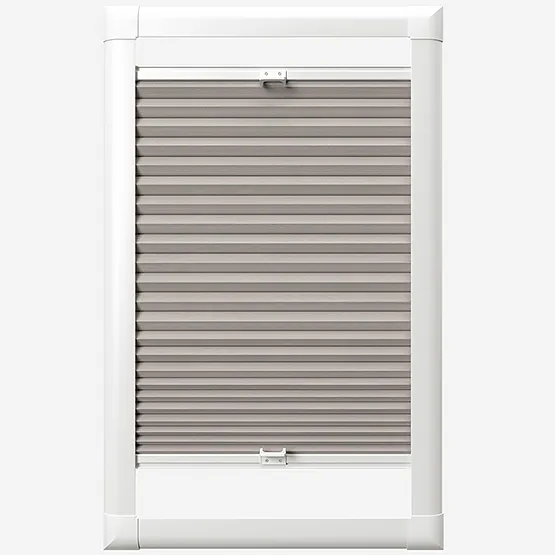
Aquacell Pleated
at Wilsons Blinds
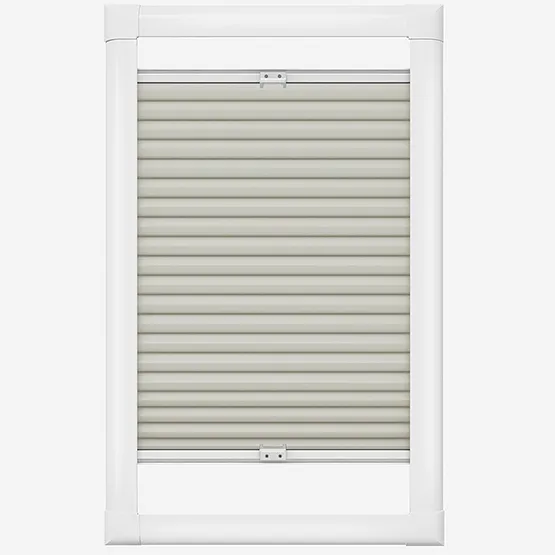
Double Sided Ecocell Dawn Pleated
at Wilsons Blinds
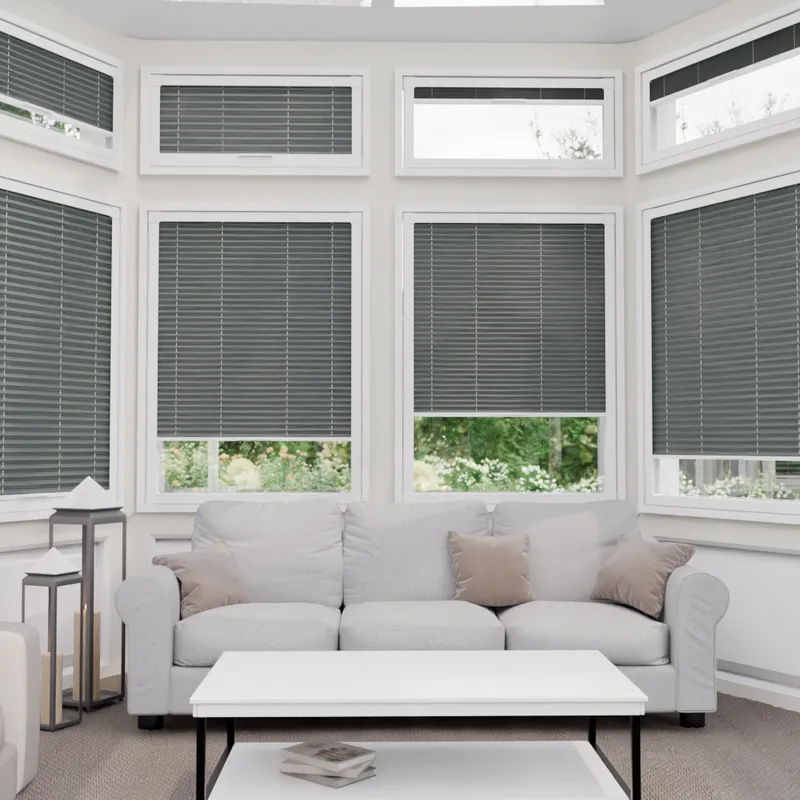
Thermal Pleated
at 1Click Blinds
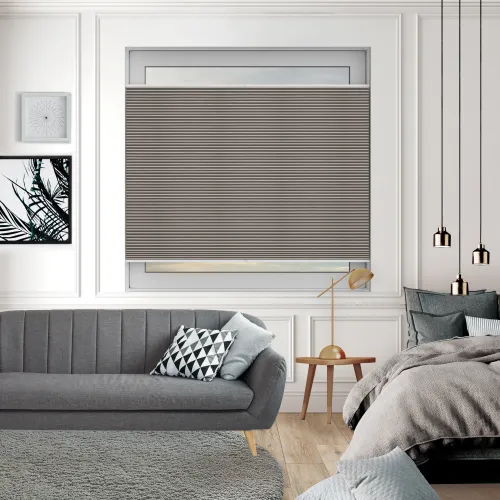
Tensioned Pleated
at Lifestyle Blinds
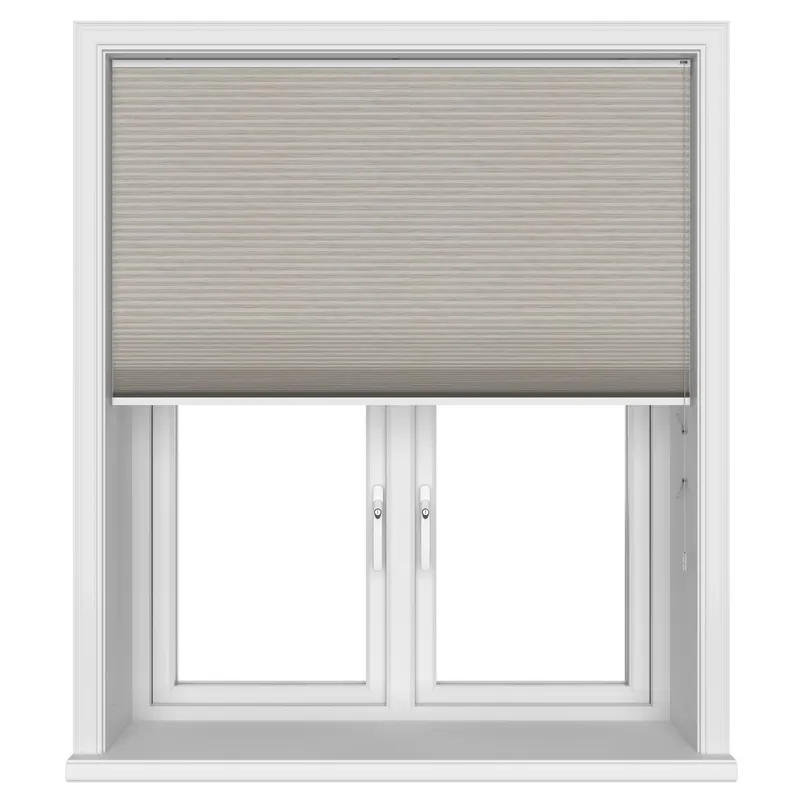
Tribeca Pleated
at Blinds By Post
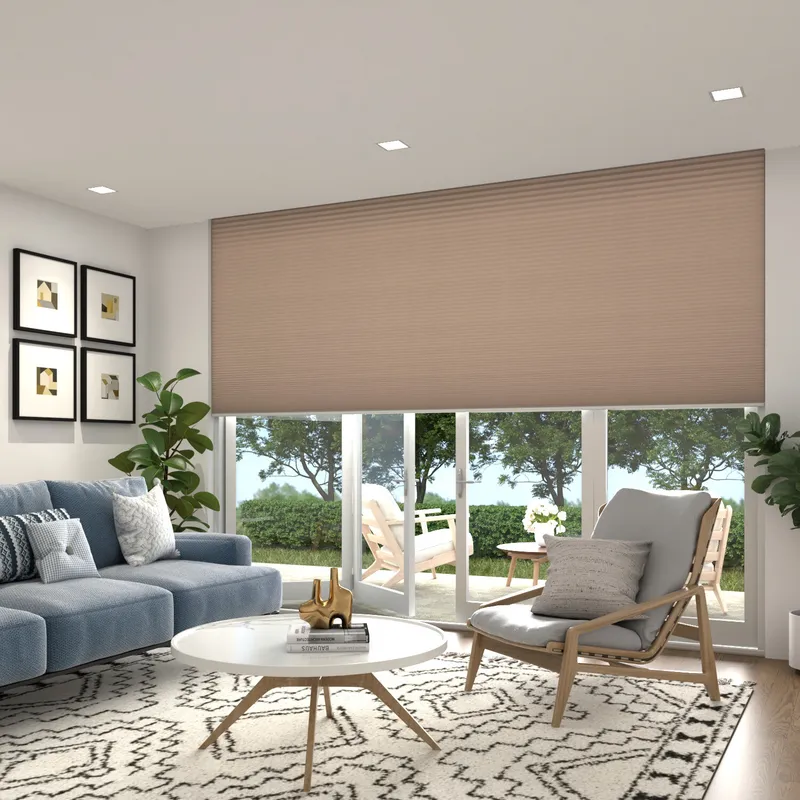
Cosibloc Thermal Honeycomb Pleated
at New Blinds
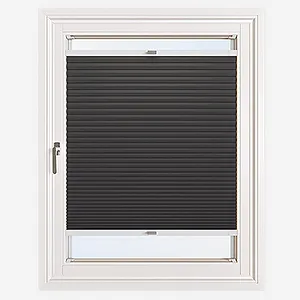
Double Sided Ecocell Espresso Easy Click Honeycomb Pleated
at Blinds Direct
Double Sided Ecocell Espresso Easy Stick Honeycomb Pleated
at Blinds Direct
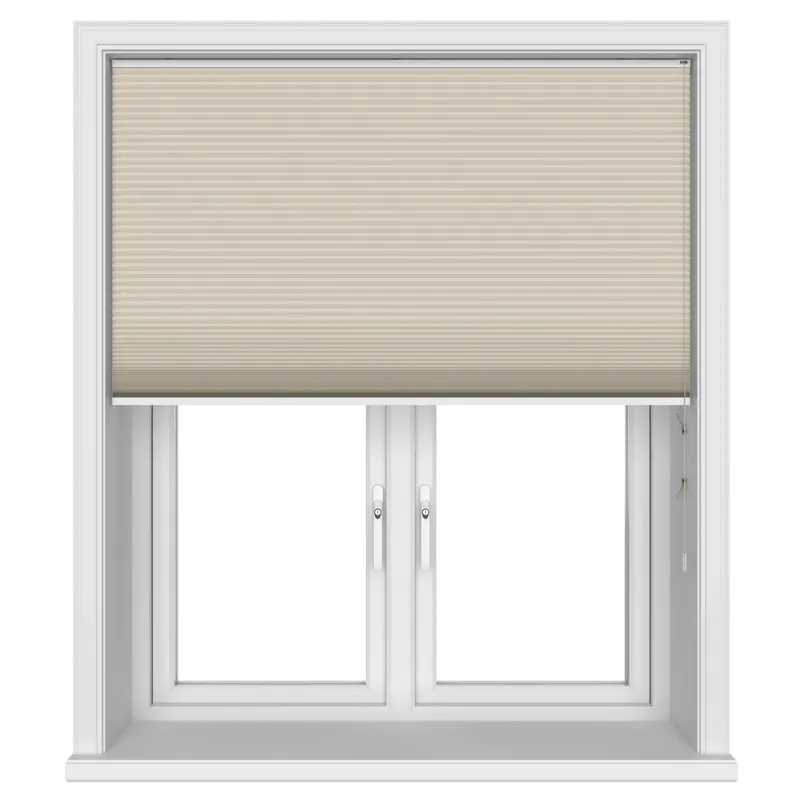
Soho Pleated
at Blinds By Post
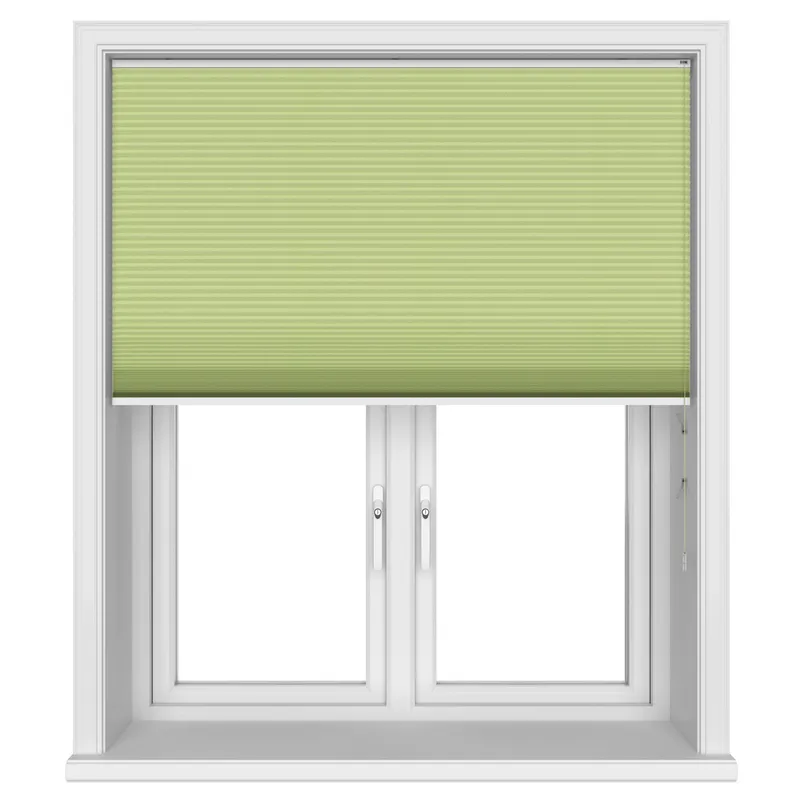
Blenheim Pleated
at Blinds By Post
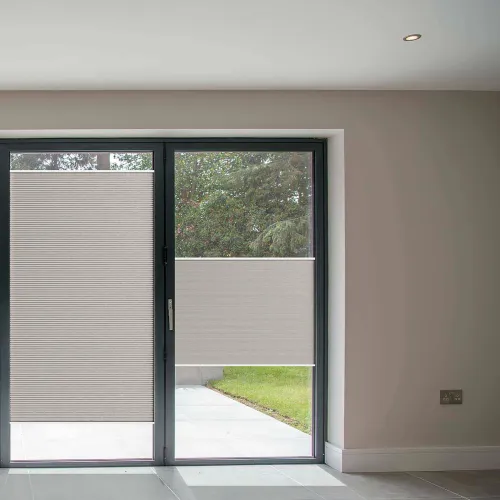
Fittoframe Pleated
at Lifestyle Blinds
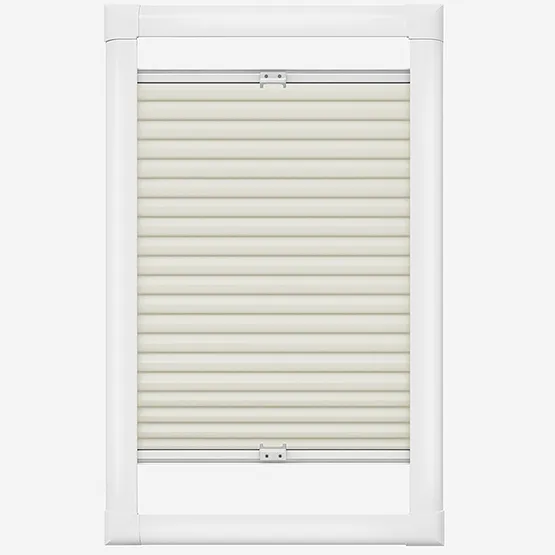
Double Sided Ecocell Pearl Pleated
at Wilsons Blinds
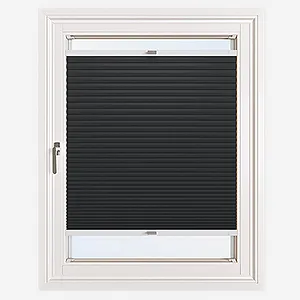
Berlin Jet Easy Click Honeycomb Pleated
at Blinds Direct
Berlin Jet Easy Stick Honeycomb Pleated
at Blinds Direct
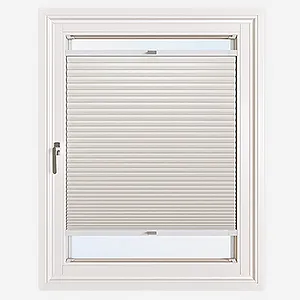
Aquacell Oatmeal Easy Click Honeycomb Pleated
at Blinds Direct
Aquacell Oatmeal Easy Stick Honeycomb Pleated
at Blinds Direct
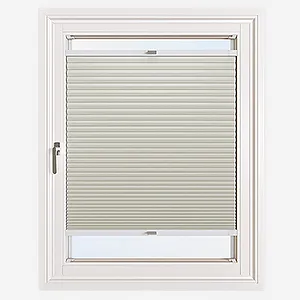
Double Sided Ecocell Easy Click Honeycomb Pleated
at Blinds Direct
Double Sided Ecocell Easy Stick Honeycomb Pleated
at Blinds Direct
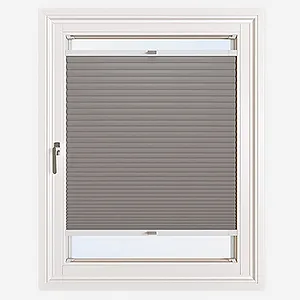
Aquacell Camel Easy Click Honeycomb Pleated
at Blinds Direct

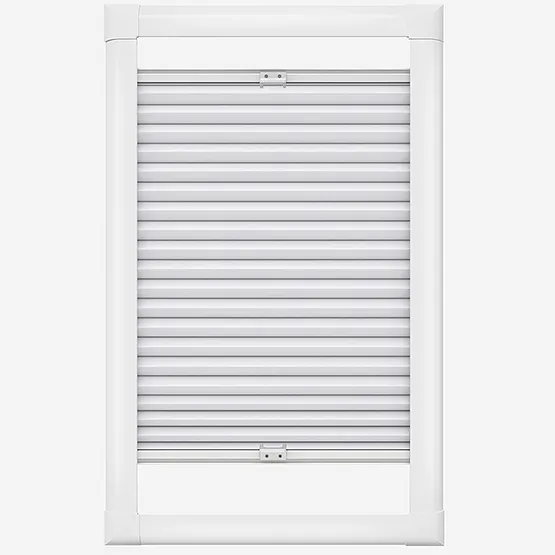
Astral Frost Pleated
at Wilsons Blinds
Aquacell Camel Easy Stick Honeycomb Pleated
at Blinds Direct

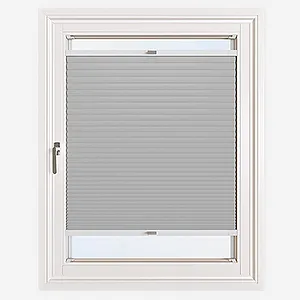
Aquacell Vintage Grey Easy Click Honeycomb Pleated
at Blinds Direct
Aquacell Vintage Grey Easy Stick Honeycomb Pleated
at Blinds Direct
%22%3E%0A%20%20%20%20%20%20%3Crect%20width%3D%2214%22%20height%3D%2214%22%20fill%3D%22%23e88a8a%22%2F%3E%0A%20%20%20%20%20%20%3Crect%20x%3D%220%22%20y%3D%220%22%20width%3D%224%22%20height%3D%2214%22%20fill%3D%22%23ffcc4f%22%20opacity%3D%220.85%22%2F%3E%0A%20%20%20%20%20%20%3Crect%20x%3D%228%22%20y%3D%220%22%20width%3D%223%22%20height%3D%2214%22%20fill%3D%22%234fc3f7%22%20opacity%3D%220.85%22%2F%3E%0A%20%20%20%20%3C%2Fpattern%3E%0A%20%20%3C%2Fdefs%3E%0A%20%20%3Crect%20x%3D%2260%22%20y%3D%2222%22%20width%3D%2280%22%20height%3D%228%22%20rx%3D%221.5%22%20fill%3D%22%233a3a3a%22%2F%3E%0A%20%20%3Crect%20x%3D%2262%22%20y%3D%2230%22%20width%3D%2276%22%20height%3D%2283%22%20fill%3D%22url(%23print-fill)%22%20stroke%3D%22%232a2a2a%22%20stroke-width%3D%220.8%22%2F%3E%0A%20%20%3Crect%20x%3D%2257%22%20y%3D%22113%22%20width%3D%2286%22%20height%3D%225%22%20rx%3D%221%22%20fill%3D%22%233a3a3a%22%2F%3E%0A%20%20%3Cline%20x1%3D%22146%22%20y1%3D%2230%22%20x2%3D%22146%22%20y2%3D%22116%22%20stroke%3D%22%239a9a9a%22%20stroke-width%3D%221%22%2F%3E%0A%20%20%3Ccircle%20cx%3D%22146%22%20cy%3D%22120%22%20r%3D%222.2%22%20fill%3D%22%239a9a9a%22%2F%3E%0A%3C%2Fsvg%3E)
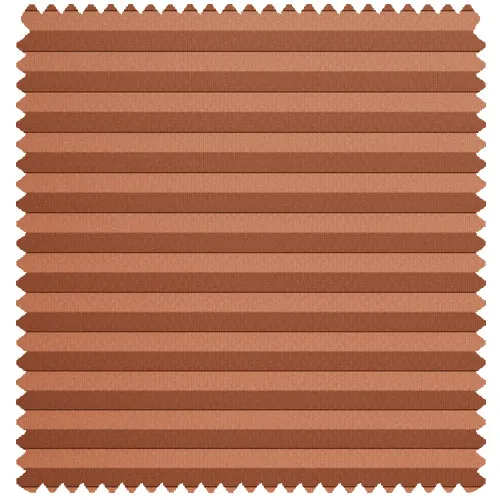
Blenheim Rogue Cellular Freehanging Pleated
at So Easy Blinds
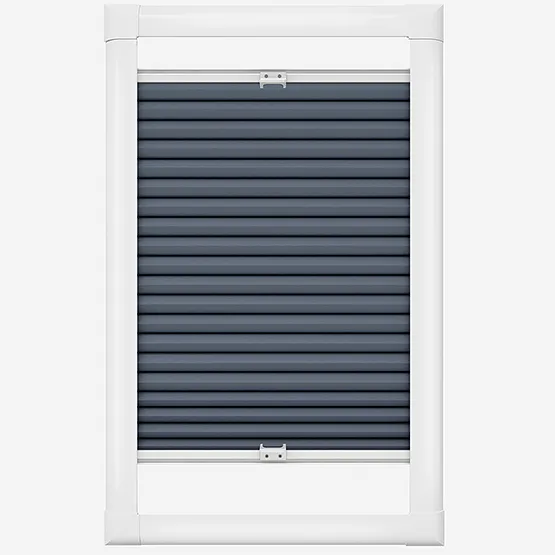
Festival Esp Pleated
at Wilsons Blinds
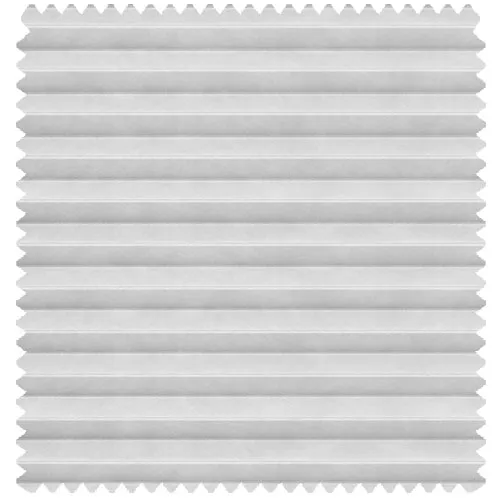
Kimora Cumulus Pleated
at So Easy Blinds
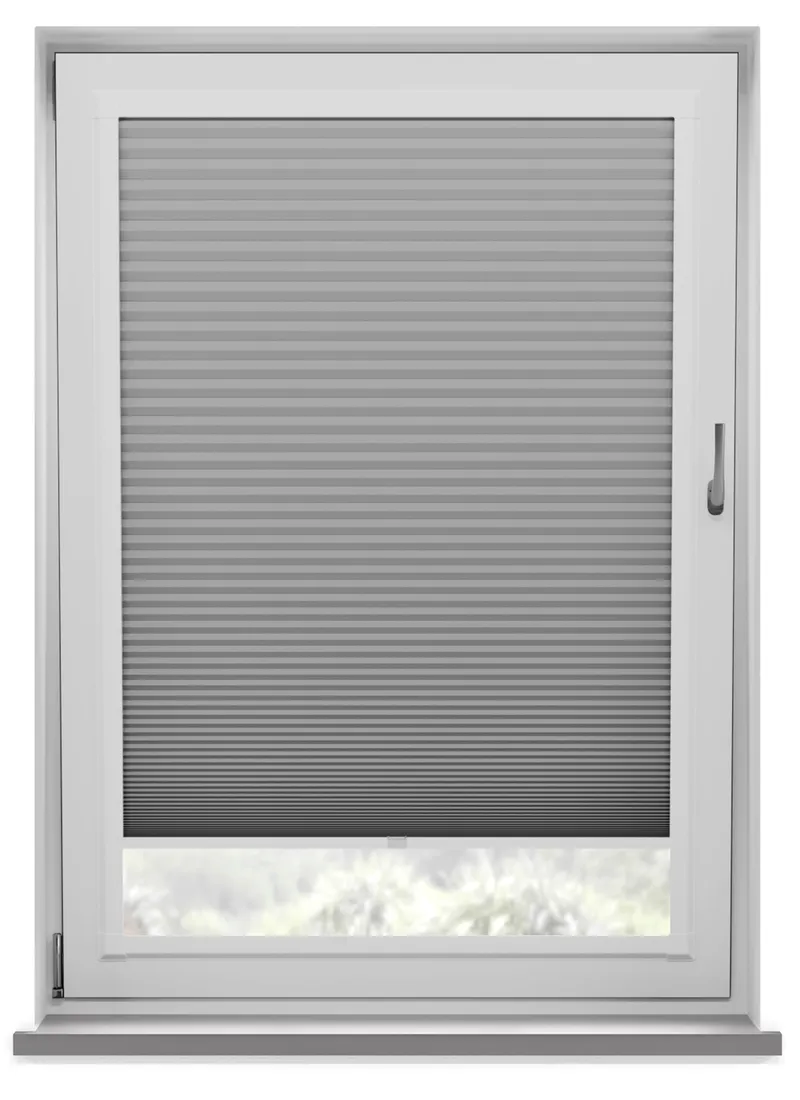
Dove Grey Pleated
at Shade & Story

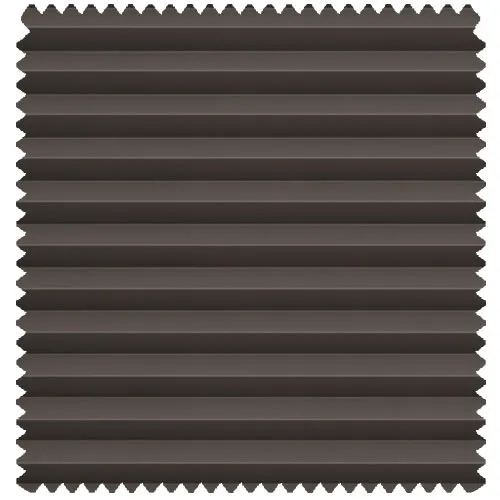
Addison Pleated
at So Easy Blinds
Blenheim Cellular Pleated
at So Easy Blinds

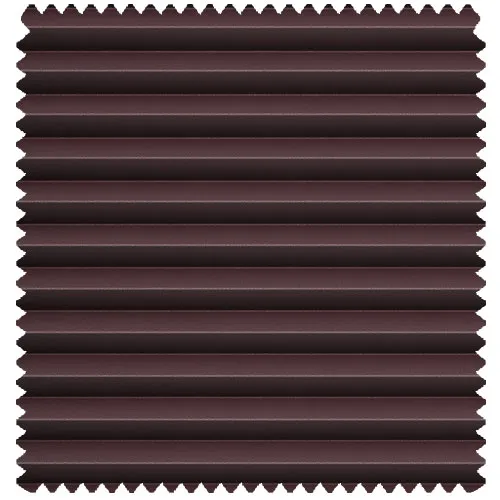
Tropez Mulberry Pleated
at So Easy Blinds

Shot Silk Esp Portobello Pleated
at Wilsons Blinds
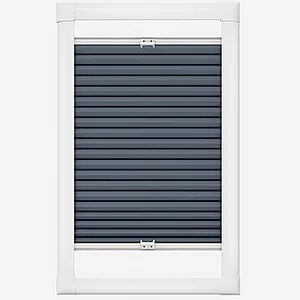
Festival Esp Pleated
at Blinds Direct
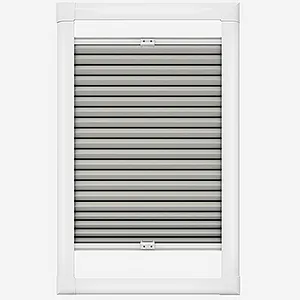
Shot Silk Esp Portobello Pleated
at Blinds Direct
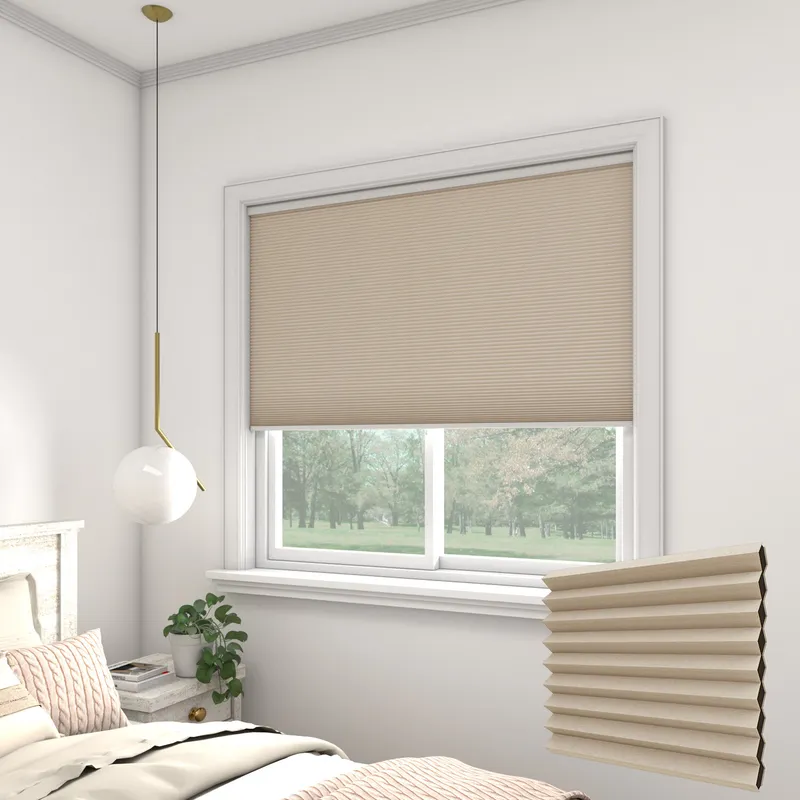
Primitivo Pleated
at New Blinds

Totalshade Complete Thermal Pleated
at Blinds 2go

Totalshade Complete Sherbet Thermal Pleated
at Blinds 2go