Premium is Shade & Story's plainest range name attached to its most particular colour chart: every one of the 64 colourways, from £43.20, is named for a natural material. Bamboo dominates - Cinder Bamboo, Flax Bamboo, Haze Bamboo, Karri Bamboo, Neo Bamboo, Zaya Bamboo - with Basswood carrying the rest in Storm, Yarrin and Alpine forms. Shade & Story is the made-to-measure brand run in partnership with John Lewis, and this reads as its natural-texture roller tier: the simplest blind format dressed in finishes that promise grain and weave rather than flat colour. We can vouch for the names rather than the weave itself, but a chart this consistent is not an accident.
Who it suits
A roller is the simplest blind there is - one piece of fabric on a tube, up or down, nothing to tilt or fold - and that simplicity is exactly why the finish matters so much. A flat-colour roller disappears; a textured one becomes part of the room. Finishes named for bamboo and basswood suit the schemes that want natural warmth without pattern: living rooms and dining rooms leaning Scandinavian or Japandi, home offices that want calm behind the screen, bedrooms after softness rather than statement.
The Premium name and the made-to-measure cut position this as a step up from an off-the-shelf roller: made to your window rather than trimmed down to it. One thing the names do not tell you is how much light gets through - woven and textured looks span everything from sheer to solid - so check each listing's opacity before pinning a bedroom's hopes on it, and plan a blackout layer behind if real darkness matters.
The colours
64 colours available

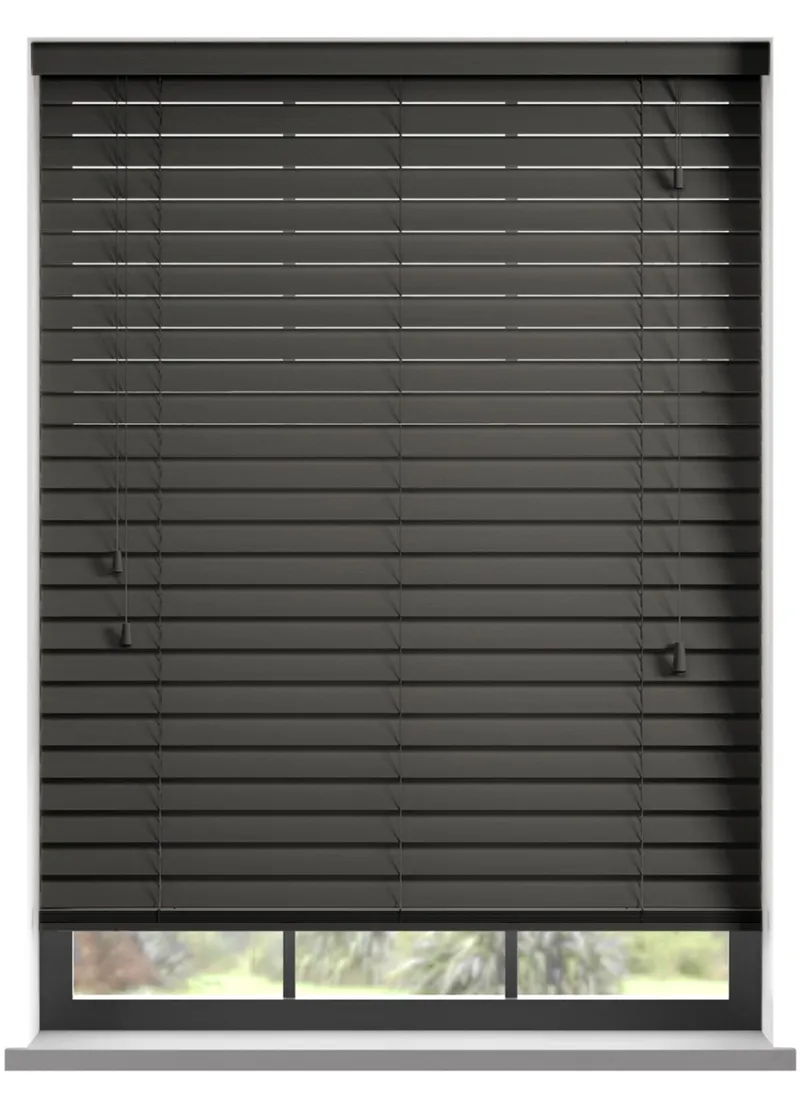

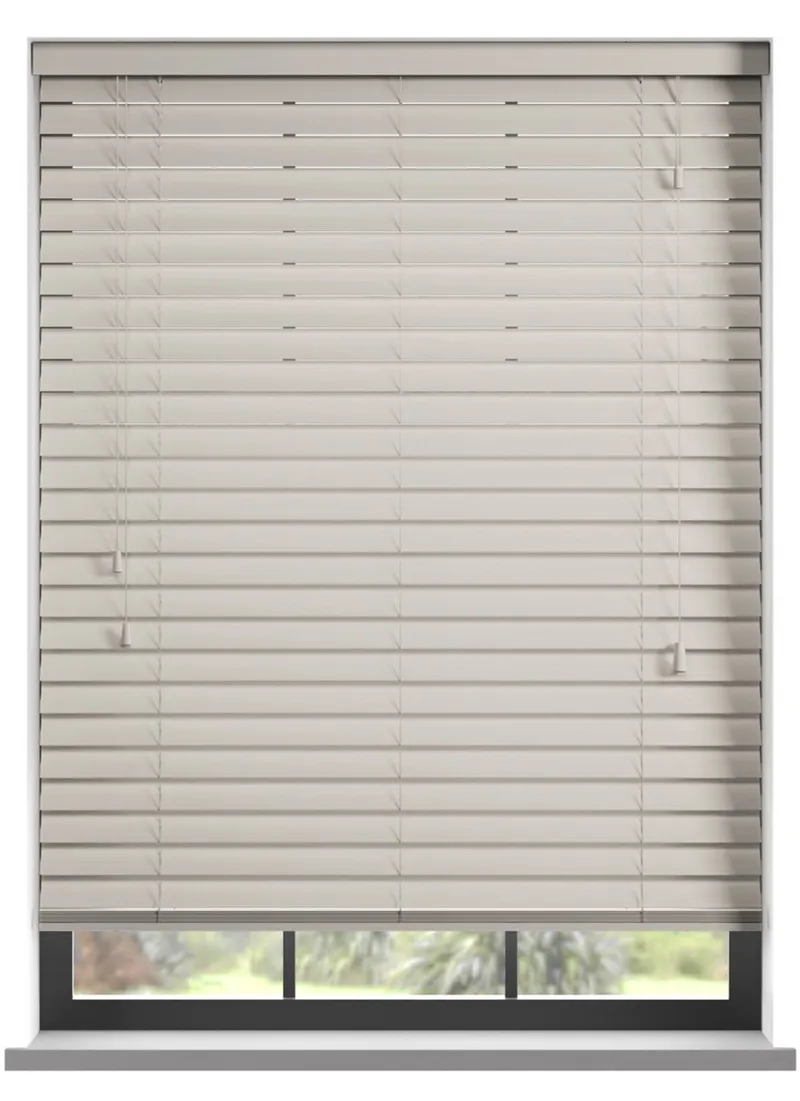
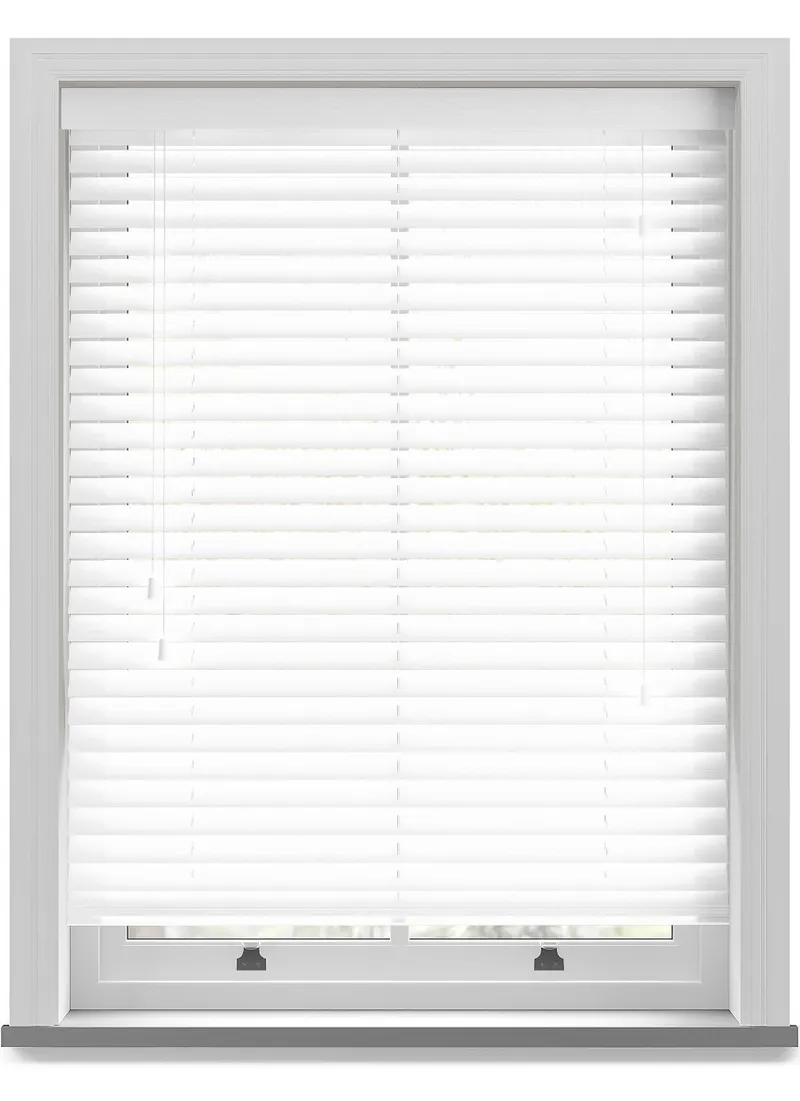
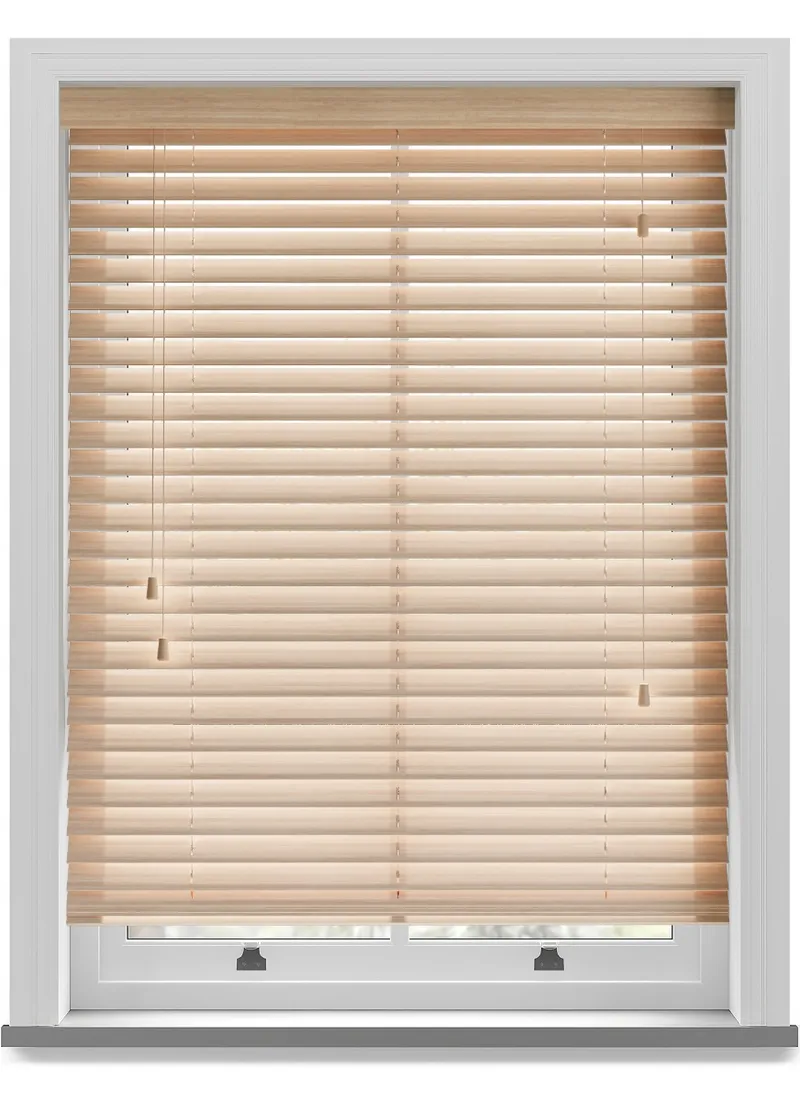

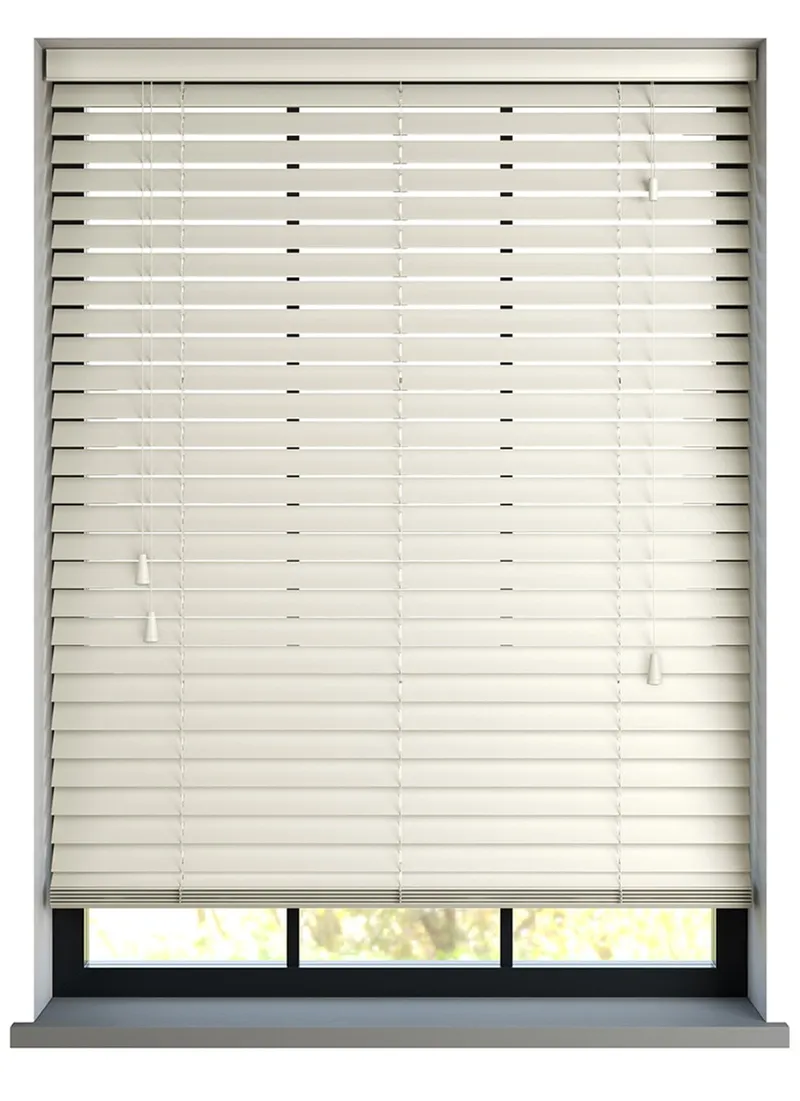

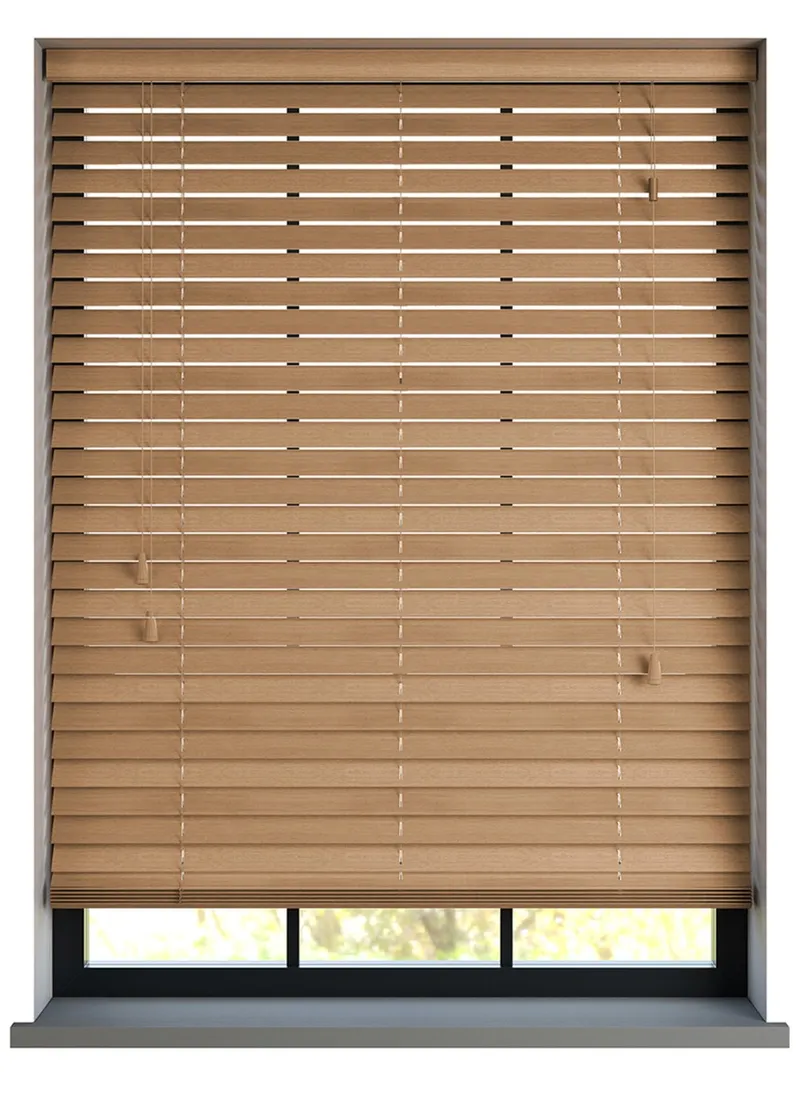
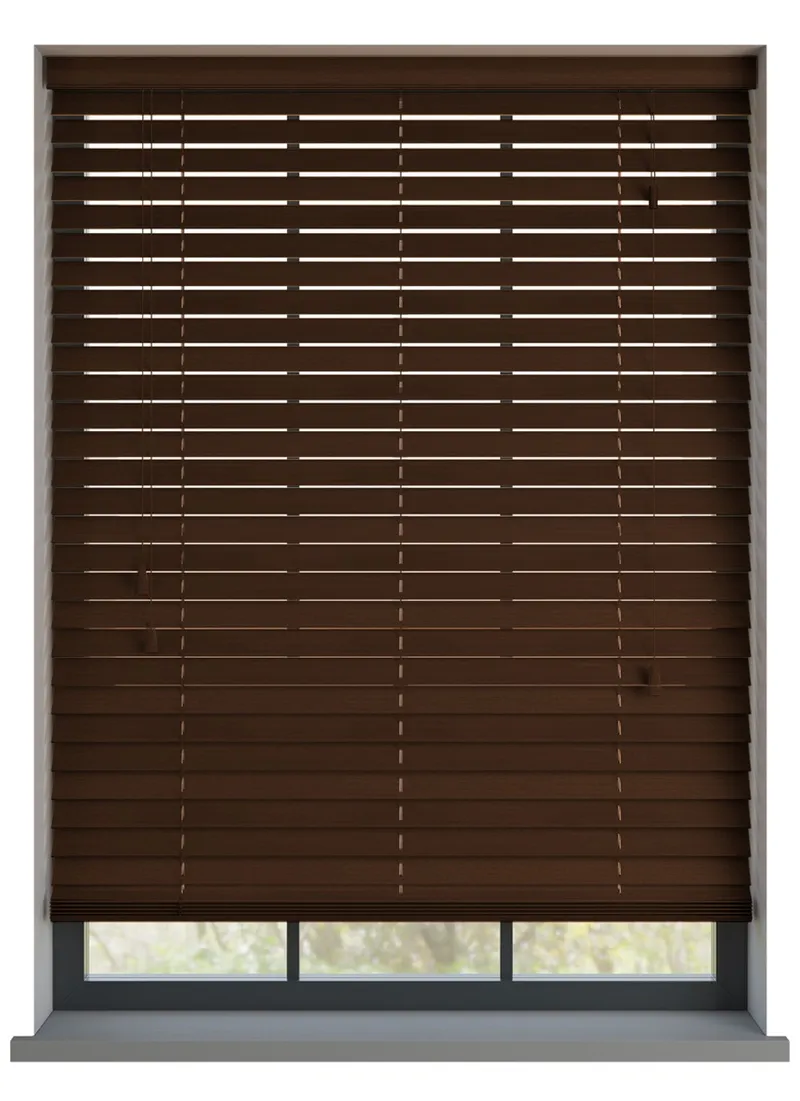

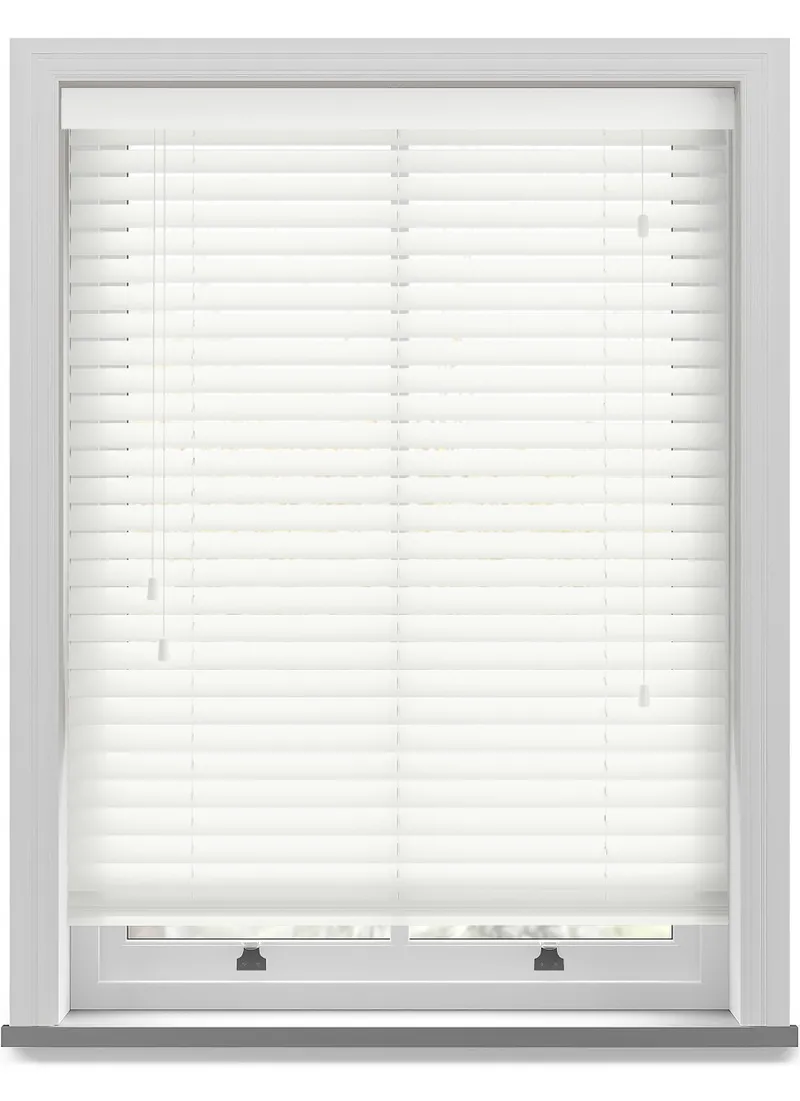
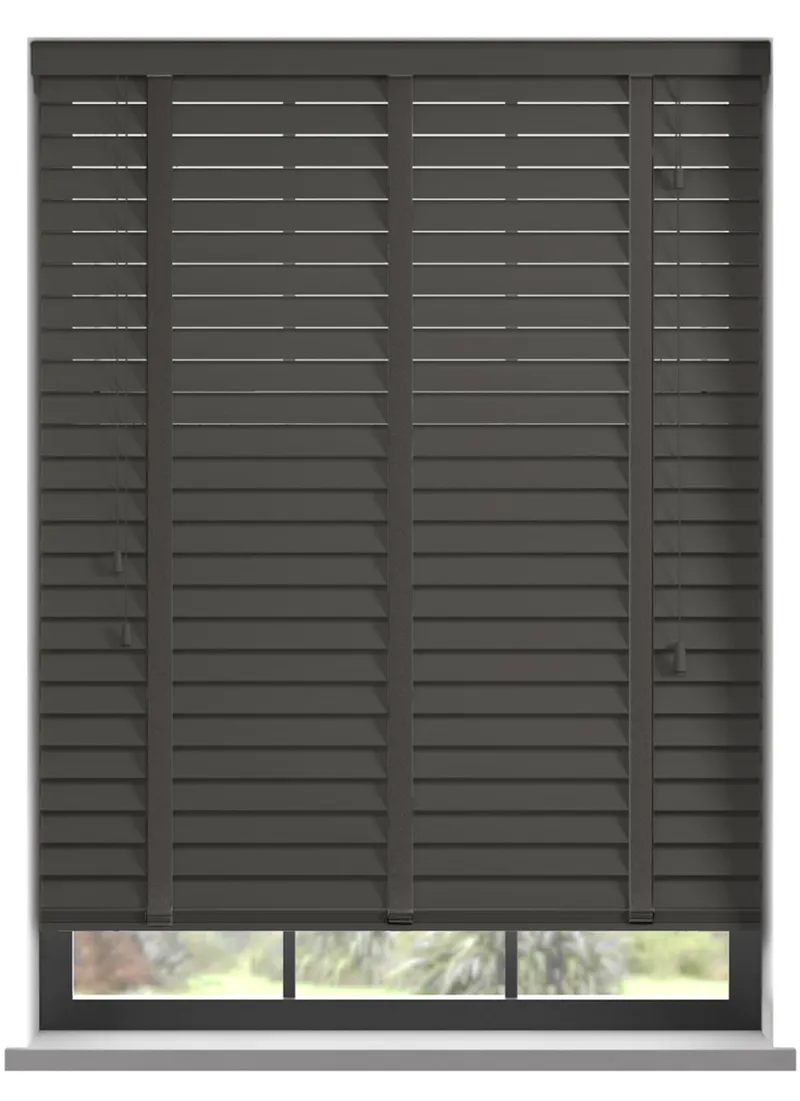
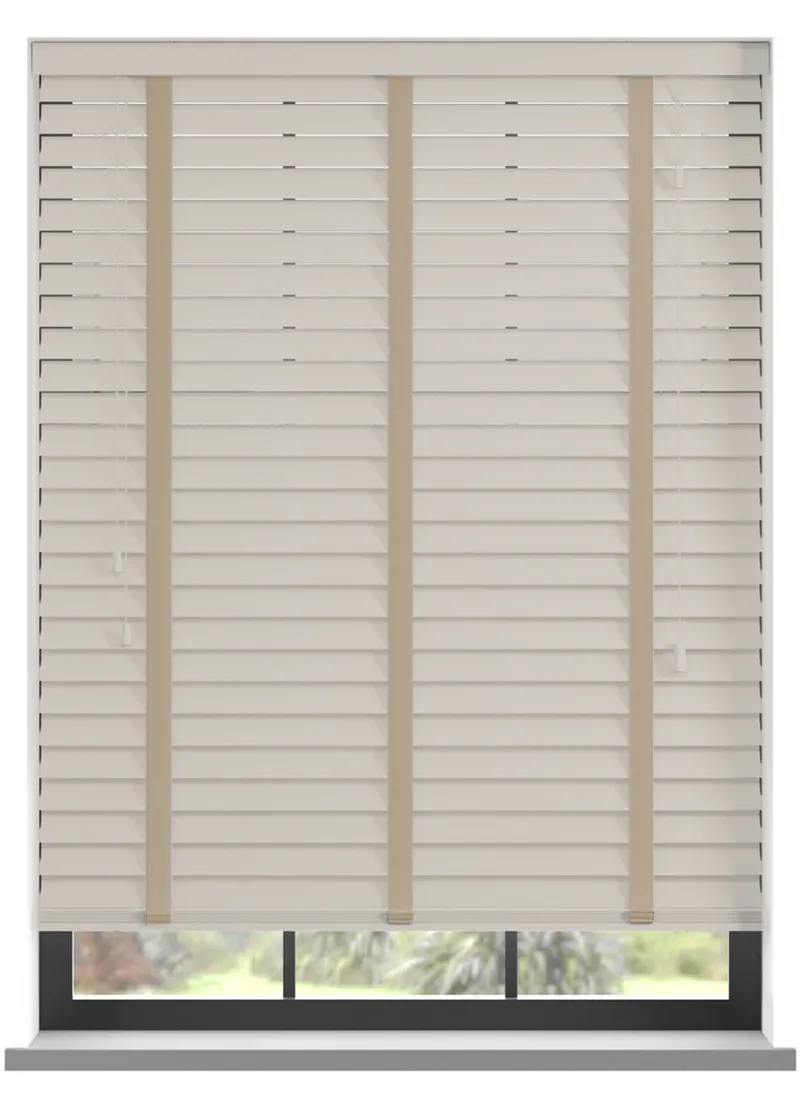
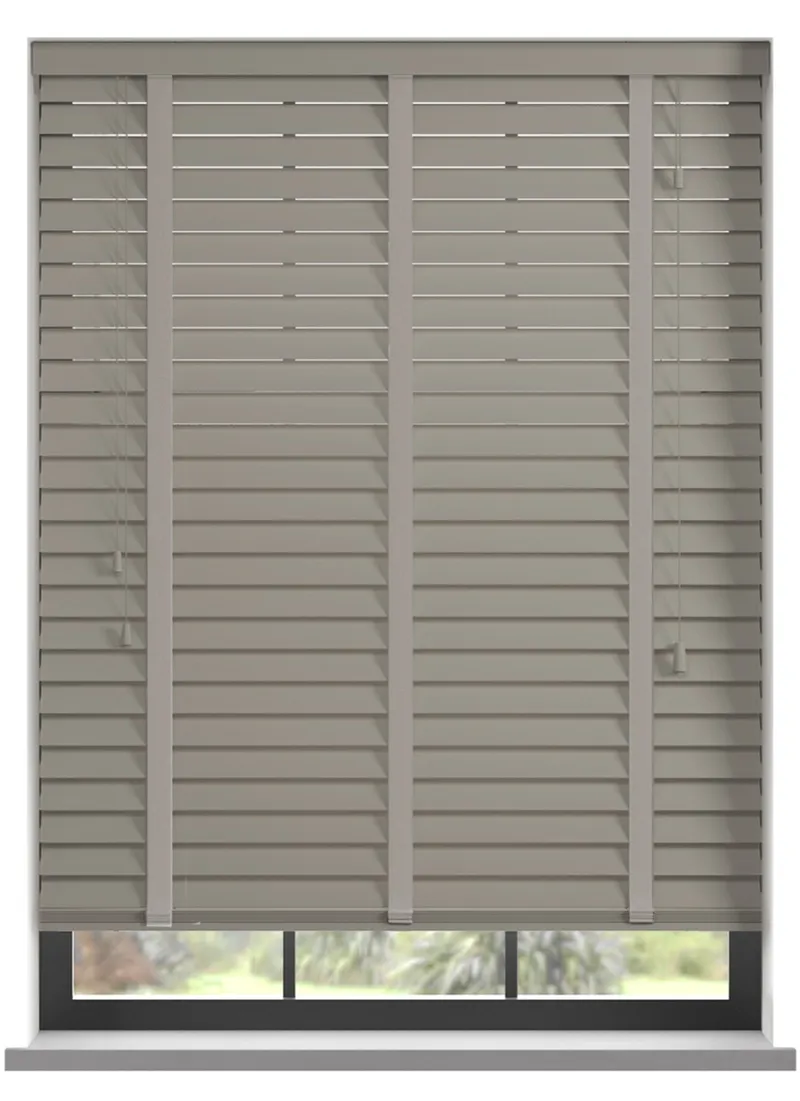
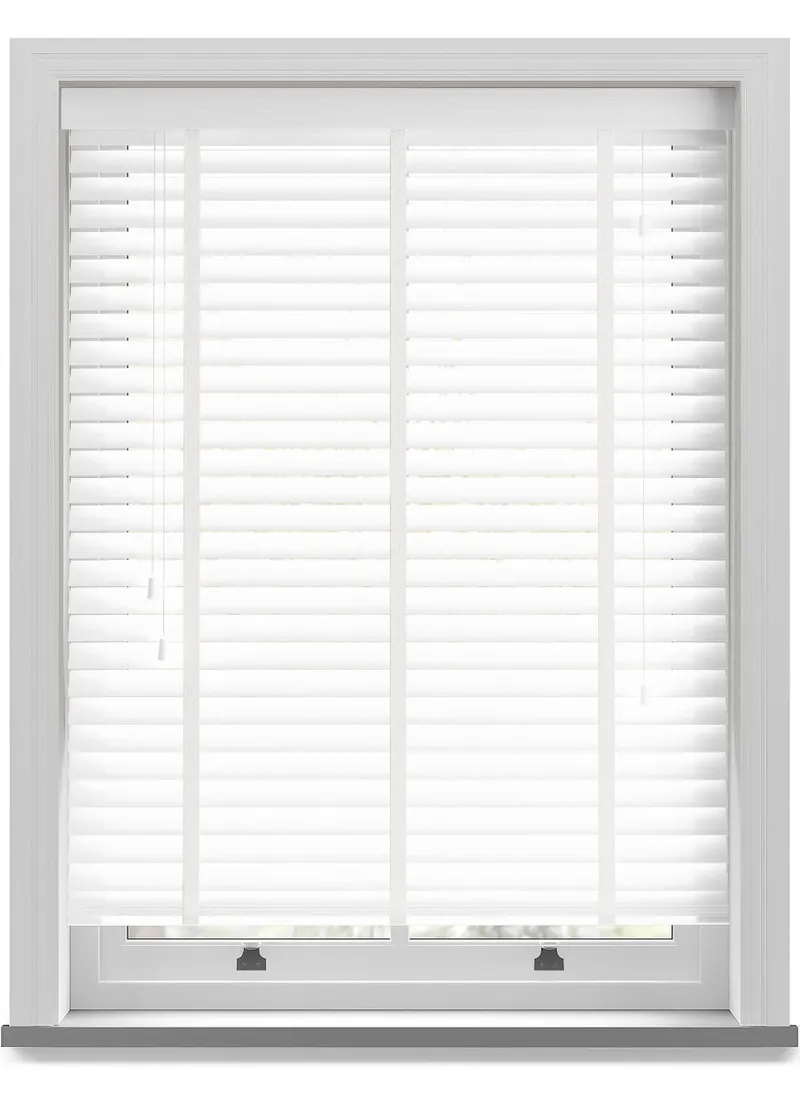
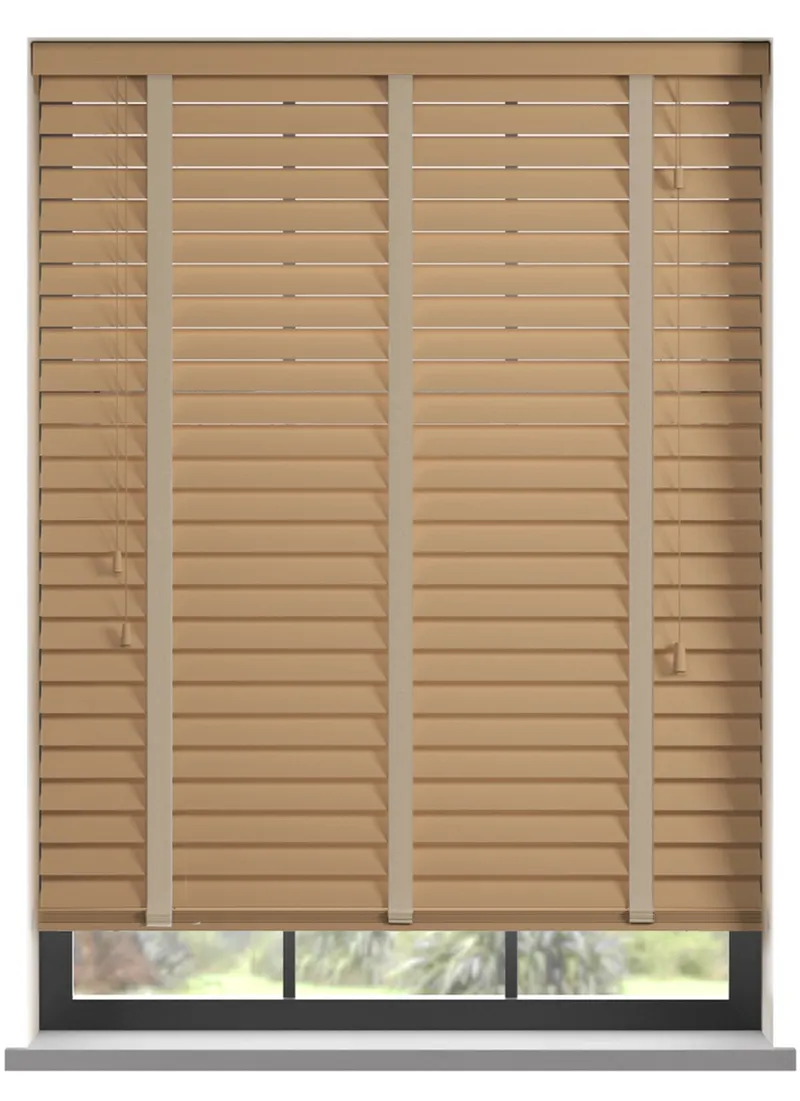
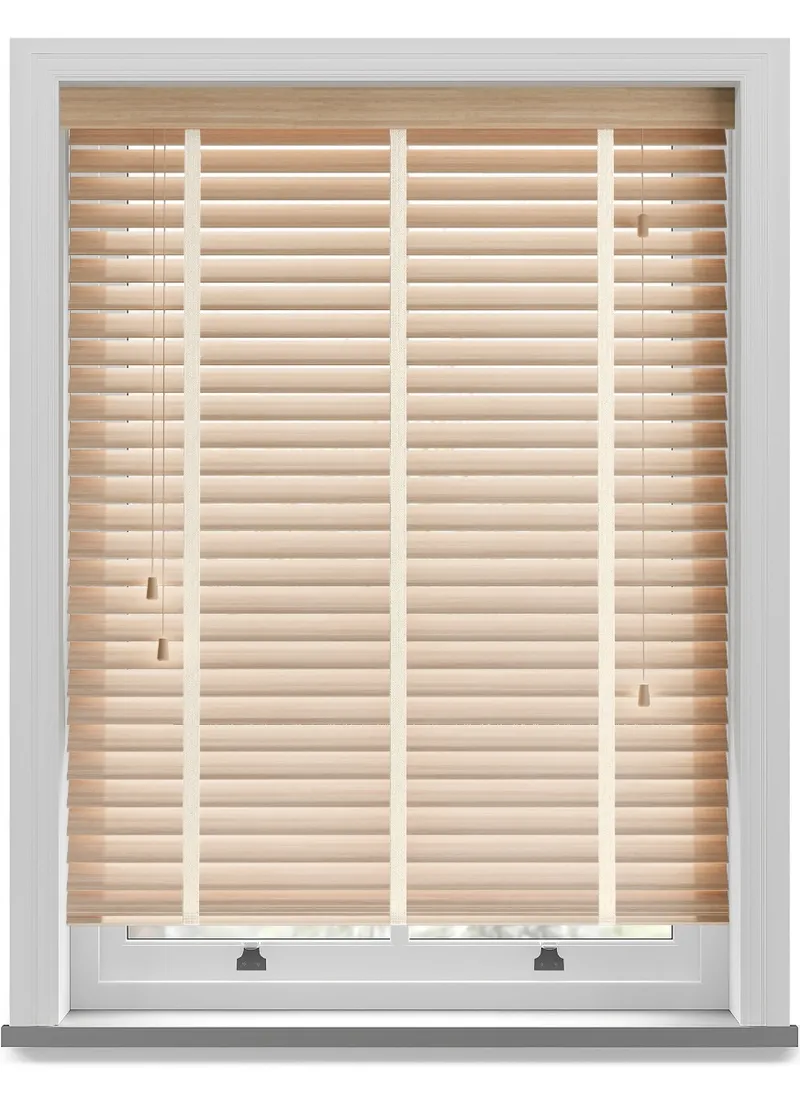
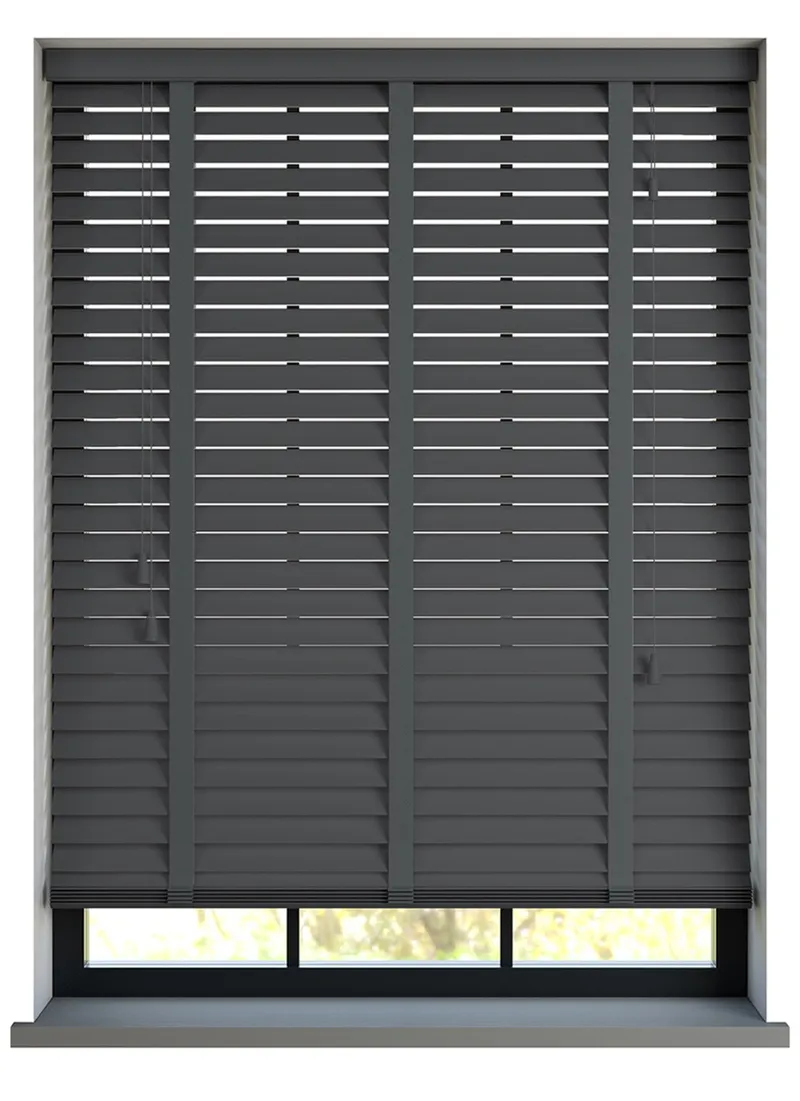
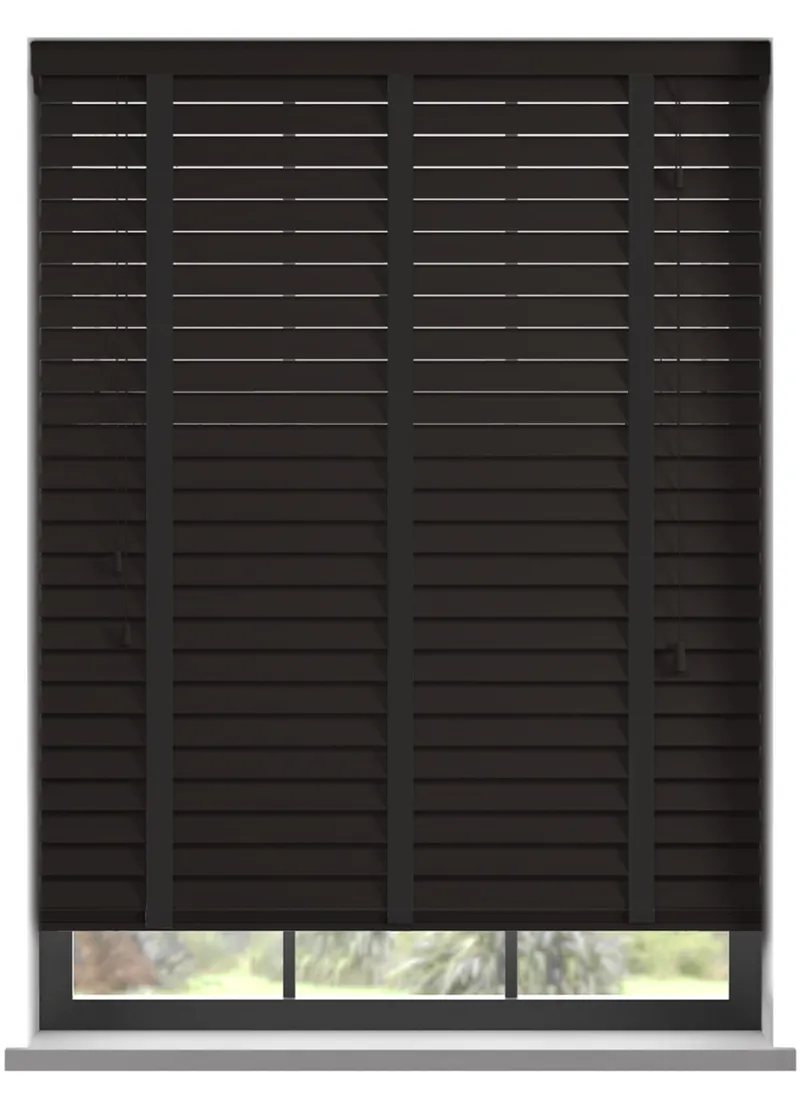
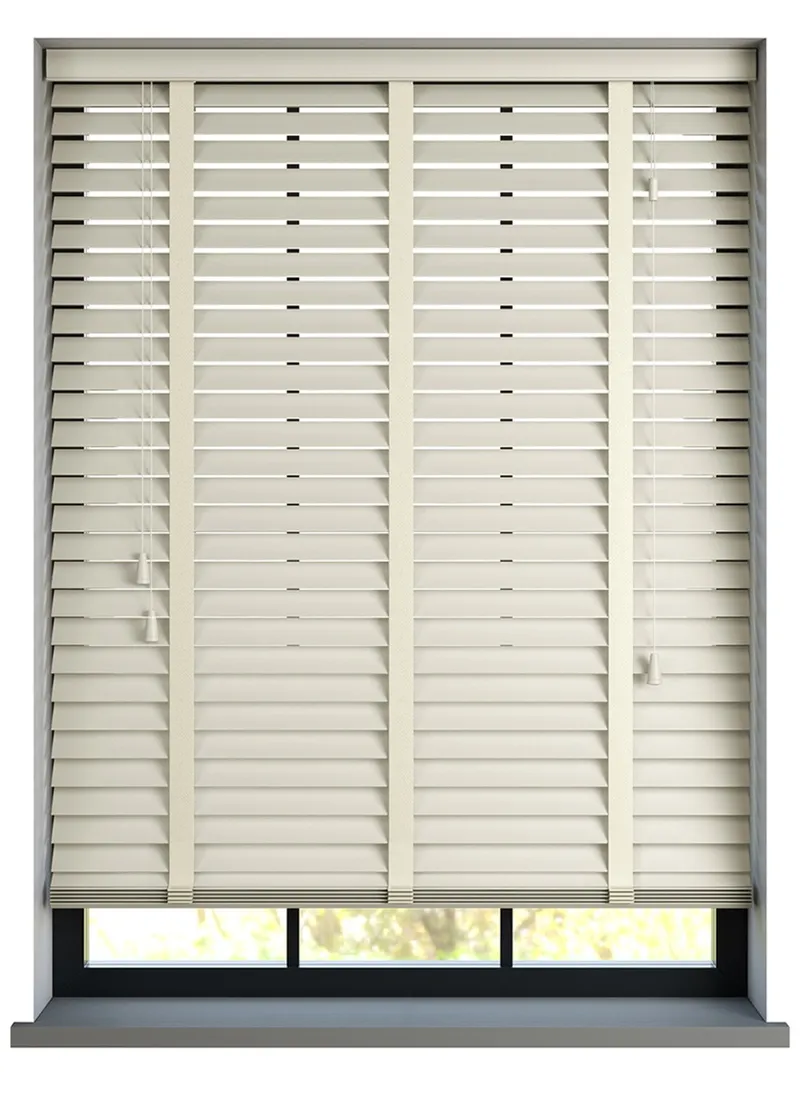
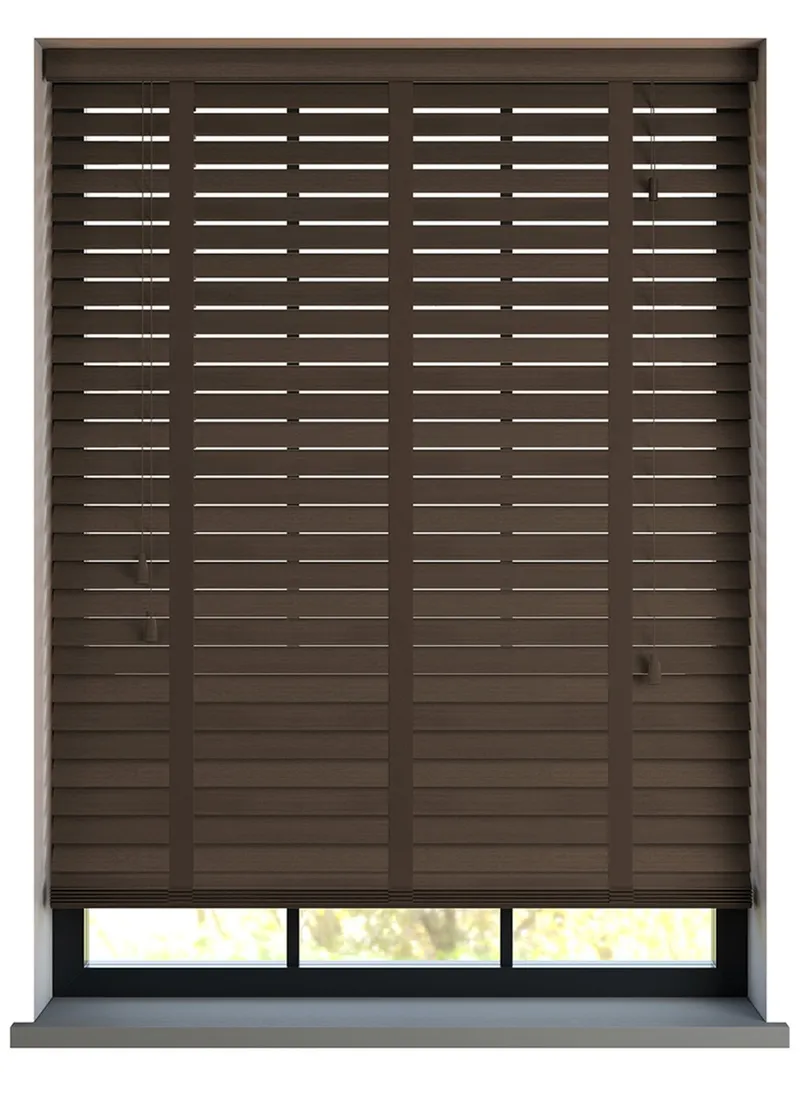

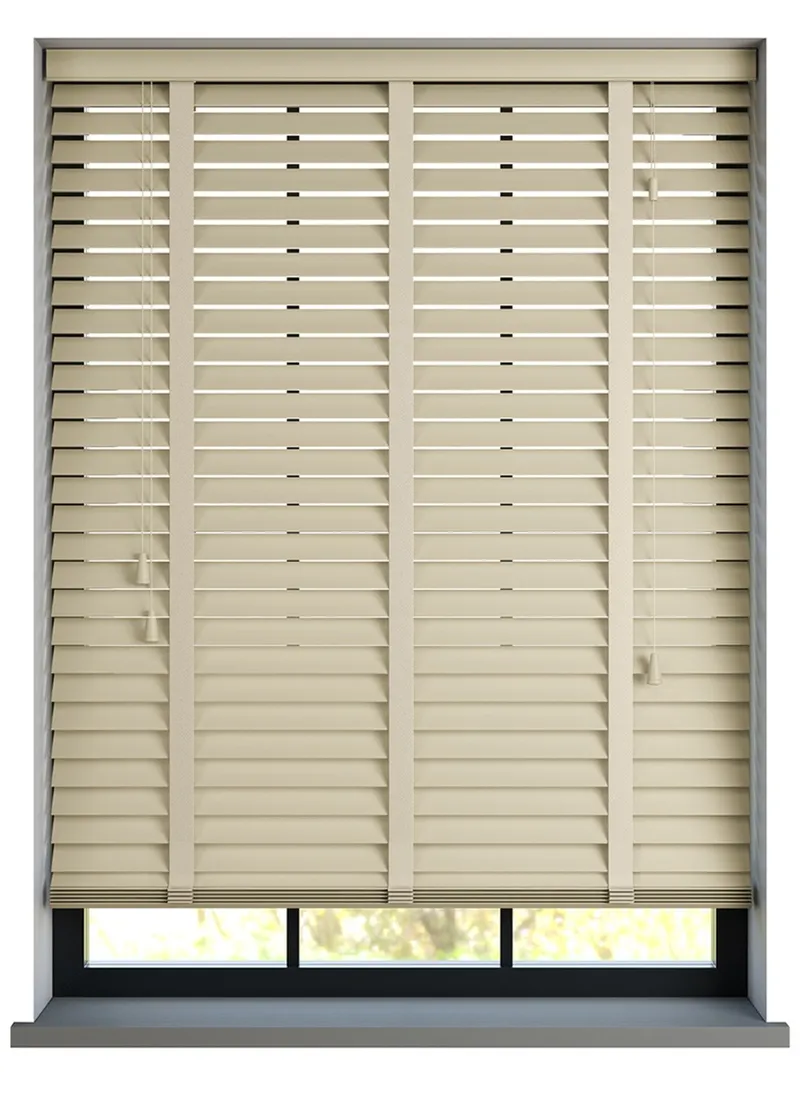
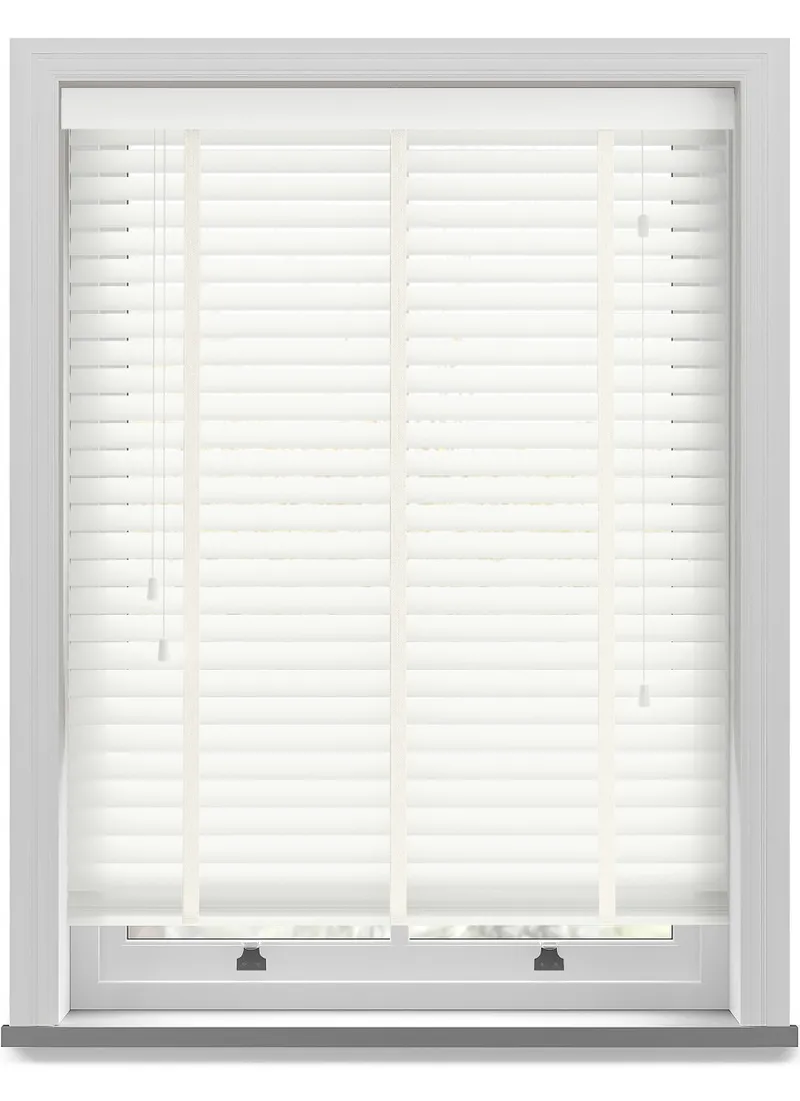
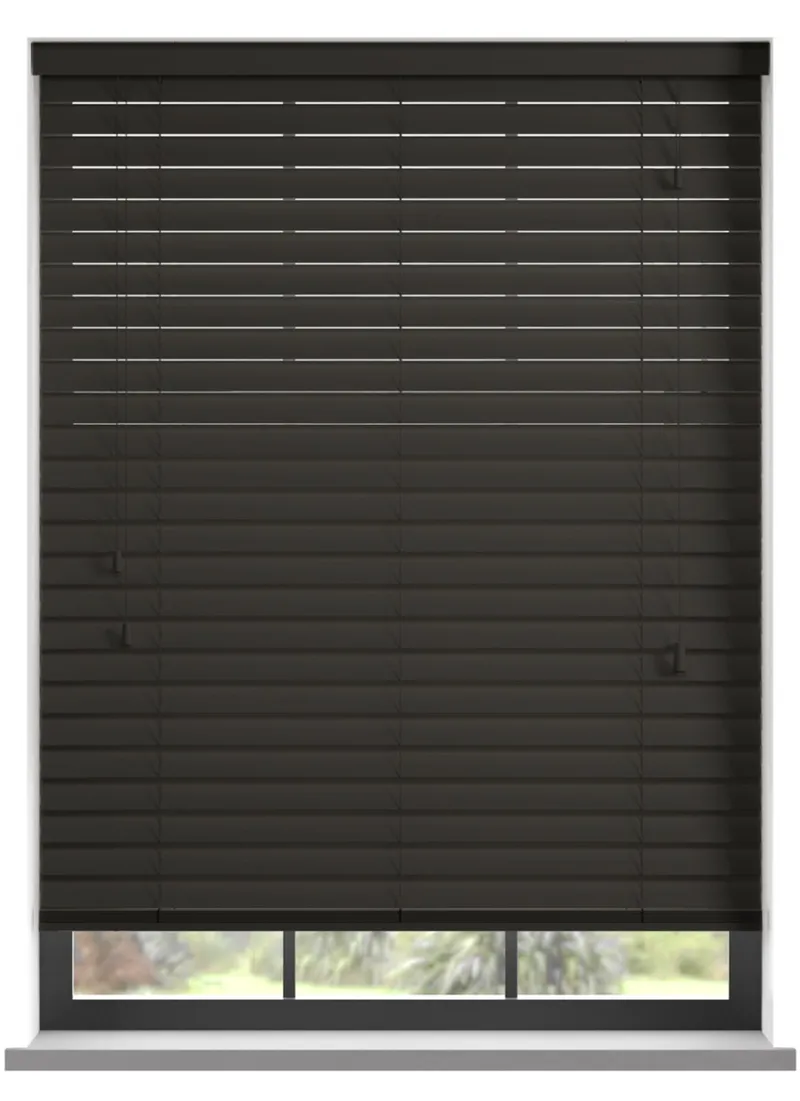
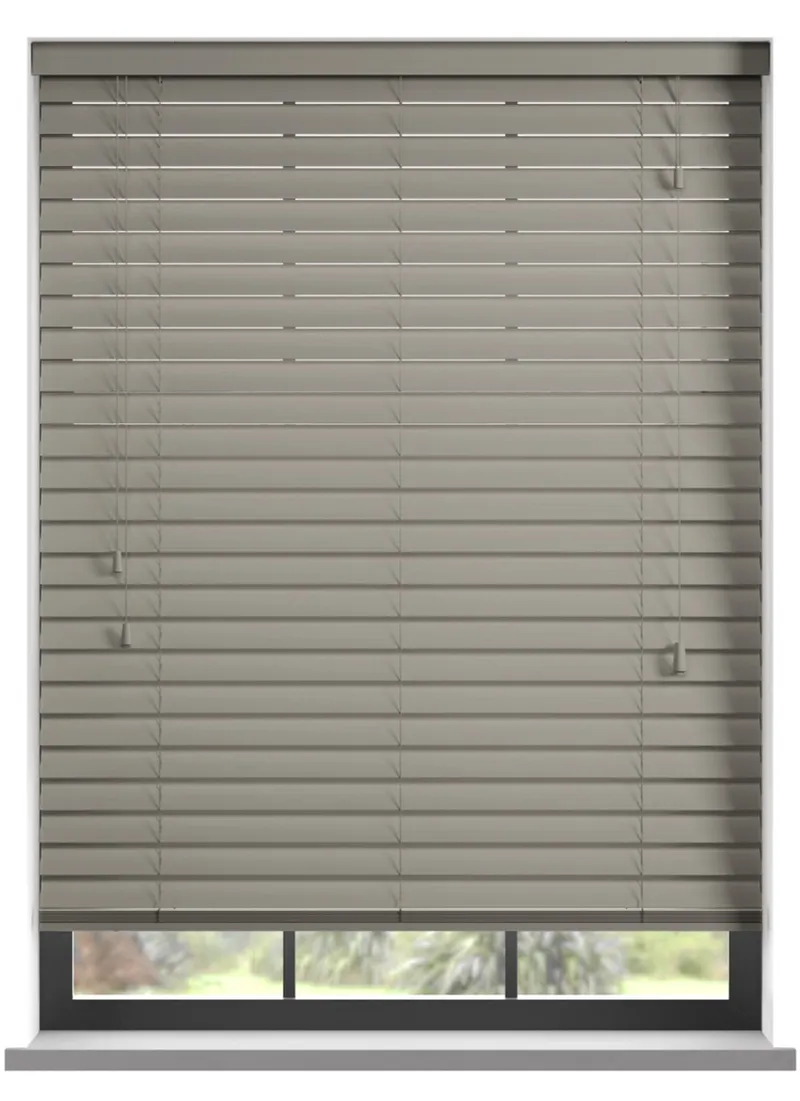
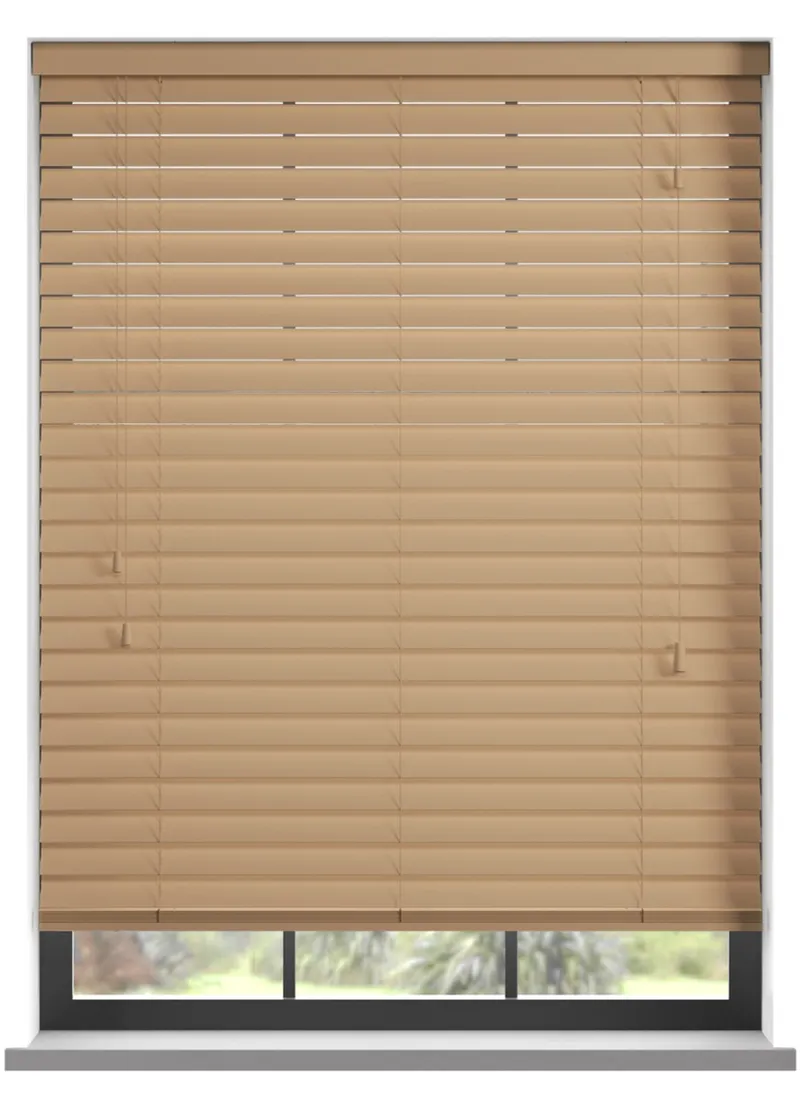
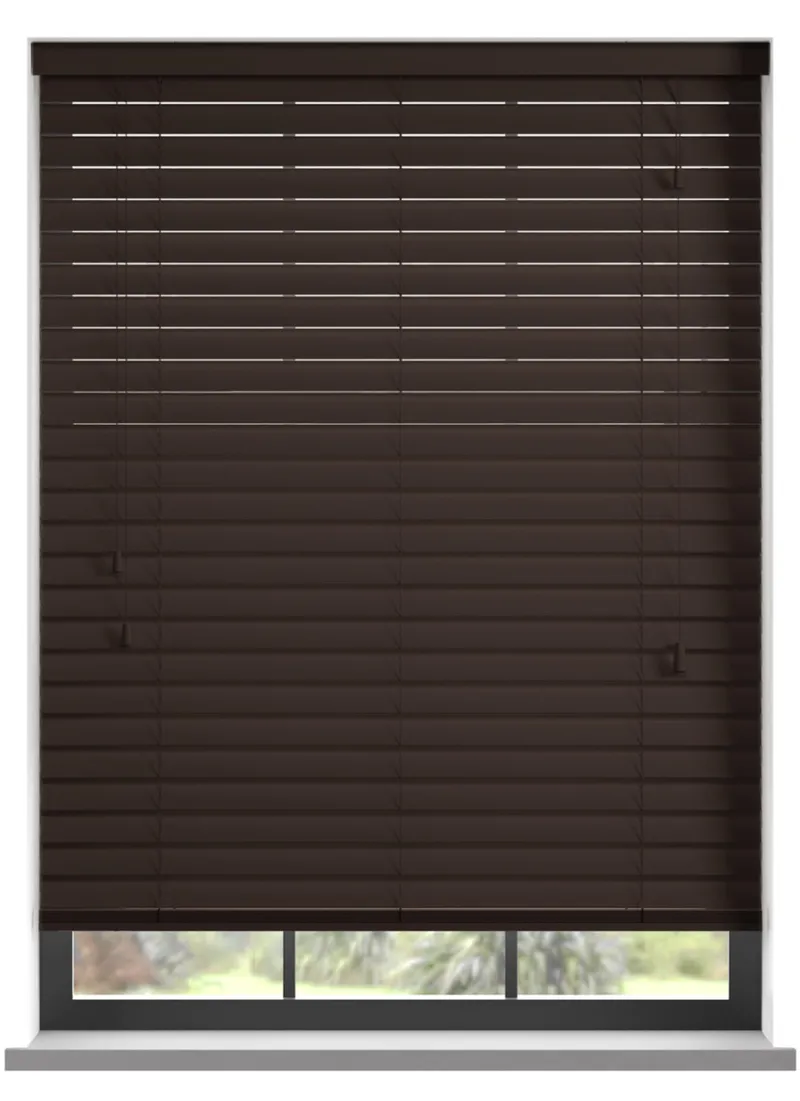
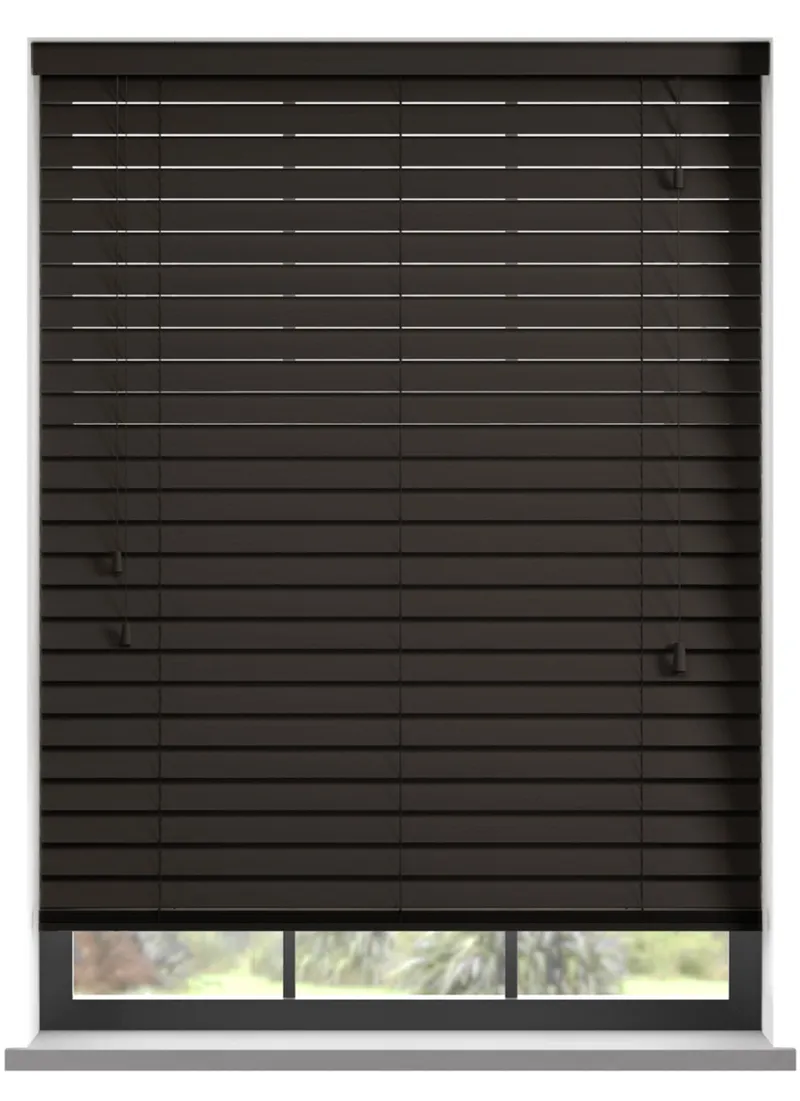
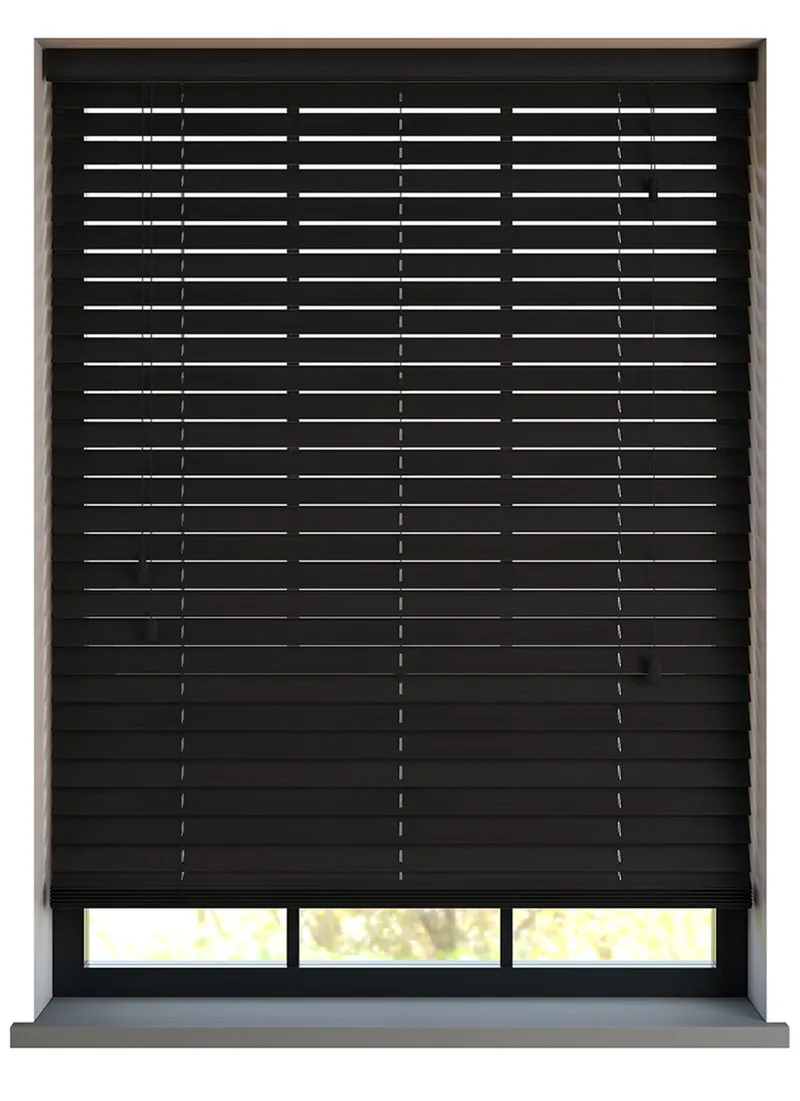

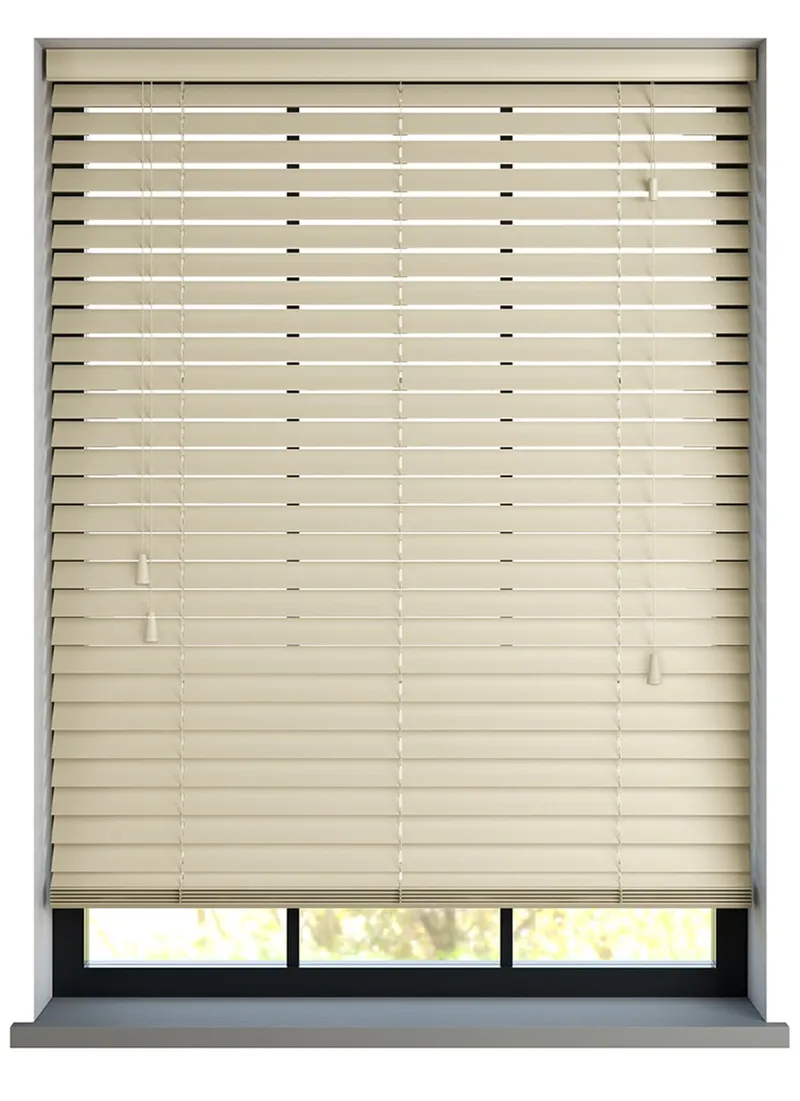

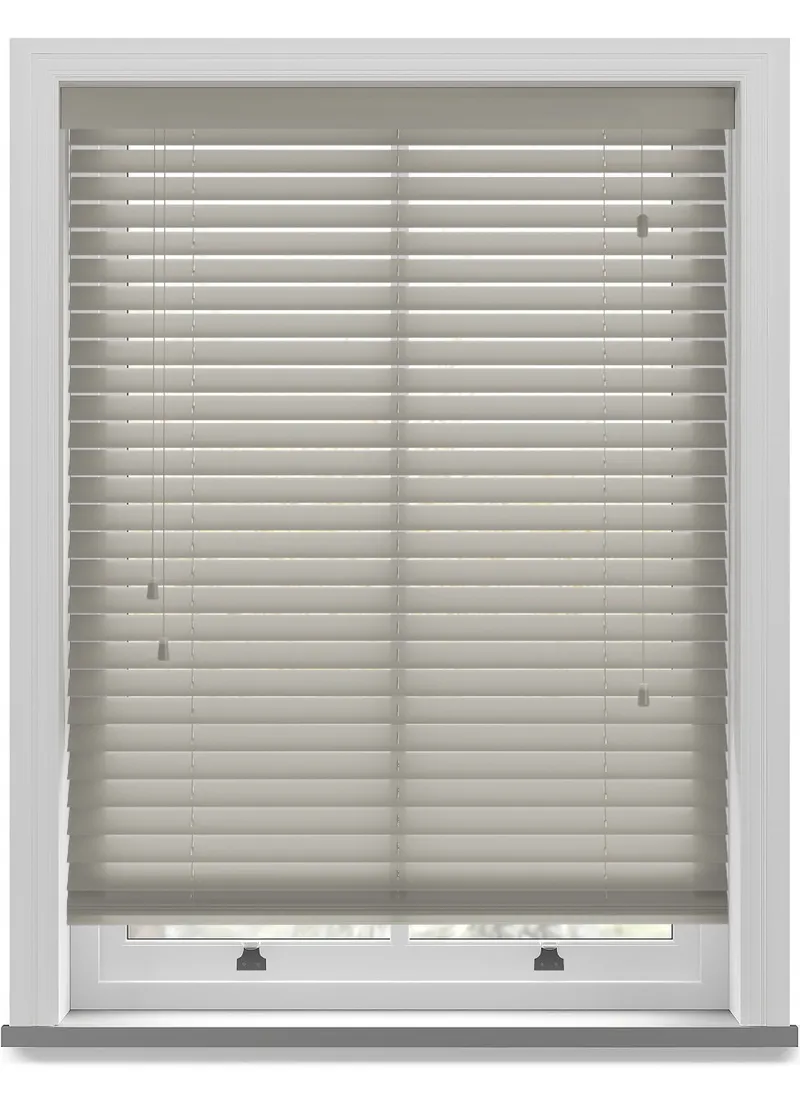
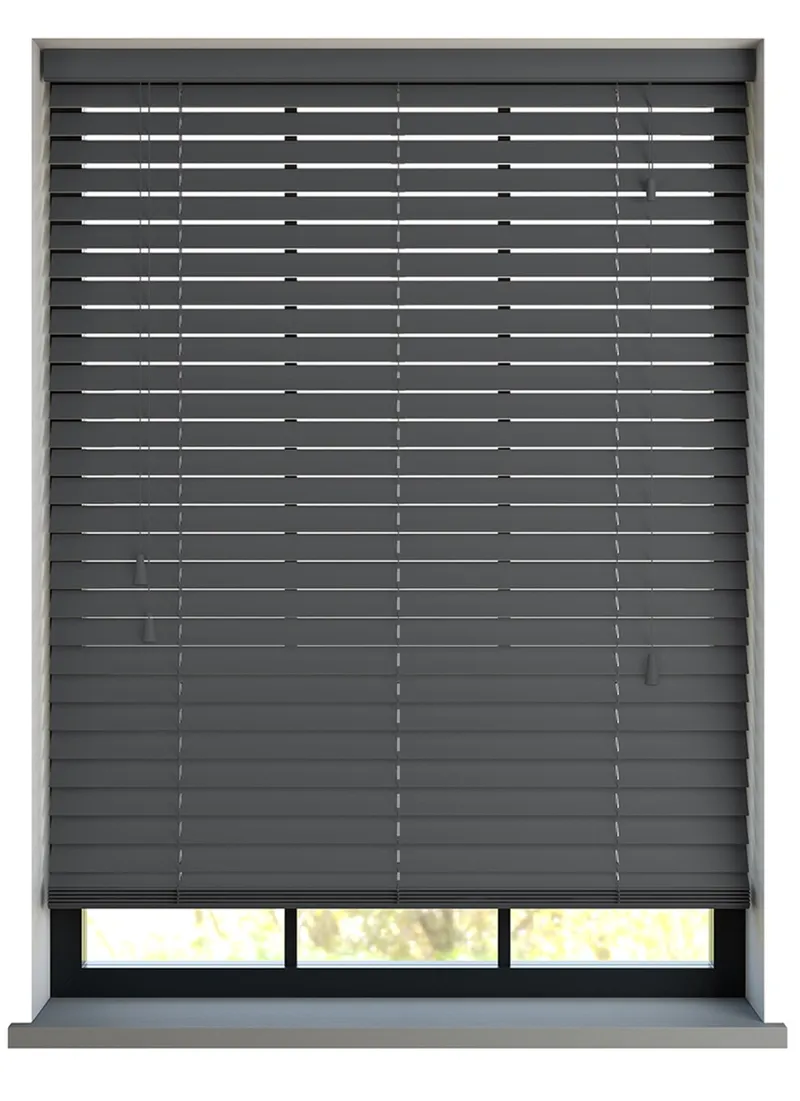
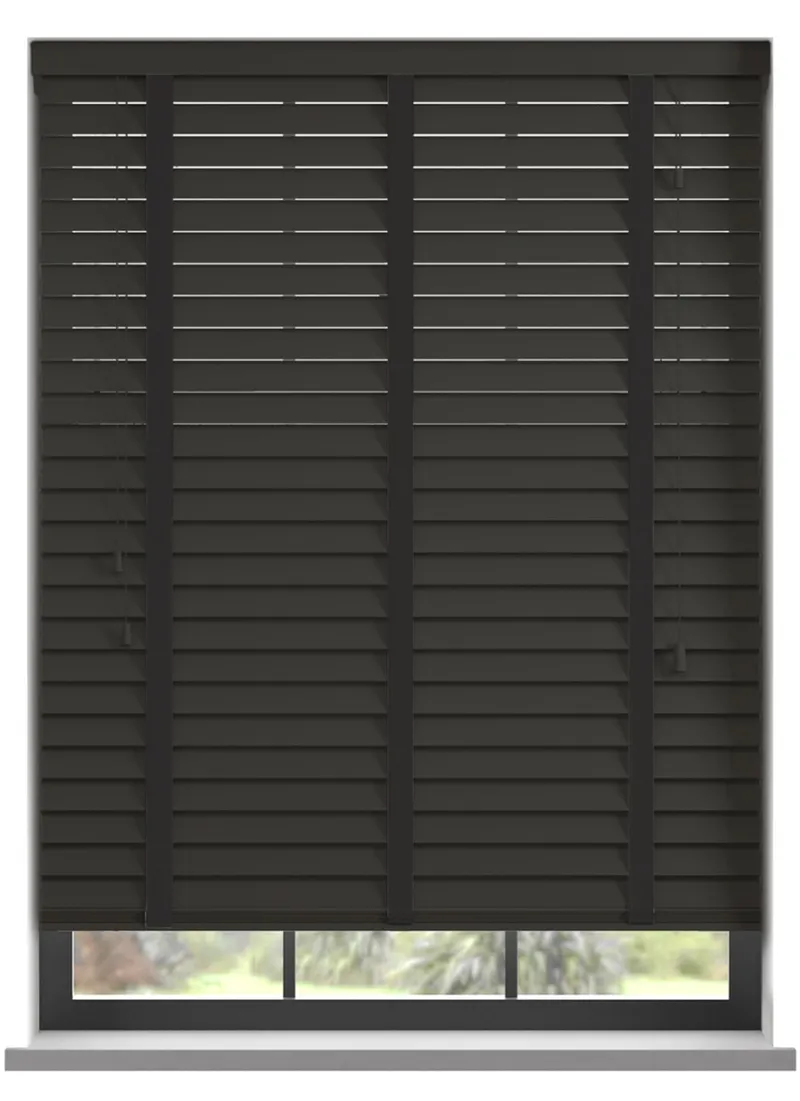
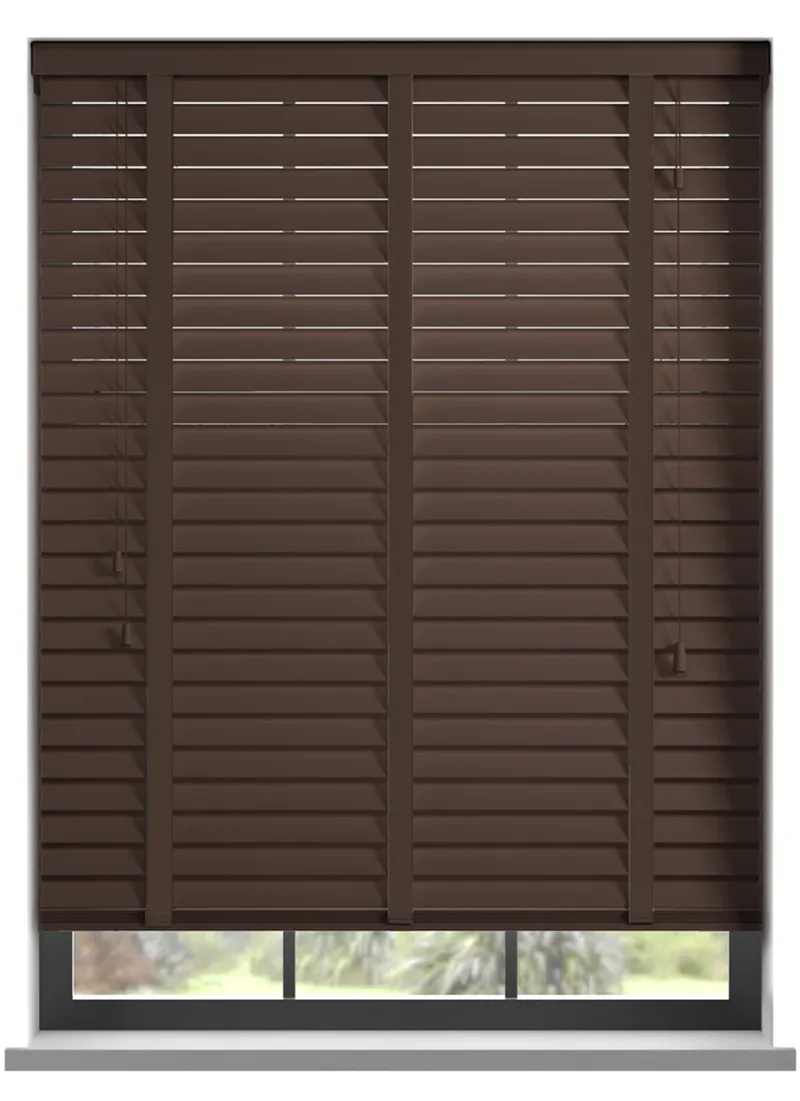
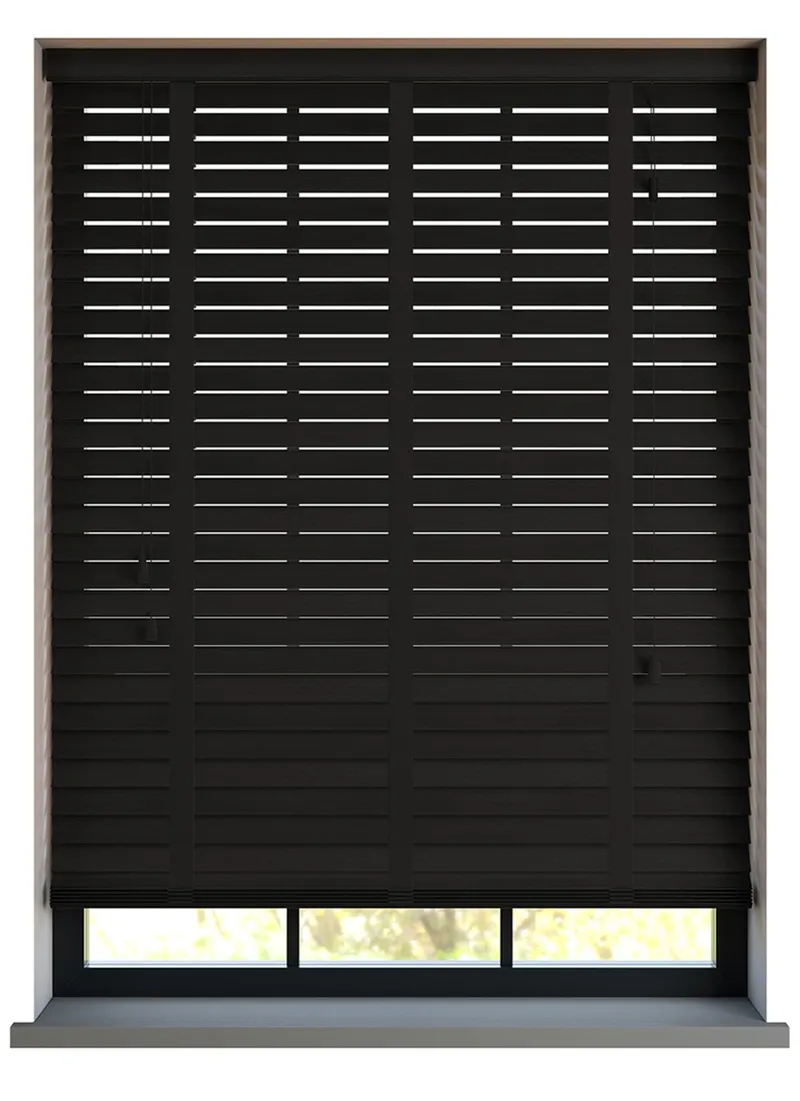
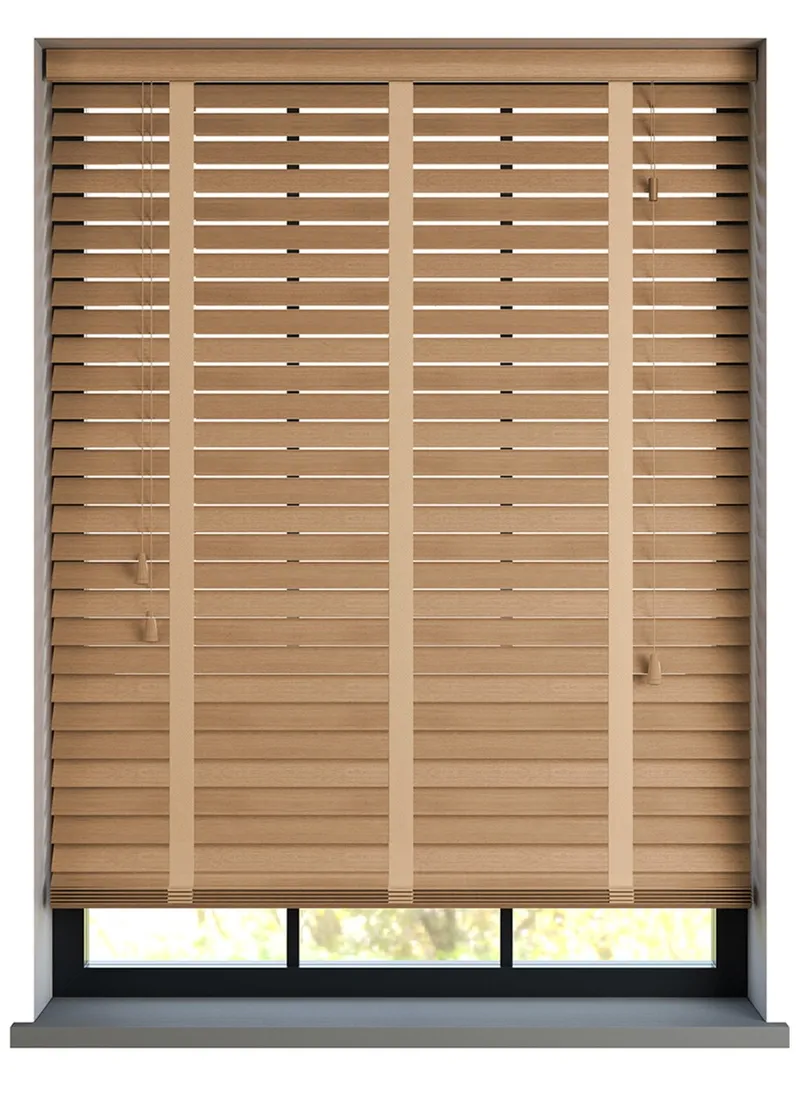
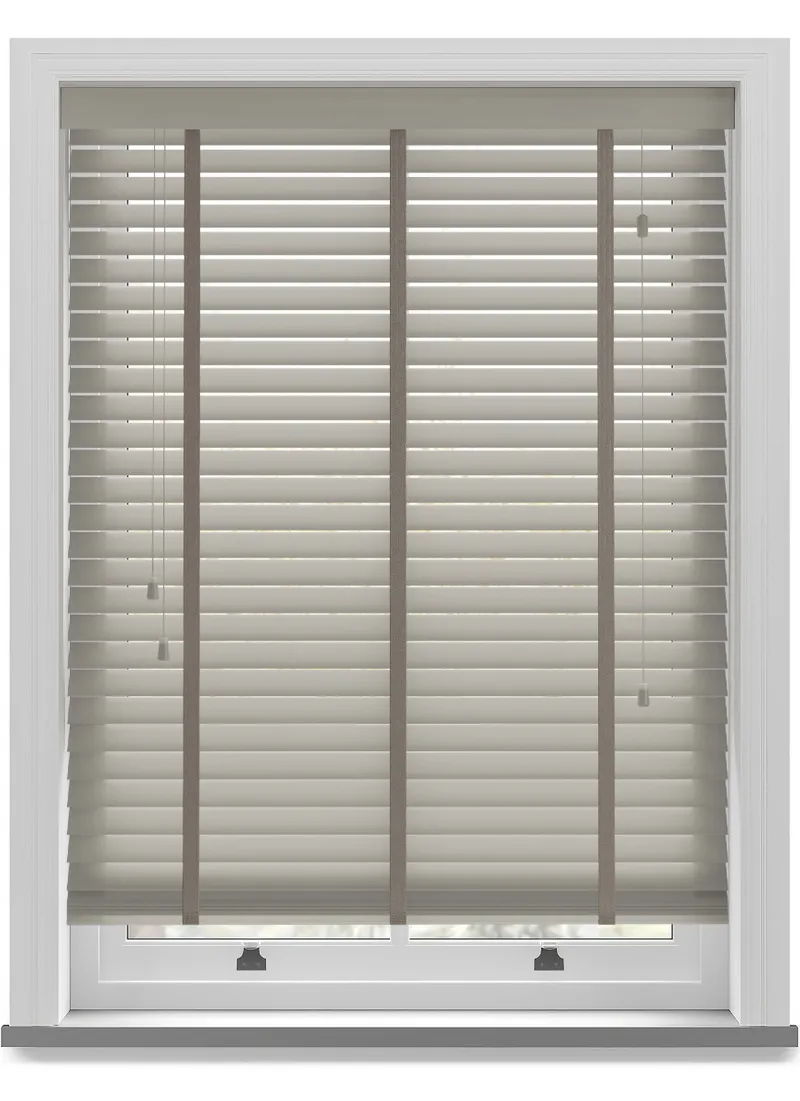
The chart works in two halves. The bamboo names run the wider gamut - Innocent, Flax and Haze at the pale, sun-washed end, Mari, Karri and Zaya through the middle, Cinder and Cyber carrying the smoky darks - while the basswood entries are the cooler, straighter counterpoint: Alpine pale, Yarrin mid, Storm moody. Name-reading only gets you so far, though: texture is the whole point of a range like this, and texture is precisely what a thumbnail flattens. Order samples, hold them against the window in daylight, and judge the weave with your fingers as much as your eyes - the gap between Flax and Haze, or Storm and Cinder, is a surface as much as a shade.
Price by your dimensions
Premium sits where its name suggests - above the bargain end of the roller market, below the sums a genuine woven-wood blind can command. Cost climbs with both dimensions, since a bigger window is simply more fabric on a longer tube, so run the table at your own measurements rather than judging the range by its entry figure.
How it compares
Against a plain fabric roller, Premium is the textured upgrade: the same fuss-free mechanism with a far more interesting surface. Against a genuine bamboo or woven-wood blind it is the tidier, made-to-measure cousin - natural-slat blinds bring literal texture but also gaps, weight and fussier care, where a roller stays flat, light and simple. Against a roman it trades fabric softness for cleaner lines and an easier wipe-down. Premium is a Shade & Story exclusive among the retailers we track, so there is no rival shop to price it against - the flip side of a curated edit is that nobody else lists it, and the upside is a natural-texture roller chart with a depth the generic ranges rarely attempt.
A note on care
Rollers are the easiest blinds to keep, and a textured face changes that only slightly. Dust little and often with a soft brush or a vacuum on low power, working along the grain of the weave so you lift dust out of the texture rather than pressing it in. Marks want a barely damp cloth and a light touch - no soaking, no scrubbing - and let the blind dry fully unrolled before you wind it back up, because rolling away a damp blind is how mildew starts. Beyond that, an occasional check that the tube sits level and the fabric rolls true is all the maintenance the format asks.