
The JL x Sanderson roller range at Shade & Story - the made-to-measure blinds brand run in partnership with John Lewis - puts prints from Sanderson, one of the great English fabric houses, onto plain-rolling blinds: 40 colourways from £42.00. A heritage print on a roller usually means William Morris; this is the rare collection where it does not, and it is priced as designer fabric rather than commodity cloth - you are paying for the print, not the mechanism.
Who it suits
A roller is the simplest blind there is: the fabric stacks onto a tube, clears the glass when raised, and adds almost no hardware to the window. That restraint is exactly what a print collection wants, because the fabric carries the whole look - no folds interrupting the design, just a flat panel of pattern. It suits rooms where the blind is the decorative event: a kitchen window wearing a garden print, a study or bedroom that wants pattern without committing to curtains, a hallway window that would otherwise be forgotten.
Two groups should look elsewhere. If you want a plain neutral that sits quietly behind the rest of the room, a standard roller range will do that job for far less, and the print here would be wasted on it. And if certain darkness is the priority, the range is listed in a standard opacity rather than as a blackout cloth, so light sleepers should start from a dedicated blackout roller instead.
The designs
40 colours available

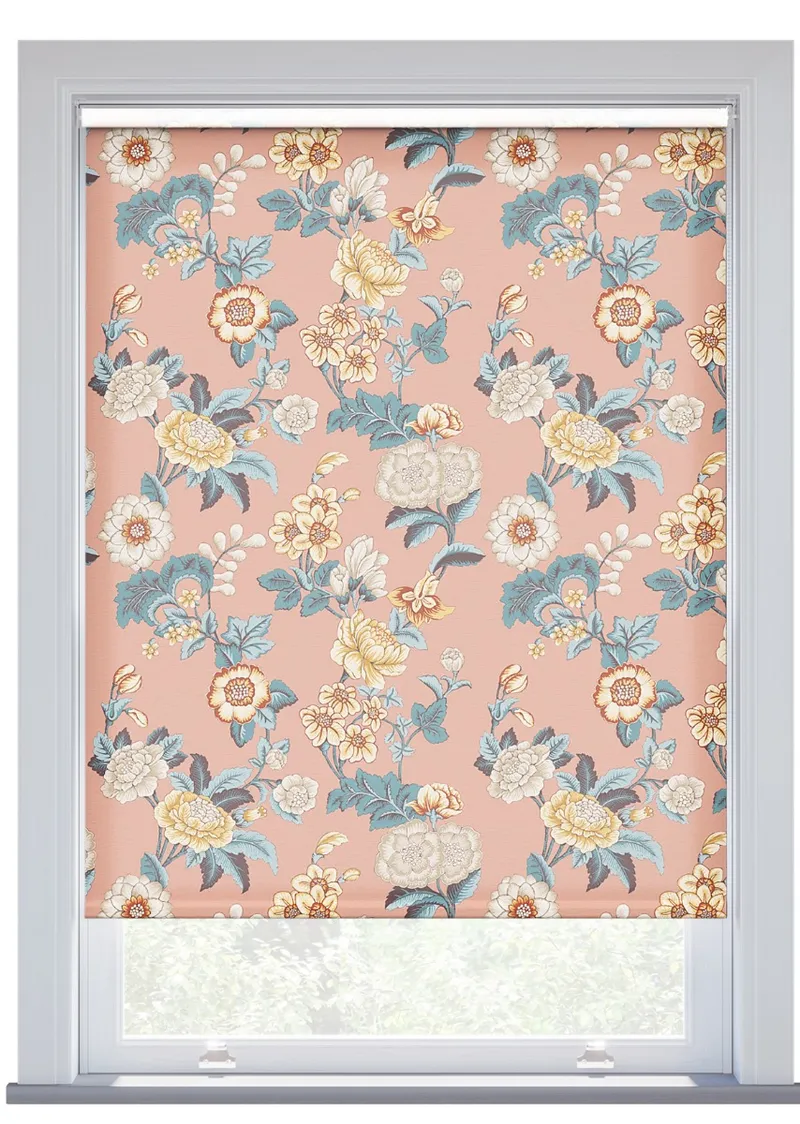
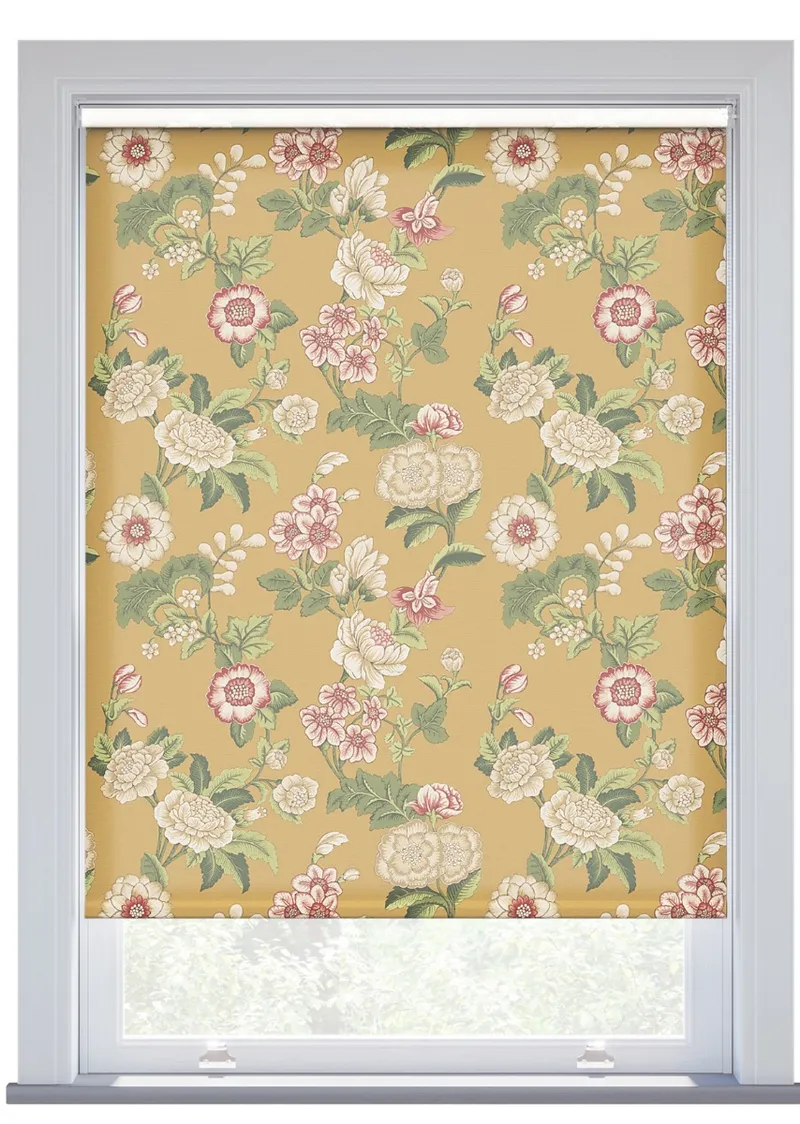
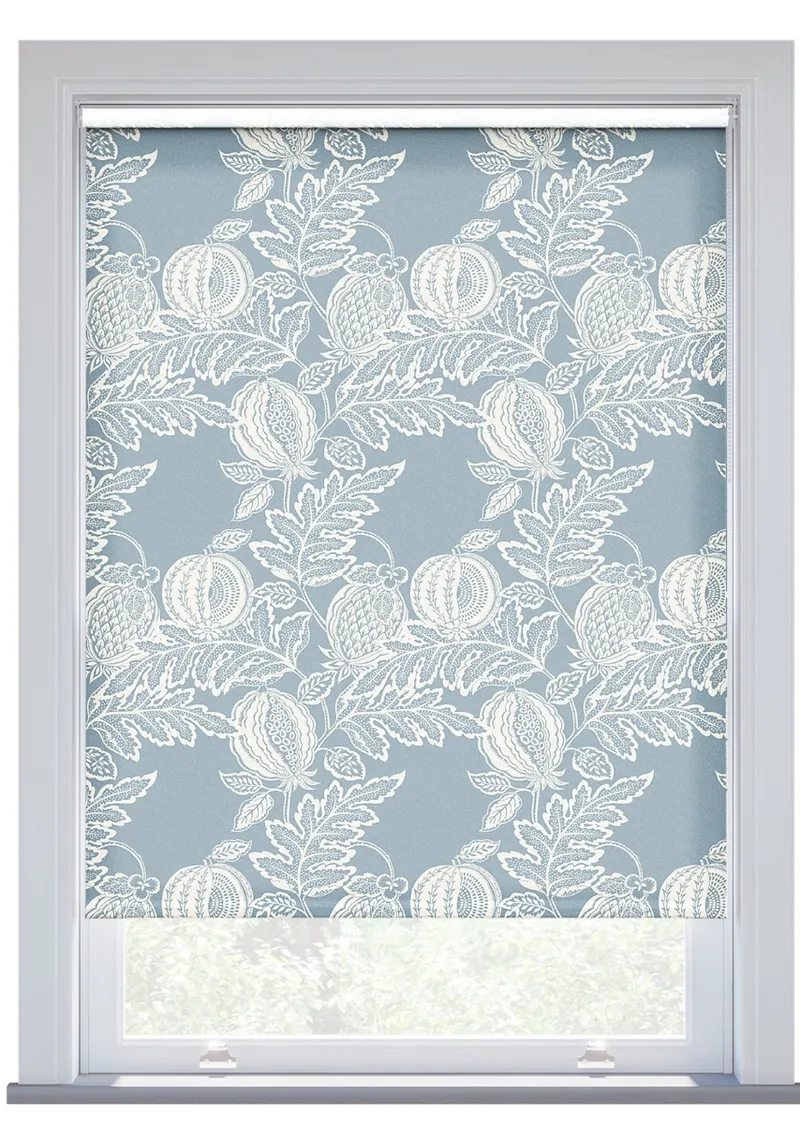
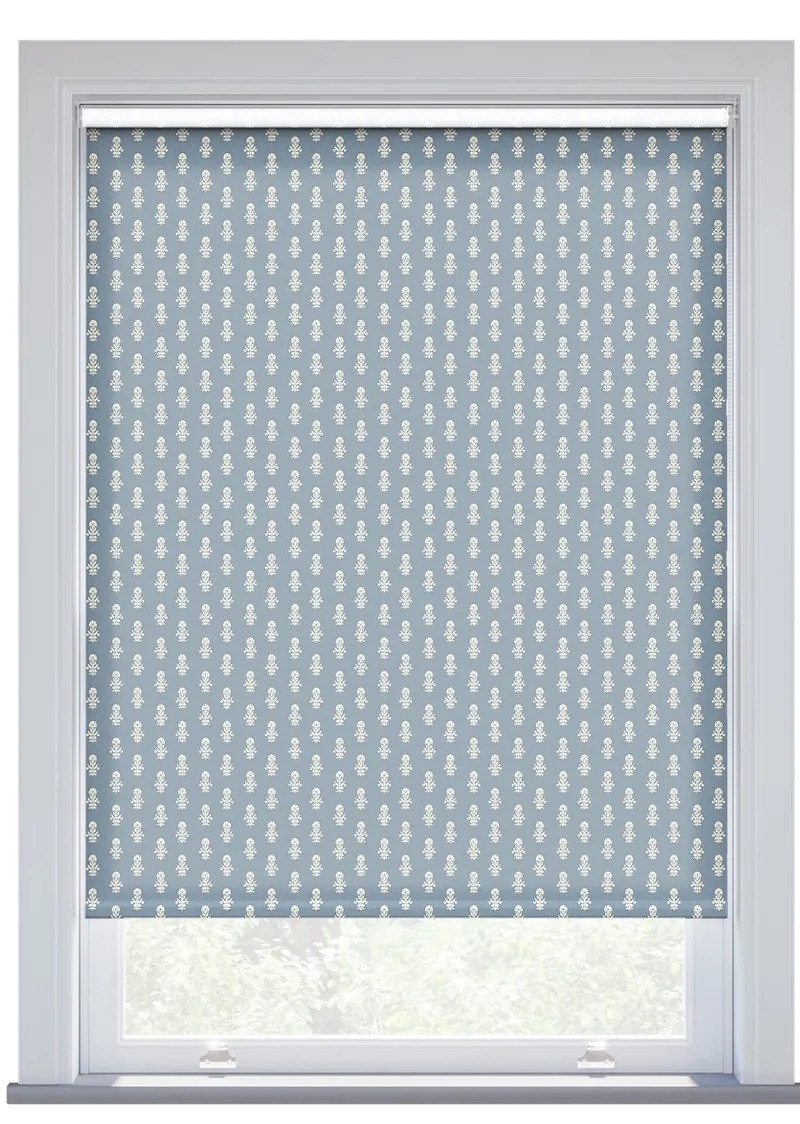
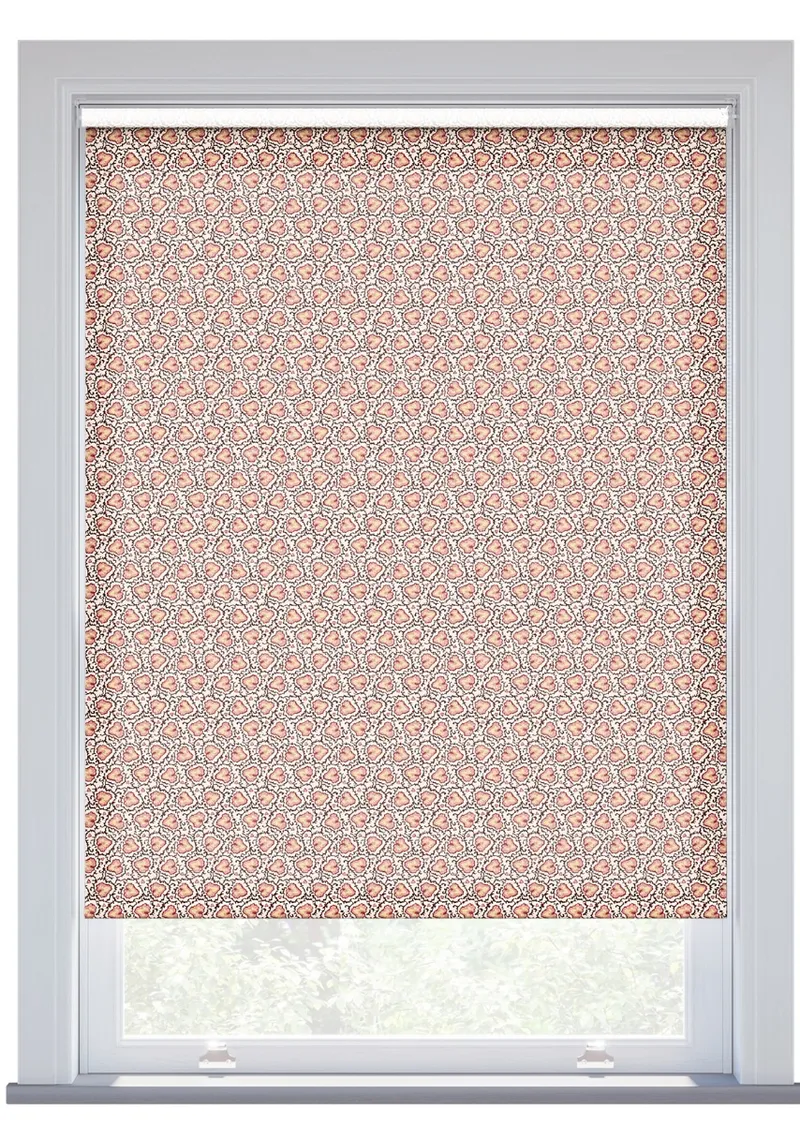
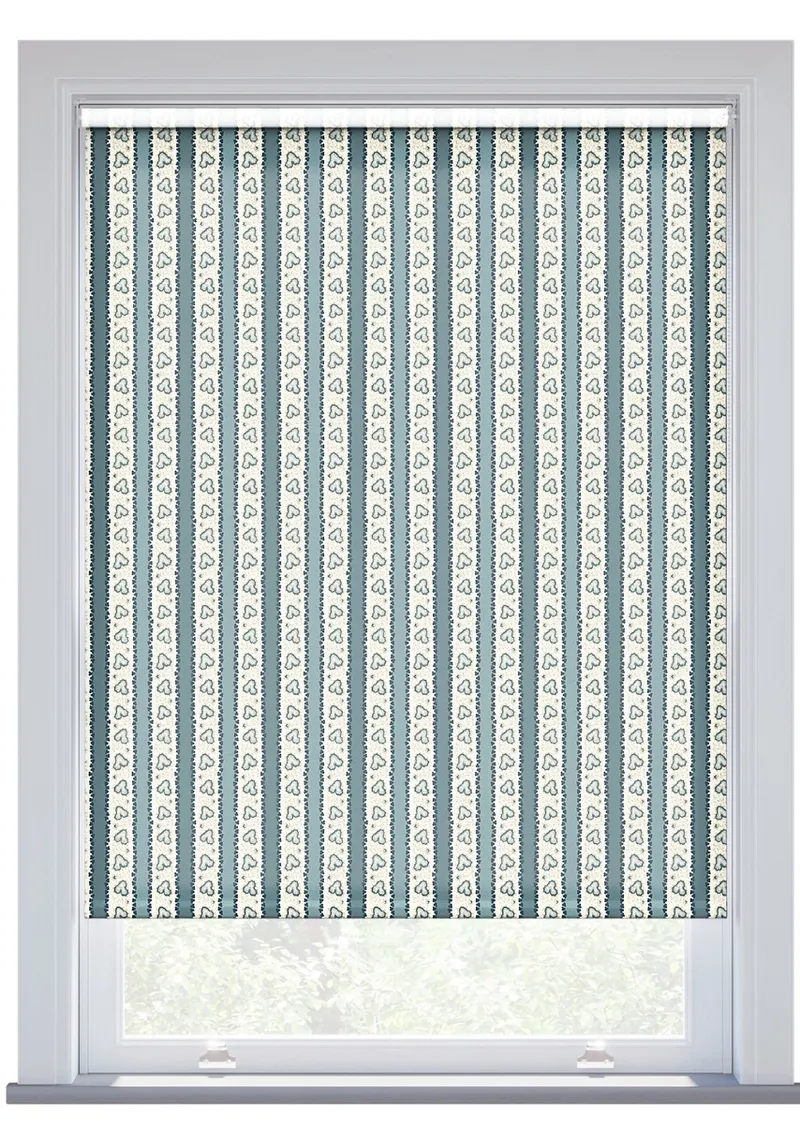
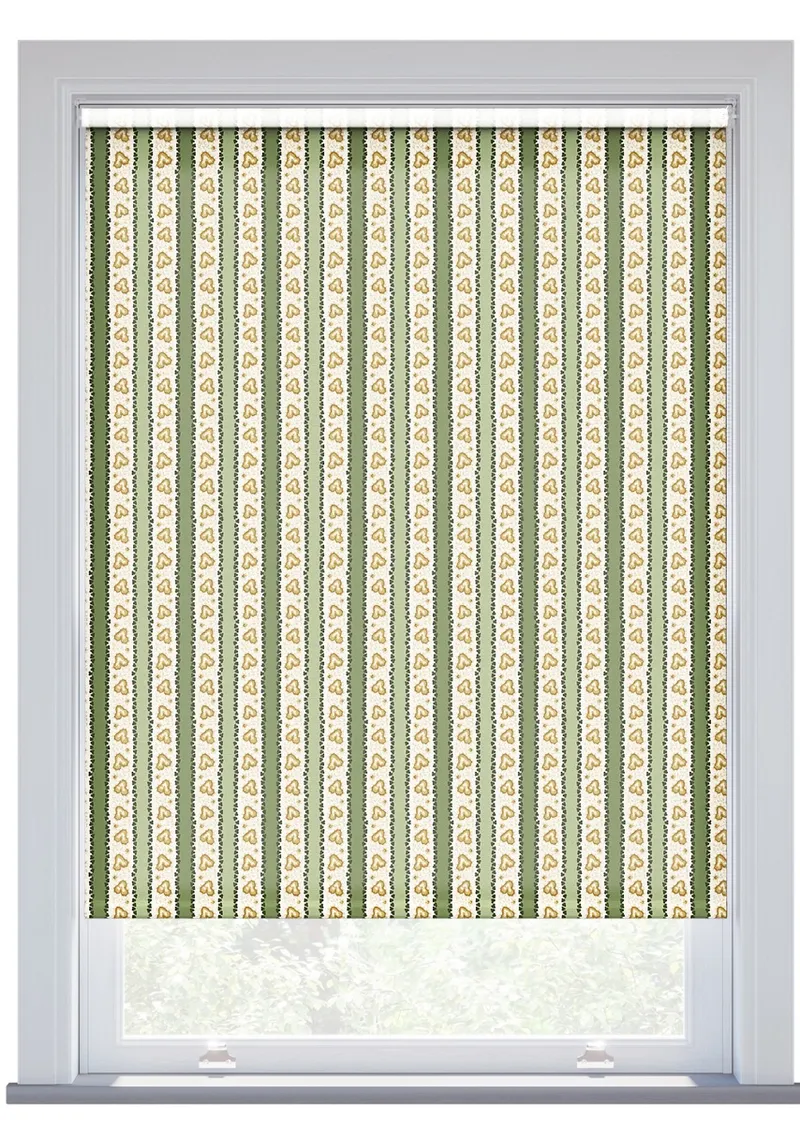
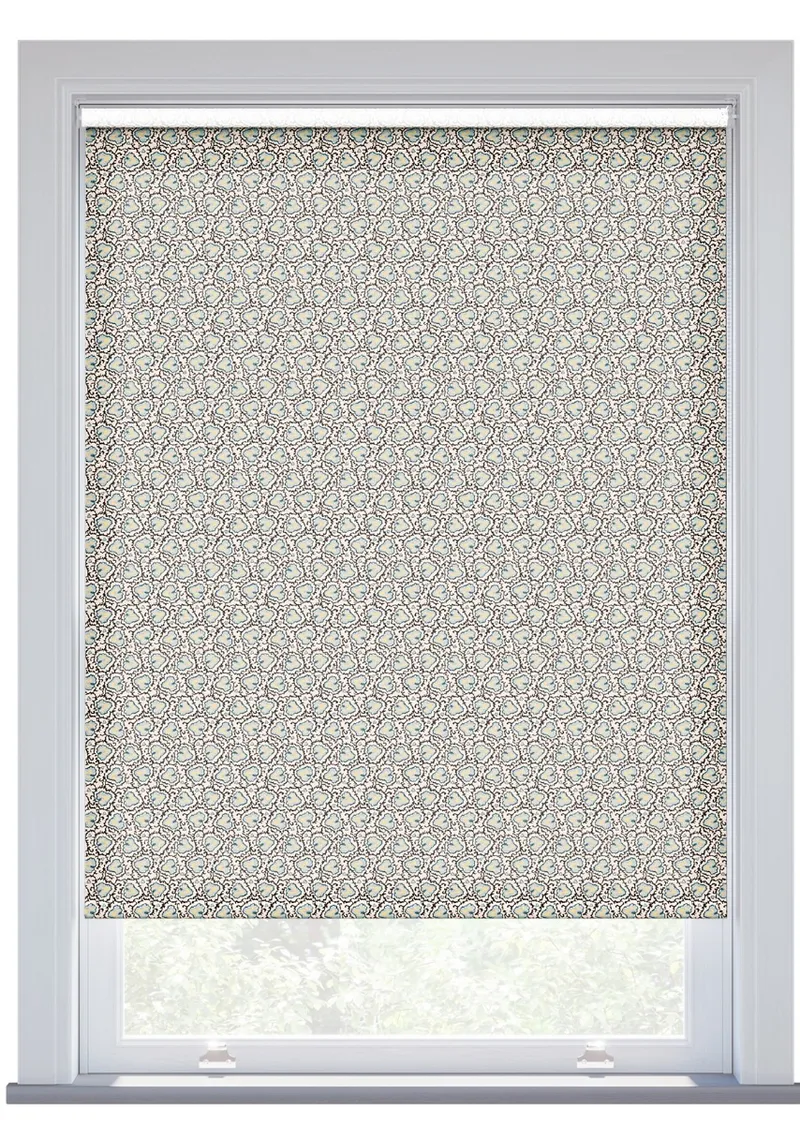
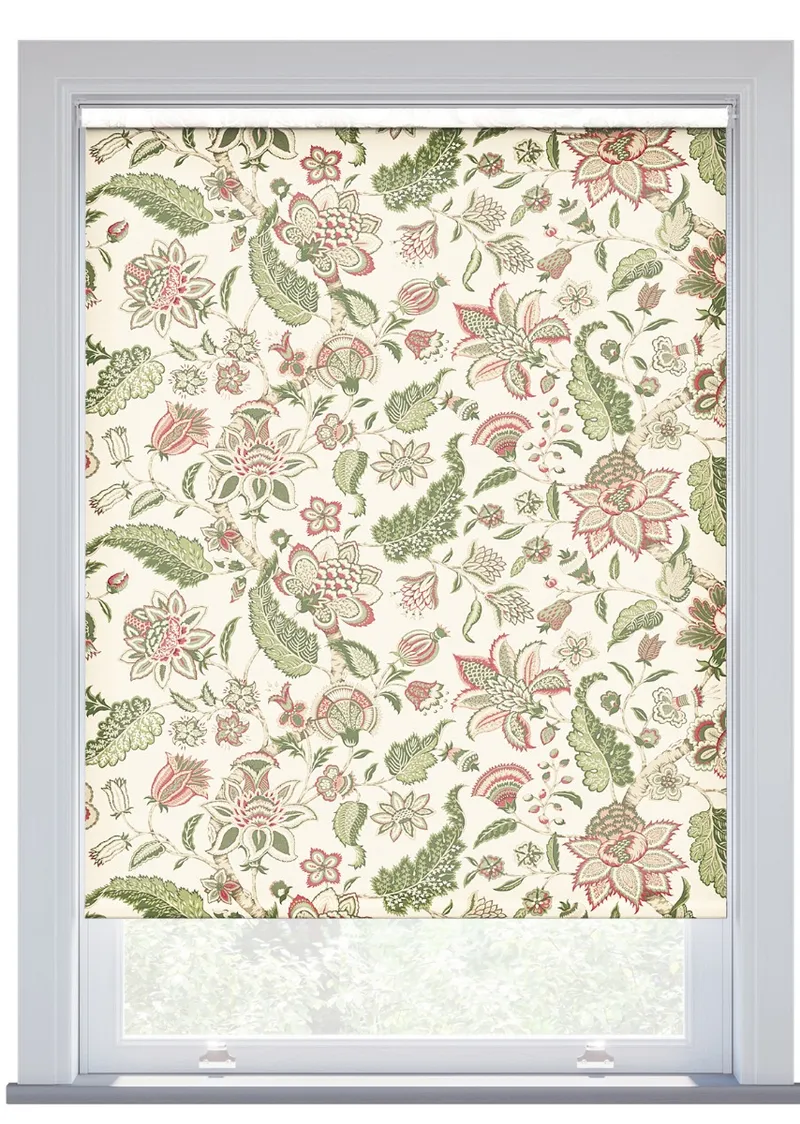
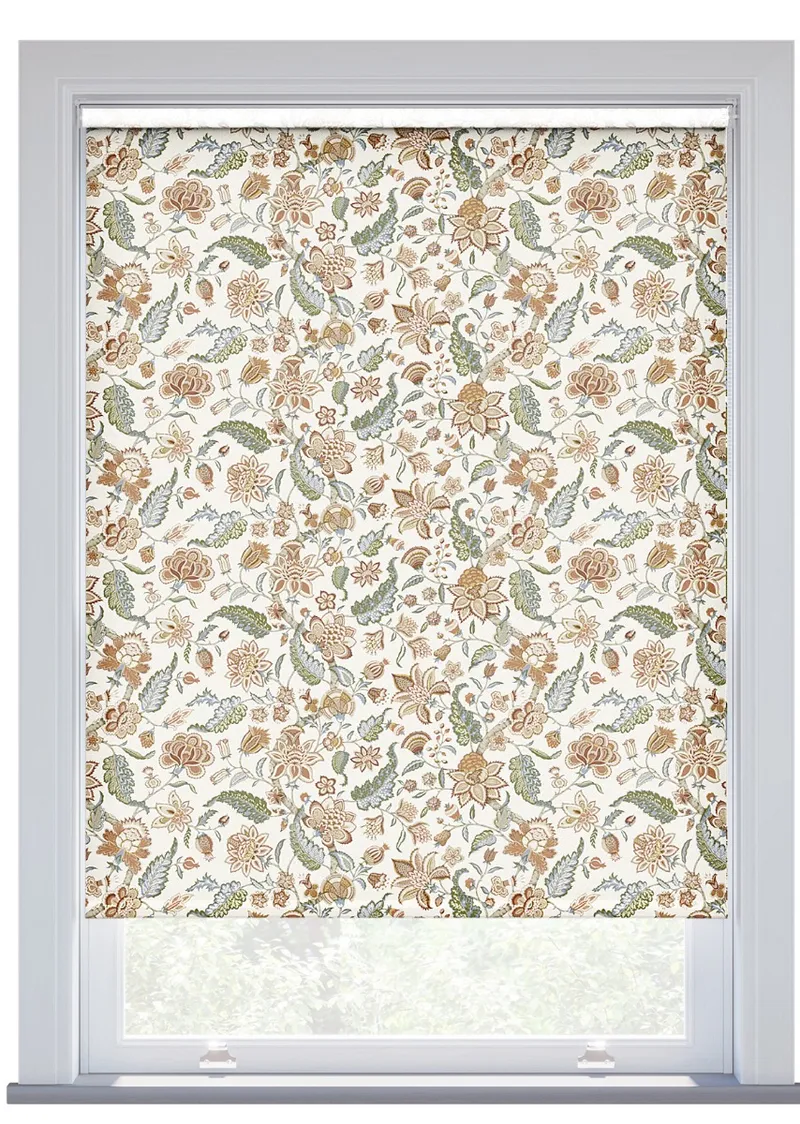
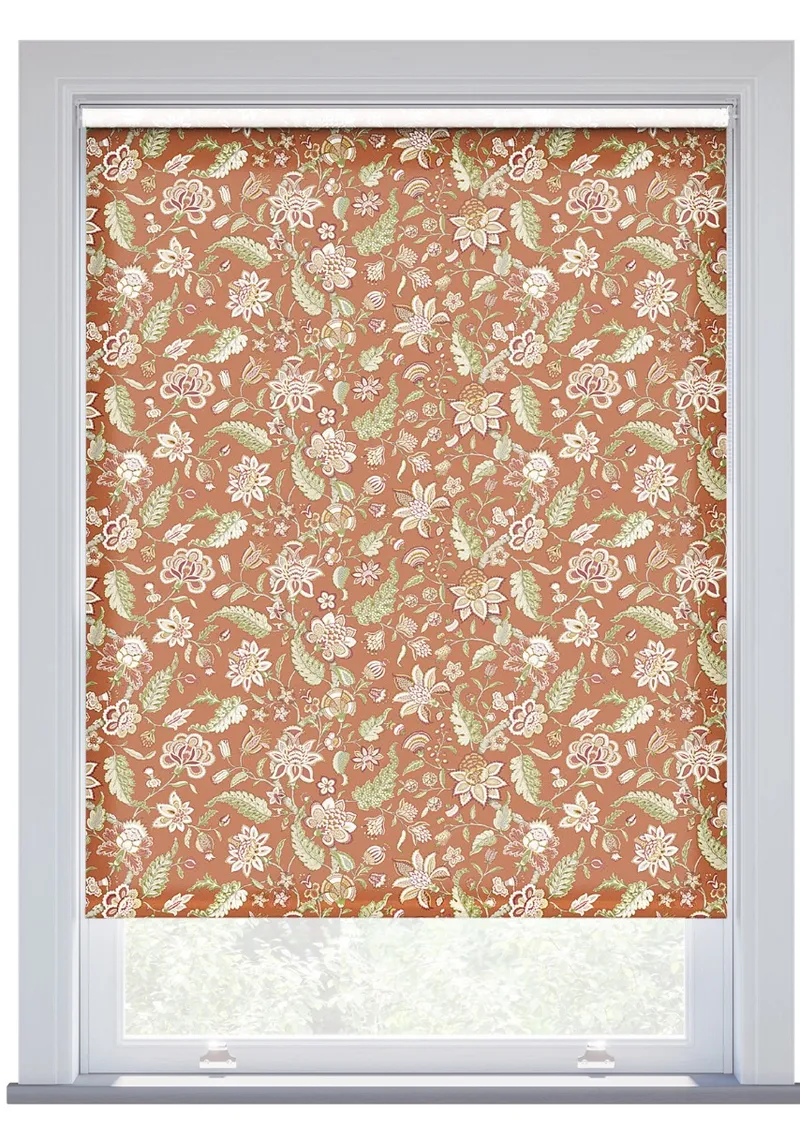
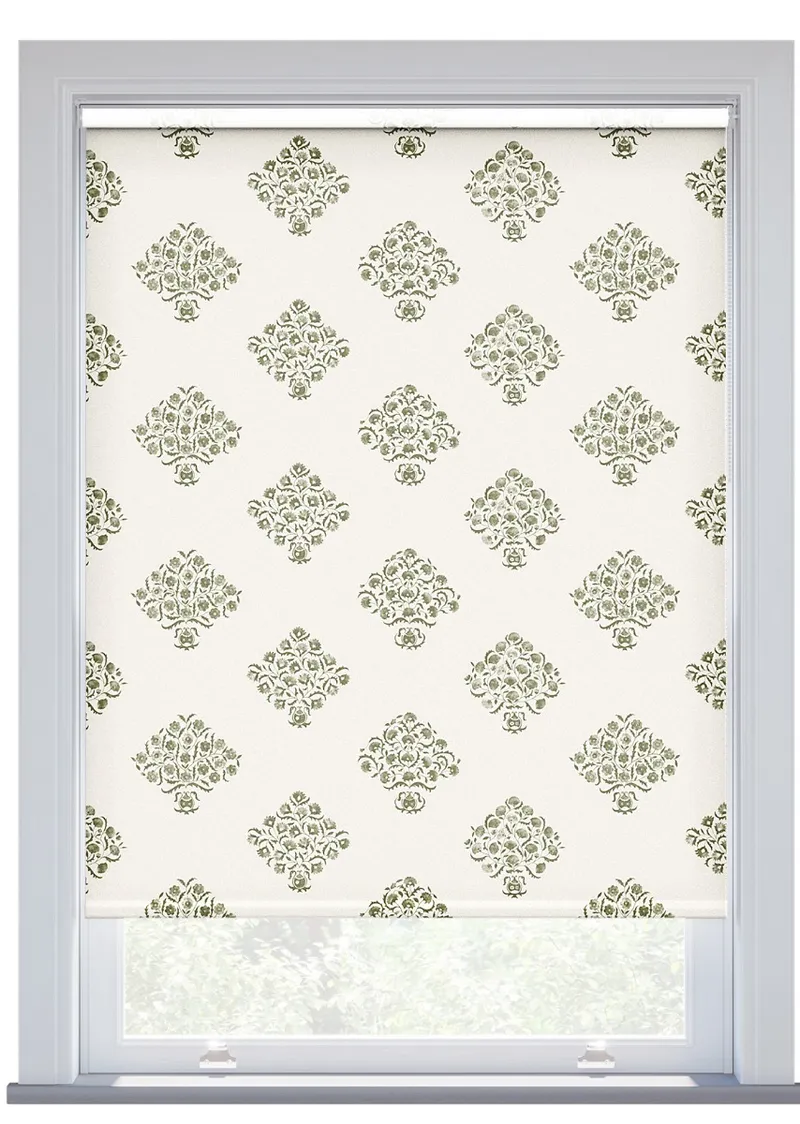
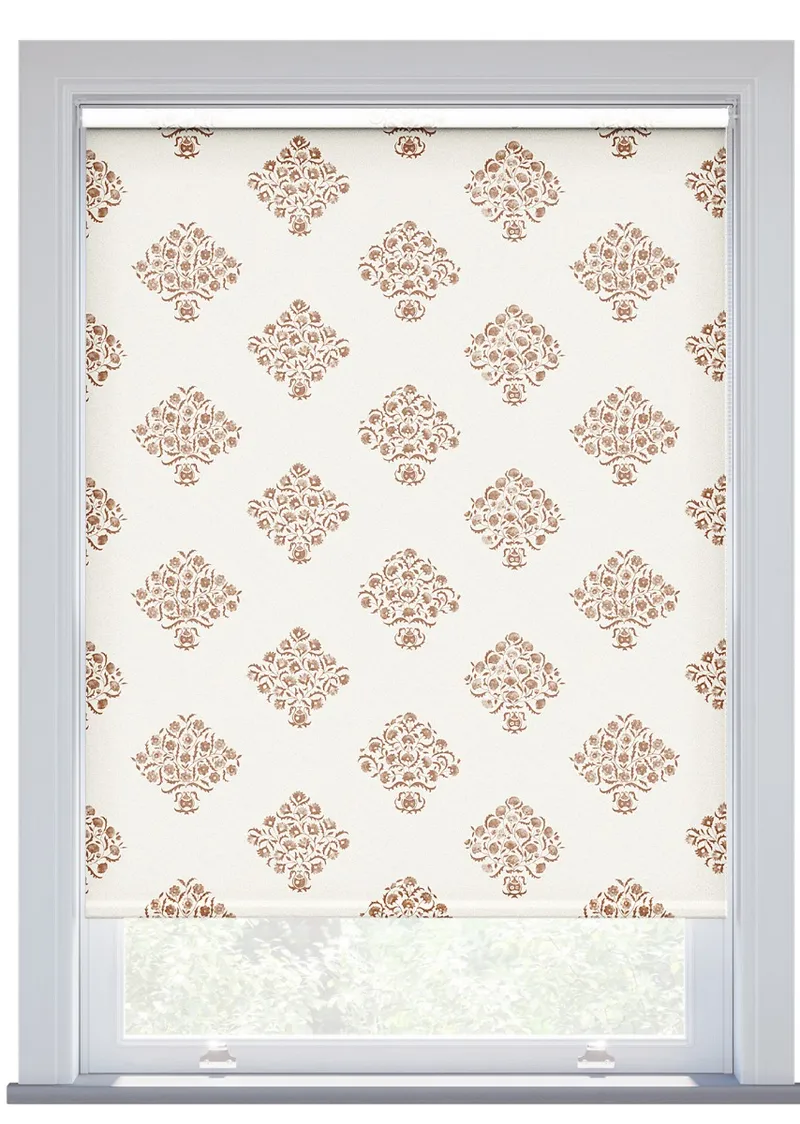
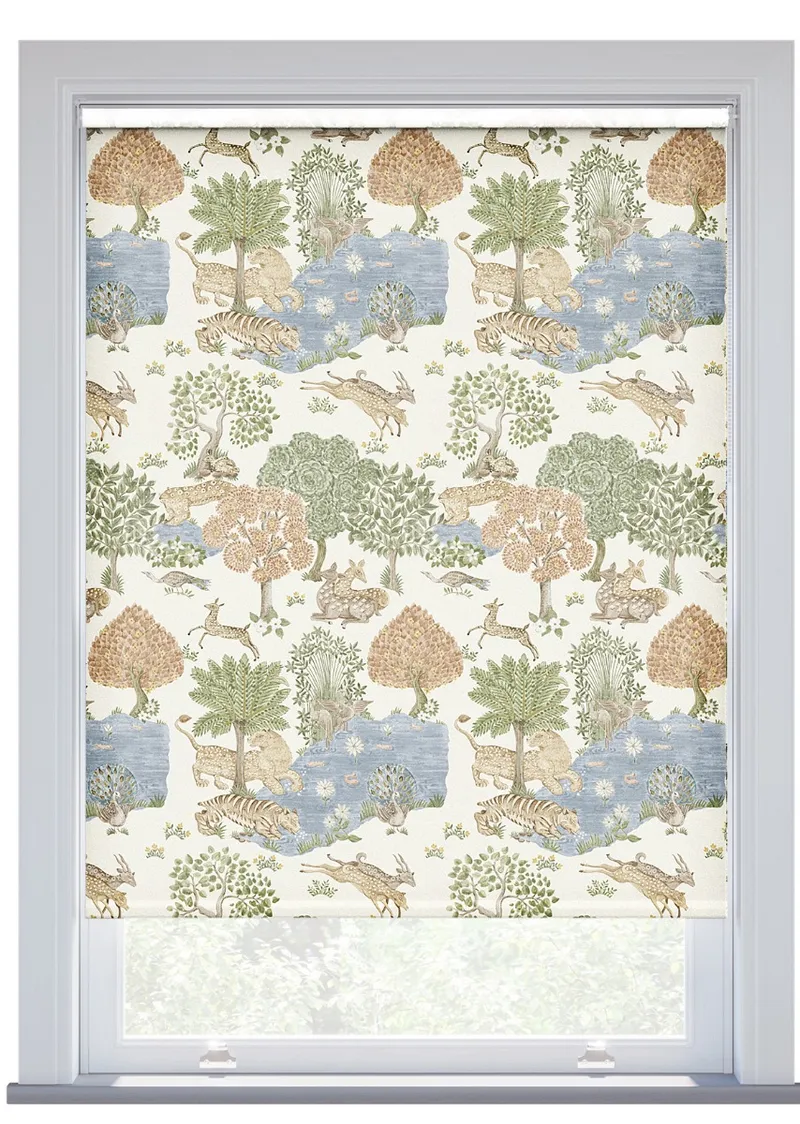
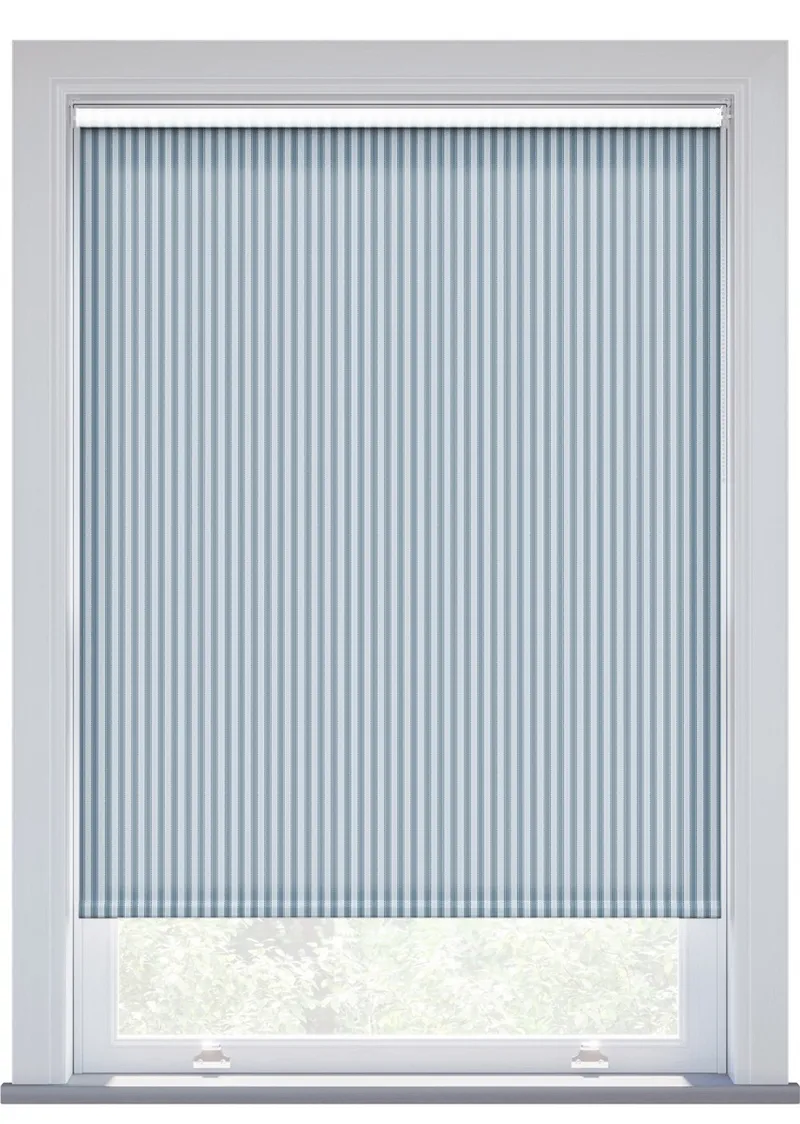
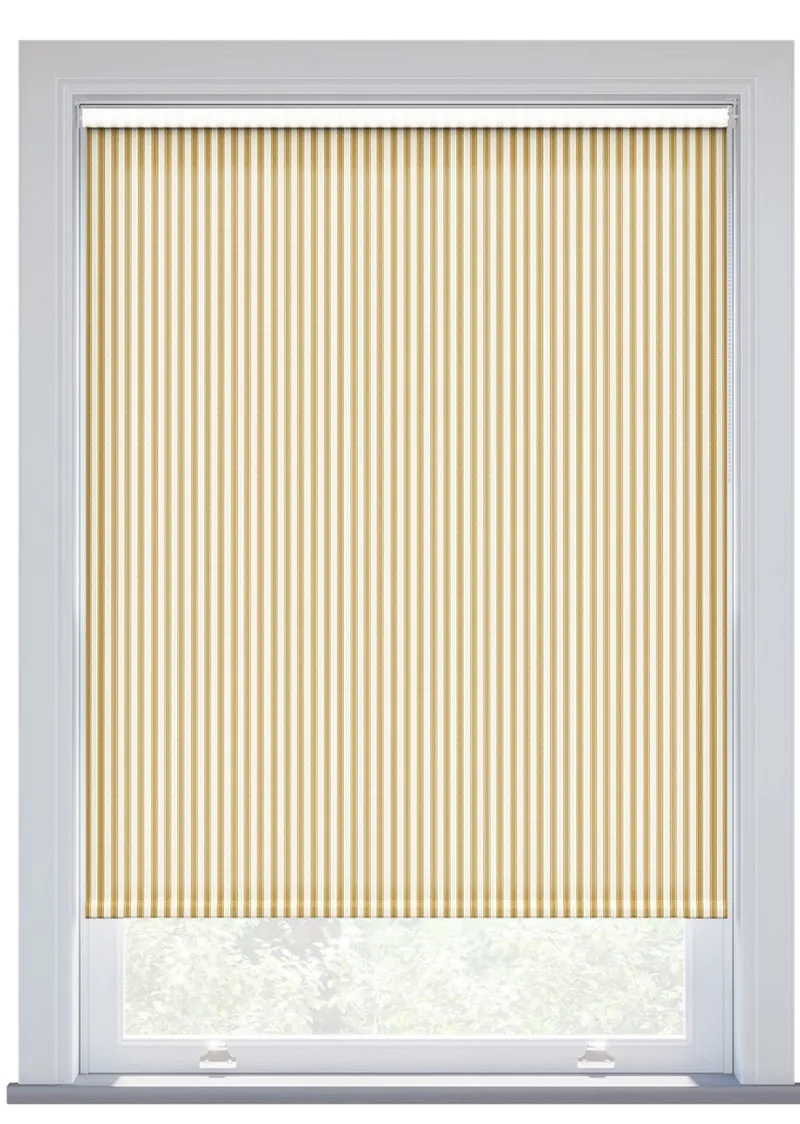
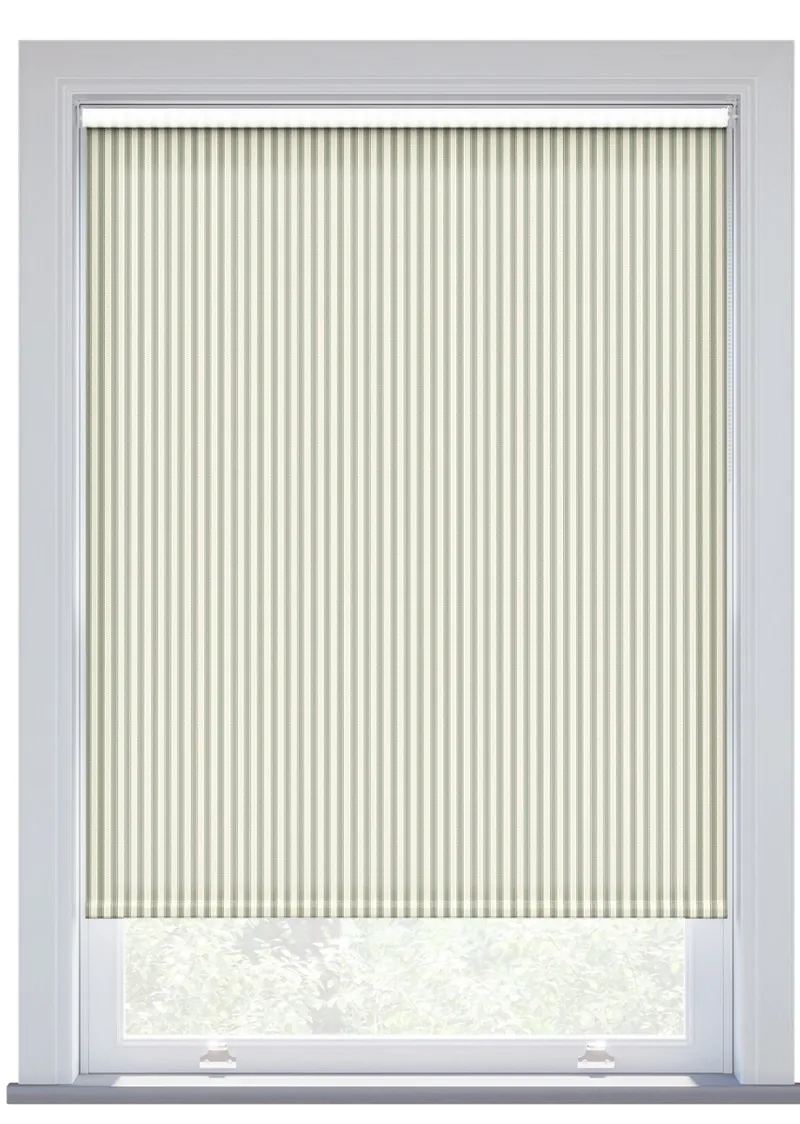
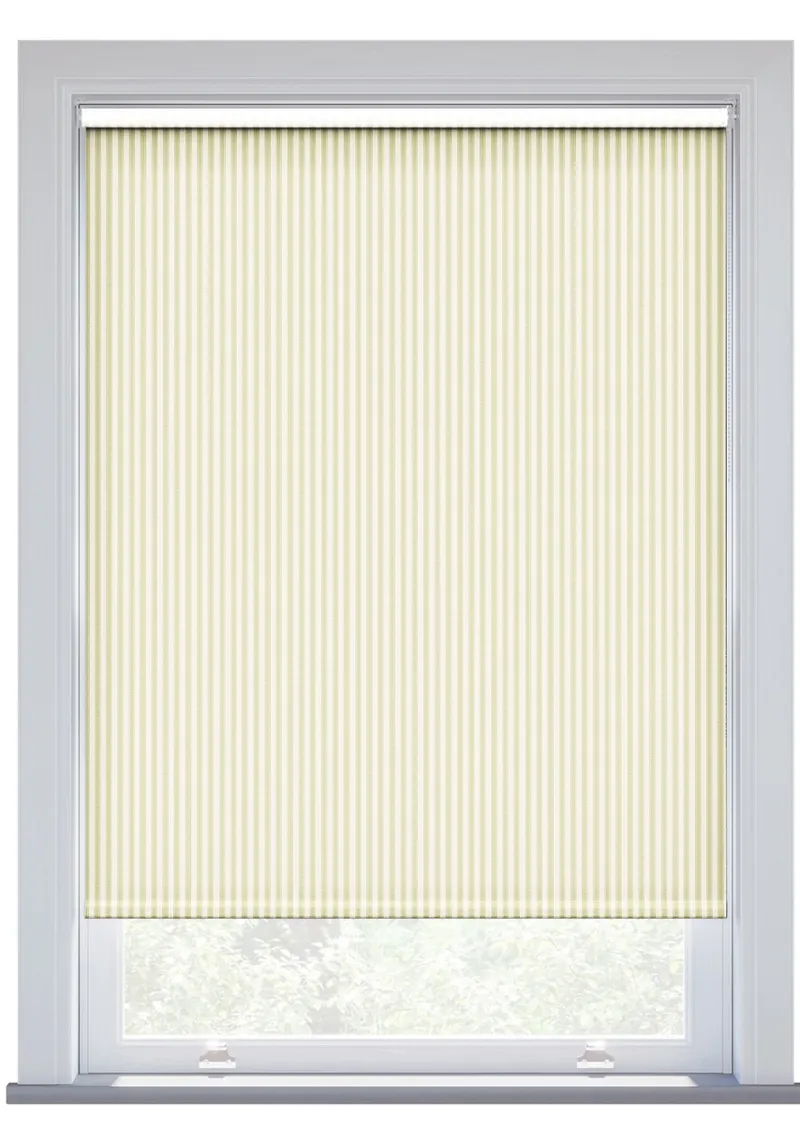
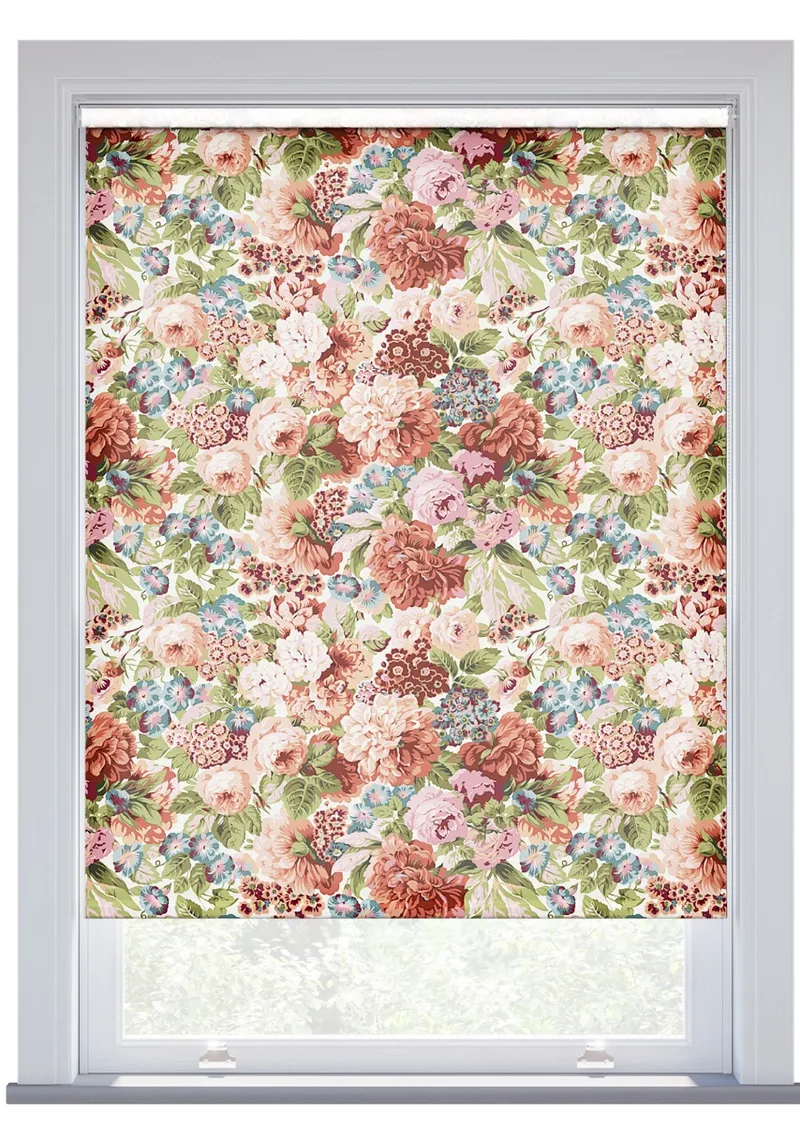
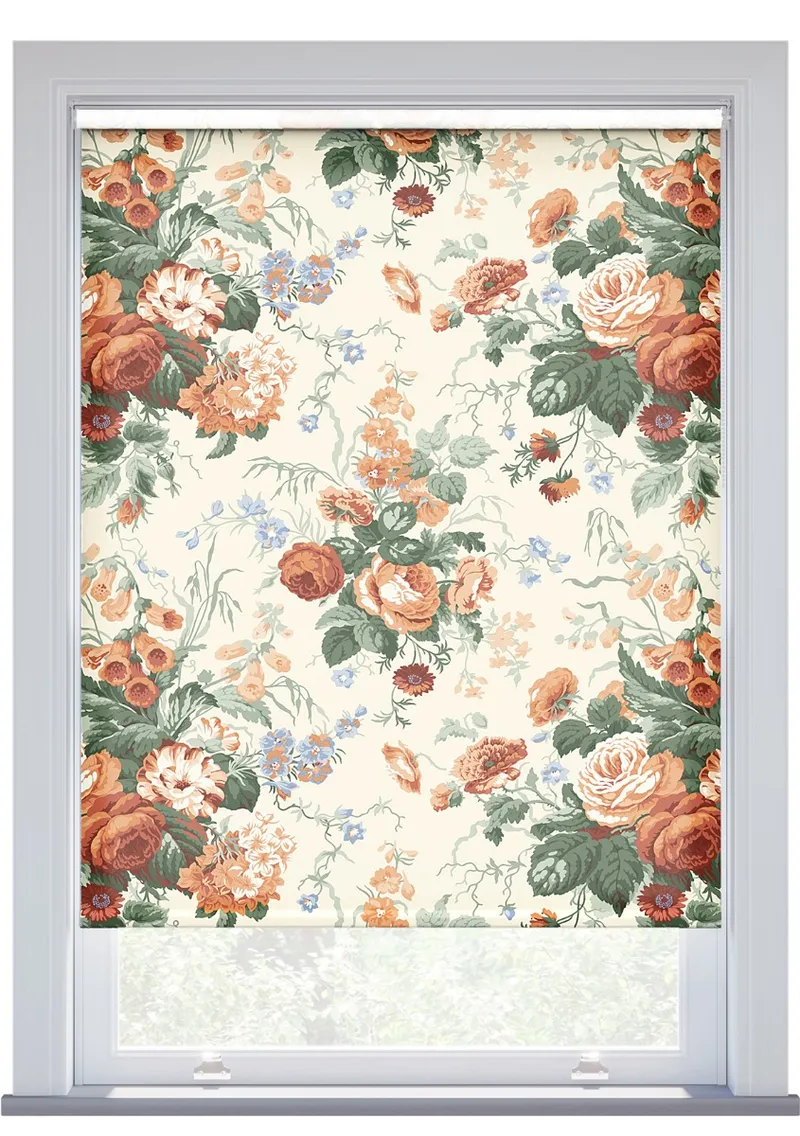
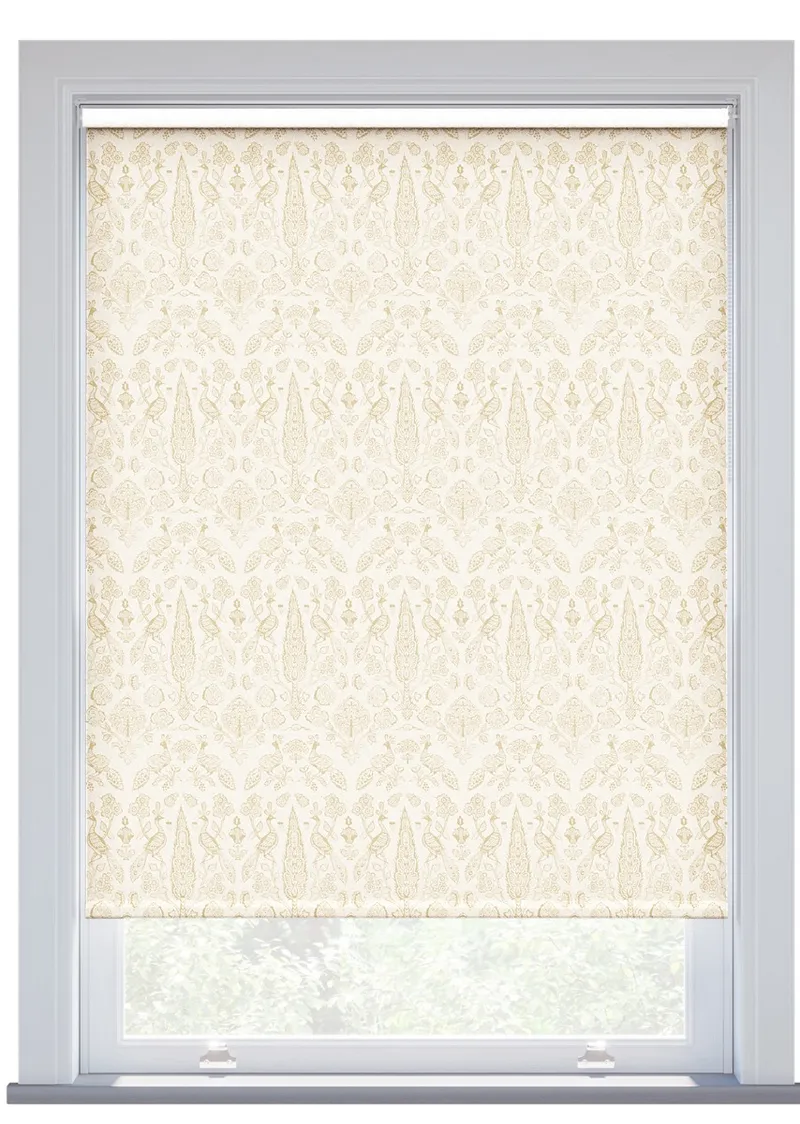
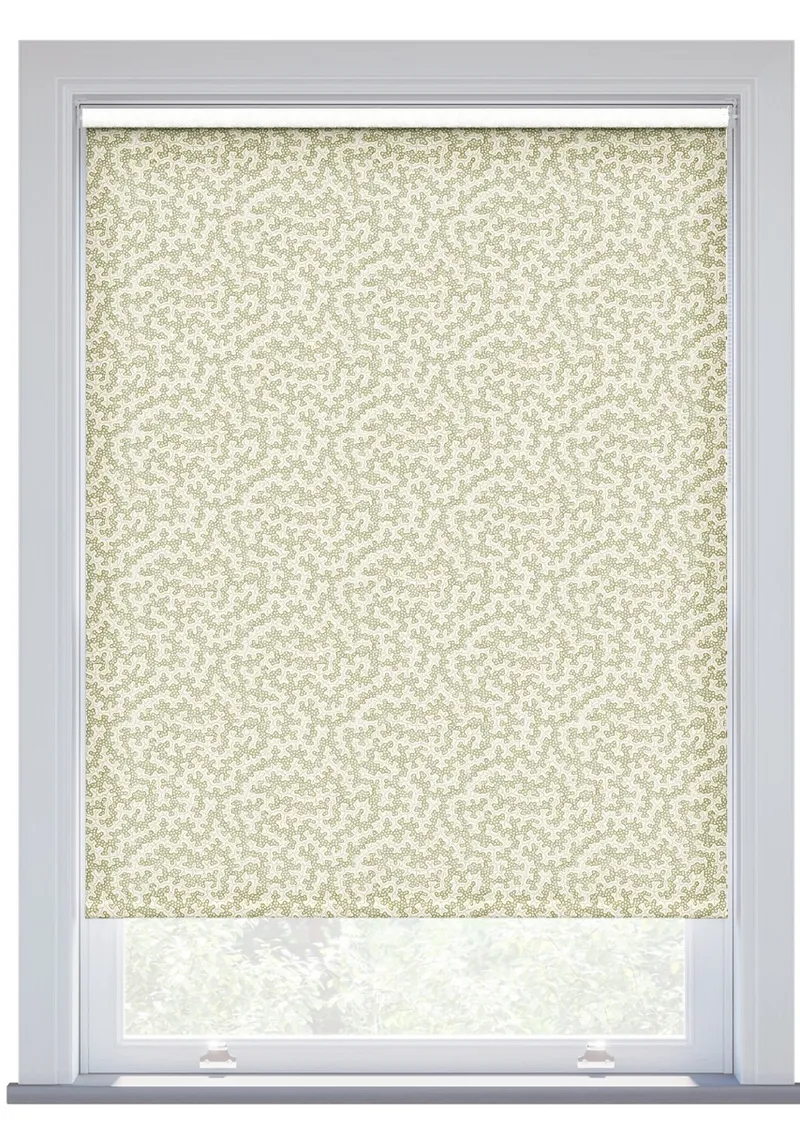

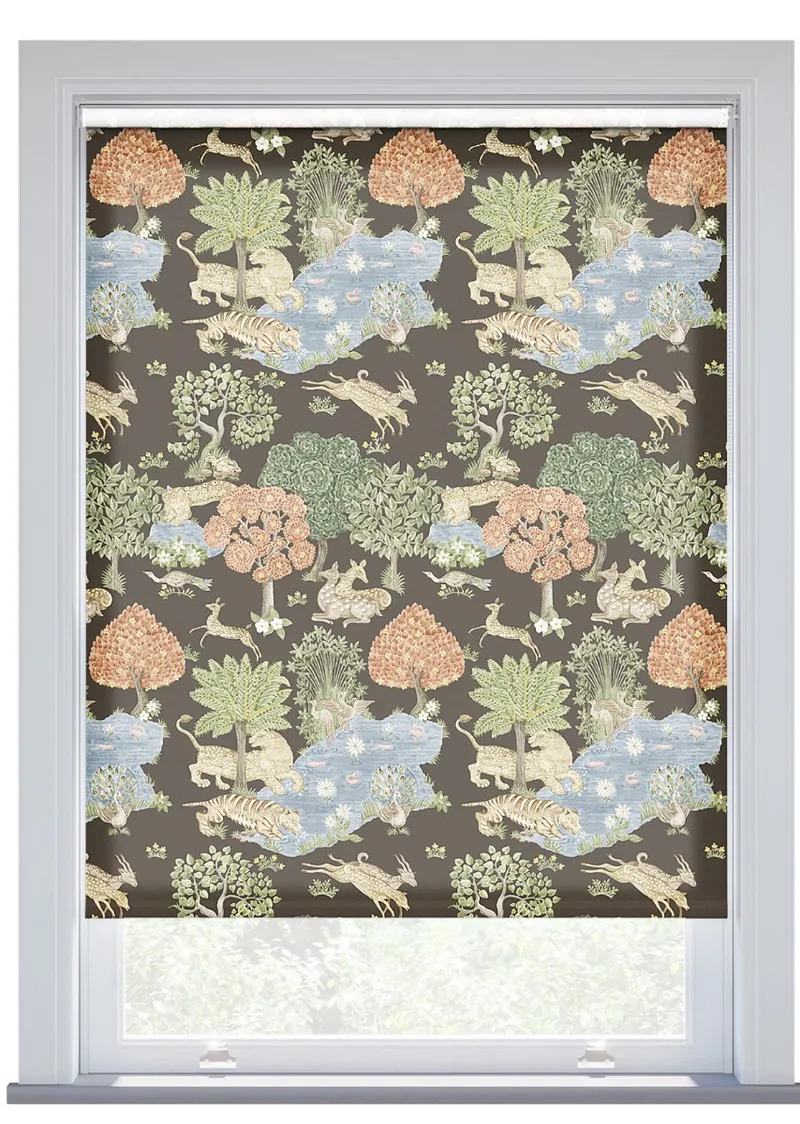
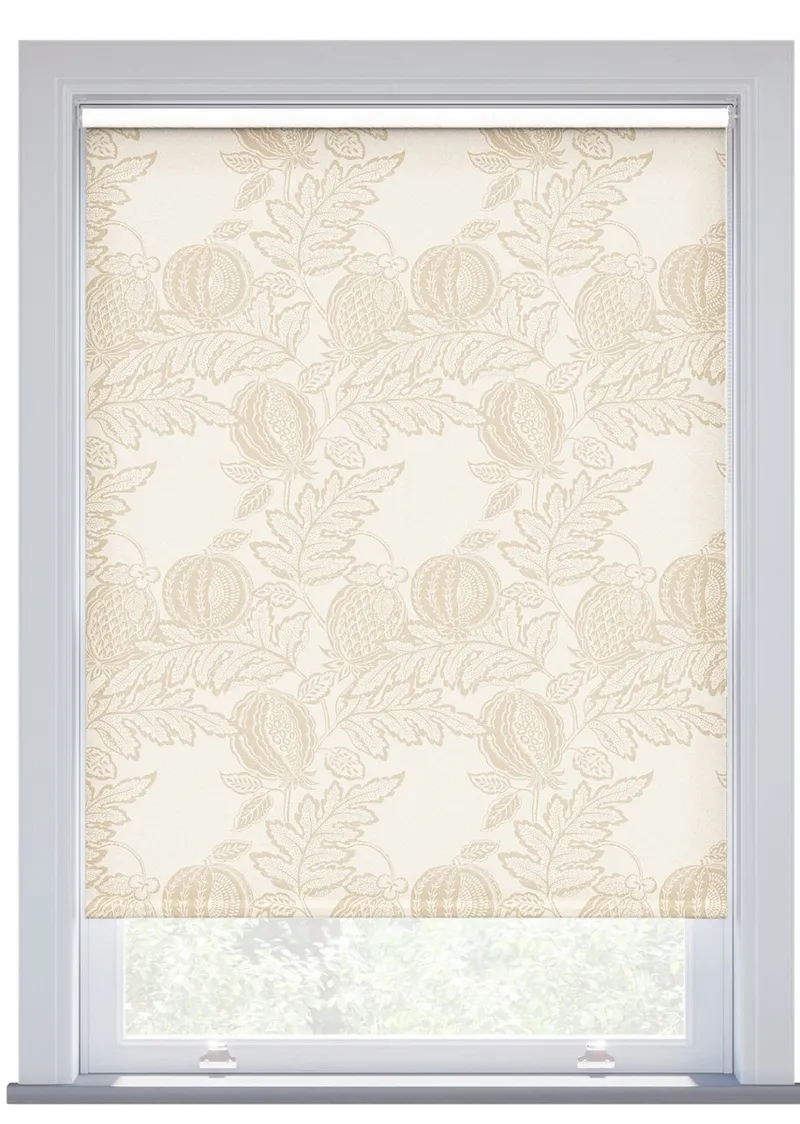
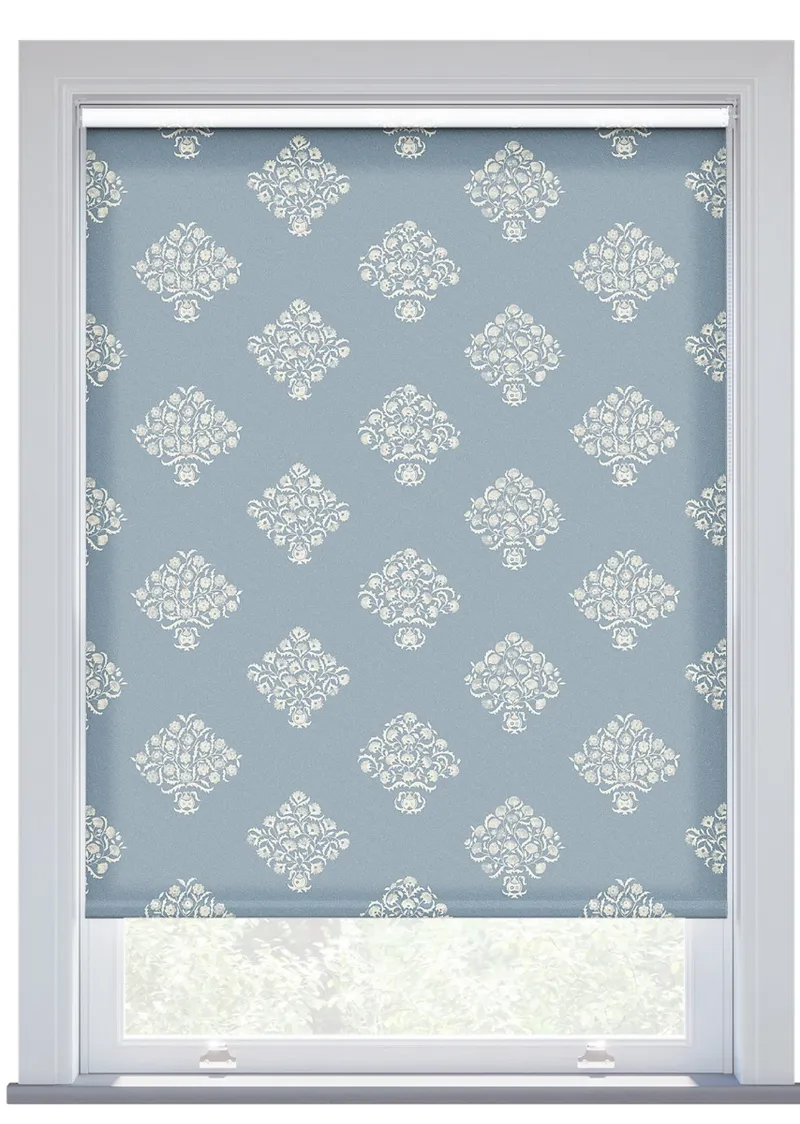
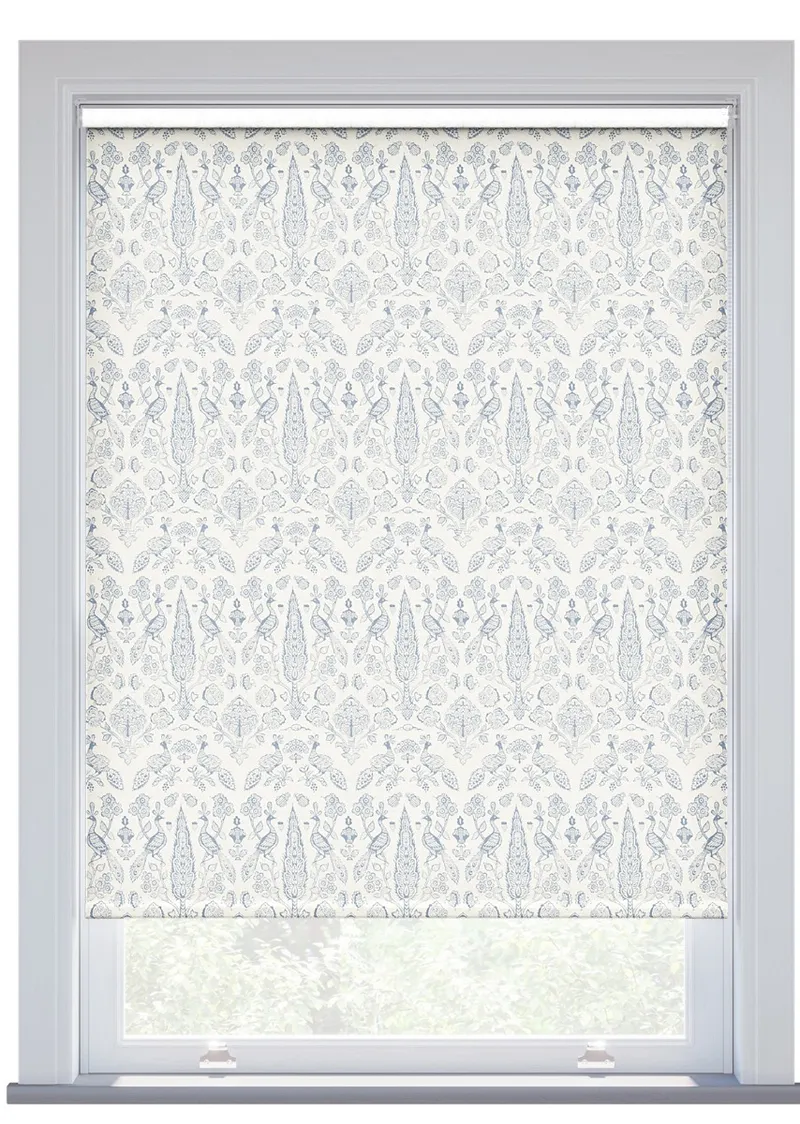
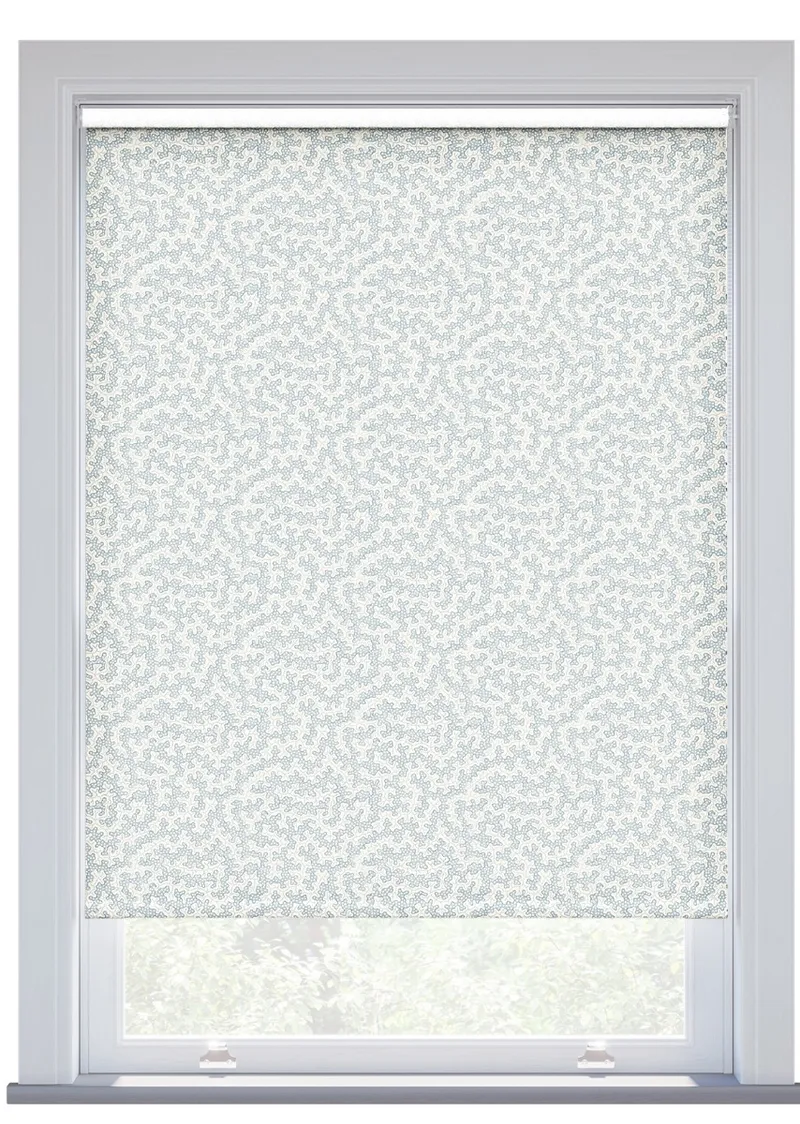
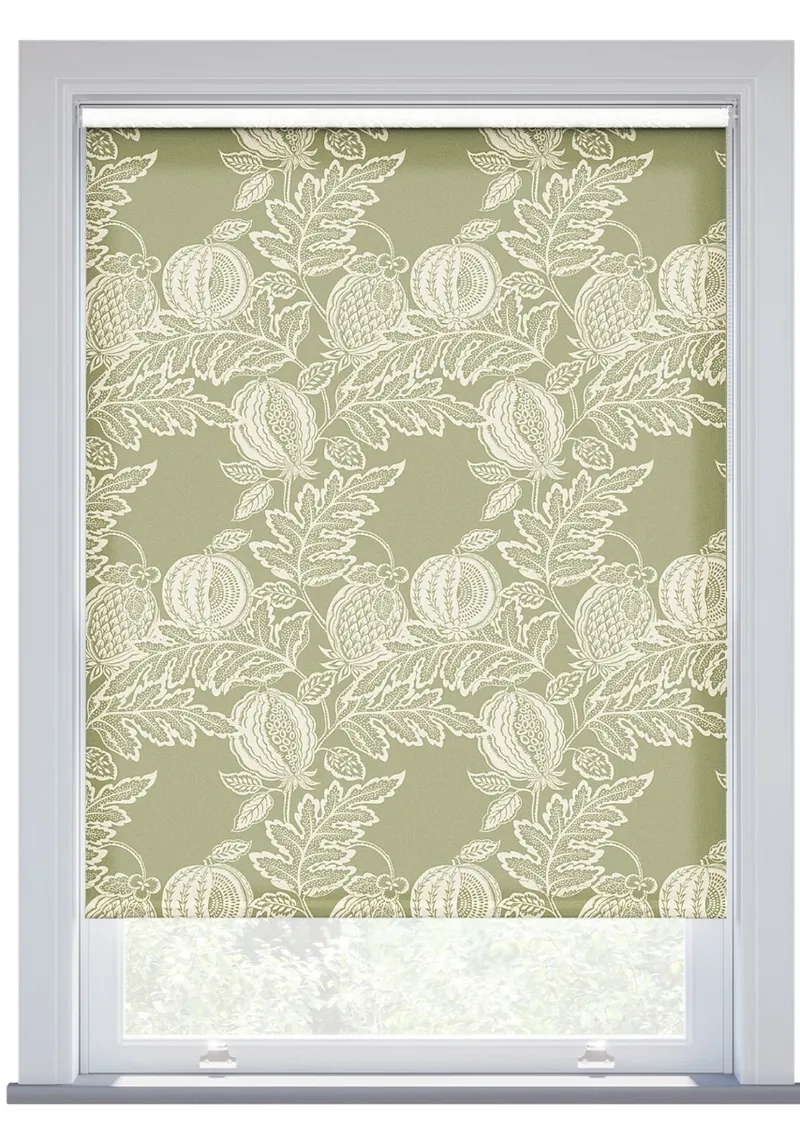
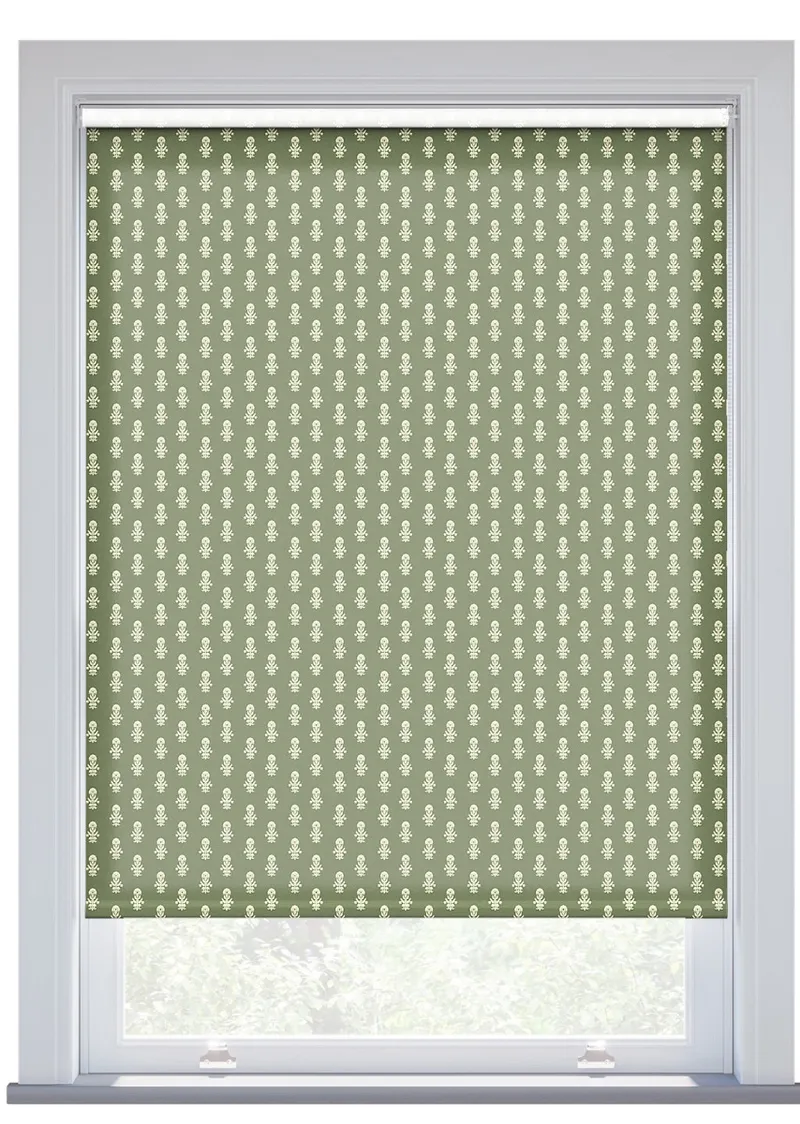
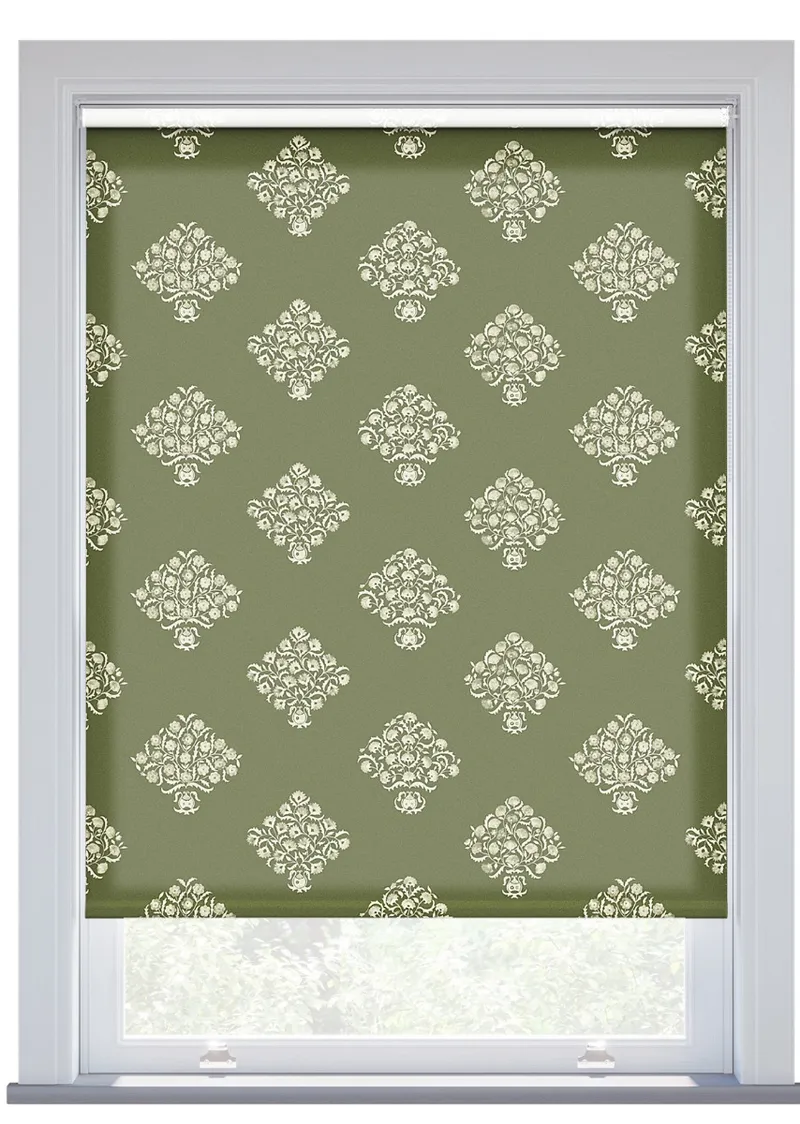
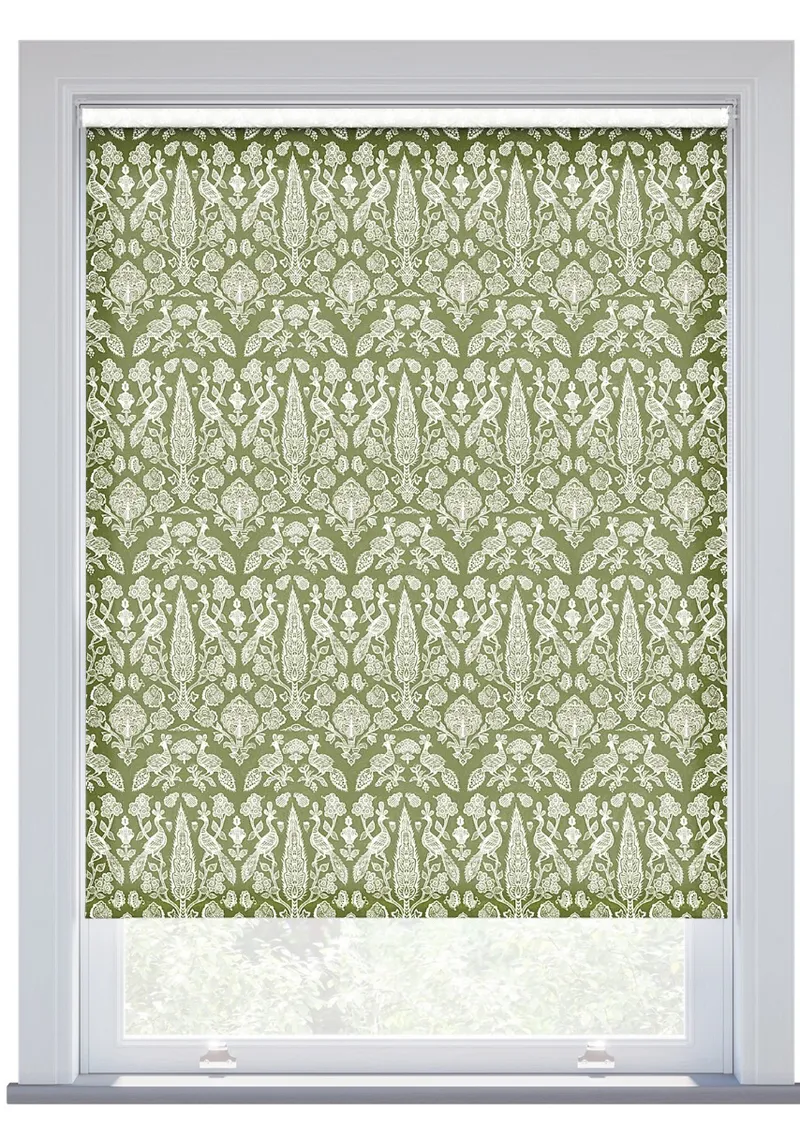
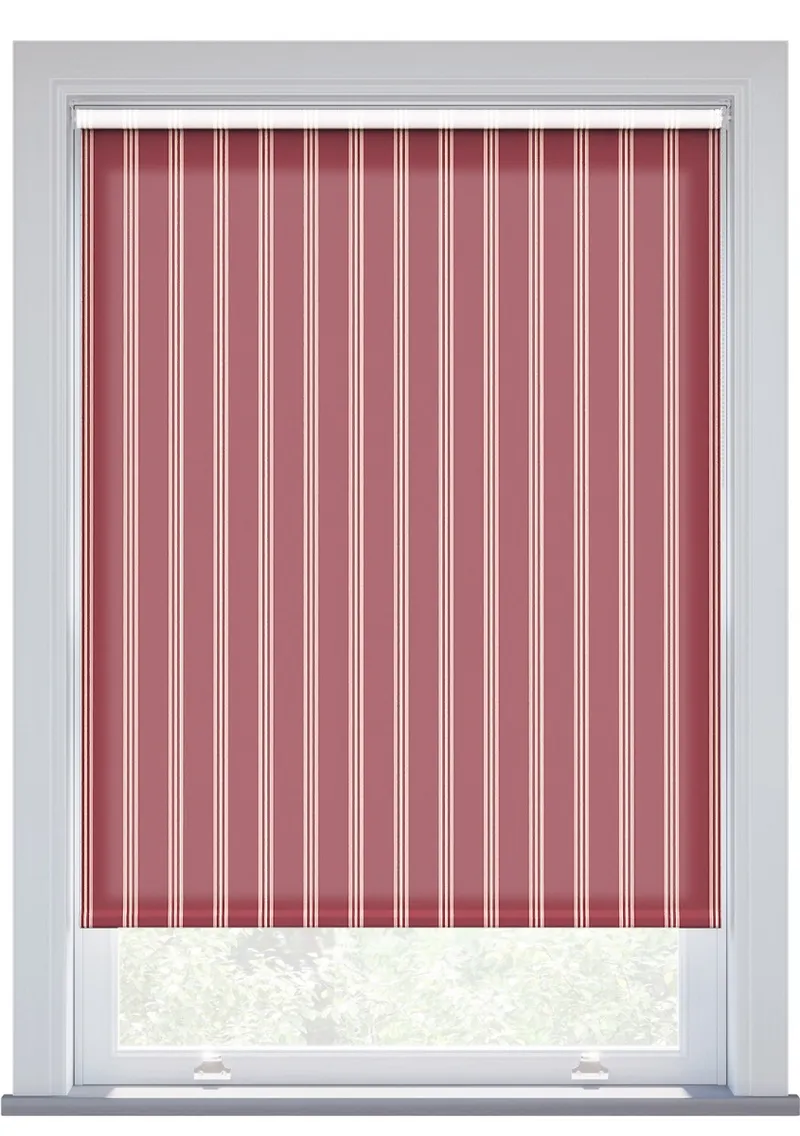

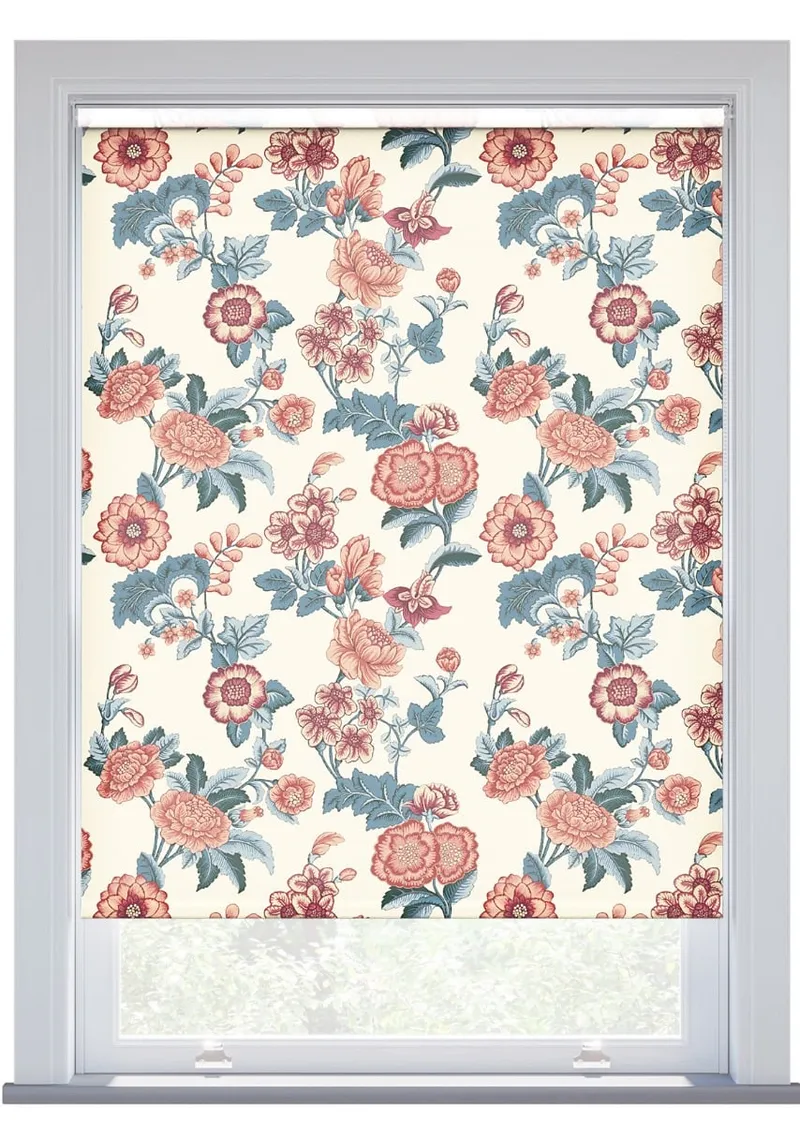

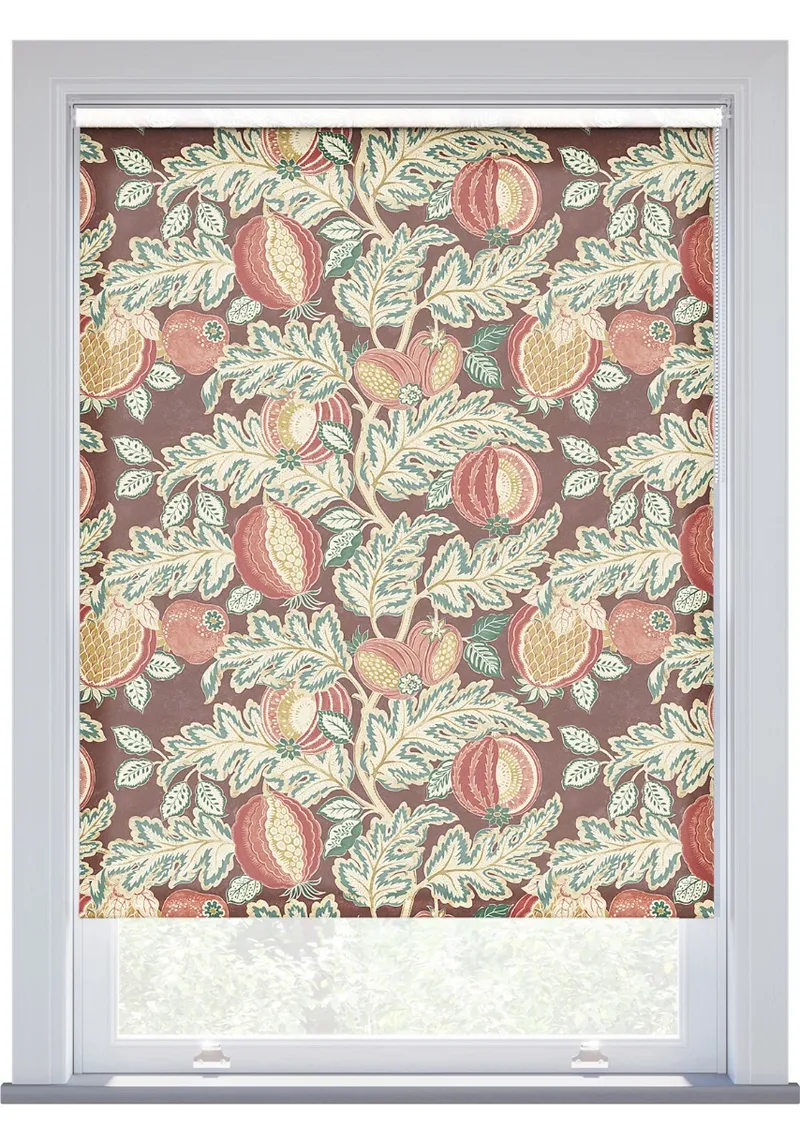
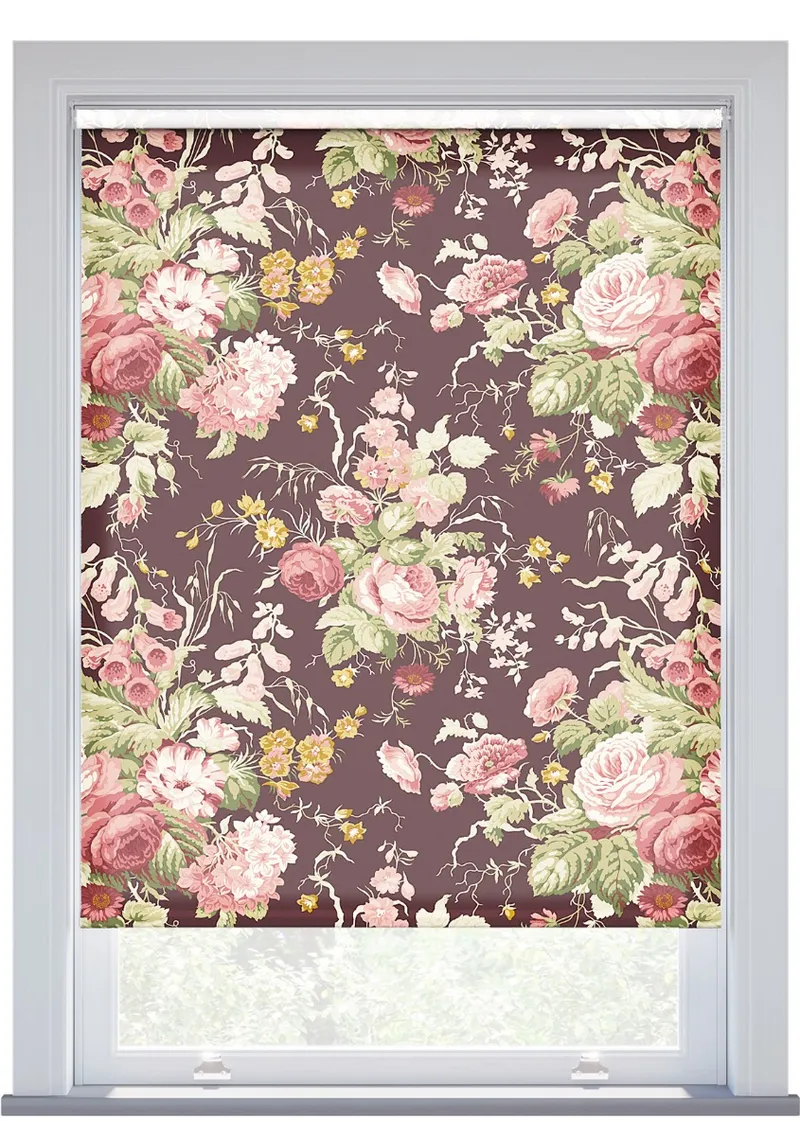

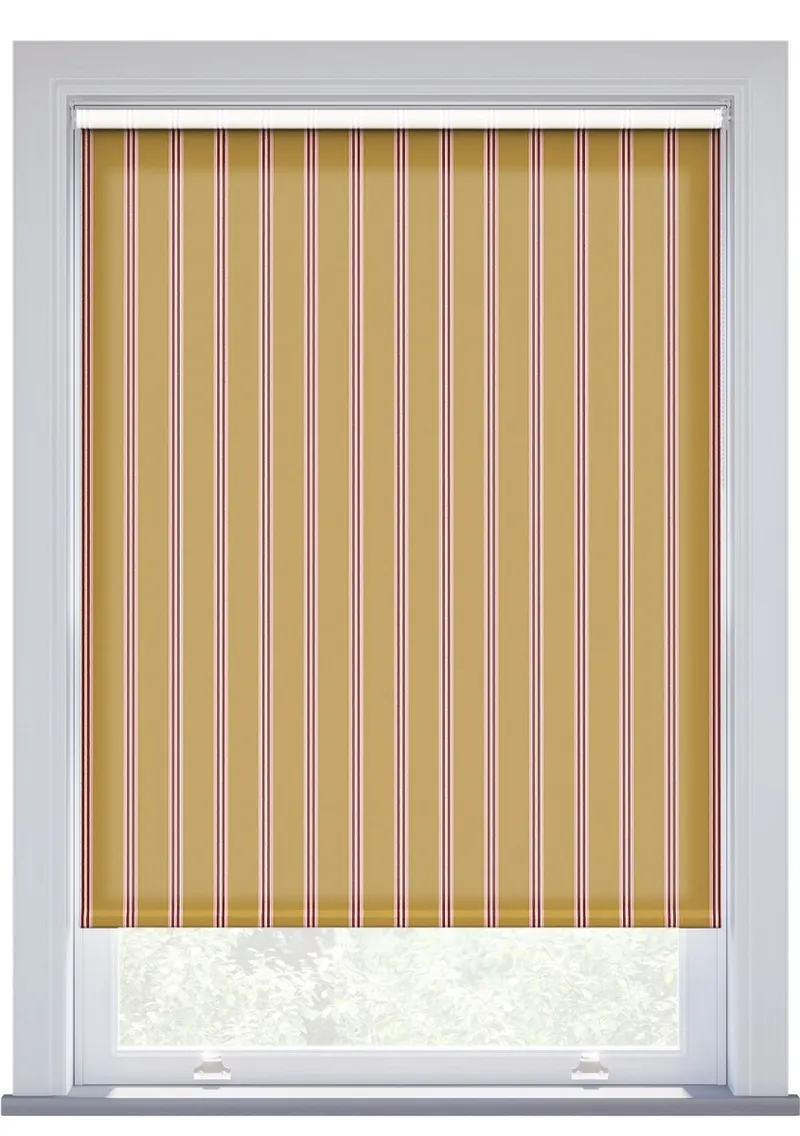
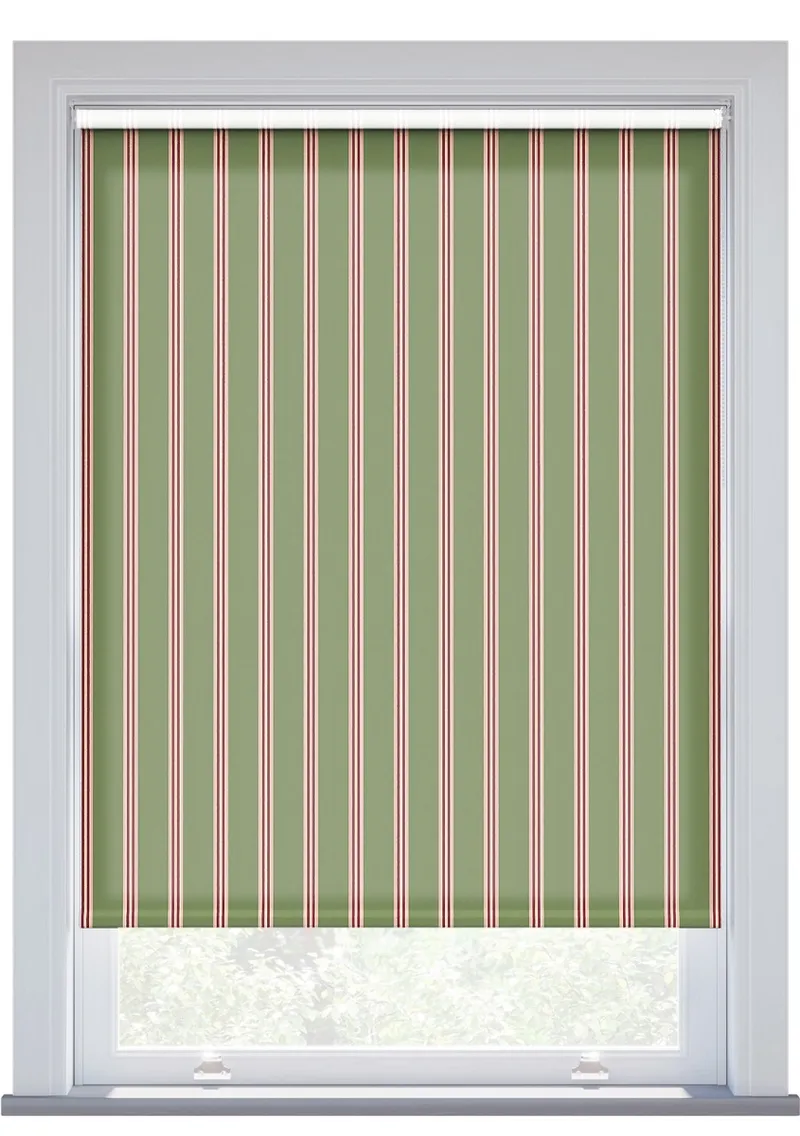
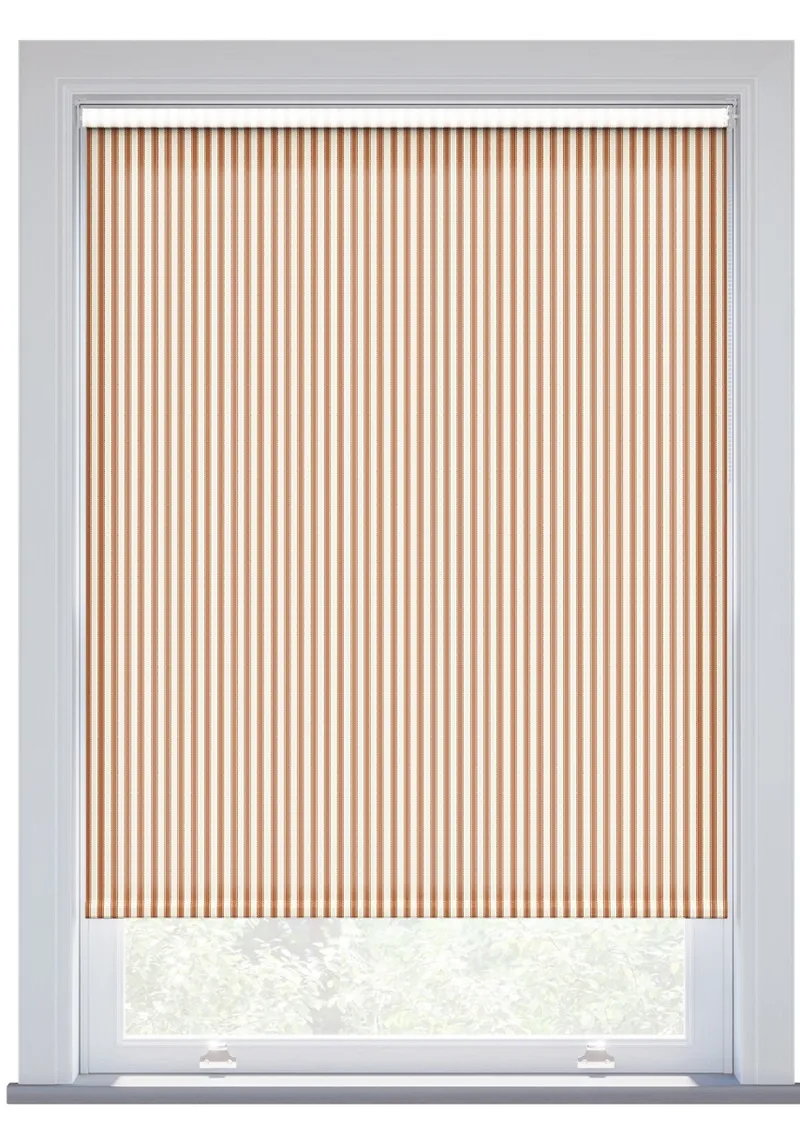
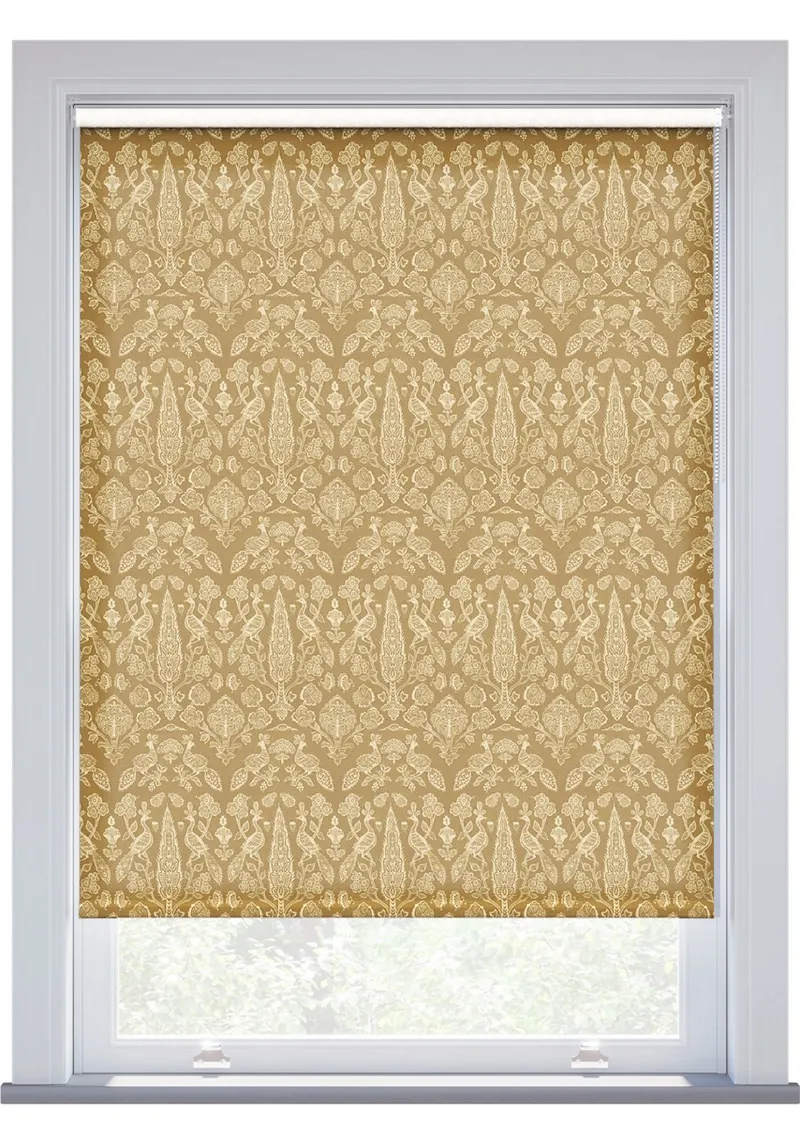
The collection is built from named Sanderson print families: Boxwood, Frisk, Frisk Stripe, Newnham Courtney, Ottoman Flowers, Pamir Garden, Pinetum, Dabu and Cantaloupe. The names alone sketch the territory - Pinetum suggests trees, Pamir Garden and Ottoman Flowers read as florals with a travelled accent, Boxwood leans garden-green, Cantaloupe something riper - while Frisk Stripe is, by its own name, the stripe of the group. Colourway names then pair print with palette: Pinetum Cornflower Blue, Frisk Topaz, Boxwood Honeycomb Nettle, Newnham Courtney Paprika Sage, Pamir Garden Flax Olive. Several carry two colour words, which reads as prints working in more than one shade rather than a single ink on a plain ground.
Treat all of that as a sketch, though, and order samples. A printed repeat that looks dainty in a thumbnail can be bold across a full drop, colour shifts between screen and cloth, and with a designer print the scale of the pattern against your window matters as much as the shade.
Price by your dimensions
Enter your window size. We round up to the next standard size, which matches how the retailer actually quotes you.
Price around its usual level (checked since 4 Jul).
The from-price is the smallest window the range is made for, and the cost rises with width and drop as more printed cloth goes into the blind. The bigger the window, the more of the print you are buying, so run the table above against your own measurements before falling for a colourway.
How it compares
Within any roller line-up, this range is the opposite of the plain workhorse: you choose it for the fabric, not despite it. Against a William Morris roller - the usual route to a heritage print on a blind - it offers a different English archive and a different mood, which is precisely its appeal if Morris has become the default on your street. And if you love these prints but want softness, the same taste is arguably better served by a roman blind's folds; a roller shows a print flat and architectural.
It is a Shade & Story exclusive among the retailers we track. The trade-off is the usual one with exclusives: there is no cross-shop price comparison to run, because no other retailer we follow cuts the same range, so the table above is your only benchmark. The upside is a range the identikit catalogues do not carry - a designer-print roller from a named English fabric house is genuinely scarce in the made-to-measure mainstream.
A note on care
Printed roller fabric wants a light touch. Dust with the blind fully lowered, using a soft cloth or a vacuum on low suction, working down the panel rather than across it. Lift marks by blotting with a barely damp cloth - rubbing a printed face risks dulling the colour - and never soak the cloth. If the blind does get damp, let it dry fully unrolled before raising it, and keep an eye on how it rolls: fabric creeping towards one side of the tube is the commonest roller fault and is usually cured by re-rolling evenly.