
Most plain rollers are exactly that - plain, a flat face of cloth with nothing for the eye to catch on. The Dune Linen range at Blinds By Post takes one deliberate step away from flatness: a made-to-measure roller cut from a linen-look fabric, offered in 4 colourways from £16.80. The name does the describing. This is a range chosen for its weave rather than the breadth of its shade card, and it keeps the offer compact - a standard roller as the base, with cassette and motorised versions of the same cloth for anyone who wants the hardware as considered as the fabric.
Who it suits
A linen-look roller earns its place in rooms that want softness without committing to pattern. A flat plain can read slightly stark on a large window; a woven texture breaks the surface up, catches side light differently through the day, and sits comfortably alongside natural materials - timber floors, wool throws, rattan - that a smooth synthetic face can jar against. Living rooms, bedrooms and home offices are the obvious homes for it, anywhere the window is part of the scheme rather than an afterthought.
The two upgrade fittings shape who this range suits as much as the cloth does. The cassette version encloses the rolled fabric in a headbox, giving a squared-off, finished top line that suits minimal rooms and keeps the roll itself out of sight. The motorised version removes the chain altogether, which earns its keep on tall or awkward windows and anywhere a dangling loop would be in the way. One thing to settle before ordering: if a particular level of darkness matters - a bedroom, say - confirm the fabric's opacity on the listing or order a sample first, because texture is this range's story and light control is a separate question.
The colours
4 colours available

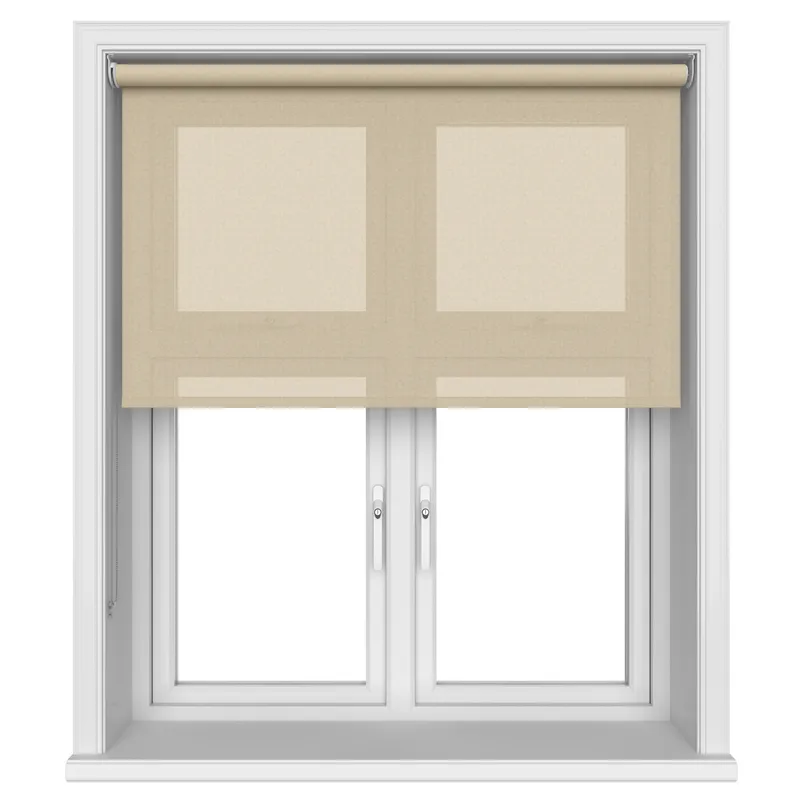
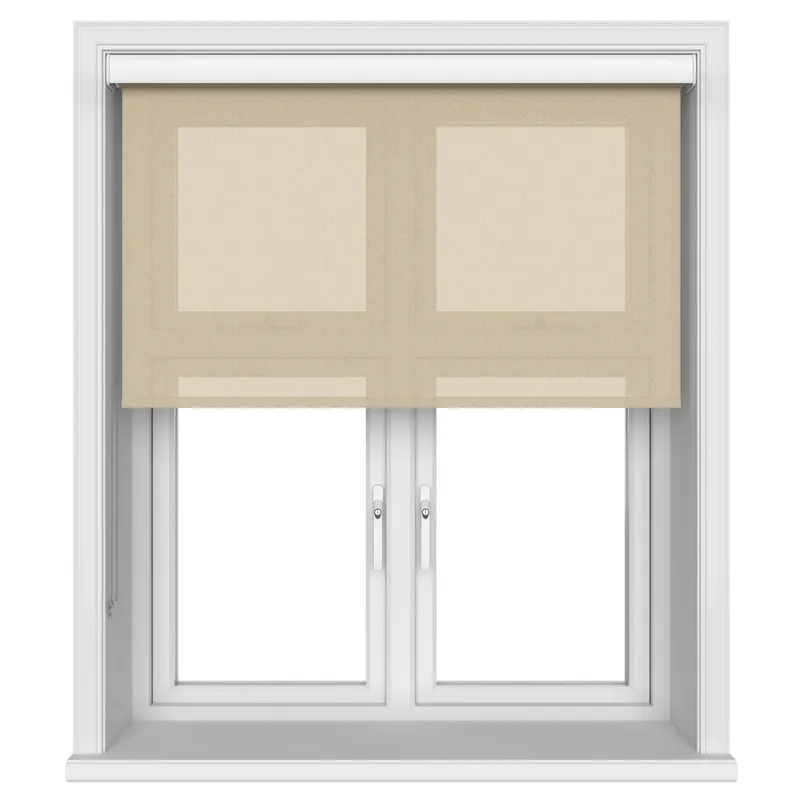
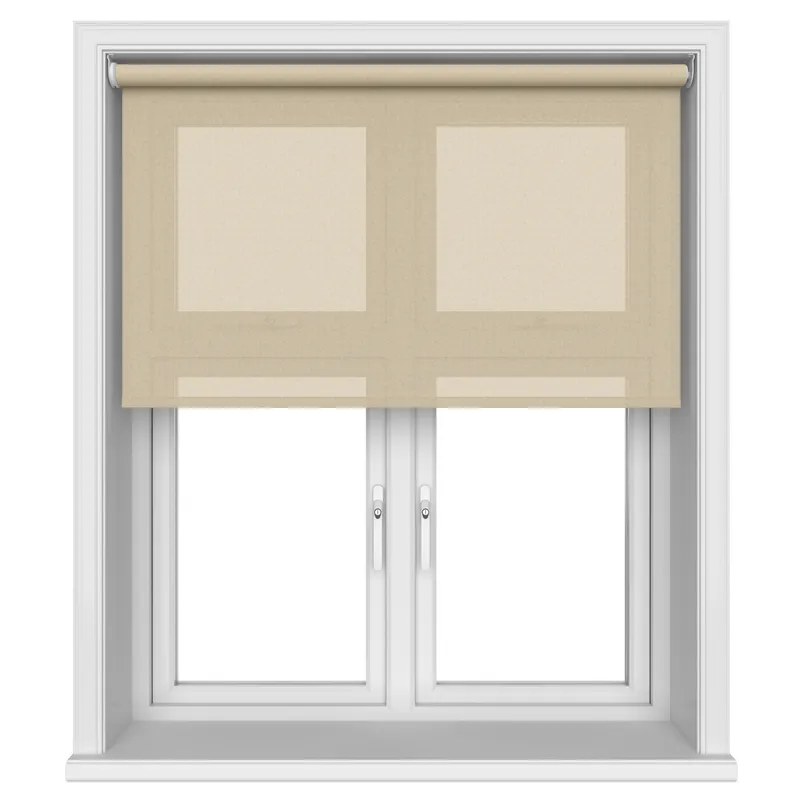
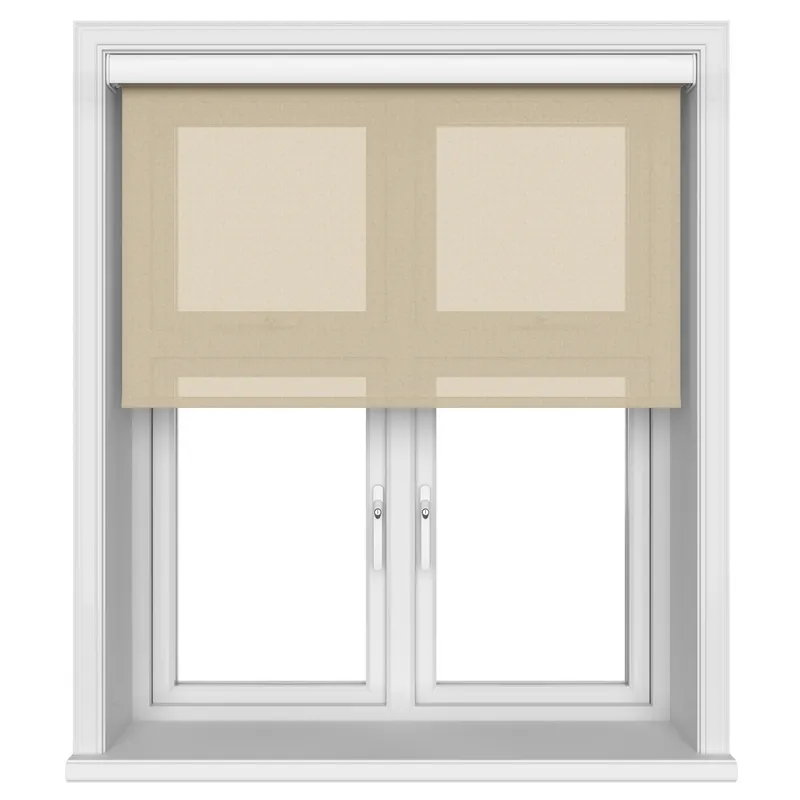
The card is compact, and the grid above shows it as the shop currently cuts it. With a fabric like this the swatch tells you less than usual, because the weave is doing half the work: each colourway carries the thread lines and small tonal flecks of a linen-style cloth, so a shade reads differently at a distance than it does up close, and differently again as the light moves across it through the day. That shifting quality is the appeal, and it is also the reason to order samples rather than judging from a screen - texture is precisely the thing a photograph flattens.
Price by your dimensions
Enter your window size. We round up to the next standard size, which matches how the retailer actually quotes you.
Price around its usual level (checked since 12 Jun).
The standard roller opens the range at £16.80, and the price then follows your measurements - width and drop together decide the figure, so two windows in the same room can land on different lines of the grid. The cassette and motorised versions sit above the base cloth, as extra hardware always does. Measure the recess carefully, decide whether the blind lives inside it or over it, and price the fitting you will actually order rather than the headline entry point.
How it compares
On Blinds By Post's own shelves, Dune Linen is the texture option among the plains: pick it over a smooth roller when the room needs the window softened, and pick a flat plain when you want the blind to disappear. Against a roman blind in a similar linen-style cloth, the roller is the tidier, more contemporary answer - no folds to stack, less fabric on show, and rollers generally undercut romans at the same size.
The name also travels. Dune Linen appears at four other UK retailers we track - Blinds Direct, Roller Blinds Direct, Vertical Blinds Direct and Wilsons Blinds - which makes this a five-shop fabric, and prices for the same window differ between shops, sometimes by more than you would expect. Which shop comes out ahead shifts with your measurements too, so a verdict from one window does not carry to the next. Our Dune Linen comparison puts all five side by side at your dimensions; it is worth the minute before checkout.
A note on care
A textured weave holds a little more dust than a smooth face, so run a soft brush or a vacuum on low suction over the cloth now and then, working top to bottom. Treat marks promptly with a barely damp cloth and a gentle touch - rubbing hard presses a stain into the weave rather than out of it - and let the fabric dry fully extended before rolling it back up. Avoid soaking and harsh cleaners altogether. On the cassette version, a wipe along the headbox keeps the slot clear, and on the motorised version the same rule applies at the mechanism end: dust is the only routine enemy.
Likely the same fabric, at other retailers
Dapple Spc roller blinds are sold under the same name by more than one UK retailer, and the price scales identically across window sizes - a strong sign it is the same fabric from the same supplier:
- Roller Blinds Direct from £11.21
- Wilsons Blinds from £11.21
- Blinds Direct from £14.52
- Blinds By Post this page from £16.80
We match these on the shared name and an identical price curve, not an independent inspection, so treat it as likely the same fabric rather than confirmed - and check the specification and colour at each retailer before buying.