
Deco is Swift Direct Blinds' answer to a specific longing: the warmth of wood at the window without the slats, the dusting or the cost of the real thing. It is a printed roller - the grain in names like Sand Oak, Grained Desert Oak and Pewter Oak is printed on flat cloth, not cut from timber, and the naming never pretends otherwise - sold in 30 colourways from £10.00. Alongside the oaks sit grained neutrals and a handful of clean plains, and the whole card is a Swift Direct Blinds exclusive among the retailers we track.
Who it suits
Wood tones at the window usually mean a venetian, and a venetian brings baggage: slats that want dusting one by one, and - in real timber - a wariness of steamy rooms. A flat roller carrying the same tones sidesteps both, which makes Deco a sensible pick for kitchens and bathrooms where warmth is wanted but humidity rules the materials, and for any scheme built around timber floors or worktops that the window should echo rather than match plank for plank. It also suits the practical-minded: one flat panel, one chain, nothing to take apart on cleaning day.
Be clear-eyed about what a print is, though. Across a room, a grained roller reads warm and convincingly woody; up close it is an image of grain on cloth, without a venetian's relief or its tilting slats. If you need to angle light through the day rather than simply raise and lower a panel, this is the wrong tool - and if the room must go properly dark, check the listing for the opacity of your chosen shade before assigning it to a bedroom.
The colours
30 colours available

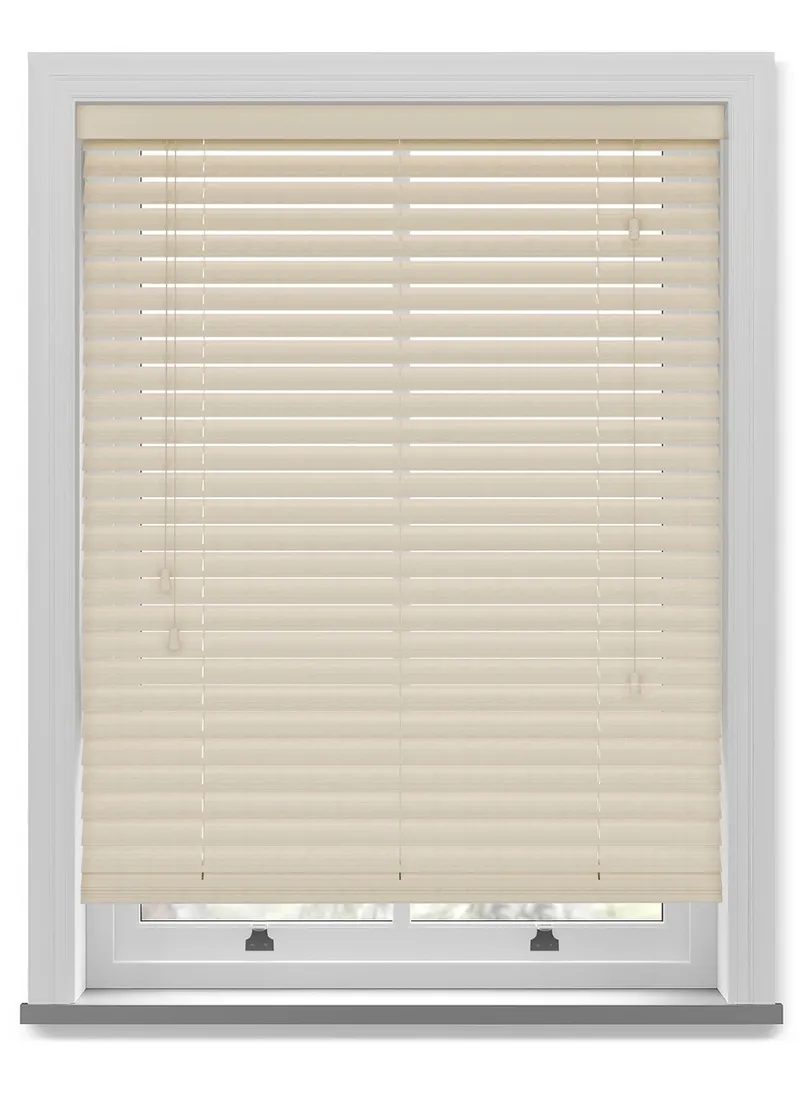

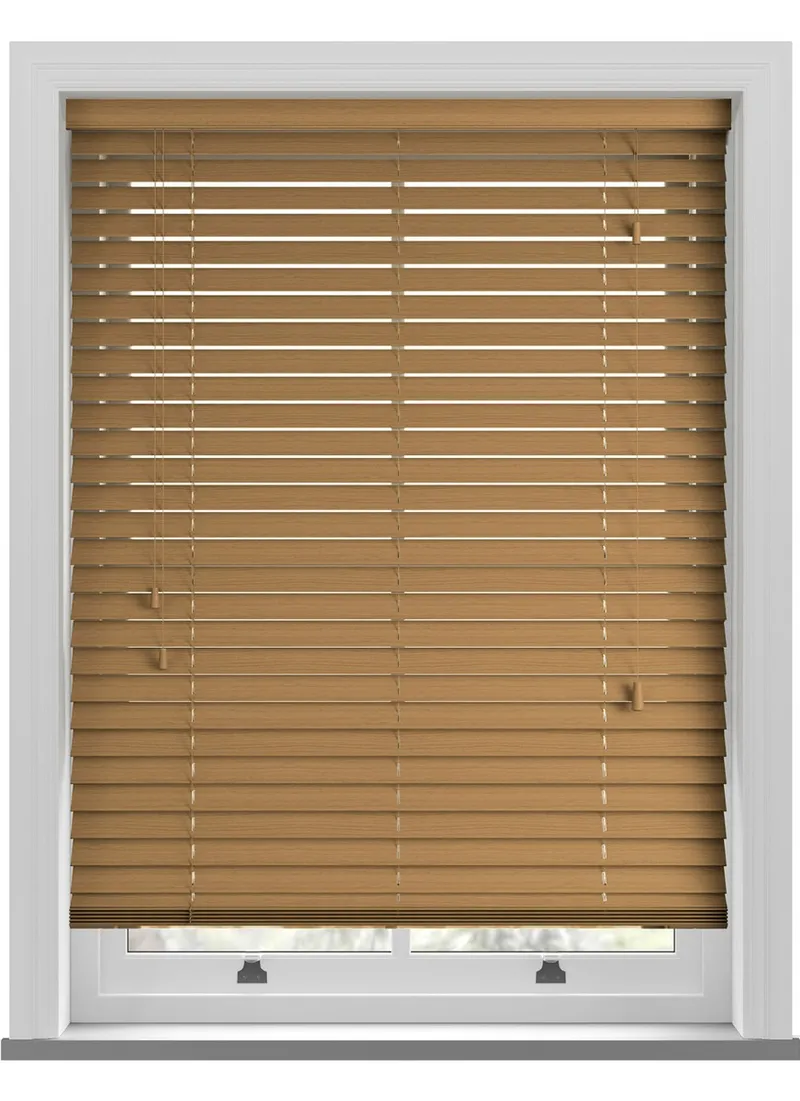
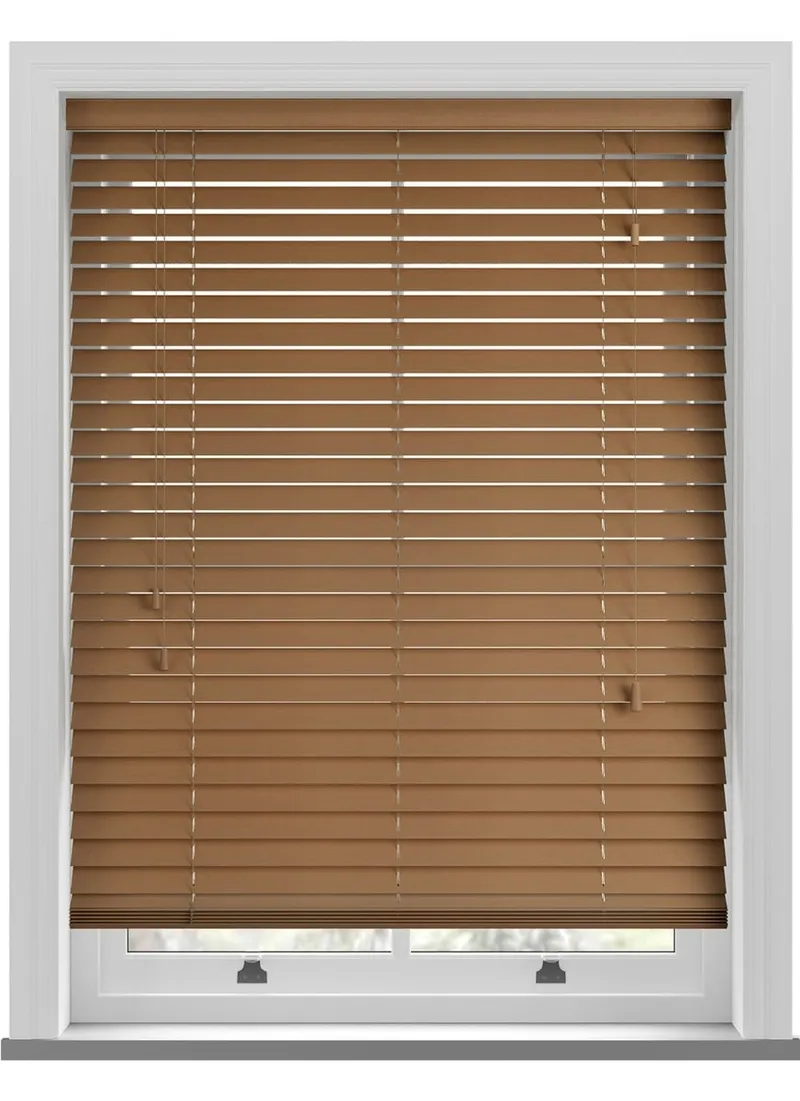
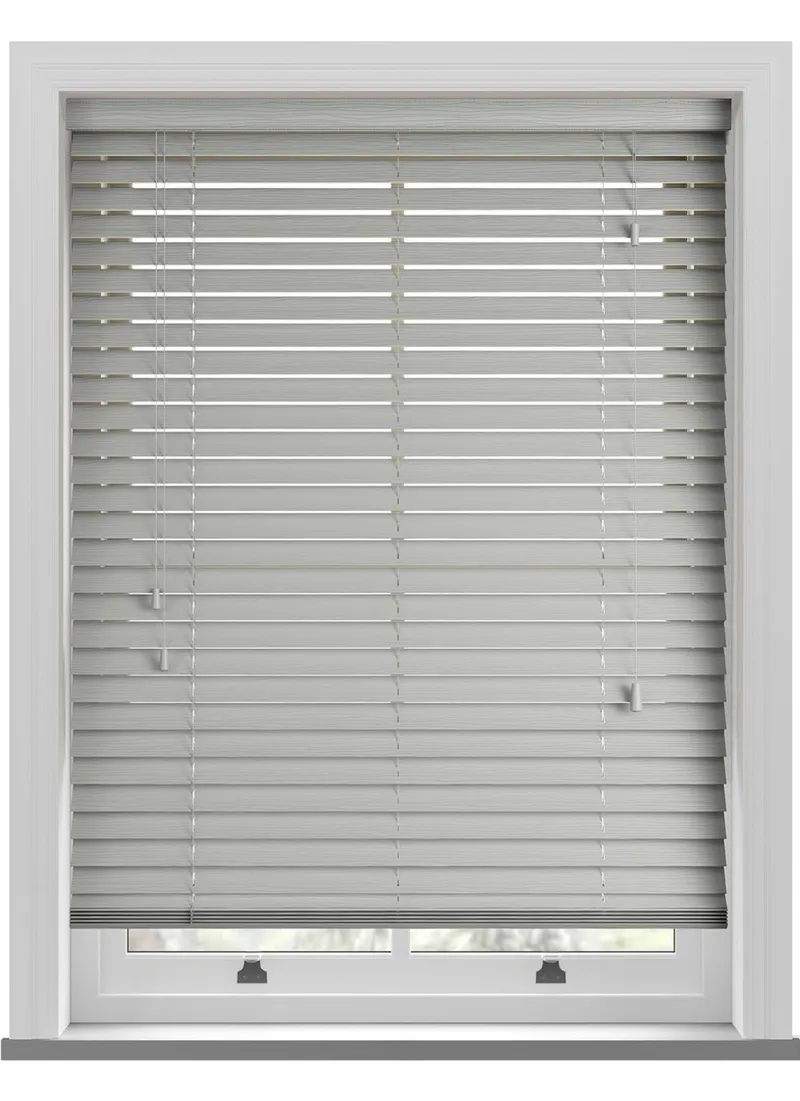
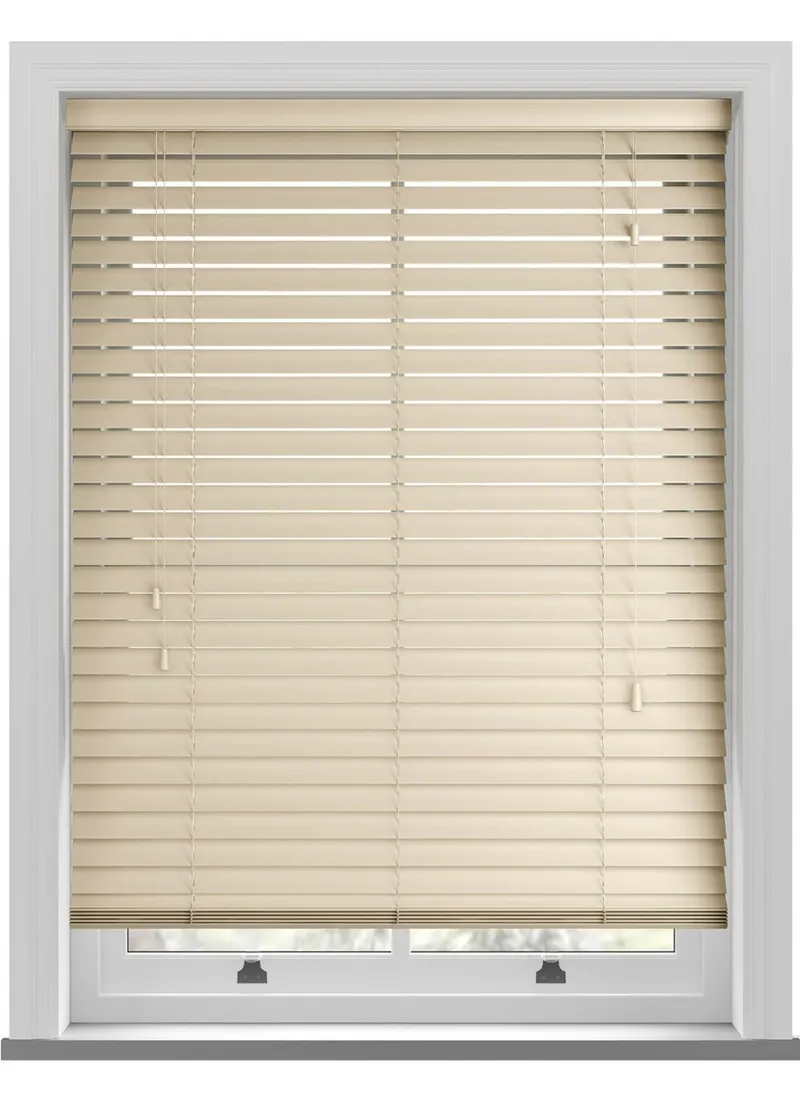
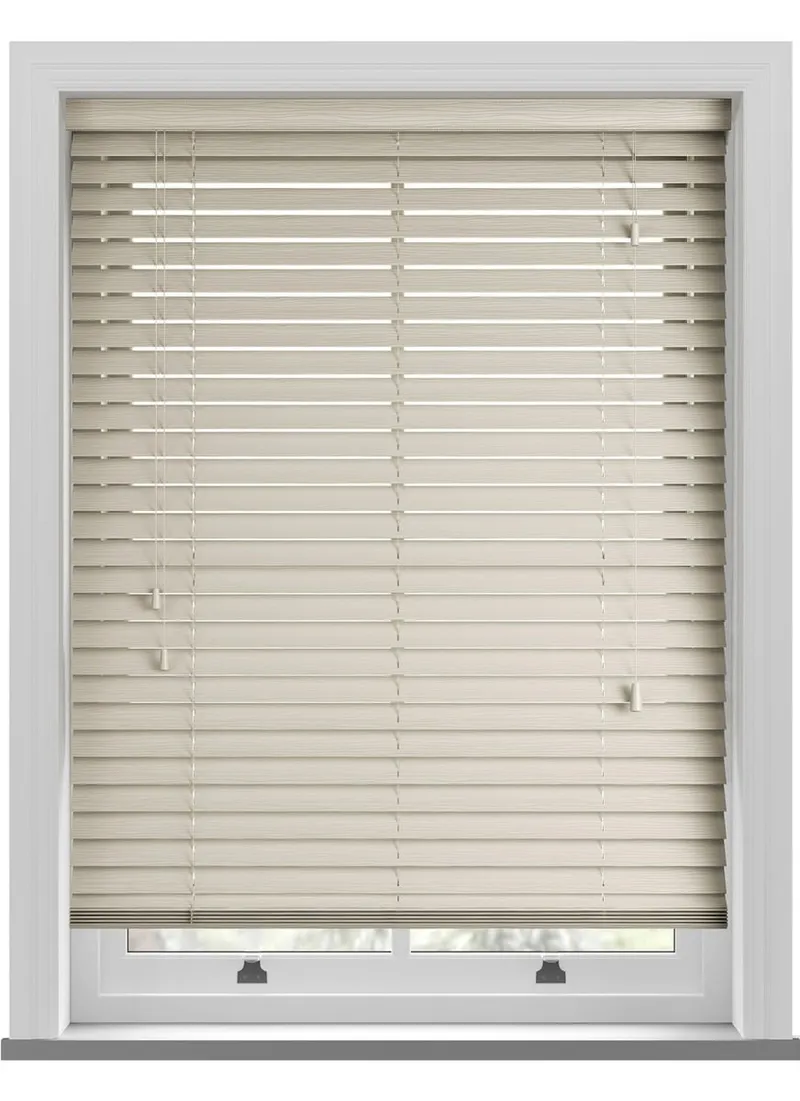
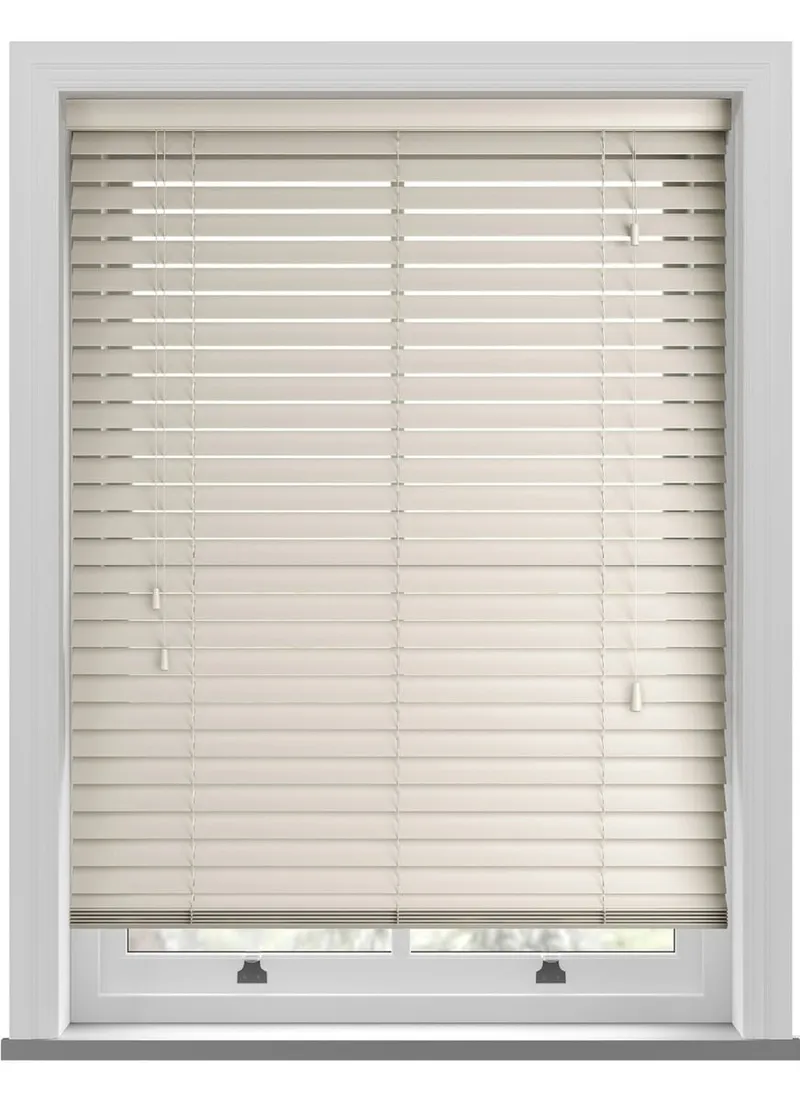

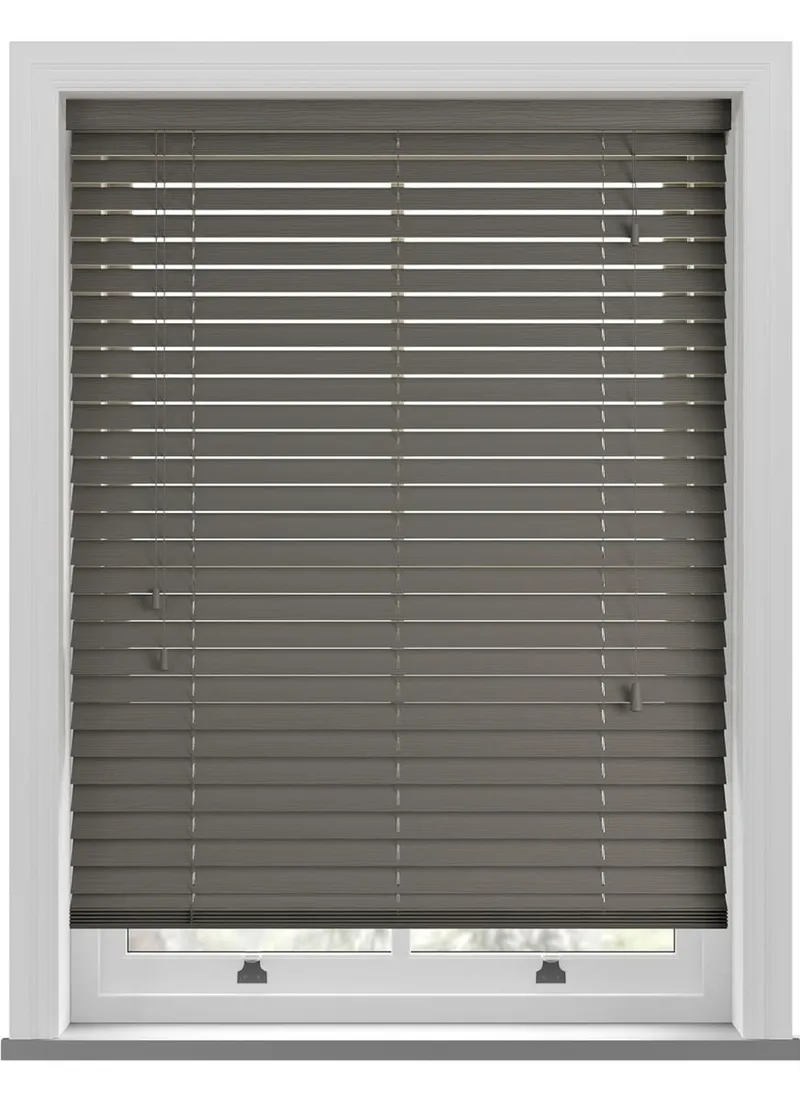
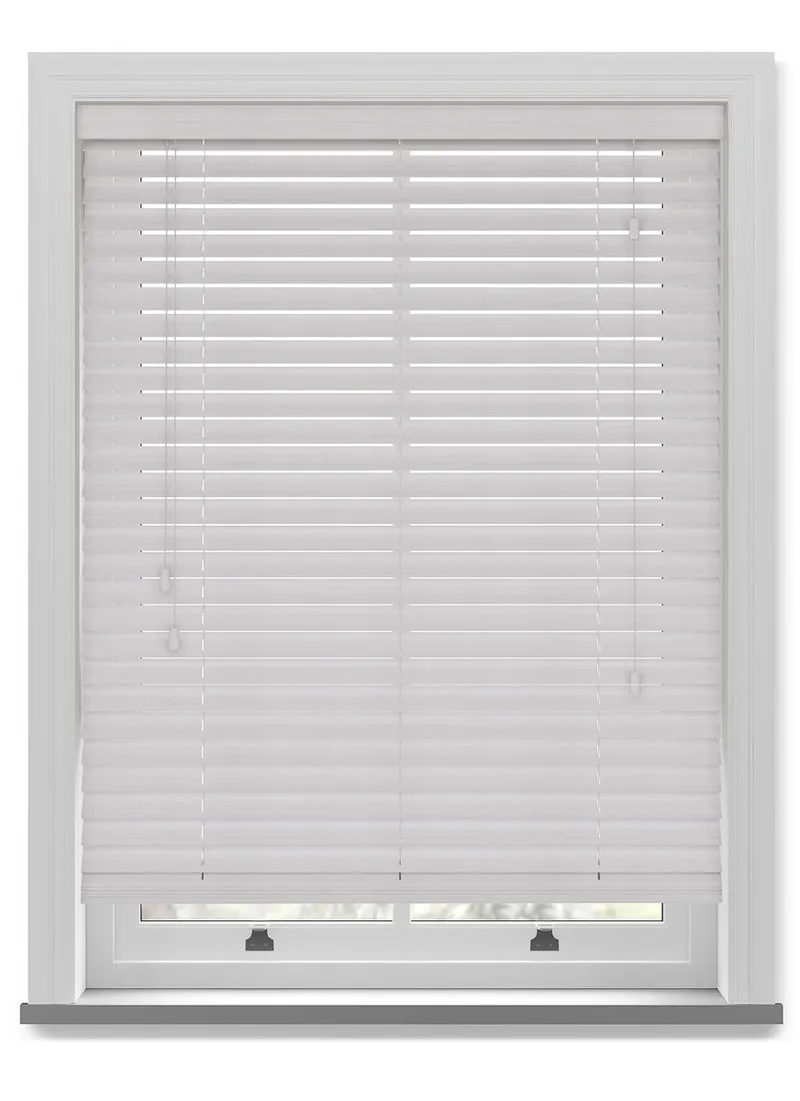
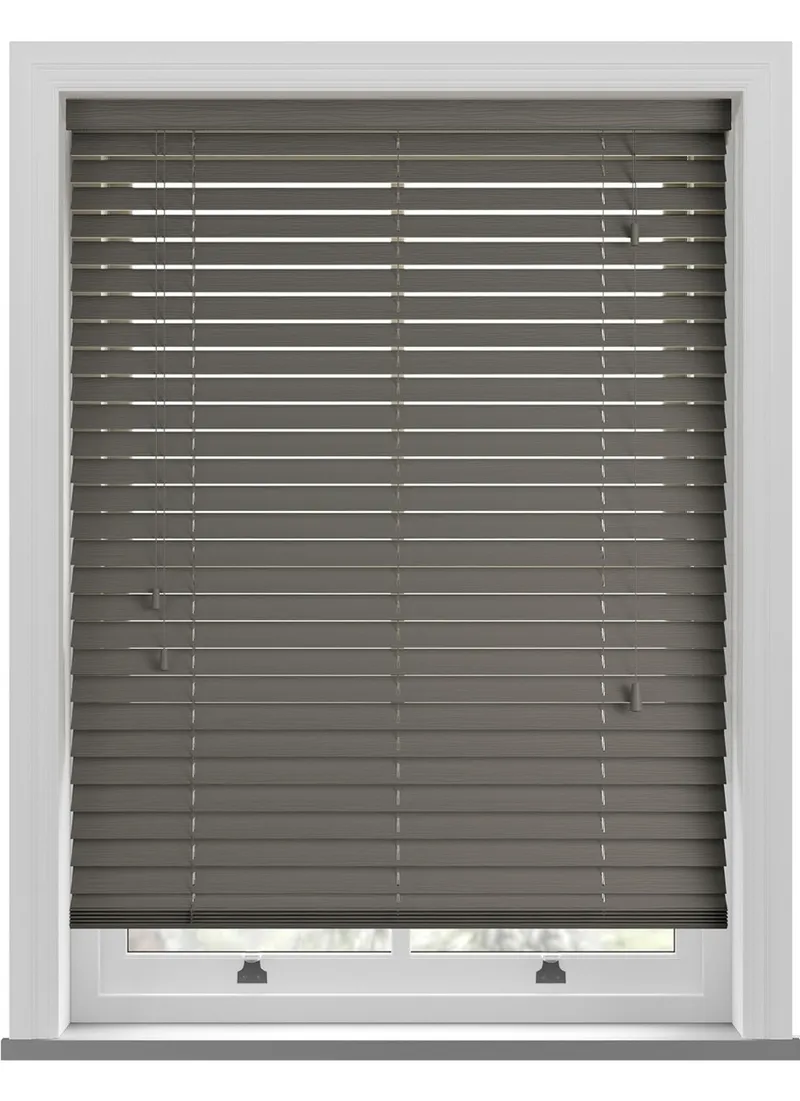

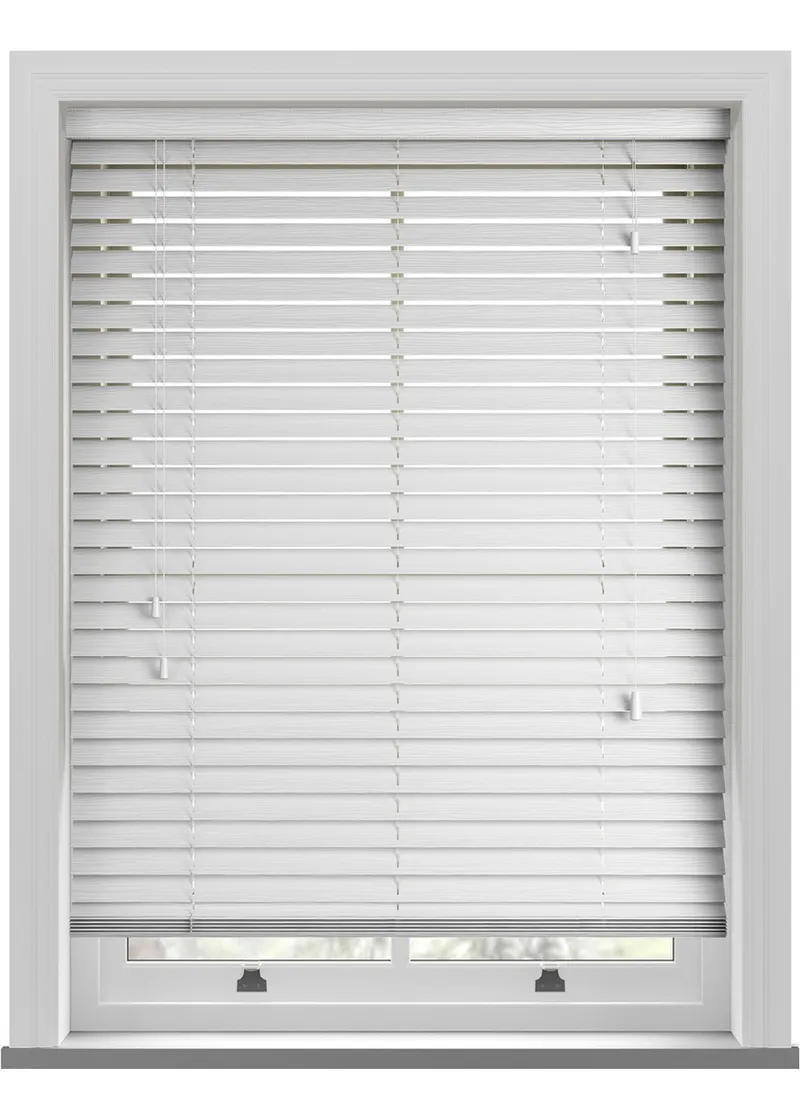
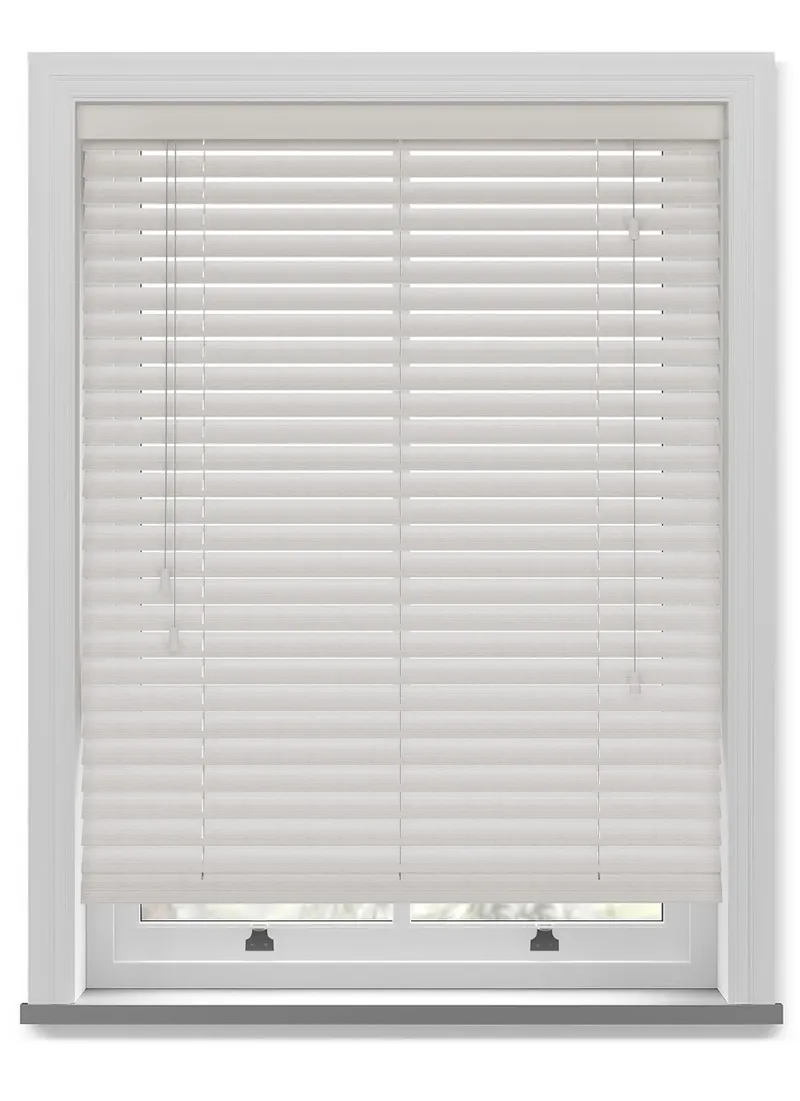
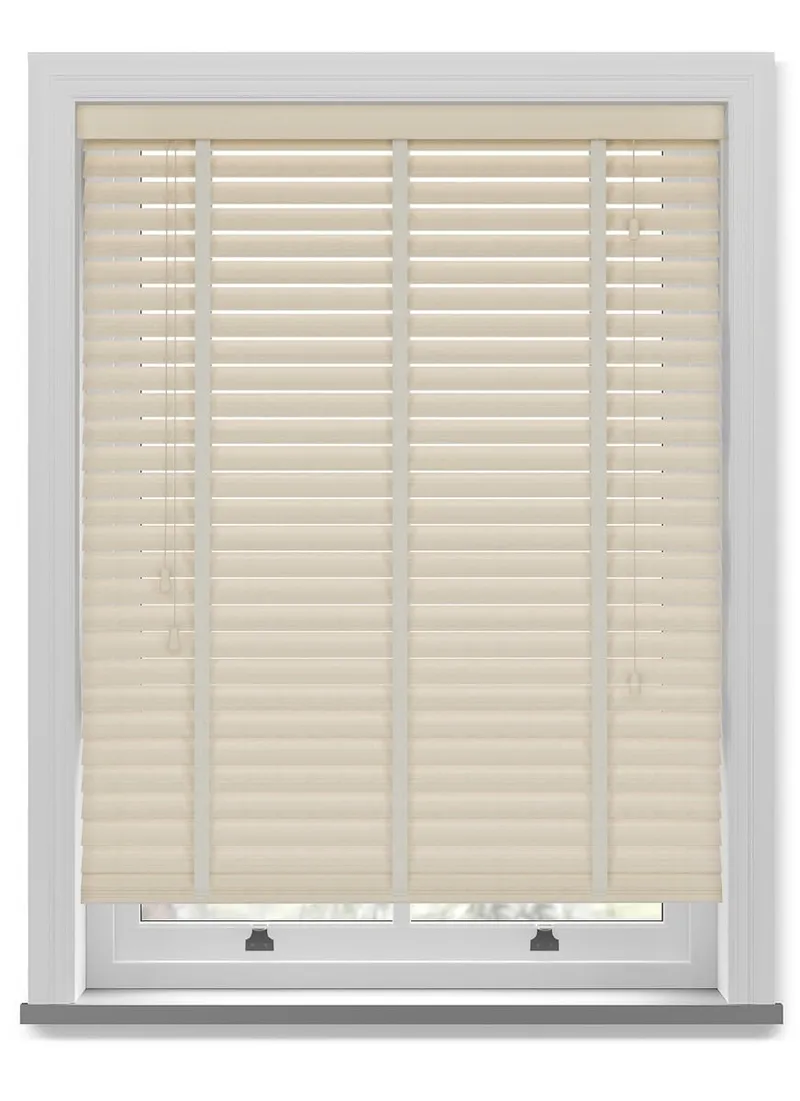
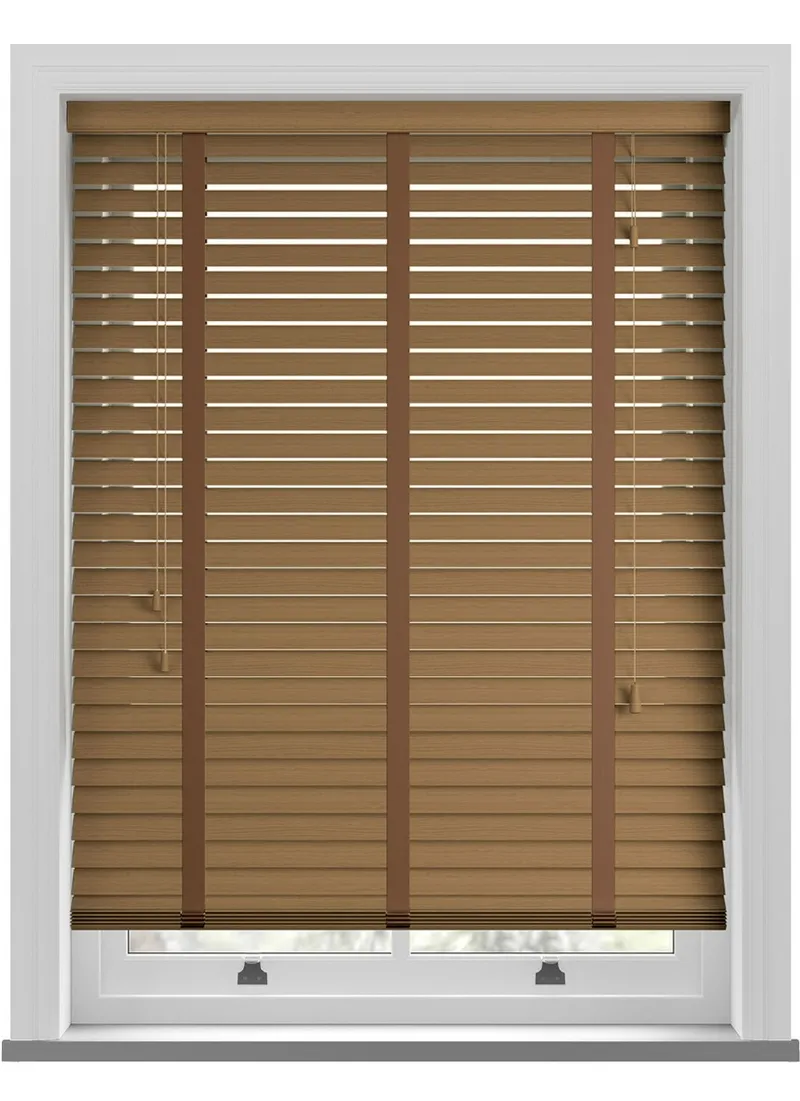
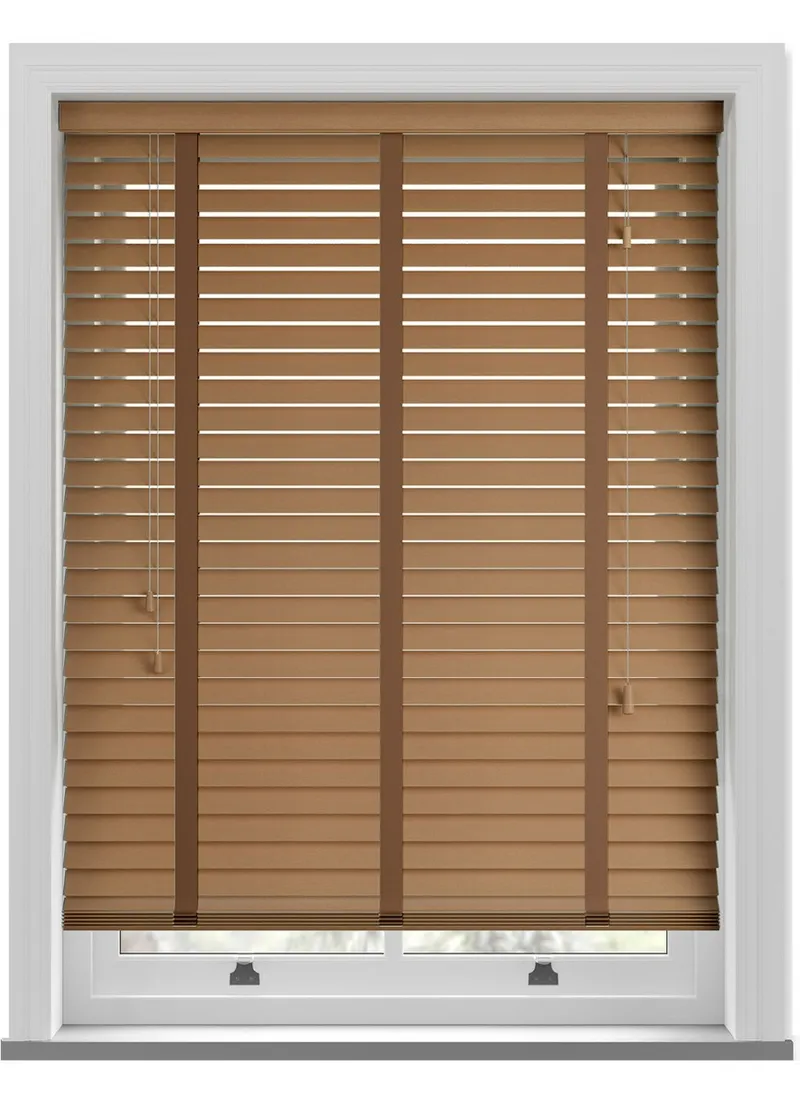
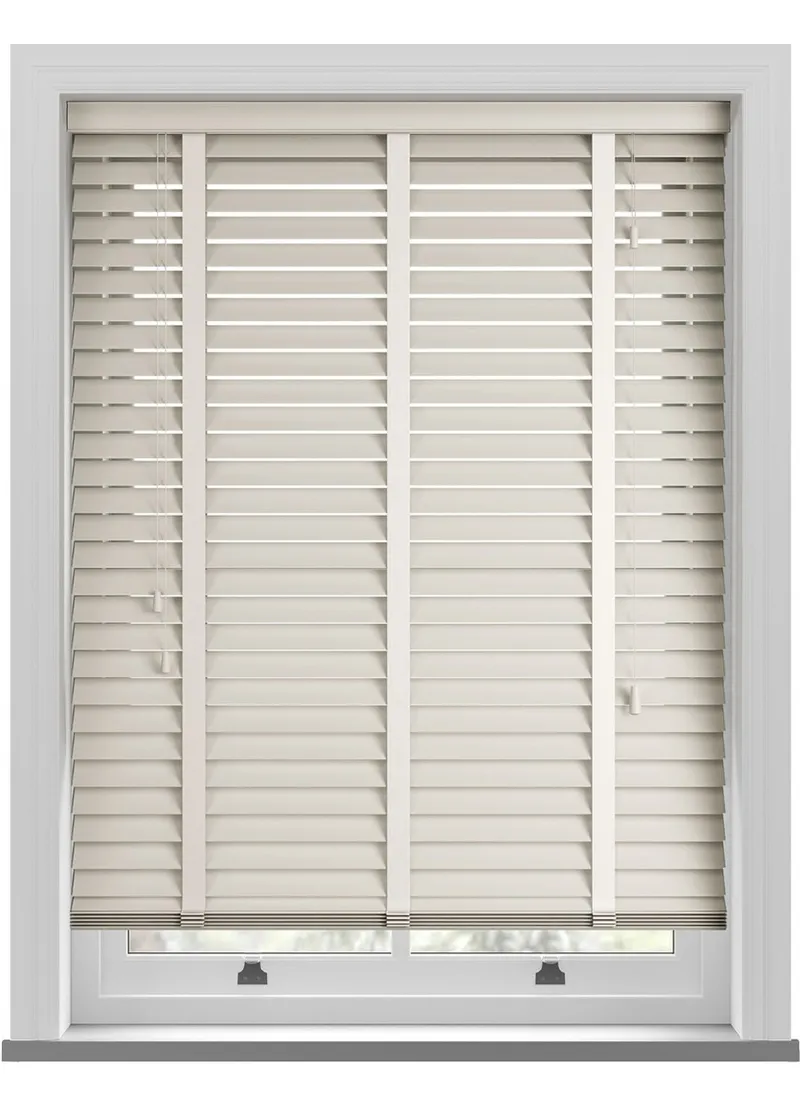
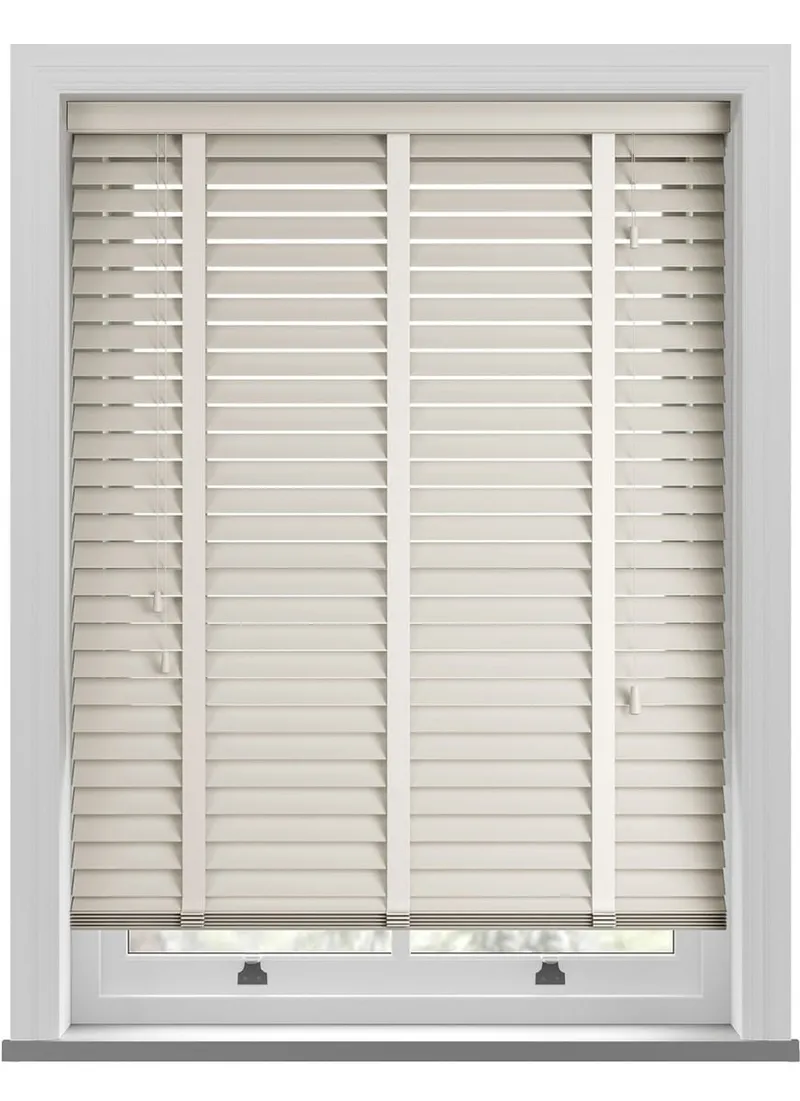
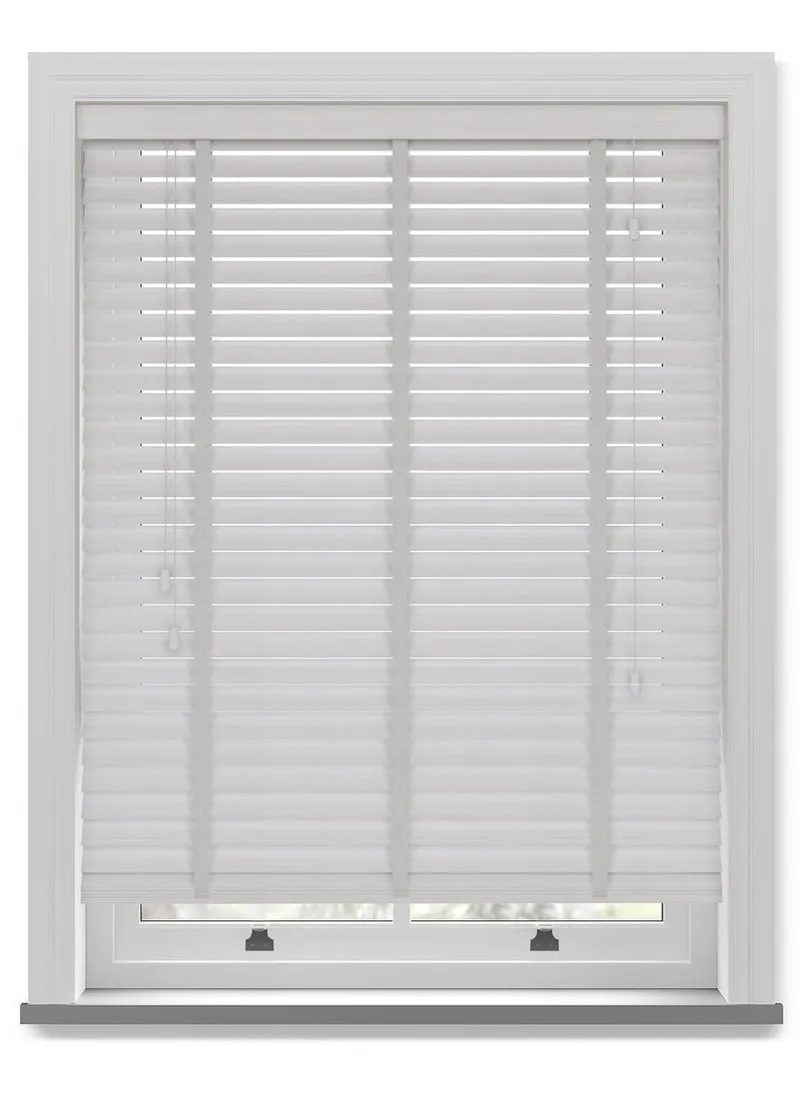
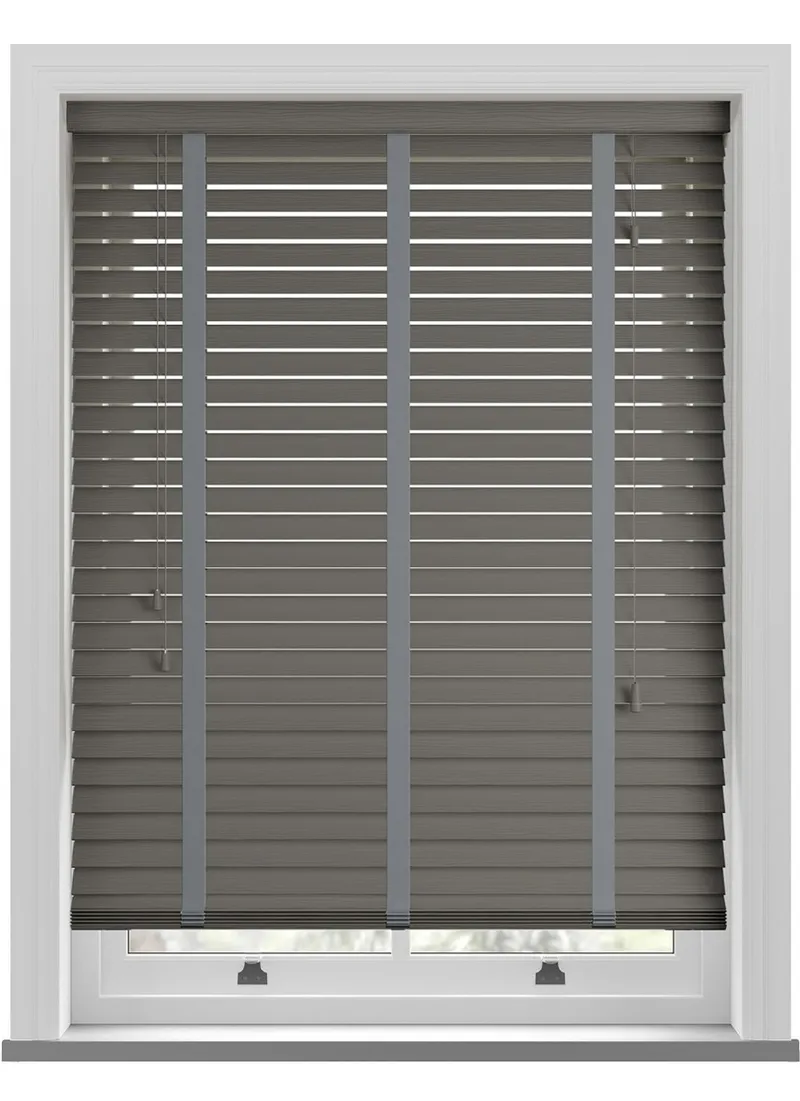
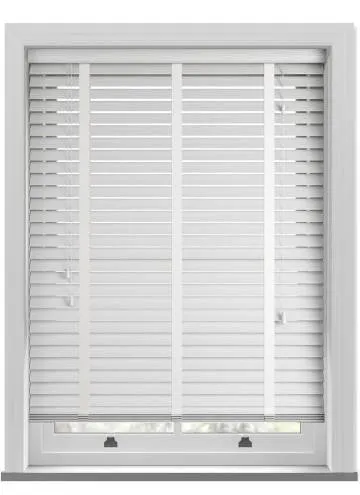
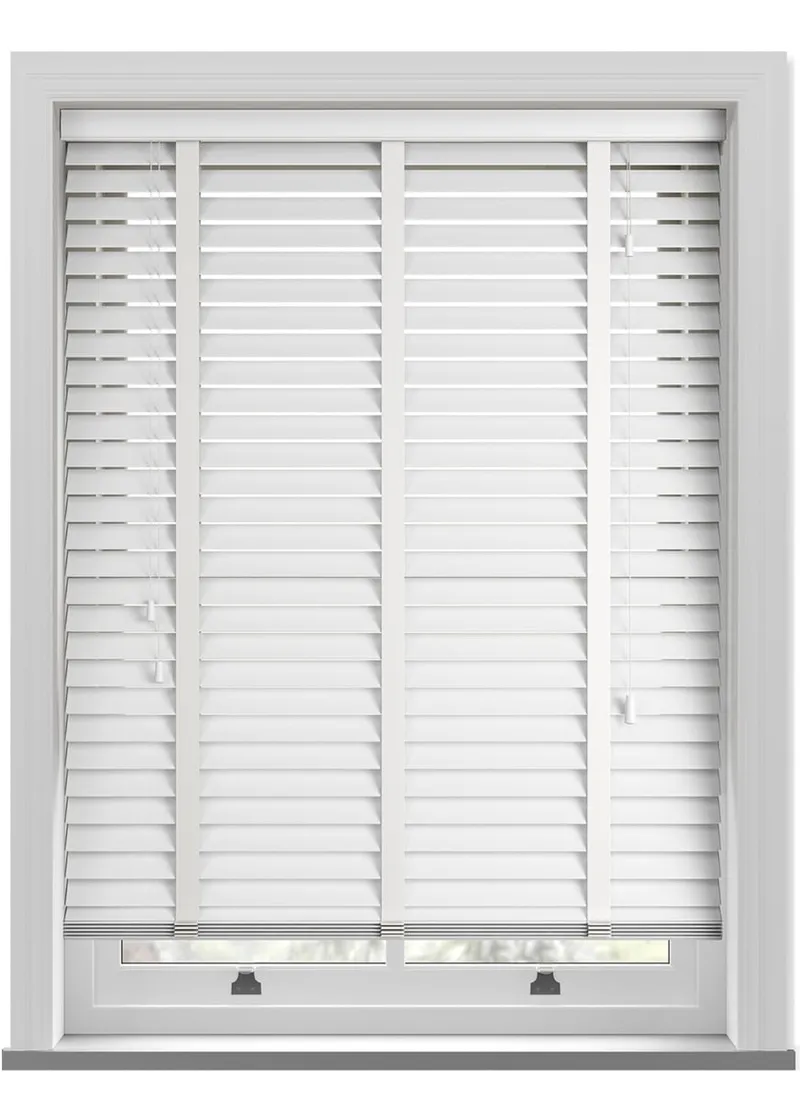
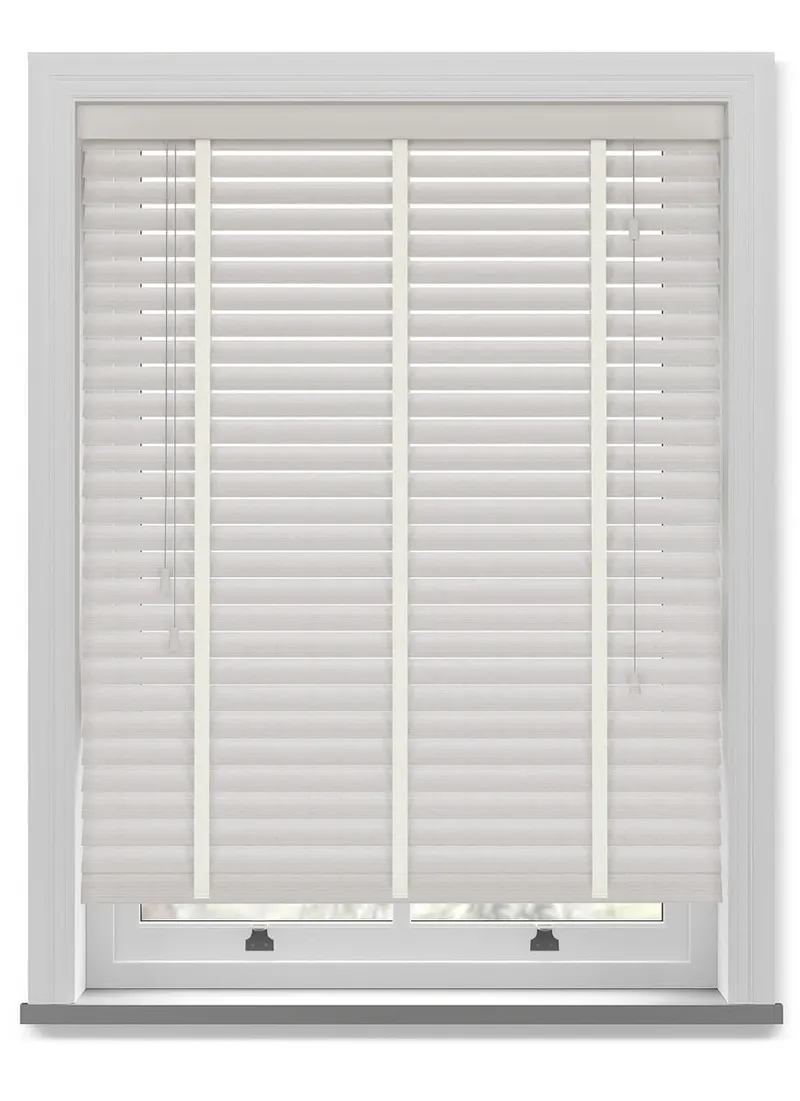
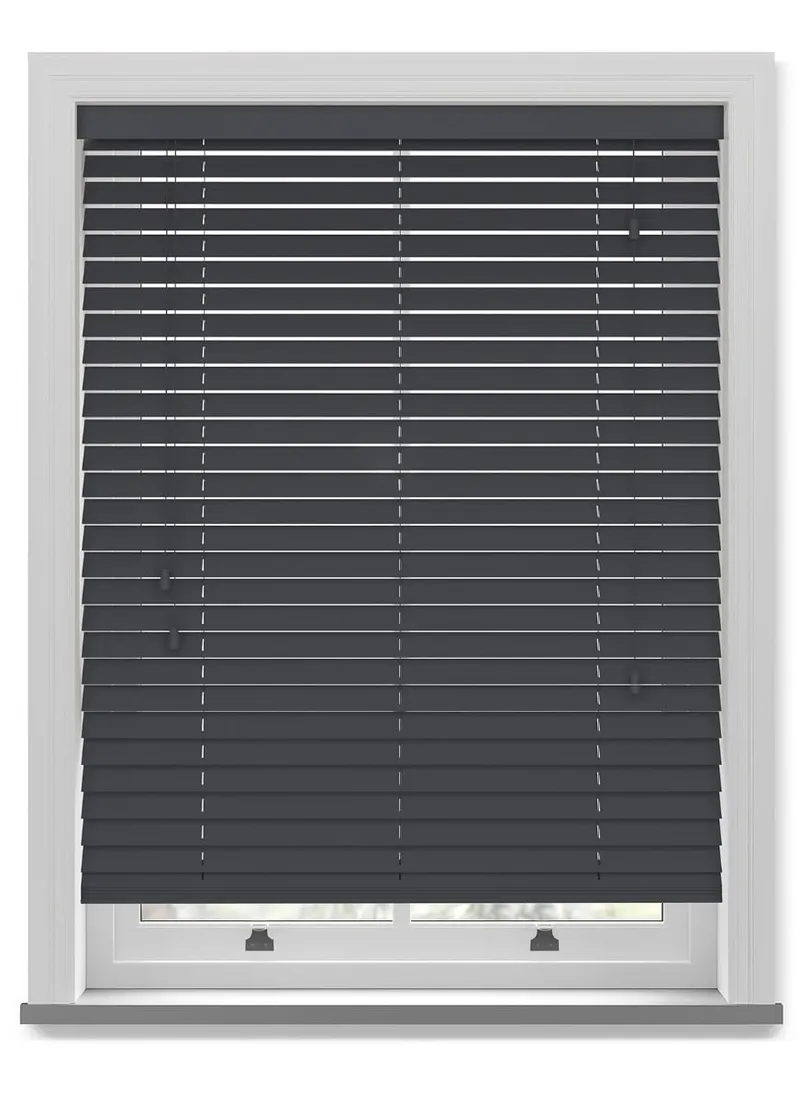

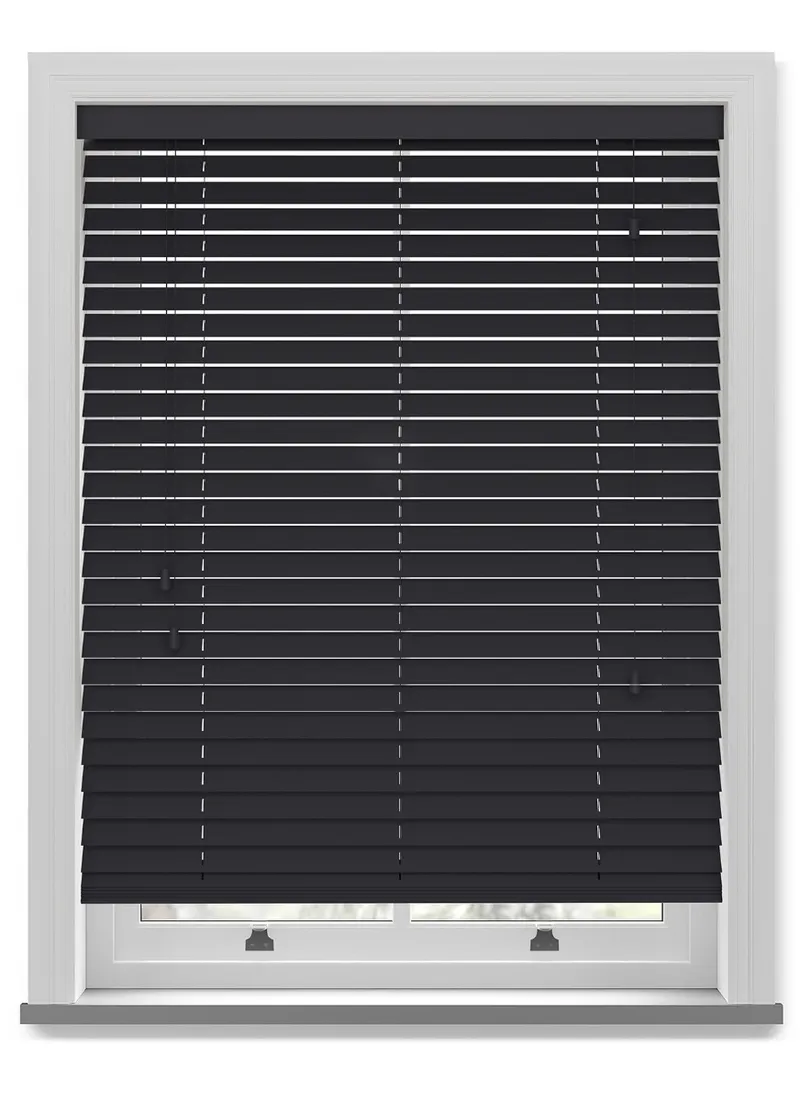
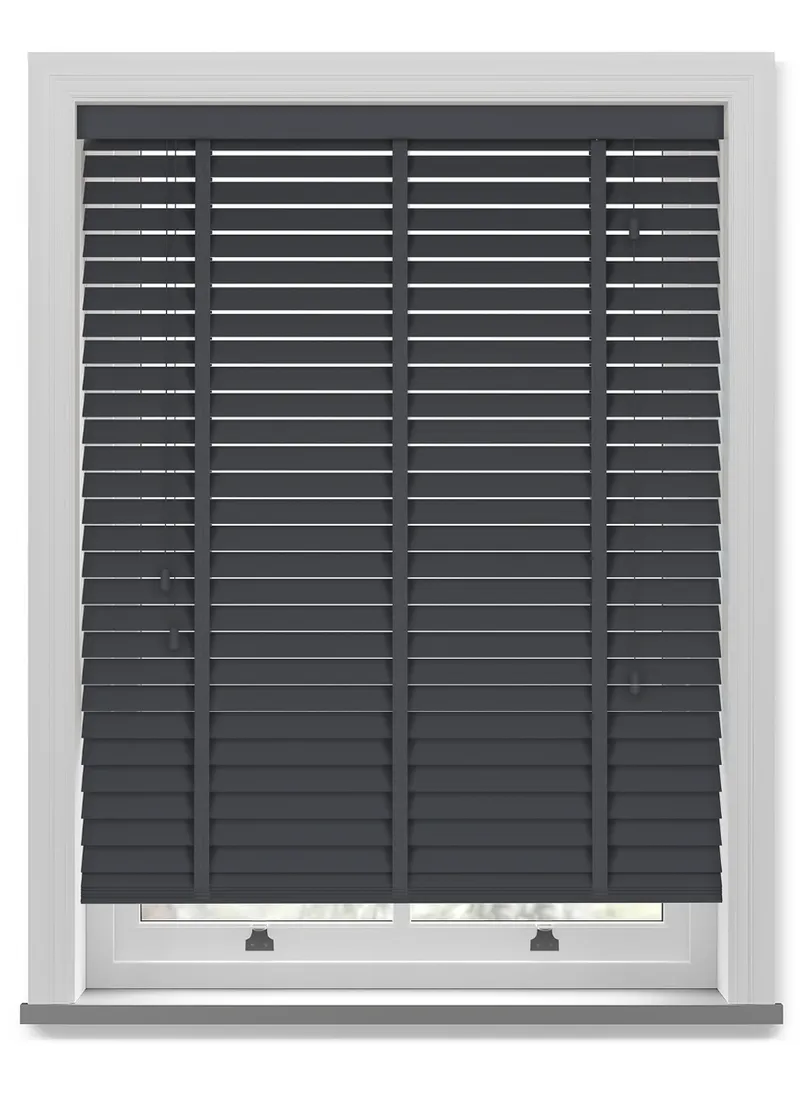
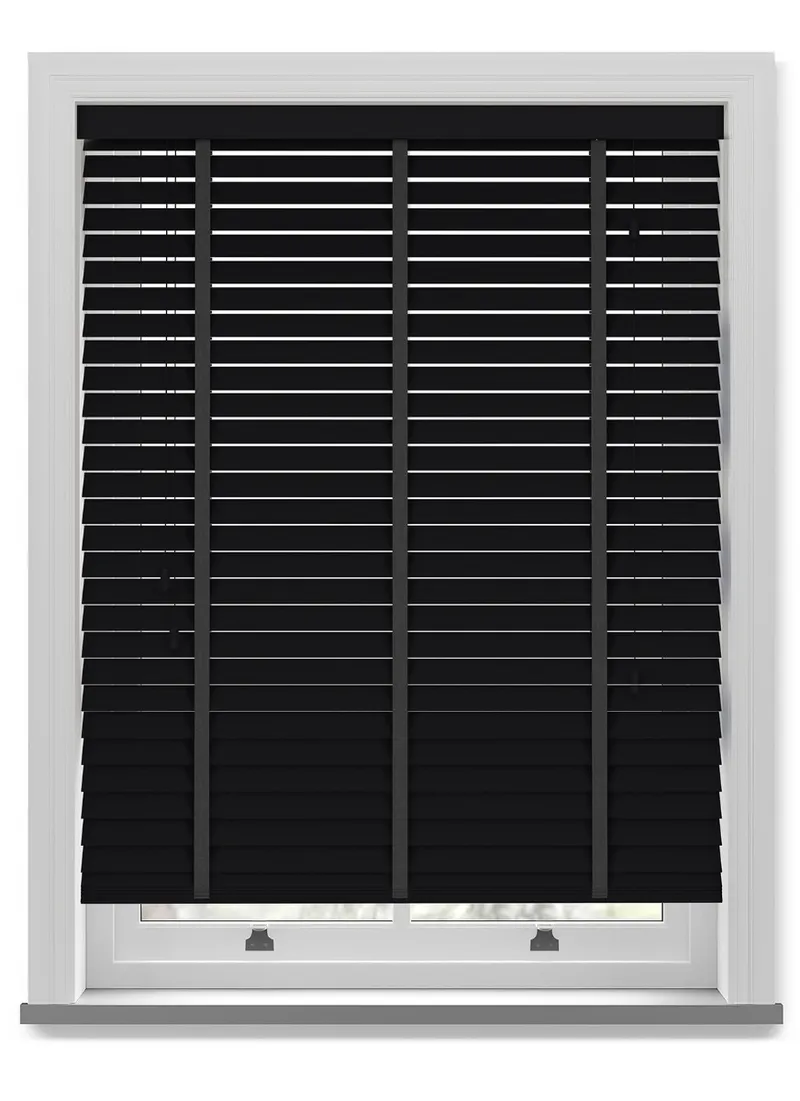
The oaks carry the range. Sand Oak and Grained Desert Oak sit at the pale, Scandinavian end, Grained Amber is warmer and more honeyed, and Pewter Oak takes the grain into grey-brown territory. Around them, the Grained prefix spreads onto quieter ground - Grained Dove Grey, Grained Mirage Cream and Grained True White keep a whisper of texture in shades that would otherwise be plain neutrals. Ice White and Linara Magnolia are the clean, unprinted calm of the card, while Deco Anthracite and Deco Jet anchor the dark end for rooms that want contrast rather than warmth. Printed grain is exactly the kind of finish that changes between a thumbnail and a full window, so samples are not optional here - scale changes how the pattern reads, and daylight changes it again.
Price by your dimensions
Enter your window size. We round up to the next standard size, which matches how the retailer actually quotes you.
Price around its usual level (checked since 2 Jun).
Deco opens at the accessible end of made-to-measure rollers - typically a fraction of what real timber across the same glass would run to - and prices by size from there: width and drop set the figure, so the grid above is the way to cost your actual window rather than the headline one. It is a standard-fitting roller with no hardware decisions bolted on, which keeps the quote simple. Measure the recess in three places and work from the smallest figures.
How it compares
The straight rival is the faux-wood venetian, which gets you real slats, real tilt and a similarly wipe-clean temperament, usually at a higher price and always with more upkeep. A timber venetian brings genuine grain and genuine warmth, but resents bathrooms and steamy kitchens in a way a polyester roller never will. Deco is the third path: the palette of wood with the habits of a roller. Because no other shop we track stocks it, there is no cross-shop price check to run - the judgement is simply whether a printed grain serves your room better than slats would, and at this entry price the experiment is not an expensive one.
A note on care
The wipe-clean promise is most of the argument, so here is the whole routine: run a duster or the vacuum's soft brush over the panel every few weeks, and lift splashes or fingermarks with a barely damp cloth, blotting rather than scrubbing so the printed face never gets abraded. That is the entire job a venetian turns into slat-by-slat work. Avoid soaking the cloth and skip solvent cleaners, let the fabric dry fully lowered before rolling it away, and drop the blind to full length now and then so a curl does not set into the lower section.