
When the temperature drops, a surprising amount of a room's warmth slips out through the windows. Glass is a poor insulator, and even a good double-glazed unit loses heat faster than the wall around it. A blind cannot turn a window into a wall, but the right one slows that loss markedly by holding a buffer of still air against the cold pane. This guide explains how thermal and cellular blinds do that, what separates a genuinely insulating blind from an ordinary one, and ten picks to compare across fittings and budgets.
How a blind keeps heat in
Warmth leaves a window in two main ways: it conducts straight through the glass, and it convects, where air chilled at the pane sinks, pulls warmer room air in behind it, and sets up a cold draught that circulates by the window. A close-fitting blind interrupts both. It adds a still layer of air between room and glass, and that trapped air is the actual insulator - air barely conducts heat when it is held still and stopped from circulating.
That is why the fitting matters as much as the fabric. A blind mounted tight inside the recess, close to the glass and with small gaps at the edges, traps that air far better than one hanging loose on the wall outside the reveal. Warm air that can slide around the sides of a blind carries the heat away with it, so a snug fit does much of the work.
Cellular, or honeycomb, blinds take the idea further. The fabric is built as rows of hollow cells in cross-section, so each cell holds its own pocket of trapped air. Stack those pockets across the whole blind and you get a continuous insulating layer rather than a single sheet of fabric. It is the closest a blind comes to built-in insulation, and it is why cellular fabrics lead this category.
What to look for
Cellular over flat, where you can. A honeycomb structure traps more air than a flat fabric of the same thickness, so for pure warmth a cellular pleated leads. A thermal-backed roller or a lined roman still helps, just less than a cell does.
A close fit. Insulation depends on trapping still air, so an inside-recess fit close to the glass works better than an outside-the-reveal mount. Measure for the snuggest fit the recess allows, and keep edge gaps small.
Fabric weight and lining. A denser or lined fabric slows conduction more than a thin one. Blackout linings add a second benefit in winter, since the same dense fabric that blocks light also slows heat, and that pairing suits a bedroom well.
The fitting style for your window. Perfect-fit and clip-on frames sit tight against UPVC without drilling, which both suits renters and gives the close fit insulation wants. A standard recess fit works on most windows; an outside mount is the least insulating option and best avoided if warmth is the goal.
Be realistic about the gain. A blind reduces heat loss at the window; it does not replace glazing or draught-proofing. The honest framing is that a well-fitted thermal blind takes the chill off a cold window and trims the draught, as one useful layer among several.
Our picks


Hudson Cellular Pleated Blinds
at So Easy Blinds
A honeycomb-cell pleated blind that traps a layer of air against the glass.


Totalshade Complete Thermal Pleated Blinds
at Blinds 2go
A blackout pleated that darkens and insulates in a single fabric.

Maxshade Complete Thermal Pleated Blinds
at Blinds 2go
A thermal pleated with a broad neutral palette for living spaces.


Duoshade Thermal Pleated Blinds
at Blinds 2go
A perfect-fit thermal pleated that clips to the frame without drilling.

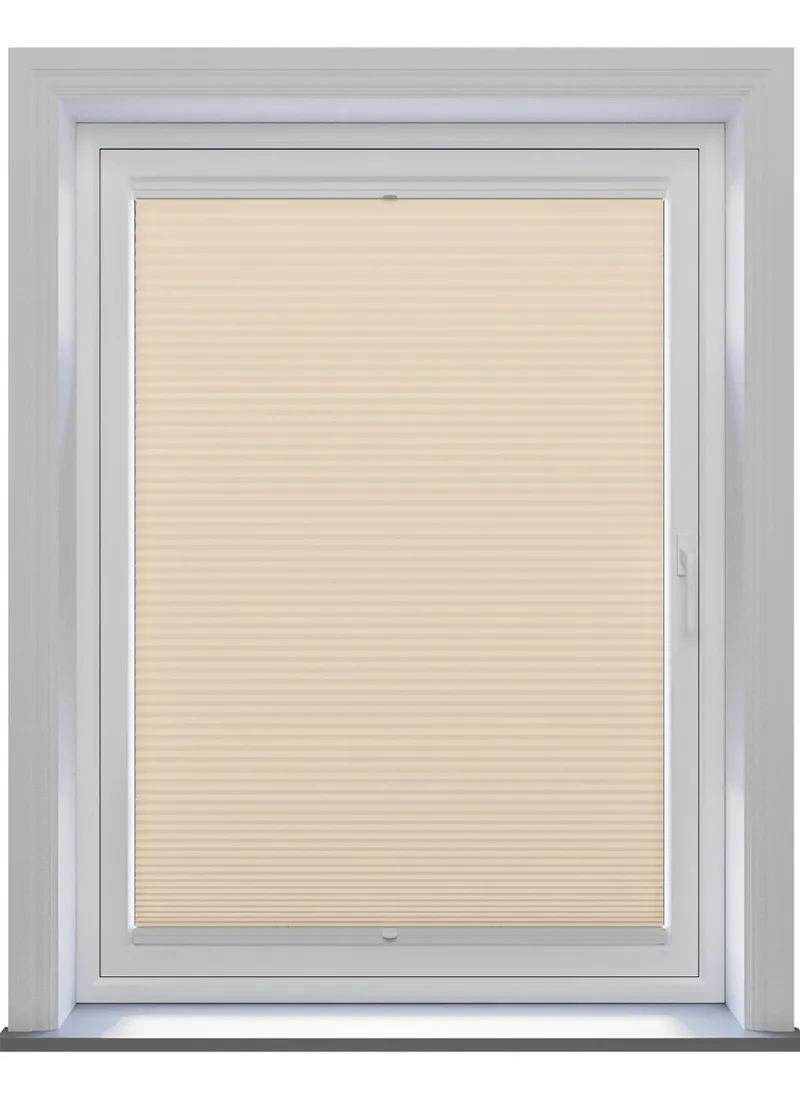
Clic-Stick-Fit Pleated Blinds
at Swift Direct Blinds
A no-drill thermal pleated at an accessible entry price.

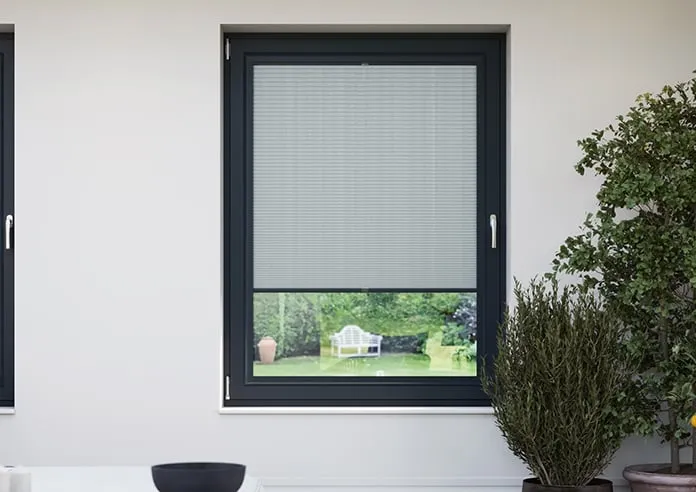
Honeycomb Roller Blinds
at 247 Blinds
Honeycomb insulation in a simple roller-style fitting.
This range is currently unavailable.


Thermal Roller Blinds
at Blinds 2go
A roller with a thermal backing for rooms that want a flat fabric.


William Morris Duolight Thermal Day and Night Blinds
at Blinds 2go
A thermal day-and-night blind carrying Morris prints.
This range is currently unavailable.
Pick details
Best cellular
Hudson Cellular Pleated Blinds
at So Easy Blinds
A honeycomb-cell pleated blind that traps a layer of air against the glass.
For pure insulation, a honeycomb-cell pleated blind is the natural pick, and the Hudson cellular range is our lead. The cells hold their own pockets of trapped air right across the blind, which is the most effective way a fabric alone can slow heat at the glass. It suits any room where keeping warmth in is the first priority, and the pleated build folds up tidily when you want the window clear. As with any cellular blind, fit it close inside the recess to get the full benefit of the trapped air.
Best blackout-thermal
Totalshade Complete Thermal Pleated Blinds
at Blinds 2go
A blackout pleated that darkens and insulates in a single fabric.
Where a room needs darkness as well as warmth, the Totalshade thermal pleated does both in one fabric. The dense blackout layer that excludes light is also the layer that slows heat, so a bedroom gets a dark, draught-trimmed window from a single blind rather than two. It is the pick for a north-facing or early-waking bedroom in winter, where the long dark mornings make blackout worth having anyway and the thermal benefit comes along with it.
Best all-rounder
Maxshade Complete Thermal Pleated Blinds
at Blinds 2go
A thermal pleated with a broad neutral palette for living spaces.
For a living room or kitchen used across the day, the Maxshade thermal pleated balances warmth with a broad set of neutral colours, so the blind insulates without dictating the room's look. It gives the thermal pleated benefit in tones that sit quietly against most schemes, which is what a shared living space usually wants. A sensible default where you want the insulation but not a statement at the window.
Best for UPVC
Duoshade Thermal Pleated Blinds
at Blinds 2go
A perfect-fit thermal pleated that clips to the frame without drilling.
If your windows are UPVC and you would rather not drill the frames, the Duoshade thermal pleated in a perfect-fit frame clips straight into the bead of the glazing unit. That tight, frame-hugging fit is exactly what insulation wants, since it leaves almost no gap for warm air to slide around. It suits modern UPVC windows and doors, and renters who cannot drill, while still giving the trapped-air benefit of a pleated fabric held close to the glass.
Best value
Clic-Stick-Fit Pleated Blinds
at Swift Direct Blinds
A no-drill thermal pleated at an accessible entry price.
For the thermal pleated benefit at the accessible end of the pricing, the Clic stick-fit pleated is our value pick. It fits without drilling and keeps to a straightforward set of colours, trading the broadest palette for a lower entry price. Where you want to warm up a window or two without a large outlay, it gives the core insulating fabric in an easy no-drill fitting.
Best honeycomb roller
Honeycomb Roller Blinds
at 247 Blinds
Honeycomb insulation in a simple roller-style fitting.
For honeycomb insulation in a simpler operation, the 247 Blinds honeycomb roller gives the cellular benefit in a roller-style fitting rather than a pleated stack. The cells trap air the same way; the difference is the look and the way it sits in the window. It suits someone who wants the warmth of a cell but prefers the cleaner line of a roller, and it costs the insulation in at a sensible level.
Best for choice
This range is currently unavailable.
When the colour has to be right, the Quickstick Tradechoice pleated offers an unusually wide run of finishes, so the warm layer at the window can also match the room precisely. The breadth is the appeal here: a pleated fabric that insulates, in enough tones to suit a tricky scheme, fitted with a no-drill stick mount. A good choice where palette and warmth both matter and you do not want to compromise on either.
Best thermal roller
Thermal Roller Blinds
at Blinds 2go
A roller with a thermal backing for rooms that want a flat fabric.
For rooms that want a flat, plain fabric rather than a pleat, the Blinds 2go thermal roller carries a thermal backing that slows heat through a single clean sheet. It will not match a honeycomb cell for insulation, but it lifts an ordinary roller's performance and keeps the simple look some rooms call for. The pick where a flat roller is the style you want and you would still like it to pull some weight against the cold.
Best designer
William Morris Duolight Thermal Day and Night Blinds
at Blinds 2go
A thermal day-and-night blind carrying Morris prints.
If the blind has to earn its place on looks as well as warmth, the William Morris Duolight thermal day-and-night pairs a thermal build with the heritage Morris prints. You get the adjustable sheer-to-shaded control of a day-and-night blind, a thermal layer for the cold months, and a pattern with real character. The pick for a room where a plain thermal blind would feel too plain and you want the window to add something.
Best no-drill honeycomb
This range is currently unavailable.
For honeycomb insulation with no screws in the frame at all, the Umbra clip honeycomb fits to the window by clip, keeping the cellular warmth while leaving the UPVC untouched. It suits renters and anyone wary of drilling, and it brings the strongest insulating structure, the cell, into a fitting that comes off cleanly again. A neat answer where you want the best thermal fabric without committing the frame to a drill.
What we left out
A couple of warm-looking options sit just outside this guide for honest reasons.
Plantation shutters insulate well when closed, since a solid panel against the recess traps air much as a cellular blind does. They are left out because they are a permanent joinery fixture at several times the price of a blind, which is a different scale of decision from dressing a window for one winter. If you are reshaping the room anyway, they are worth a look; for warming a cold window now, a thermal blind is the proportionate move.
Heavy curtains also insulate, and a thick interlined curtain over a blind is genuinely effective. The reason they are not picks here is that this is a guide to blinds, and the two are not rivals but layers - a thermal blind plus a lined curtain beats either alone, so the better framing is to add a curtain to a blind rather than choose between them.
Price by your window
The from-prices shown are starting points; the made-to-measure price depends on your window's width and drop, and pleated and cellular fabrics tend to sit a little above a plain roller for the extra structure they carry. Each pick's page has a price-by-dimensions tool, so enter your measurements to see the cost at your size. The value and no-drill picks come in lowest; the cellular and designer picks sit higher for the insulating cell and the prints respectively.