
The Thermal Plus Energy Saving Roller Blind is Blinds 2go's entry-level thermal roller offering - a made-to-measure polyester roller with a thermal-backed fabric designed to reduce heat loss at the window. Available in 51 neutral finishes and from £11.95, it sits at the affordable end of the thermal roller market without asking much of you in return. If you have a draughty window in a living room or home office and want something practical and unobtrusive, this is worth a look.
Who it suits
This range is well matched to living rooms and home offices where the brief is straightforward: a clean roller blind that takes the edge off a cold window without pushing into blackout territory. The neutral palette keeps it unobtrusive in most interiors, and the thermal backing makes it a more considered choice than a plain polyester roller when heating bills are a factor.
Because the fabric is thermal-backed rather than blackout-coated, it is not a bedroom blackout solution. If early mornings are the problem - especially in spring and summer when dawn arrives early at UK latitudes - a heavier dimout or full blackout roller would serve you better. Light will still come through the edges of any roller blind regardless of fabric opacity, so pairing with side channels or a perfect-fit frame is worth considering if genuine darkness is the goal.
The thermal backing on this type of fabric adds modest insulation - useful, but not in the same league as a cellular or honeycomb blind, which traps air structurally rather than relying on a single coated layer. For a home with modern double glazing the improvement will be subtle; it is most noticeable on older windows with thinner or more draughty frames.
This range is not recommended for bathrooms or high-humidity kitchens. The fabric is a standard polyester weave; PVC roller fabrics are better suited to wet rooms and wipe down without risk of the backing delaminating over time.
The colours
51 colours available


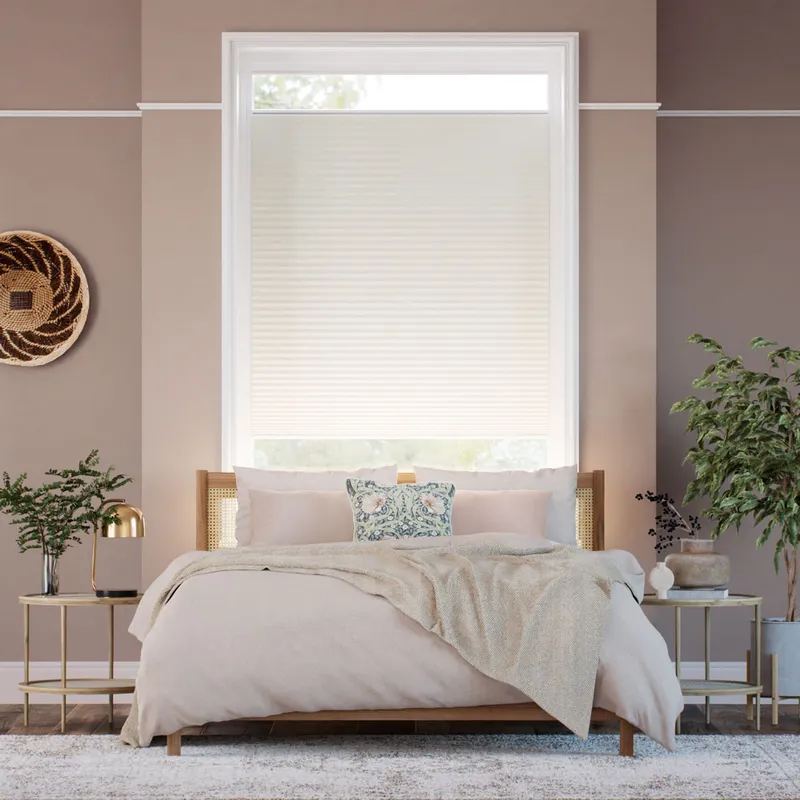
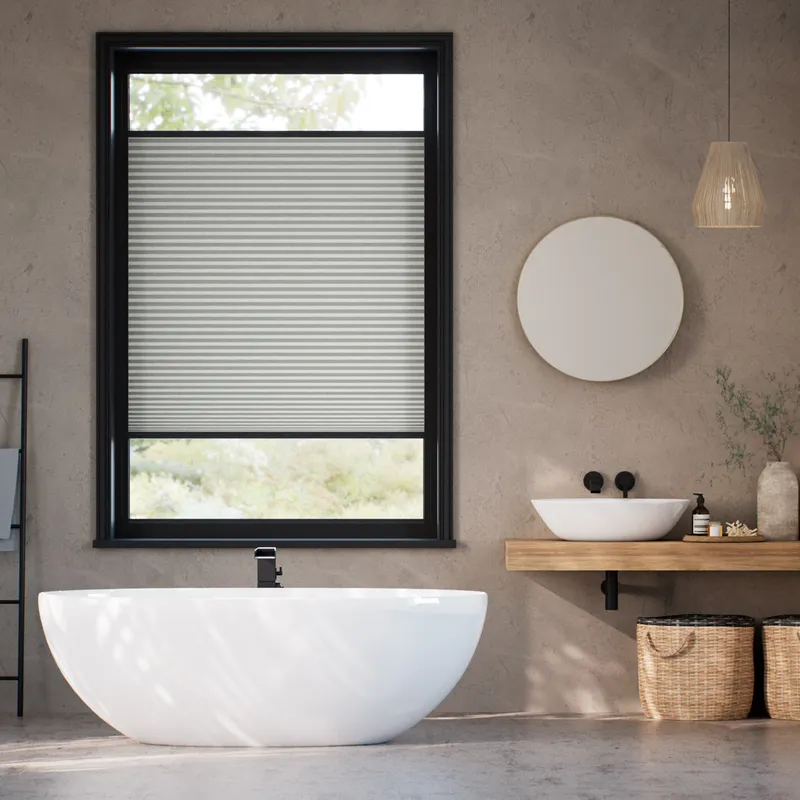
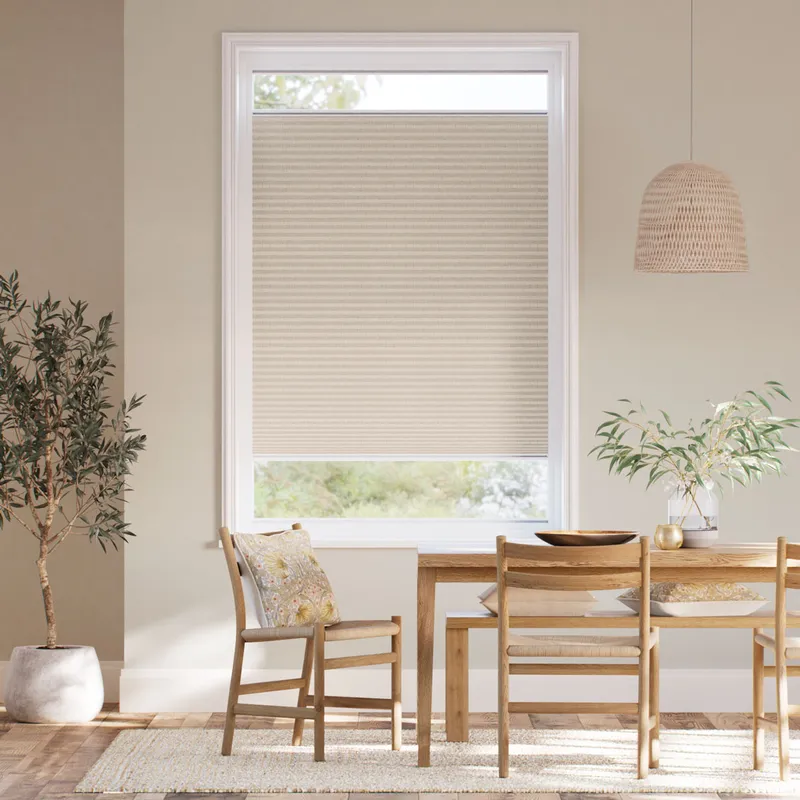
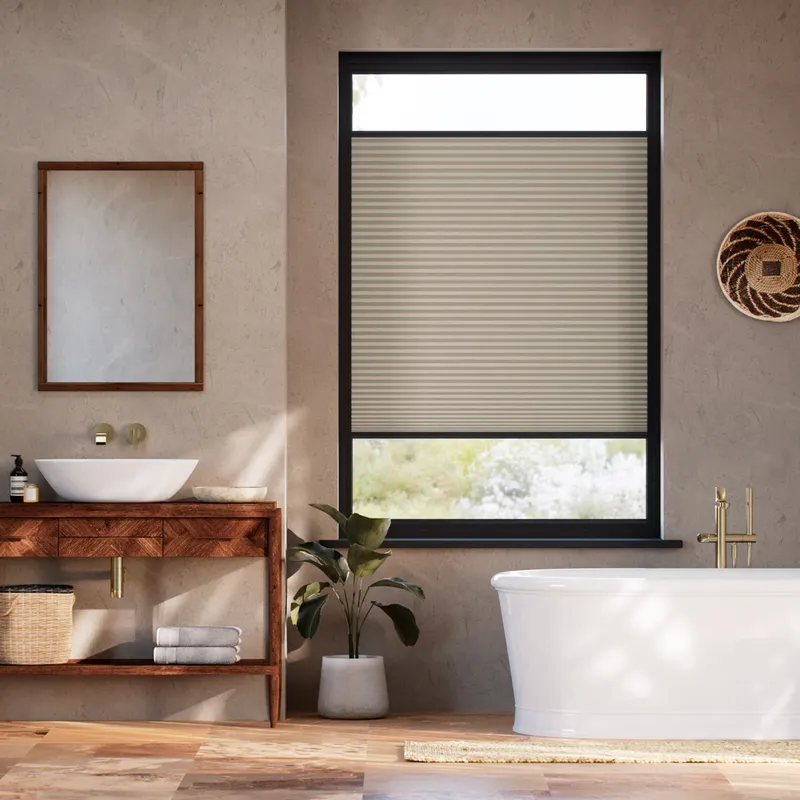
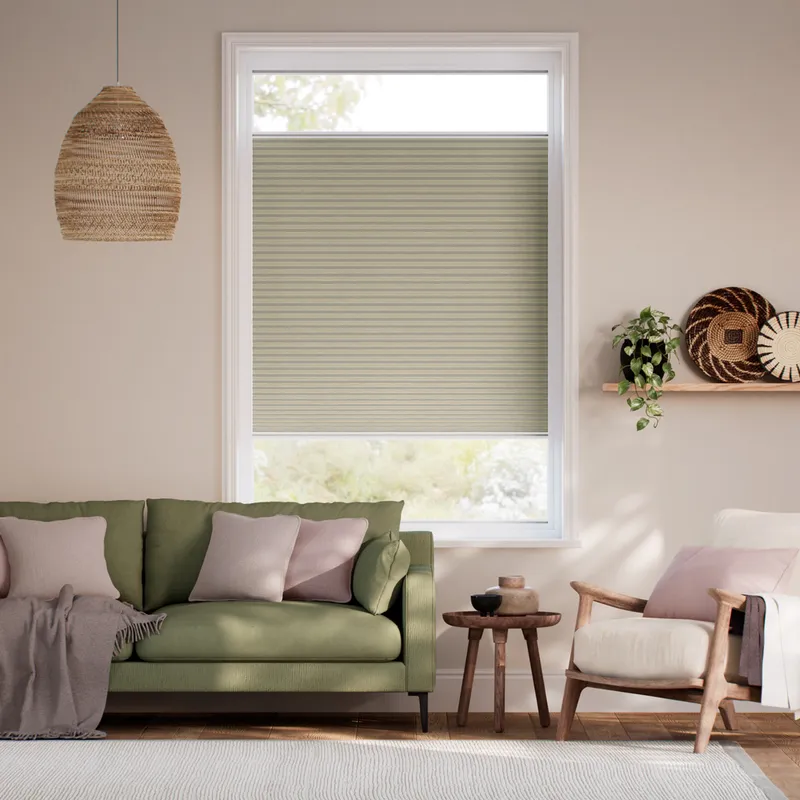
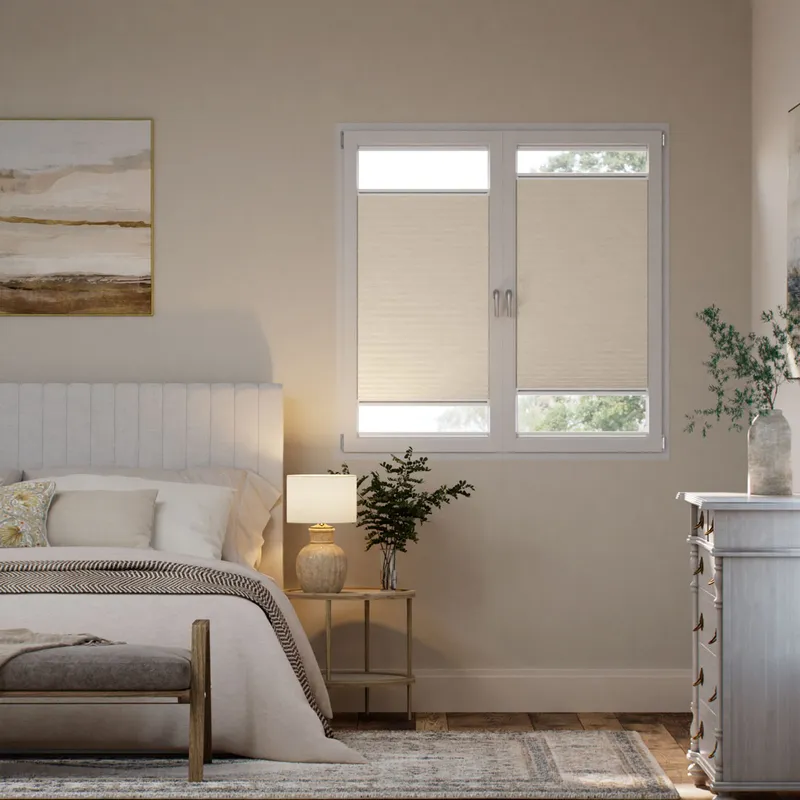



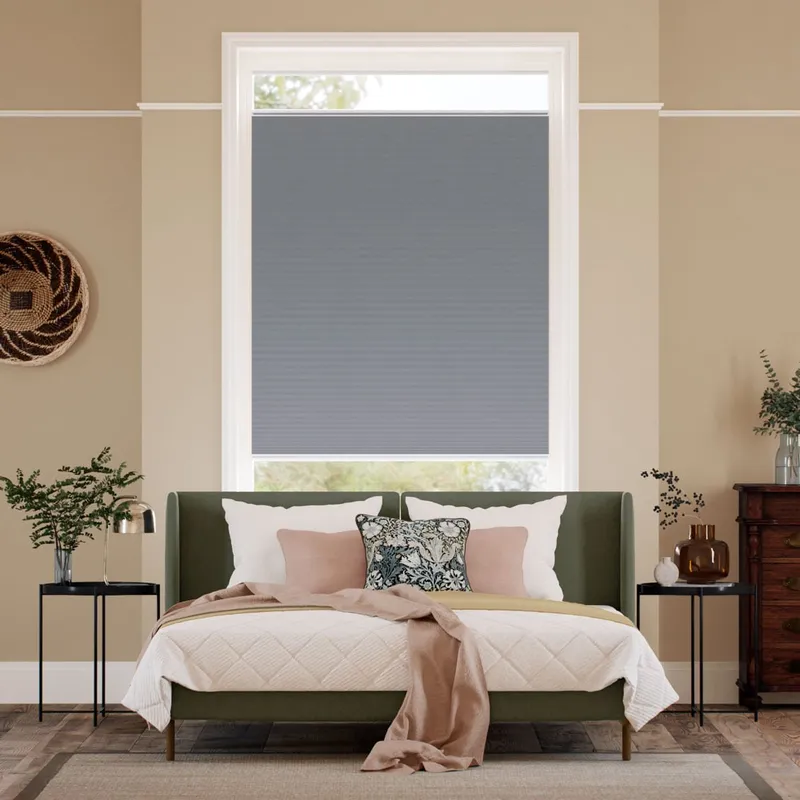

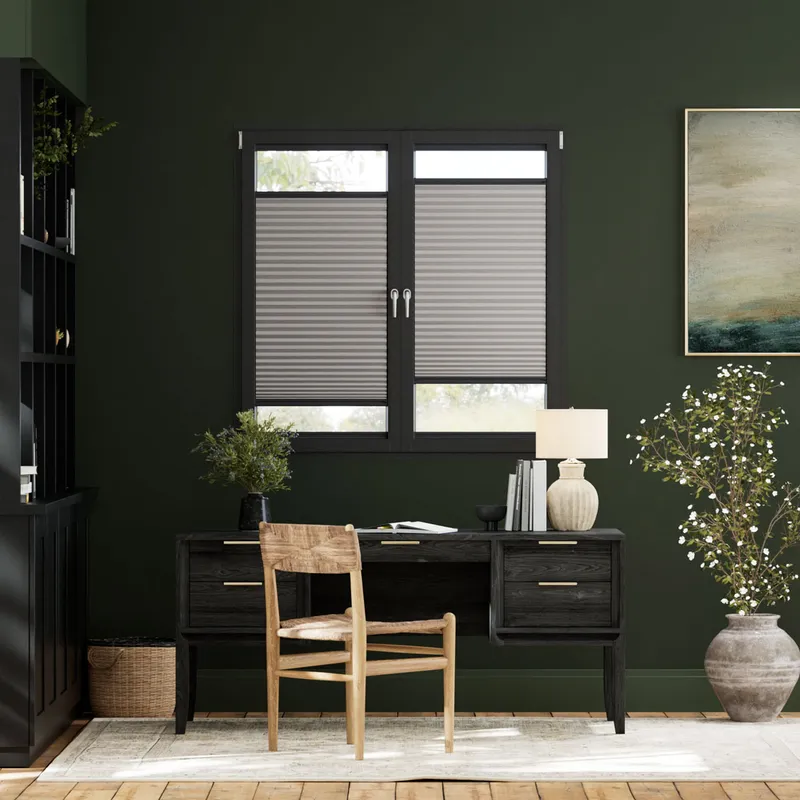

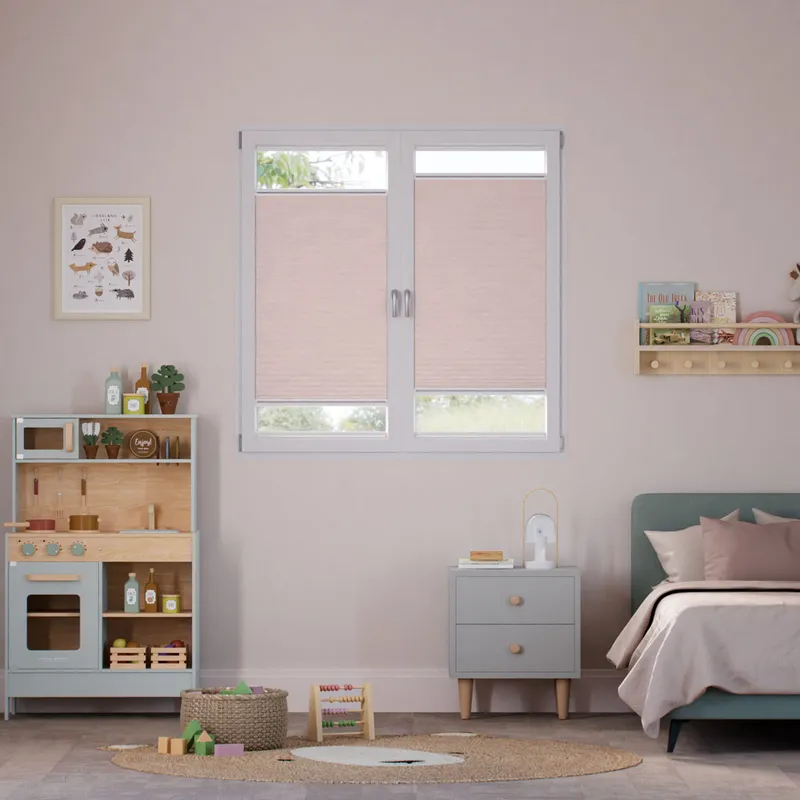
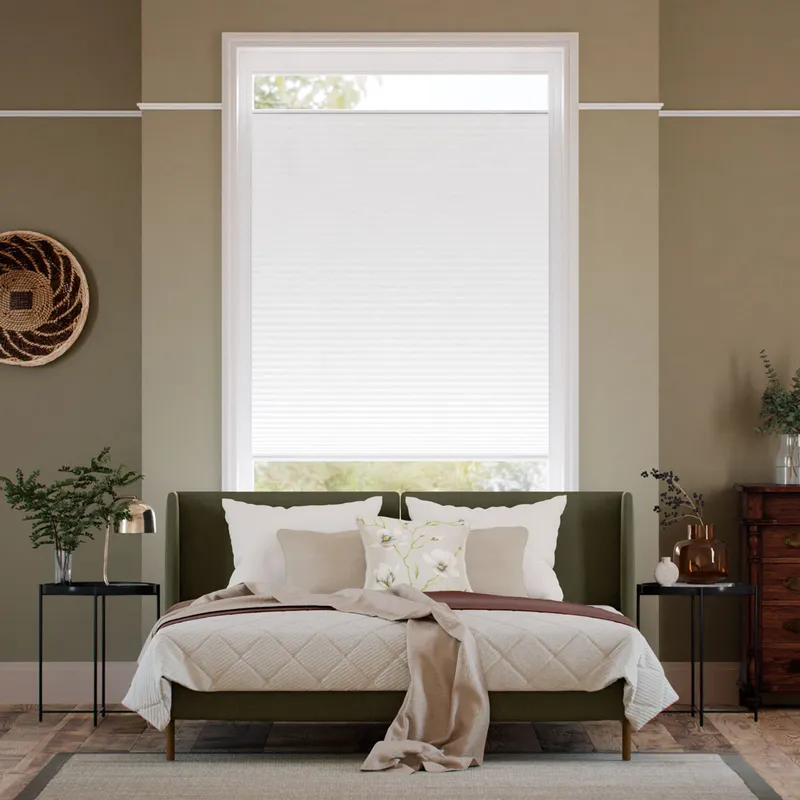
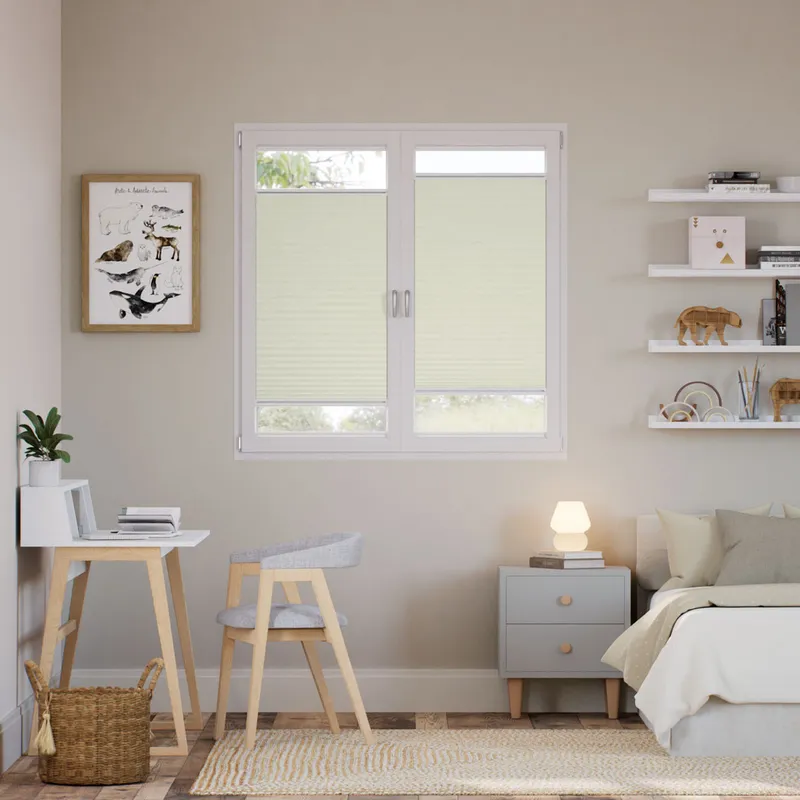
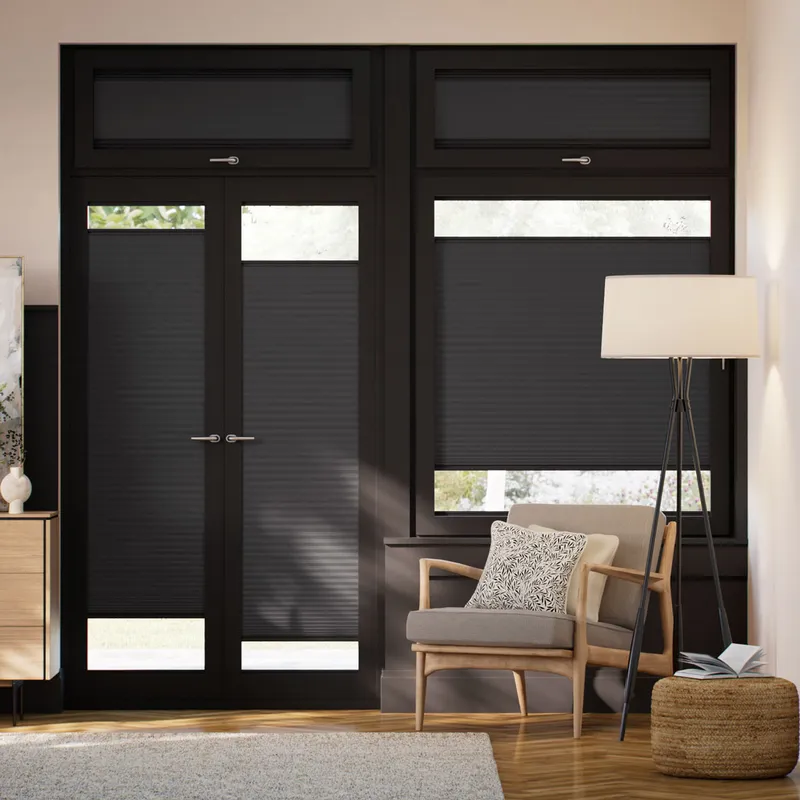
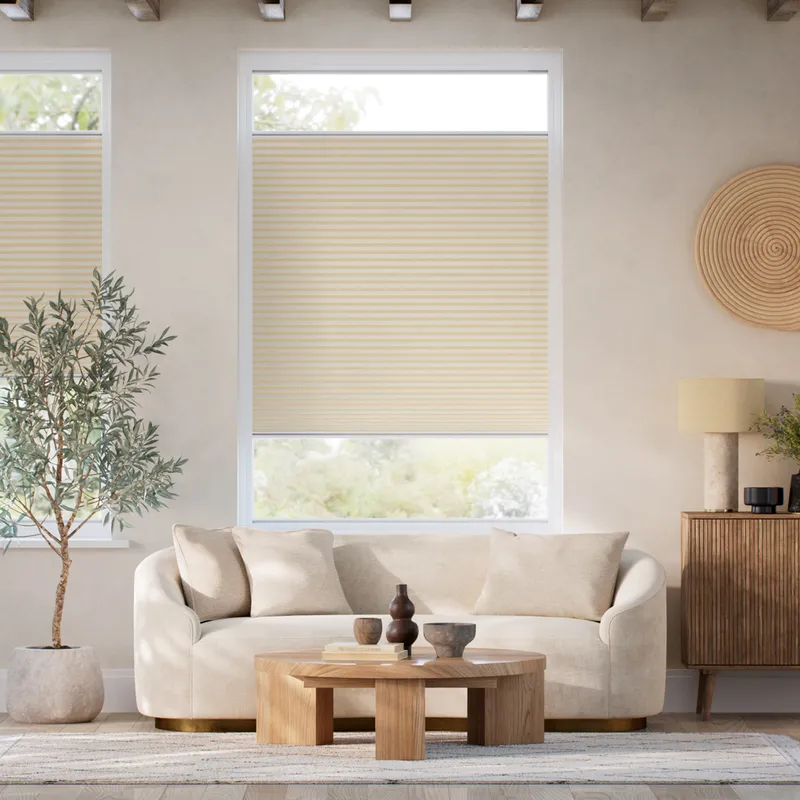
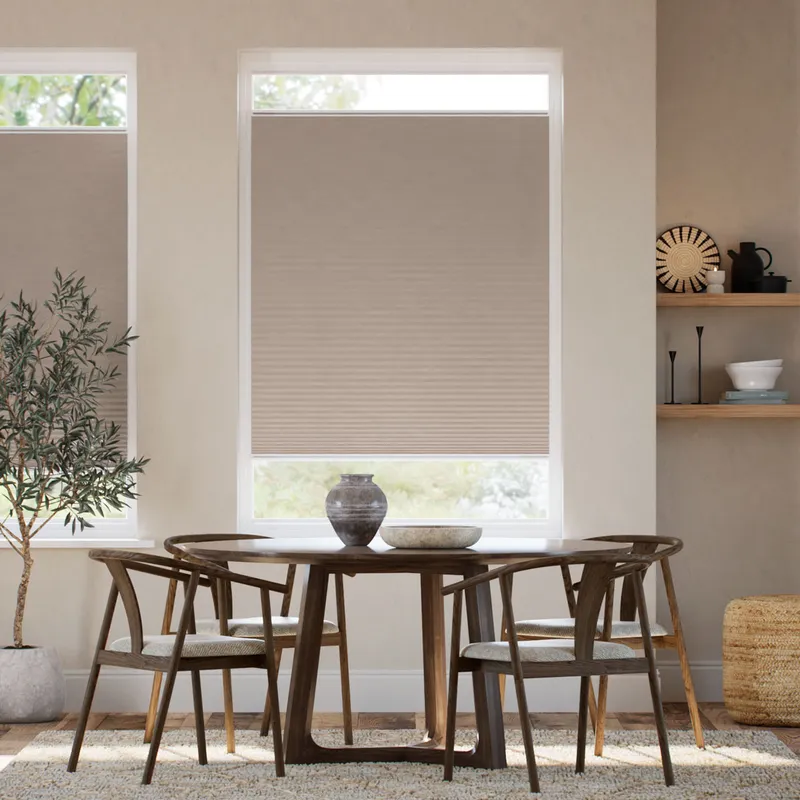

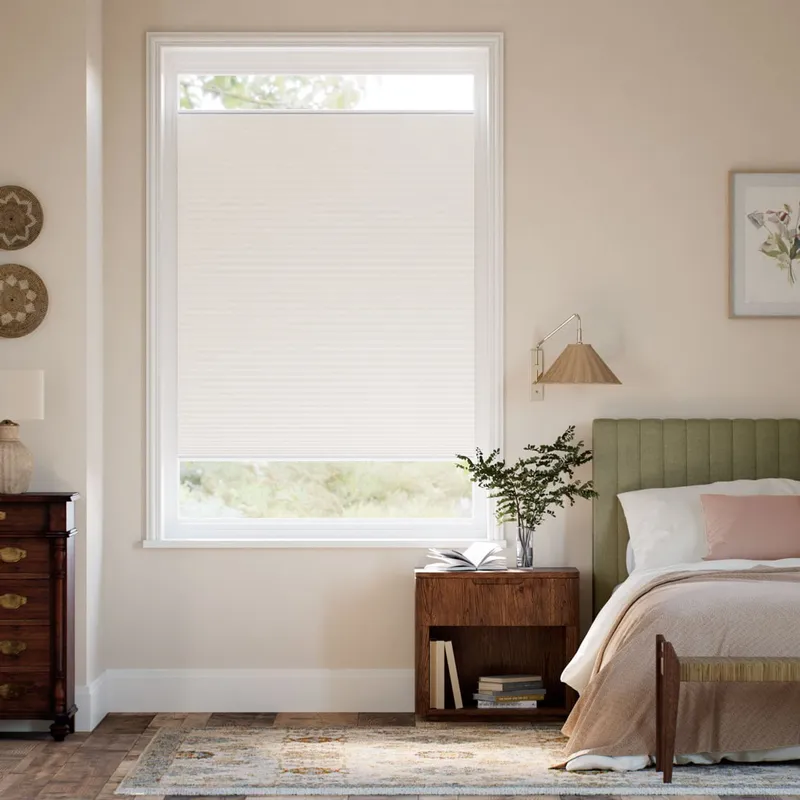
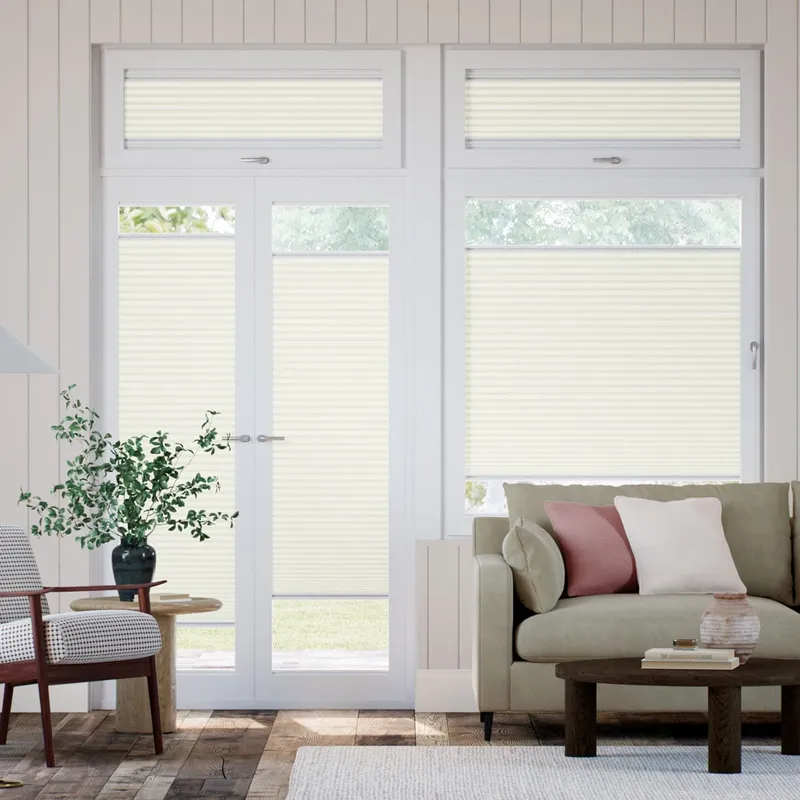
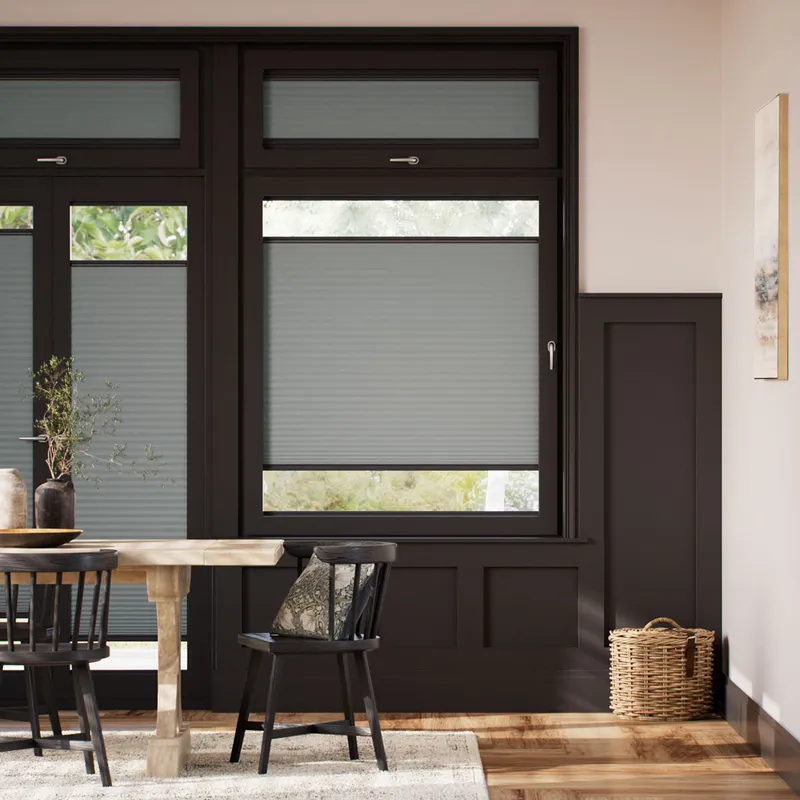
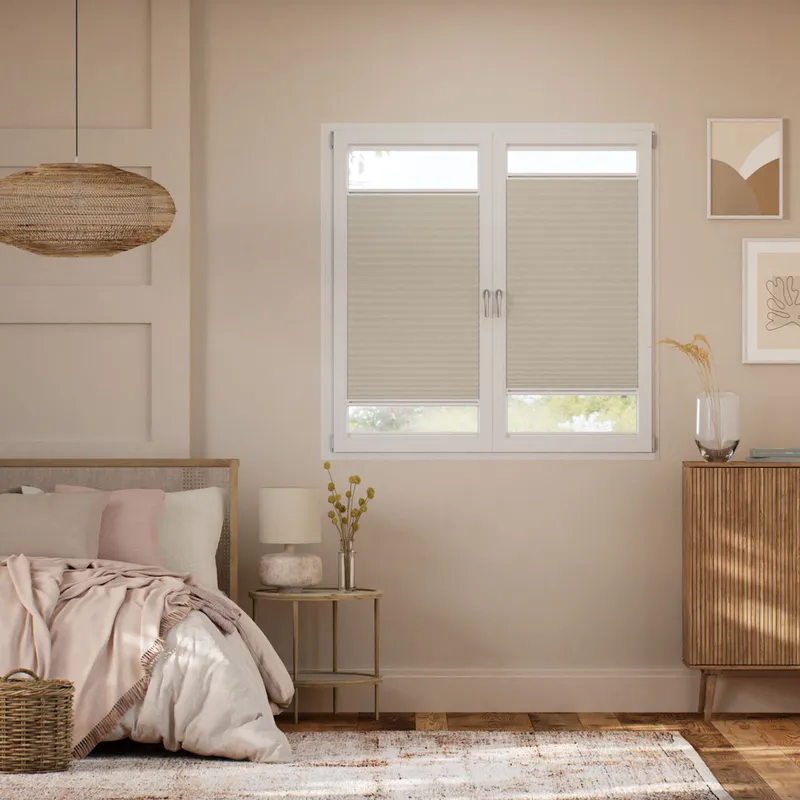
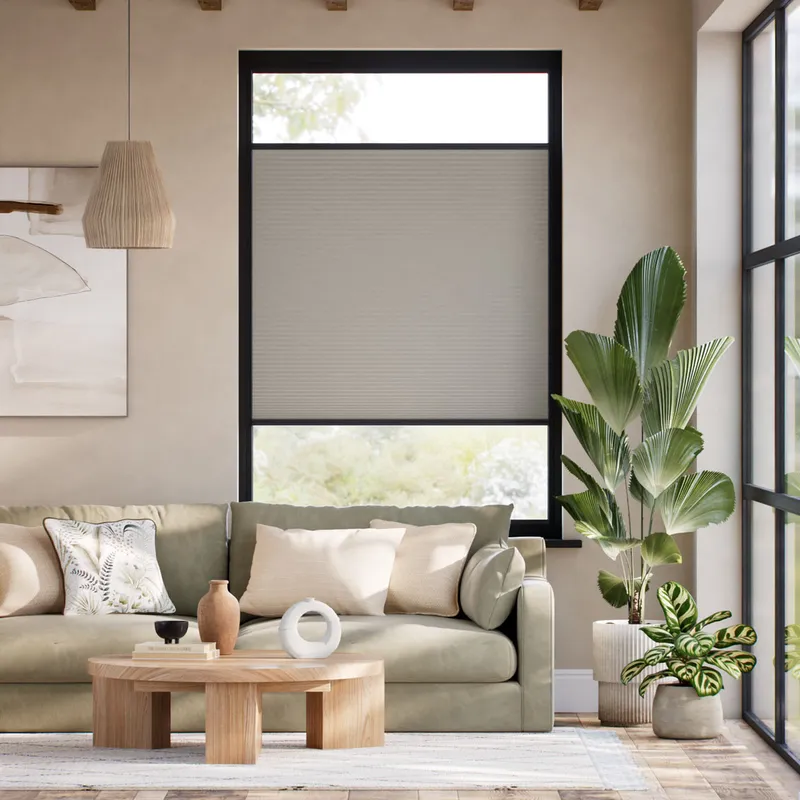
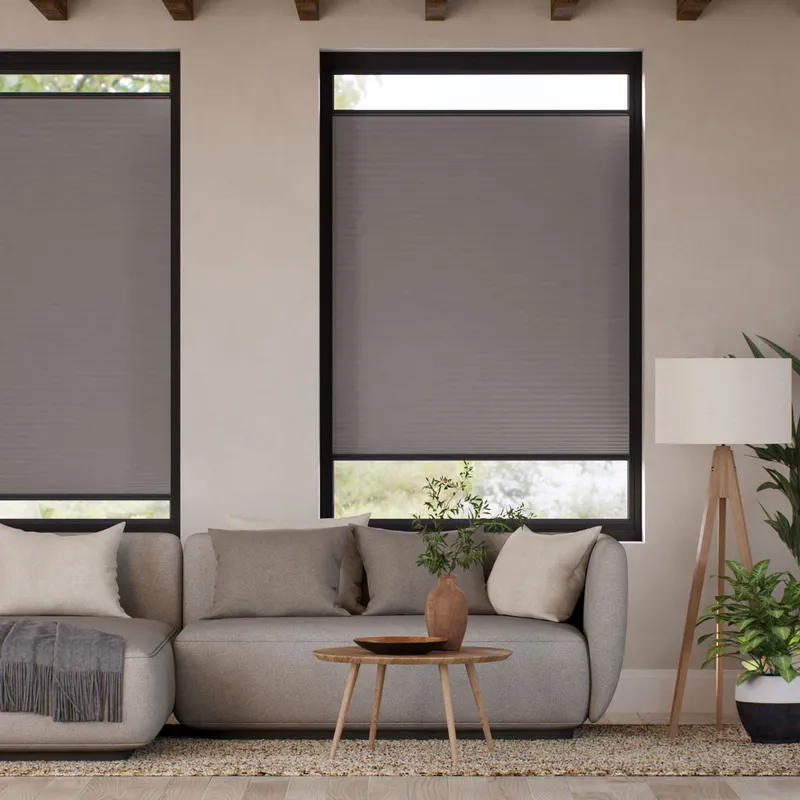
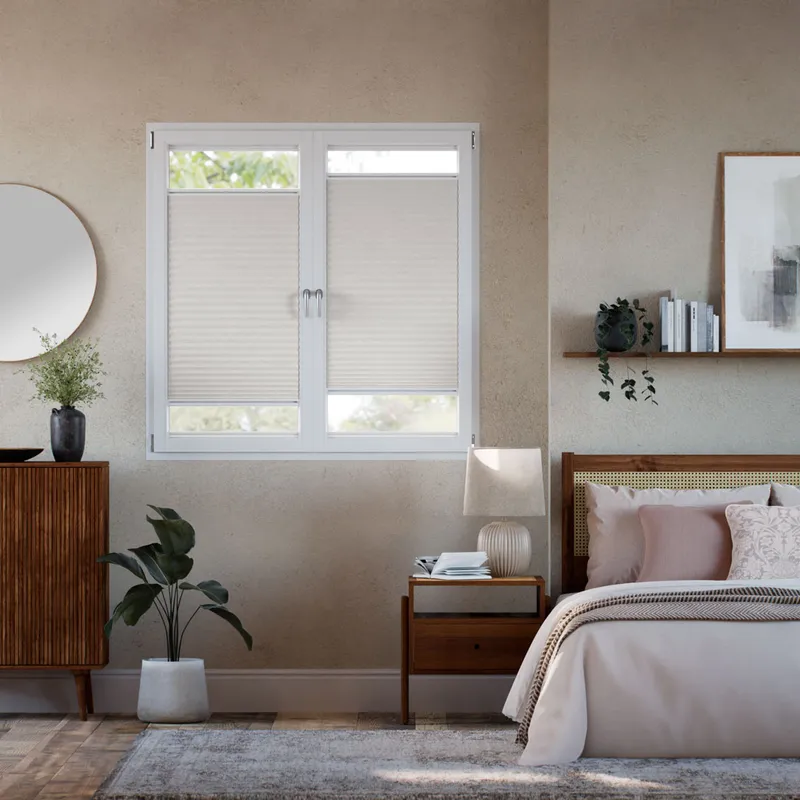

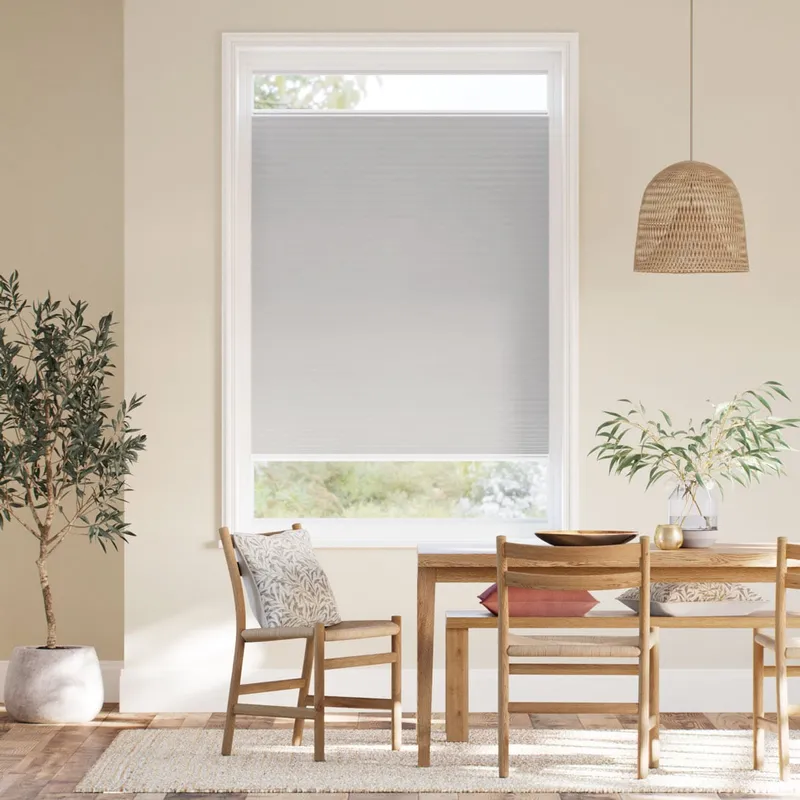
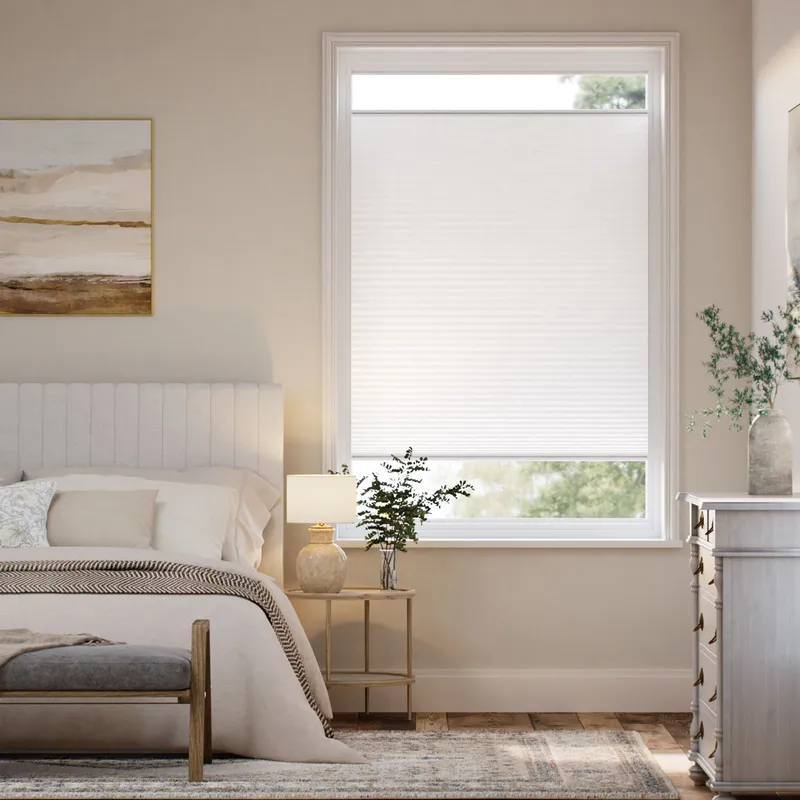

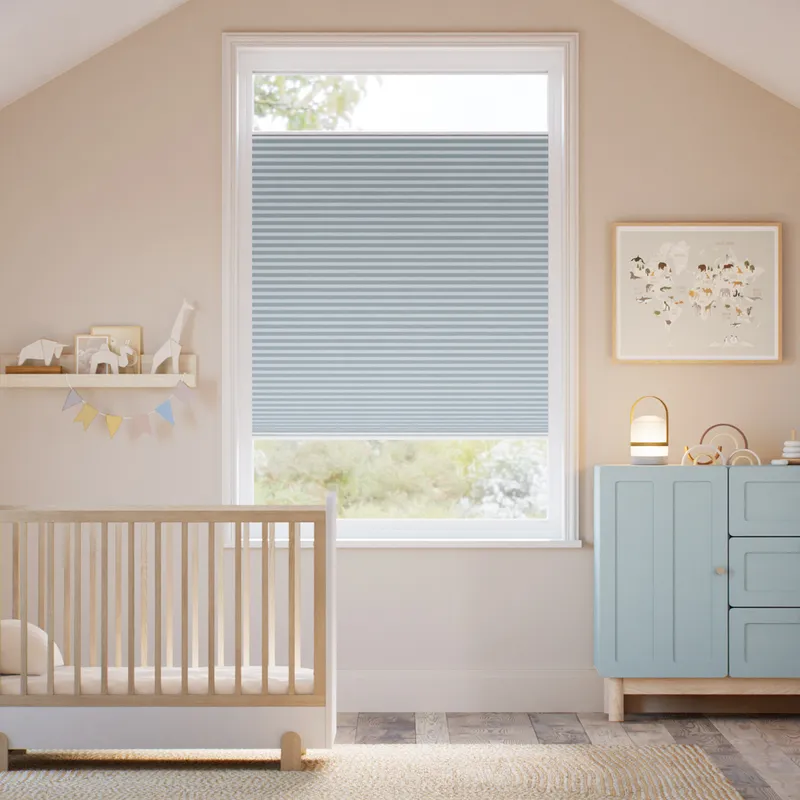
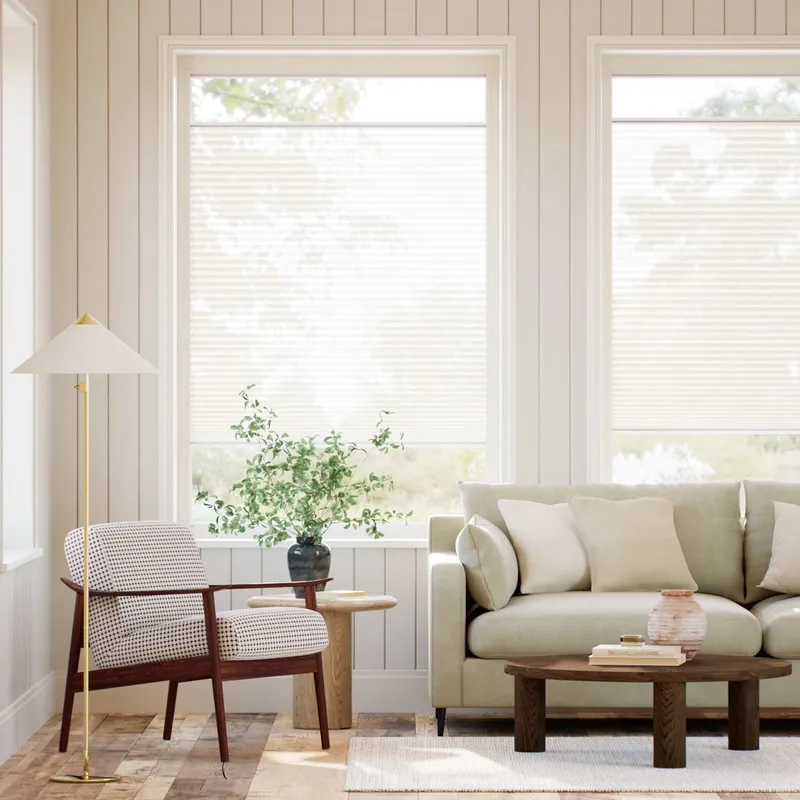
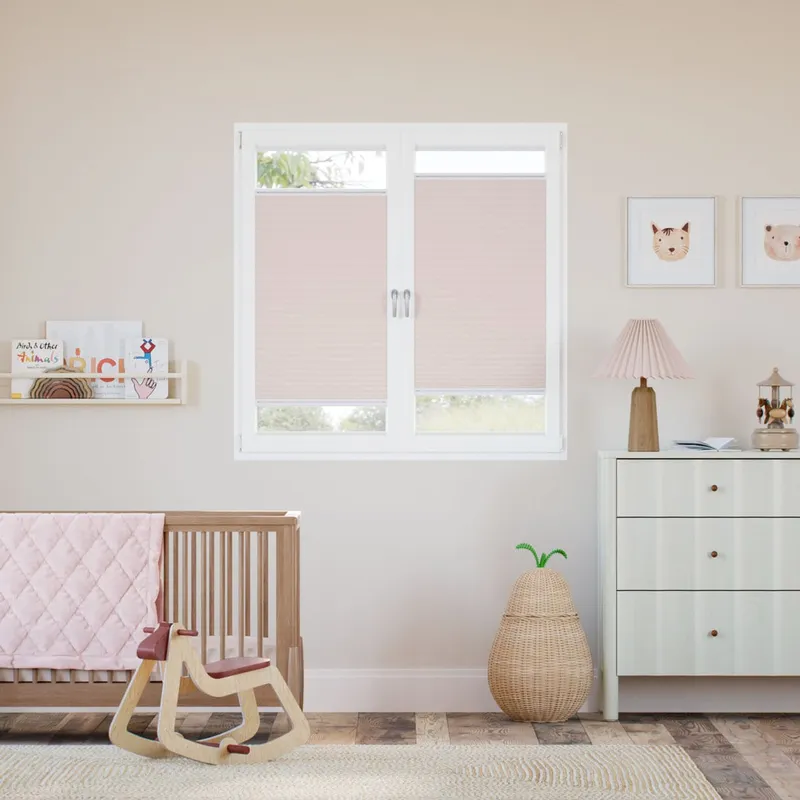
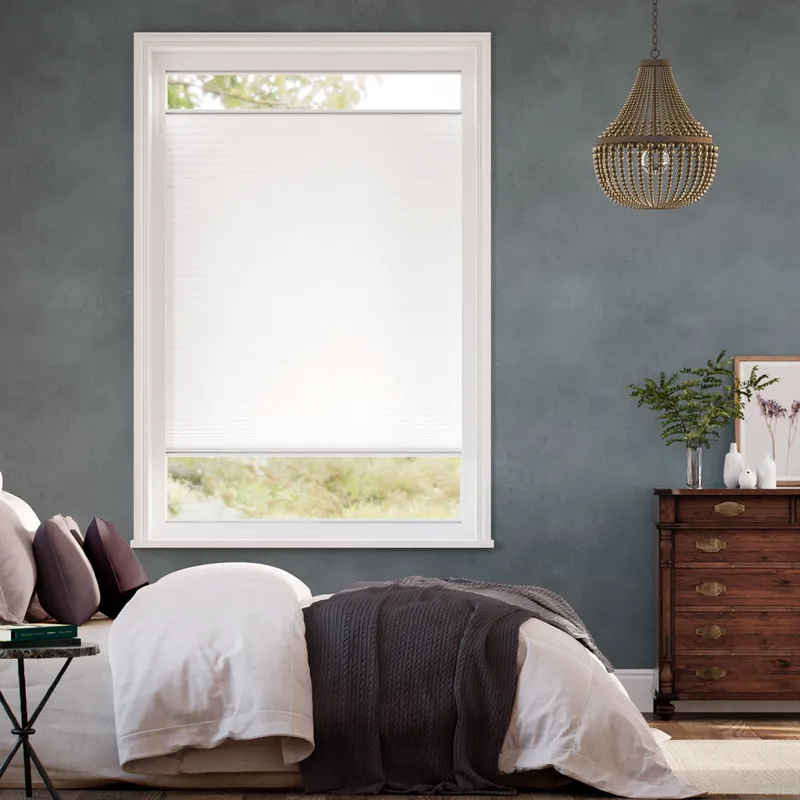
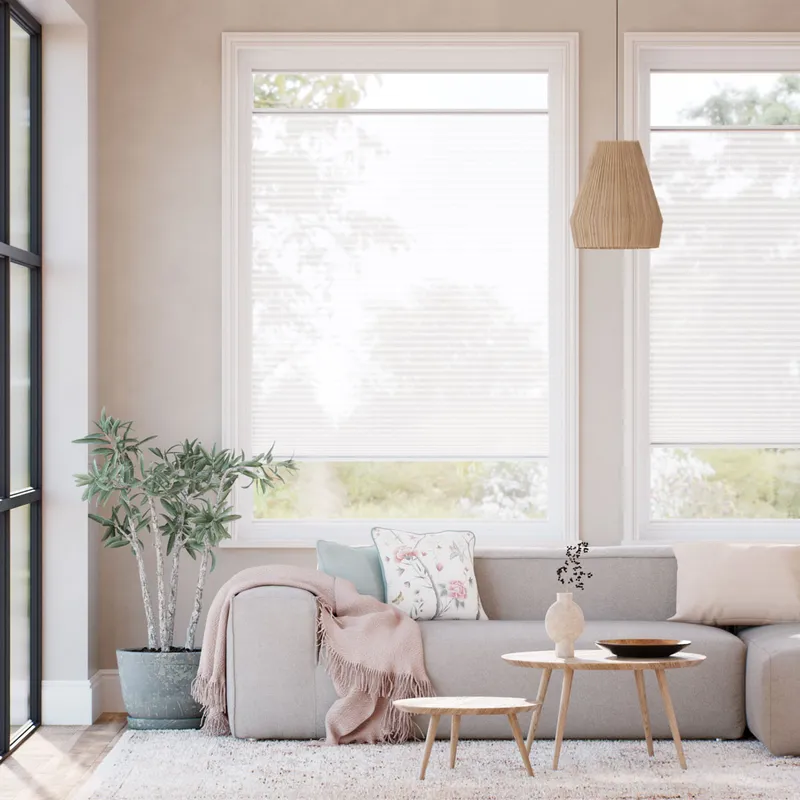


The five finishes - Ecru, Anthracite, Linen, Misty Grey, and White - are all in the warm-to-cool neutral range. There are no bold or patterned options here; the range is clearly positioned around practicality over decoration. The lightest shades (Ecru, White, Linen) will reflect more summer heat than the darker Anthracite, which is worth considering if the window receives direct afternoon sun.
The palette is limited, but genuinely varied within its neutral brief: Anthracite gives a contemporary contrast against white UPVC frames, while Linen and Ecru suit warmer-toned interiors better than a stark white.
Price by your dimensions
Enter your window size. We round up to the next standard size, which matches how the retailer actually quotes you.
Price up 12% since 4 Oct. (our checks since 3 Jun)
At this price point the range sits firmly at the entry level for thermal rollers - accessible for windows that need covering practically rather than as a design statement. As with all made-to-measure rollers, pricing steps up in bands by width and drop; smaller windows are considerably cheaper than large ones.
How it compares
Within the thermal roller category, this range competes on price and simplicity. For anyone after a more decorative thermal blind - prints, richer colours, or a heavier-hang fabric - other ranges in the wider market offer more variety, typically at a higher cost. If the window is a focal point of the room, a Roman blind with a thermal interlining would give a softer, more dressed look at the expense of a higher price and more fabric stack at the top when raised.
For thermal performance that meaningfully outperforms a standard roller, a cellular or honeycomb blind is worth considering, particularly for older single-glazed or draughty windows where heat loss through the glass is the dominant problem. The structural air pockets in a cellular blind reduce heat loss in a way that a coated polyester backing cannot match.
For renters or rooms where blackout is not required and style demands are modest, the Thermal Plus is a practical choice that doesn't overcomplicate the decision. The cassette housing (if ordered with one) keeps the tube and any rolled fabric hidden for a cleaner finish; worth considering on windows in more visible positions.
A note on care
The fabric is polyester and can be vacuumed monthly with a brush attachment. Spot-clean marks with a damp cloth and mild soap; avoid soaking. The thermal backing on this type of fabric can delaminate if left wet, so keep cleaning light and let the fabric dry naturally.
Likely the same fabric, at other retailers
Thermal roller blinds are sold under the same name by more than one UK retailer, and the price scales identically across window sizes - a strong sign it is the same fabric from the same supplier:
- Order Blinds from £8.00
- Blinds 2go this page from £11.95
We match these on the shared name and an identical price curve, not an independent inspection, so treat it as likely the same fabric rather than confirmed - and check the specification and colour at each retailer before buying.