
The Rimini Double Roller at 247 Blinds is a dual-fabric roller system that mounts two blinds on a single headrail: one blackout panel for night-time use, and one day-screen panel for filtered daytime light. Available in 34 colour pairings, starting from £14.77, it offers the kind of graduated light control that would otherwise require two separate blind installations side by side.
Who it suits
The pairing of a blackout and a day screen makes this a strong choice for bedrooms. During the day, the screen layer provides privacy without plunging the room into darkness; at night, the blackout panel rolls down for the light-blocking the retailer describes. That two-fabric capability in a single headrail is genuinely useful in a bedroom, particularly where the window doesn't have the wall space for two separate track systems.
Living rooms and sitting rooms also benefit - the screen layer handles daytime glare and privacy during working hours, while the blackout layer offers a darkened-room option for film watching or afternoon naps. It is less suited to kitchens and bathrooms, where a wipe-clean PVC roller or moisture-resistant slat blind would be a more practical choice and the dual-fabric format adds unnecessary complexity.
The colours
34 colours available




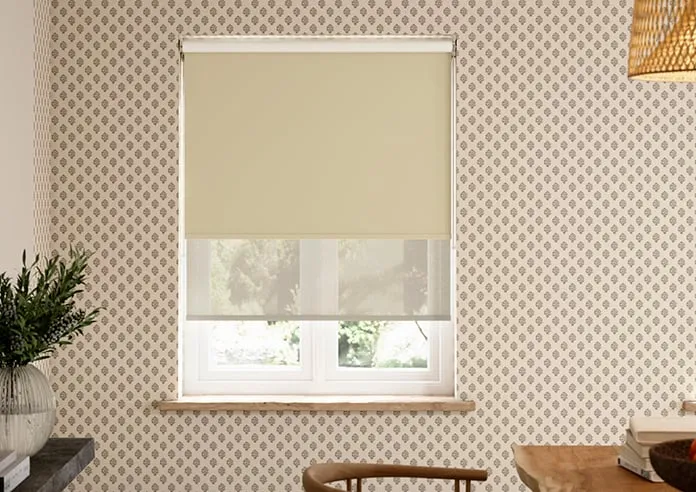
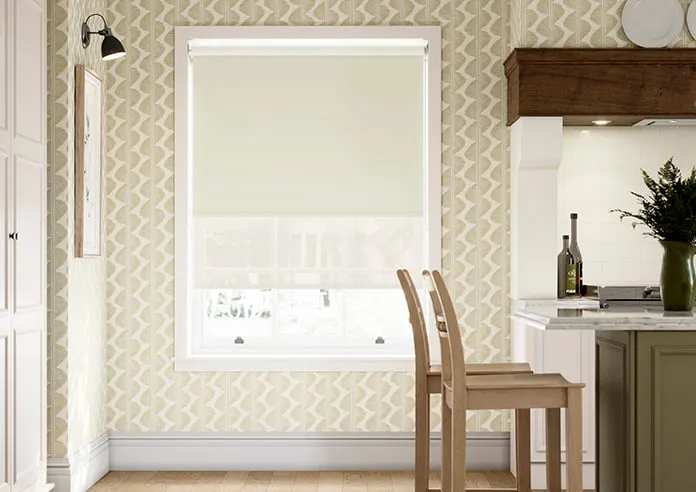



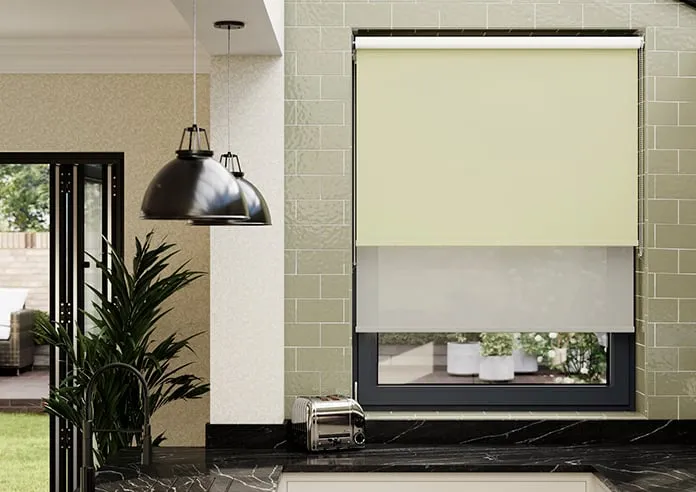


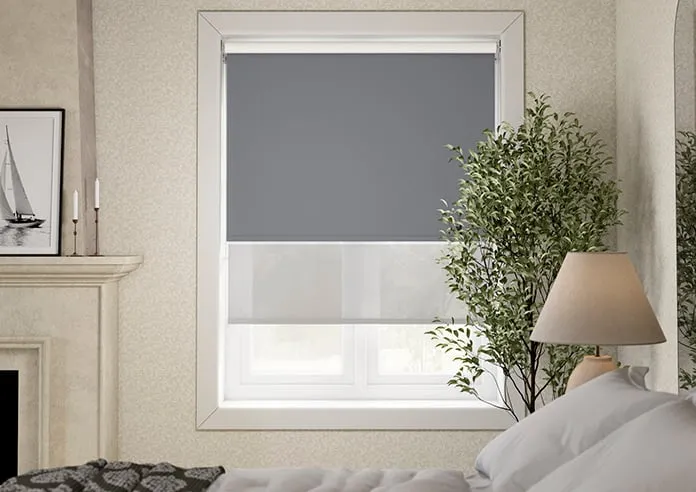


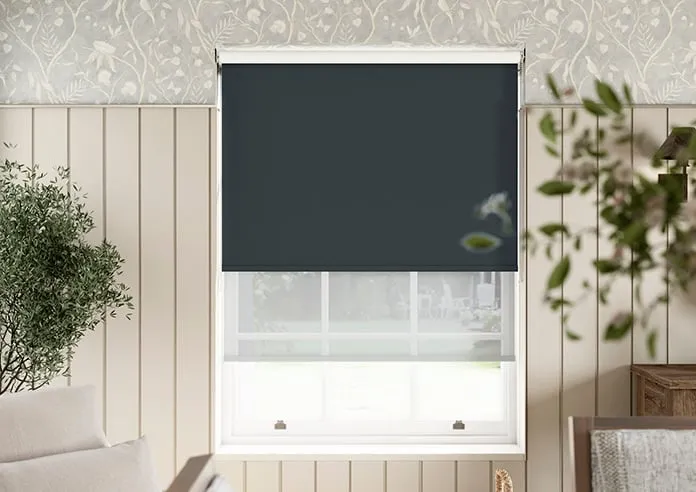
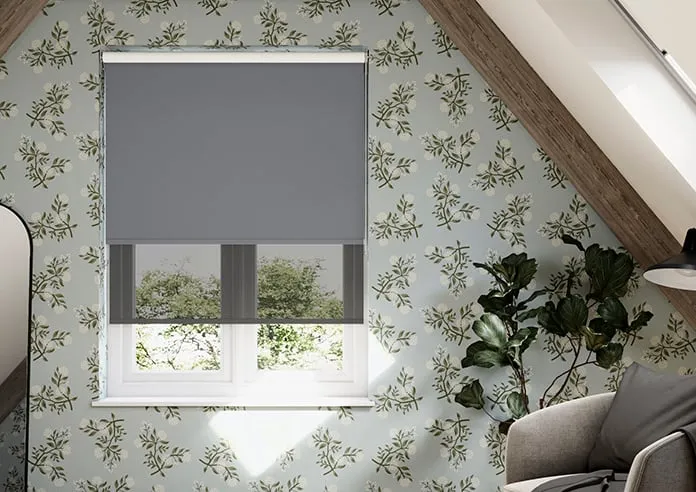

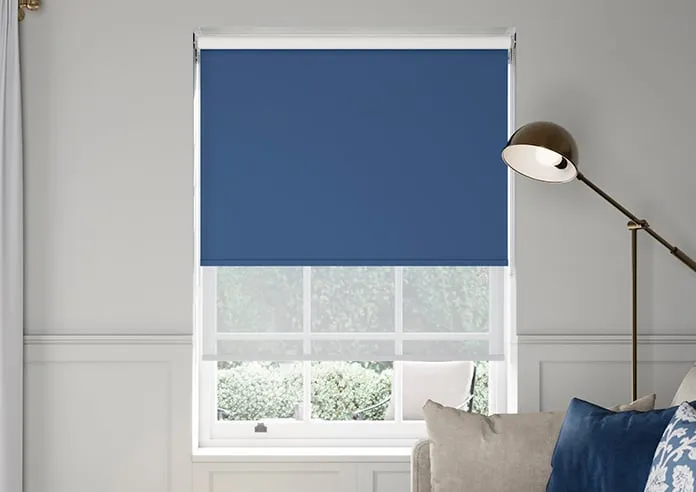


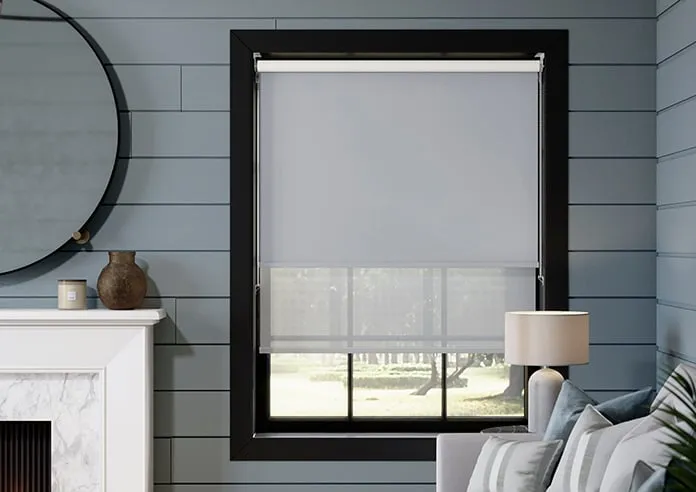
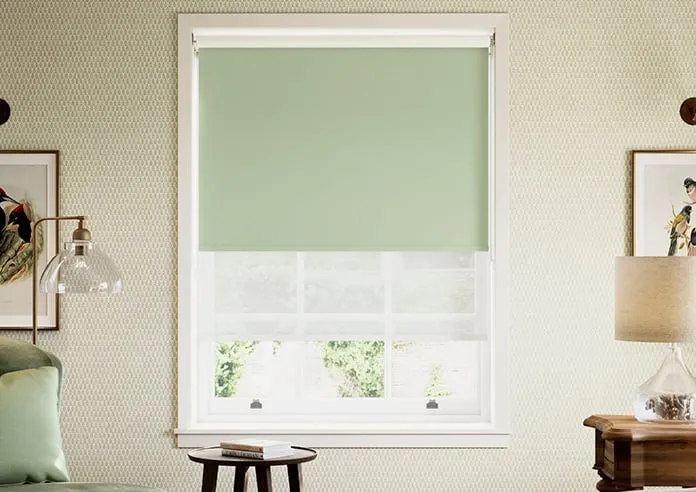

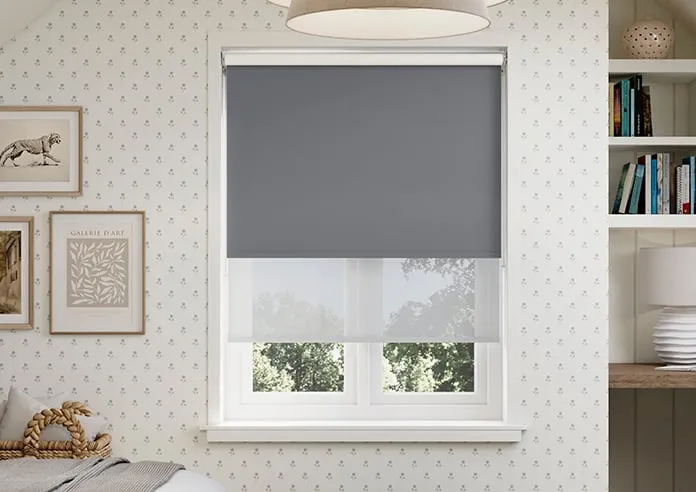
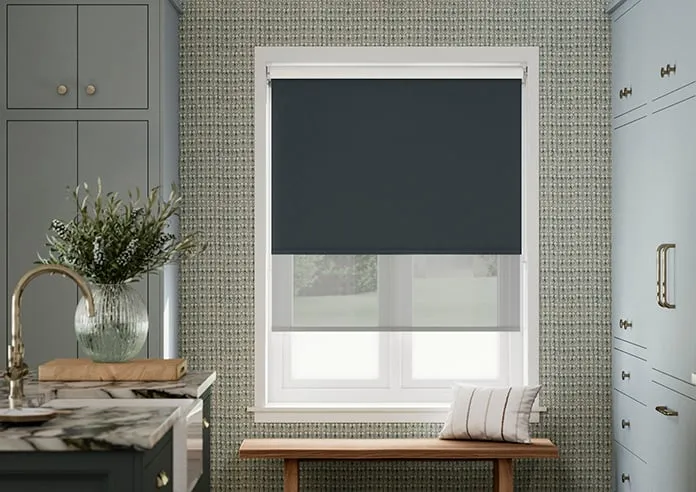


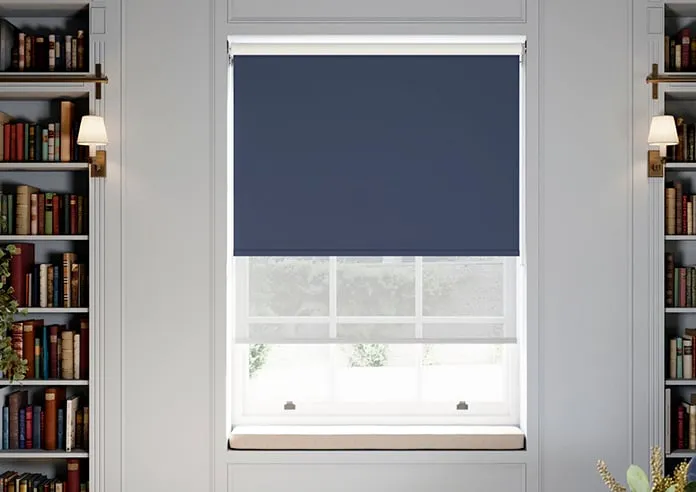




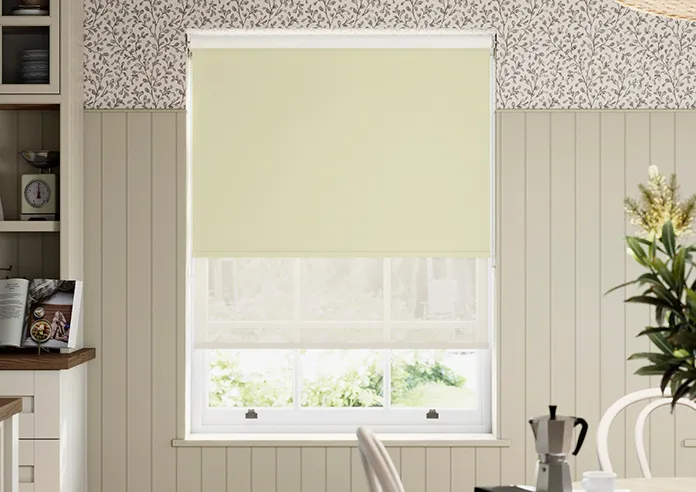
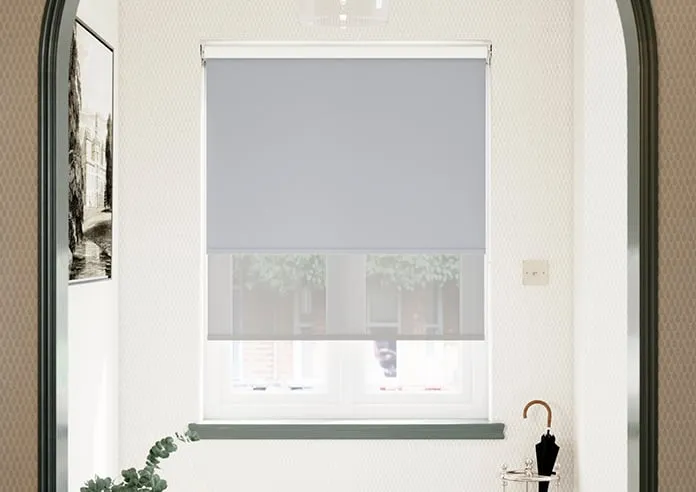


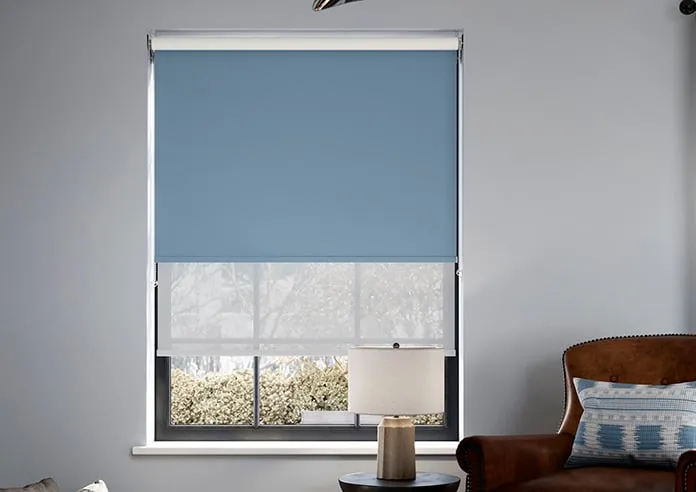


The ten pairings are built around warm neutrals and off-whites. The first name in each pair identifies the blackout fabric; the second names the day-screen fabric. Mocha, Sand, Cream, and Ecru provide the warm spectrum, with Mint and White offering cooler options. The day-screen fabrics - Texen Truffle, Illusion Sandy, Illusion Pure, and Shimmer Barley or Cream - are described by their sheer fabric series rather than a plain colour name, which is standard for woven screen materials.
The pairings are considered rather than arbitrary: darker blackout panels are matched with coordinating neutral screens (Mocha with Truffle or Sandy, for instance), while lighter blackout fabrics like Cream pair with Shimmer finishes for a softer, airier feel. The overall palette skews firmly warm and neutral; if you need a bold or cool-toned colourway, this range does not cover it.
Price by your dimensions
Enter your window size. We round up to the next standard size, which matches how the retailer actually quotes you.
Price up 25% since 29 Aug. (our checks since 4 Jun)
With a from-price at the lower end of what double-roller systems typically command, the Rimini sits at a competitive position for a dual-fabric made-to-measure roller. Prices increase with width and drop as the build system rounds up to standard cutting increments, so measure carefully before configuring - a few centimetres either way can shift you into a higher price bracket.
How it compares
A conventional single blackout roller achieves the same night-time opacity at lower cost, but gives you no daytime option short of raising the blind entirely. If you need privacy without darkness during the day, a separate sheer or light-filtering roller on a second track achieves the same result as the Rimini's dual system, though it requires more installation space and two sets of controls.
For rooms where thermal insulation matters more than dual-fabric convenience, a cellular or honeycomb blind would provide meaningfully better heat retention than any roller. For bedrooms where the requirement is purely blackout and cost is the primary concern, a single-fabric blackout roller is simpler and cheaper. The Rimini earns its place when the two-in-one convenience - one headrail, one fitting appointment, one set of brackets - justifies the higher outlay over a plain blackout roller.
Fitting and operation
Double roller systems share a single headrail with two separate fabric tubes; one chain or operating mechanism controls each. Confirm with 247 Blinds which control side the two chains fall on before ordering, as both may descend on the same side or on opposite sides depending on the configuration. Standard recess-depth requirements will be deeper than for a single roller because the headrail must accommodate two tubes - check the minimum recess depth in the product spec before measuring for an inside-recess fit.