
The Illusion roller blind is a made-to-measure fabric roller offered by 247 Blinds in 9 neutral colourways, starting from £37.00. The range keeps its palette deliberately tight - warm beiges and creams rather than a broad sweep of shades - which makes it straightforward to match with existing furnishings but leaves little scope if you want anything bolder or cooler.
Who it suits
The Illusion works well in living rooms and home offices where the priority is softening incoming light without blocking it entirely. A warm neutral fabric in this kind of range typically falls into the light-filtering to dimout class - it will knock back direct sun and provide some daytime privacy without plunging the room into darkness. That makes it a reasonable choice for south-facing rooms where full blackout isn't wanted, and where the fabric's warm tone will complement rather than clash with a room that already uses natural materials and earthy tones.
Bedrooms are a trickier call. The fabric is not described as blackout by 247 Blinds, so anyone needing genuine darkness - shift workers, young children, or light-sleepers in a room that catches early morning summer sun - should look at a dedicated blackout roller instead. A blackout fabric is opaque against a backlight test; a light-filtering roller in cream or beige won't meet that standard even on the brightest days. Kitchens and bathrooms are also not ideal fits for a standard fabric roller in lighter neutral tones, where a PVC-backed or moisture-resistant fabric would be the more practical and easier-to-clean choice.
Conservatories and glazed extensions with south or west aspects can make reasonable use of a light-filtering roller during the day - managing heat and glare without making the space feel enclosed - though they won't match the thermal performance of a cellular or honeycomb blind.
The colours
9 colours available


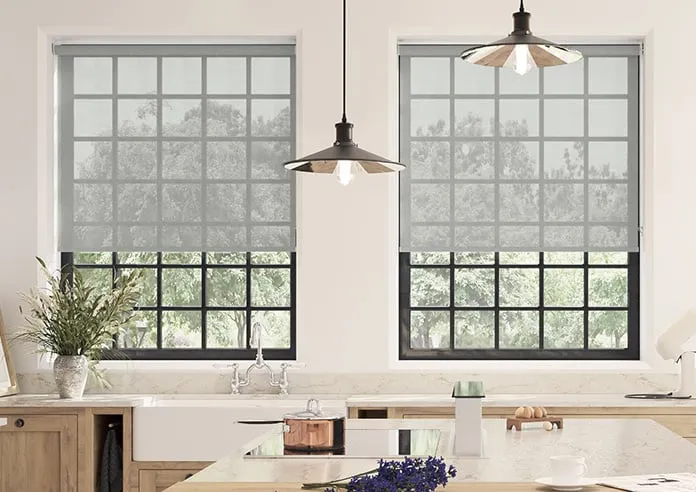

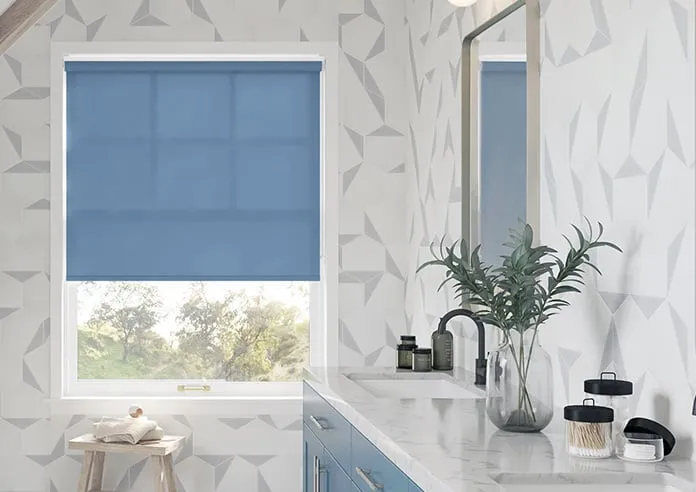


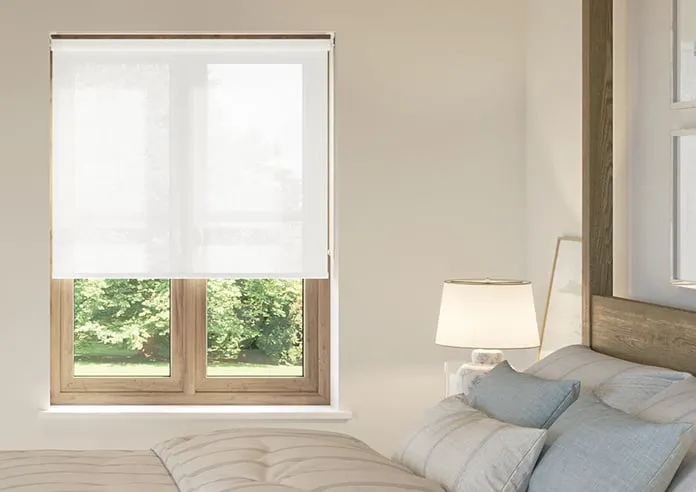
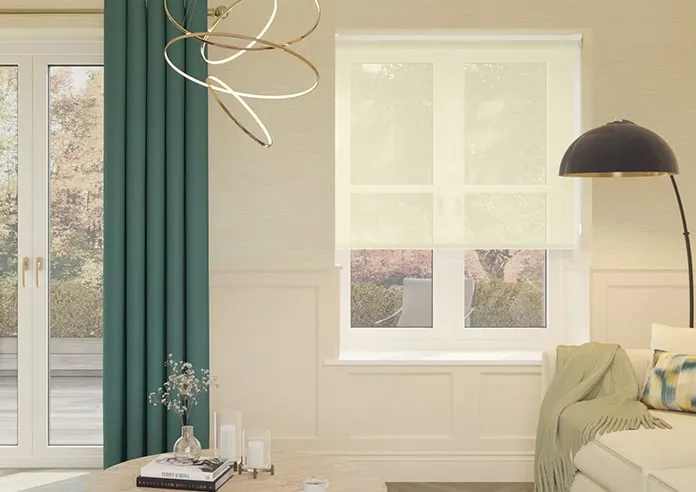
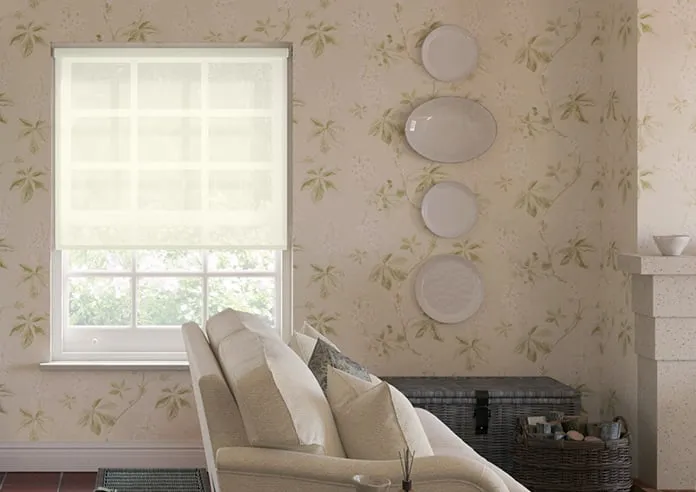

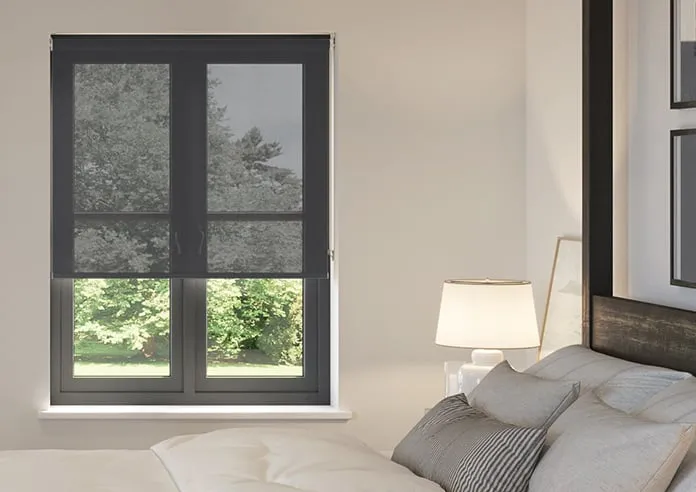

The four finishes - Hessian, Beige, Sandy, and Cream - sit within a single warm neutral band. Hessian reads as the deepest and most textured of the names, suggesting an earthy mid-tone that works with darker or more rustic furniture; Sandy and Beige sit in the familiar warm mid-range suited to most modern interiors; Cream is the palest and closest to white, integrating most cleanly with bright or white-painted walls. These are variations on a theme rather than genuinely distinct options. If you need anything cooler, greyer, or more colourful this range won't provide it, and you'd be better served looking at a range with a broader colour selection.
One practical note: paler fabrics like Cream and Sandy will show marks more readily than darker shades. Spot-cleaning a roller fabric with a damp cloth and mild soap works for most everyday marks, but repeated treatment can wear the fabric finish over time.
Price by your dimensions
Enter your window size. We round up to the next standard size, which matches how the retailer actually quotes you.
Price around its usual level (checked since 4 Jun).
The from-price puts the Illusion at the accessible end of 247 Blinds' roller range. As with all made-to-measure rollers, the price scales with width and drop - a small window will stay close to the entry figure, but a wide or tall window will sit noticeably higher. The widget above shows the price at your specific dimensions once you enter them.
How it compares
Within 247 Blinds' catalogue, the Illusion is a pared-back neutral option suited to light-filtering use in everyday rooms. If opacity is the primary requirement, a dedicated blackout roller with a foam-backed or triple-pass coated fabric would be the next step up - the same mechanism and fitting, with a meaningfully different fabric specification. If you want more variety within a neutral palette, a range with a broader colour selection would give more options without changing the blind type or the way it's measured and fitted.
Roller blinds in general are the simplest and most widely fitted solution for standard rectangular windows. They stack neatly when raised, leaving most of the window clear, and operate via a standard chain or cord mechanism. If thermal performance is the main driver - particularly for larger north-facing windows in older houses - a cellular or honeycomb blind would outperform any roller fabric on insulation, though at a higher price and with a different visual character. For most living spaces where glare control and a clean look are the goals, a roller in this kind of light neutral fabric is a reliable, low-fuss answer.