
A conservatory is the best room in the house in spring and the worst in winter. All that glass that fills it with light also lets the heat pour out, so by December it is a cold annexe nobody sits in, and the heating you aim at it vanishes through the roof and walls almost as fast as you make it. Blinds will not turn a conservatory into a lounge, but the right ones slow that heat loss markedly and take the chill off, which is often the difference between a room you use in winter and one you shut the door on. This guide explains where the heat goes and compares ten picks for keeping a conservatory usable in the cold.
Why a conservatory loses so much heat
A conservatory is mostly glass, and glass is a poor insulator, so it loses heat on every side at once. The walls of glazing conduct warmth straight out, the gaps around all those individual frames let draughts in, and the roof - the single biggest culprit - loses the most of all, because heat rises and a glass or polycarbonate roof does little to hold it. Add the sheer surface area, far more glass than any normal room, and the result is a space that empties of warmth as fast as you can heat it.
Blinds help by adding a still-air layer against all that glass and by calming the draughts around the frames. The same principles that warm a single window apply, just over a much larger area: a cellular fabric traps the most air and insulates best, and a close, sealing fit stops the warmth slipping past the edges. Because a conservatory has so many separate panes, a perfect-fit blind that clips to each frame is particularly suited to it - it seals each section individually and copes with the gappy, multi-frame construction that a loose blind cannot.
The roof deserves its own thought, because it loses the most heat and is the hardest to cover. Dedicated roof blinds exist and are the proper answer for the overhead glazing, but they are a specialist fitting shaped to the roof's pitch and bars, rather than something picked off a standard range. For the vertical glazing, the windows and doors and the dwarf-wall sections, the blinds below do the job well; for the roof, it is worth a separate conversation with a conservatory specialist.
The honest framing is the same as for any window, scaled up: blinds slow the loss and trim the draught, as one affordable layer over a room that loses heat fast by design. They will not match a properly insulated extension, but they can turn an unusable winter conservatory into one you will sit in with a jumper on, which is often all you are asking.
Where people go wrong
The first mistake is covering the windows and forgetting the roof. Most of the heat leaves upward, so a conservatory dressed beautifully at the sides but bare overhead still empties of warmth. The roof is the priority for real insulation, even though it needs a specialist blind.
The second is a loose fit on a multi-frame room. A conservatory is all edges and gaps, so a blind hung loosely over the glazing lets the warm air slip past on every side. Perfect-fit blinds that clip to each individual frame seal those sections in a way a single draped blind cannot.
The third is treating it as a summer-only job. Many people fit conservatory blinds purely to cut the glare and heat of summer, then find the room useless in winter. A thermal or cellular fabric handles both seasons - shading the sun in July and holding warmth in January - so it is worth choosing for the cold as well as the heat.
What to look for
Cellular for the most insulation. A honeycomb fabric's trapped-air cells give the best insulation over a large glazed area, so for warmth the cellular pleated leads.
Perfect-fit for the panes. A conservatory's many individual frames suit a blind that clips to each one, sealing every section and coping with the gappy construction better than a loose blind.
Cover the roof separately. The roof loses the most heat. Dedicated roof blinds are the proper answer for the overhead glazing, fitted by a specialist; the standard blinds handle the vertical glass.
Verticals for the sides and doors. Long runs of side glazing, dwarf-wall windows and patio doors suit vertical louvres, which cover wide areas neatly and draw aside for access.
Choose for both seasons. A thermal or cellular fabric shades the summer sun and holds the winter warmth, so one choice serves the room all year rather than only in the heat.
Mind the scale. A conservatory needs a lot of blinds, so a value or wide-choice range that covers many matching panes affordably is worth weighing against a premium fabric on every section.
Our picks


Hudson Cellular Pleated Blinds
at So Easy Blinds
Honeycomb cells that trap air across each pane for the most insulation.


Duoshade Thermal Pleated Blinds
at Blinds 2go
A thermal pleated that clips to each frame and seals the draught.


Excel Vertical Blinds
at So Easy Blinds
Vertical louvres to cover the long runs of glazing and the dwarf wall.


Totalshade Complete Thermal Pleated Blinds
at Blinds 2go
A dense pleated that insulates and shades the low winter sun together.

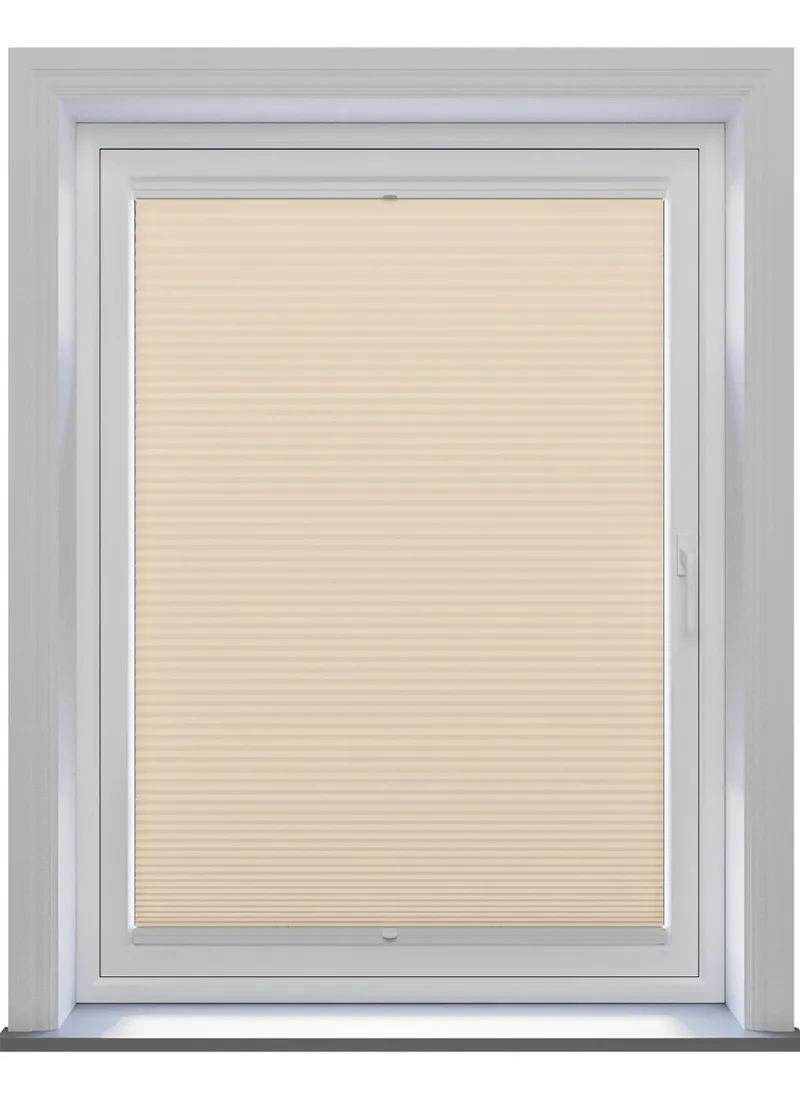
Clic-Stick-Fit Pleated Blinds
at Swift Direct Blinds
A no-drill thermal pleated to fit a lot of panes without a big outlay.
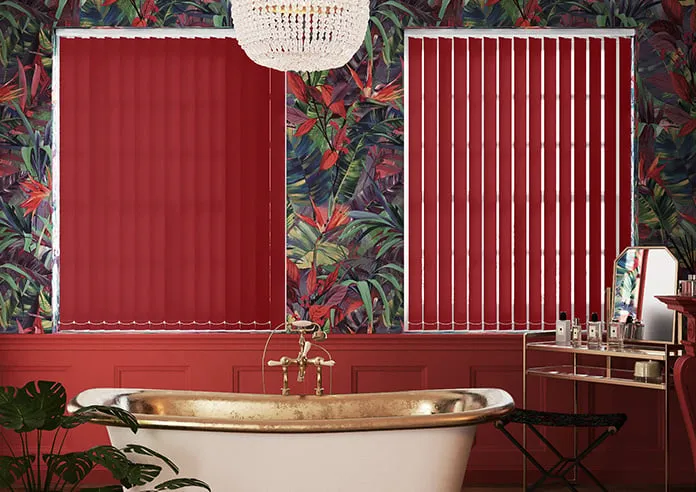
Trinity Vertical Blinds
at 247 Blinds
Vertical vanes that cover patio doors and draw aside for access.

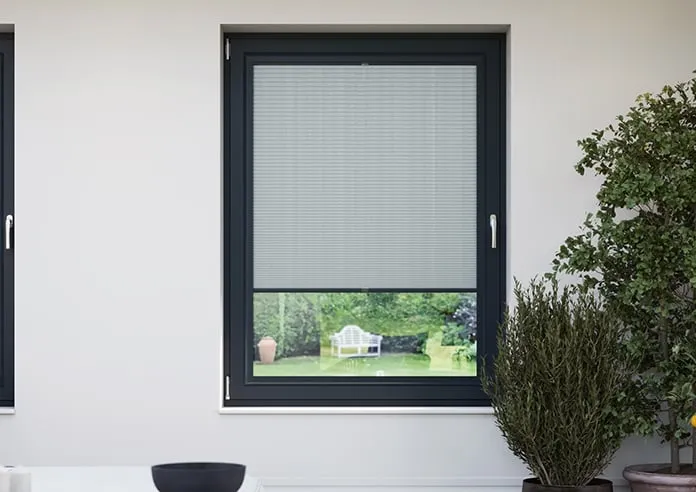
Honeycomb Roller Blinds
at 247 Blinds
Cellular insulation in a roller form for the window sections.

Maxshade Complete Thermal Pleated Blinds
at Blinds 2go
A thermal pleated in neutral tones for a conservatory used daily.
This range is currently unavailable.

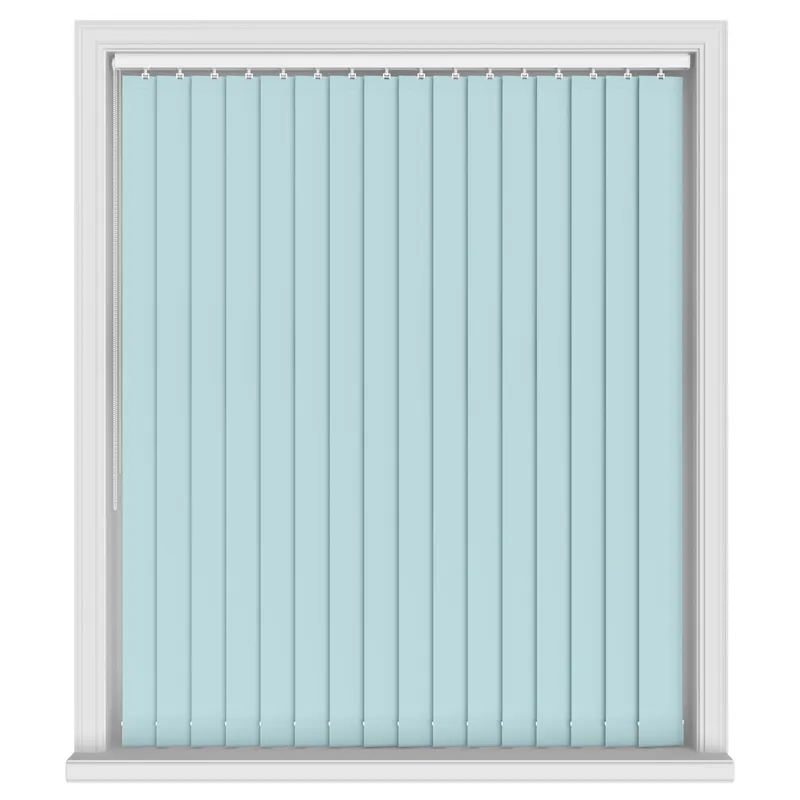
Bella Vertical Blinds
at Blinds By Post
A broad vertical range to cover side glazing in the colour you want.
Pick details
Best cellular
Hudson Cellular Pleated Blinds
at So Easy Blinds
Honeycomb cells that trap air across each pane for the most insulation.
For the most insulation over a conservatory's glass, the Hudson cellular blind's honeycomb cells trap a layer of air across each pane, the strongest insulating fabric for a cold, glazed room. Fitted close to each frame, it slows the heat loss on every section it covers and folds away tidily when you want the light. The pick where warmth is the priority and you are dressing the vertical glazing to make the room usable through the winter, pane by pane.
Best perfect-fit
Duoshade Thermal Pleated Blinds
at Blinds 2go
A thermal pleated that clips to each frame and seals the draught.
A conservatory is all separate frames and gaps, and the Duoshade thermal pleated in a perfect-fit fitting clips to each one, sealing the draught around every pane in a way a loose blind cannot. The thermal fabric slows the conduction and the close fit stops the warm air escaping at the edges, which is exactly what a gappy, multi-frame room needs. The pick where the draughts around the many frames are the real problem and you want each section sealed individually.
Best for the sides
Excel Vertical Blinds
at So Easy Blinds
Vertical louvres to cover the long runs of glazing and the dwarf wall.
For the long runs of side glazing and the dwarf-wall windows, the Excel vertical covers wide areas neatly and draws aside cleanly for access. The vanes tilt to control the light and cover a lot of glass without the cost of a separate blind on every small pane, and the broad colour run lets you match the room. The pick for the horizontal sweep of a conservatory's sides, where a vertical covers the width far more practically than a row of individual blinds.
Best blackout-thermal
Totalshade Complete Thermal Pleated Blinds
at Blinds 2go
A dense pleated that insulates and shades the low winter sun together.
A conservatory swings from glare in summer to cold in winter, and this blackout-thermal pleated handles both: the dense fabric shades the low winter sun across the room and the thermal build slows the heat leaving it. Fitted close to the glazing, it insulates and shades from one blind, which suits a conservatory used as a snug or a dining room where you want to control the light as well as the temperature. The pick for the panes that get both the sun and the cold.
Best value
Clic-Stick-Fit Pleated Blinds
at Swift Direct Blinds
A no-drill thermal pleated to fit a lot of panes without a big outlay.
A conservatory needs a lot of blinds, so the Clic stick-fit pleated earns its place by bringing the thermal fabric and a no-drill fit at an accessible price. It lets you cover many panes without a large outlay, sealing each section to the frame, which matters when the alternative is a premium blind multiplied across a whole glazed room. The pick where the scale of the job leads and you want sensible insulation on every pane rather than a costly fabric on a few.
Best for doors
Trinity Vertical Blinds
at 247 Blinds
Vertical vanes that cover patio doors and draw aside for access.
Patio and French doors are part of most conservatories, and the Trinity vertical covers them with vanes that draw aside cleanly so the doors stay usable. The louvres tilt for light and privacy and cover the full height of a door neatly, which a roller or a pleated blind struggles to do over an opening you walk through. The pick for the door sections of a conservatory, where access matters as much as cover and a vertical handles both.
Best honeycomb roller
Honeycomb Roller Blinds
at 247 Blinds
Cellular insulation in a roller form for the window sections.
For the window sections where you would rather have a roller than a pleat, the 247 Blinds honeycomb roller brings the insulating cells to a clean roller form. It gives the trapped-air warmth of a cellular fabric on the upright glazing in a simpler operation, which suits the standard window portions of a conservatory. The pick where you want cellular insulation but prefer a roller's line on the parts of the glazing that take one.
Best all-rounder
Maxshade Complete Thermal Pleated Blinds
at Blinds 2go
A thermal pleated in neutral tones for a conservatory used daily.
For a conservatory used daily as a living space, the Maxshade thermal pleated gives the insulating benefit in neutral tones that suit a room you actually sit in, rather than a purely functional fabric. It holds warmth and shades the sun in colours that work as a backdrop, across the many panes. The pick where the conservatory is a proper room of the house and you want the blinds to look considered as well as keep it warm.
Best for choice
This range is currently unavailable.
With so many panes to match, the Quickstick Tradechoice pleated offers a wide run of finishes, so a whole conservatory can be dressed in one coherent colour. The breadth matters when you are covering a dozen sections and want them to read as a set, and the no-drill stick fit suits the many frames. The pick where matching a lot of panes in the right colour leads, and you want the insulating fabric in enough tones to suit the room.
Best vertical choice
Bella Vertical Blinds
at Blinds By Post
A broad vertical range to cover side glazing in the colour you want.
For the side glazing in a particular colour, the Bella vertical brings a broad palette to the long runs and dwarf-wall windows, so the horizontal sweep of a conservatory can match the scheme. It covers wide areas with tilting vanes that control the light and draw aside for access, in enough finishes to suit most rooms. The pick where you want a vertical for the sides and the colour matters as much as the cover.
What we left out
Two parts of the conservatory question sit outside this set of picks, honestly.
Roof blinds are the big one. The roof loses the most heat, so it is the most important surface to cover, but a roof blind is a specialist fitting shaped to the pitch and the glazing bars rather than something chosen off a standard range. It needs a separate conversation with a conservatory specialist, which is why none of the picks here is a roof blind - they cover the vertical glazing, where a standard range fits, and the roof is its own job worth doing alongside.
Secondary measures like roof insulation panels and draught-proofing do more for a cold conservatory than any blind, since they treat the structure itself. They are left out because they are building work rather than window dressing, but the honest order is to insulate the roof and seal the draughts where you can, then add thermal blinds as the affordable layer that makes the room comfortable day to day.
Price by your window
The from-prices shown are starting points; the made-to-measure price depends on each pane's width and drop, and a conservatory's many sections add up, so a value or wide-choice range across the panes is worth weighing against a premium fabric. Each pick's page has a price-by-dimensions tool, so enter your measurements for the price at your size. The value pleated and the verticals cover large areas most affordably; the cellular and blackout-thermal picks sit higher for the insulation, which is where the winter warmth comes from.